
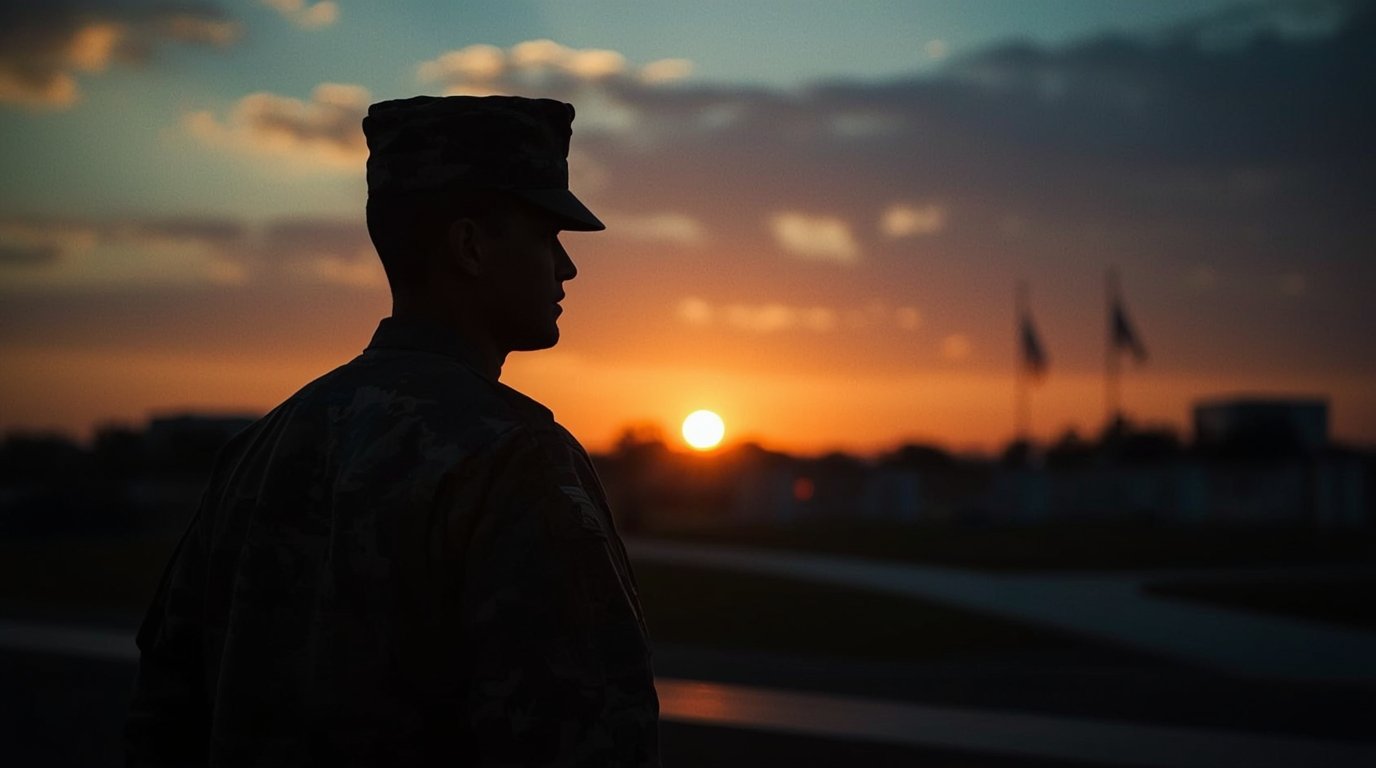
The Importance of Mental Health Support for Veterans
Mental health is a critical aspect of overall well-being, and for veterans, the challenges associated with transitioning from military to civilian life can be particularly daunting. Many veterans experience unique mental health issues stemming from their combat experiences, which may include post-traumatic stress disorder (PTSD), anxiety, and depression. These psychological conditions can be exacerbated by the often abrupt shift to civilian life, where veterans may struggle with feelings of isolation and a lack of purpose.

for the $3,000 Special Allowance
Moreover, the stigma surrounding mental health issues within military culture poses a significant barrier for veterans seeking help. The perception that asking for assistance may be viewed as a weakness can prevent many from accessing essential services. This stigma, combined with the intense pressure to adapt to a life outside the military, can result in high levels of stress and lead to mental health deterioration.
While the Department of Veterans Affairs (VA) in the United States provides various resources for mental health support, many veterans do not seek help through these traditional avenues due to stigma, long wait times, or dissatisfaction with care. Similarly, in the UK, public mental health systems are often under strain and may not meet the unique needs of veterans. Consequently, there is a growing recognition of the necessity for alternative mental health support systems that can supplement the existing frameworks.

This need for supplemental mental health resources underlines the importance of exploring various support mechanisms available for veterans, highlighting options that can complement the care provided by the VA in the US and public systems in the UK. By understanding the unique challenges veterans face and advocating for comprehensive mental health support, society can contribute to improving their quality of life and helping them navigate their journeys beyond military service.
Overview of Alternative Mental Health Support Options
Veterans seeking mental health support have several alternative options to traditional VA (Veterans Affairs) services, available in both the United States and the United Kingdom. These alternatives can often offer increased accessibility, faster service, and more personalized care tailored to individual needs.
Peer-to-peer support groups are one of the most valuable alternatives available. These groups provide a platform where veterans can connect with one another, share experiences, and offer mutual support. By fostering a sense of community, these groups can help reduce feelings of isolation and stigma. Additionally, many veterans find that engaging with peers who have shared similar experiences can lead to healing and a deeper understanding of their challenges.
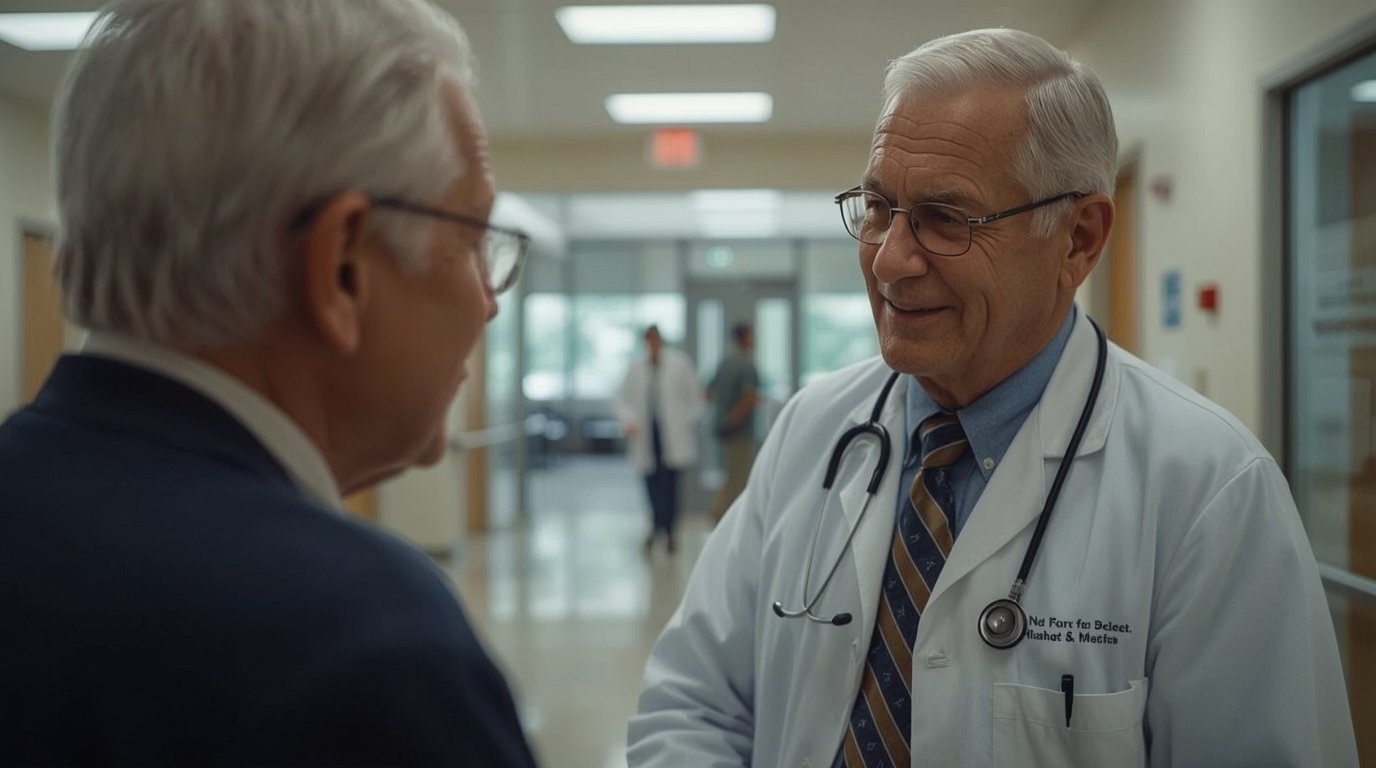
Private therapy services also present a viable alternative. Unlike VA channels, which may have lengthy waiting lists or bureaucratic hurdles, private practitioners can often offer more immediate access to mental health professionals, including psychologists, counselors, and therapists. These providers may utilize a variety of therapeutic modalities, allowing for a more customized approach to treatment that can resonate better with each veteran.
Community organizations dedicated to veterans’ mental health are increasingly prevalent, providing resources, workshops, and activities designed to promote well-being. These organizations often collaborate with local mental health professionals and can serve as a bridge between veterans and necessary services. They often focus on topics relevant to the unique experiences of veterans, ensuring that the support provided is contextually relevant.
Finally, online resources have become an important avenue for mental health support. Virtual platforms and apps are now offering access to self-help tools, online therapy sessions, and informational resources on mental health tailored specifically for veterans. This digital accessibility ensures that veterans can seek help from the comfort of their homes, breaking down geographical and logistical barriers.
Specialized Therapies Tailored to Military Experiences
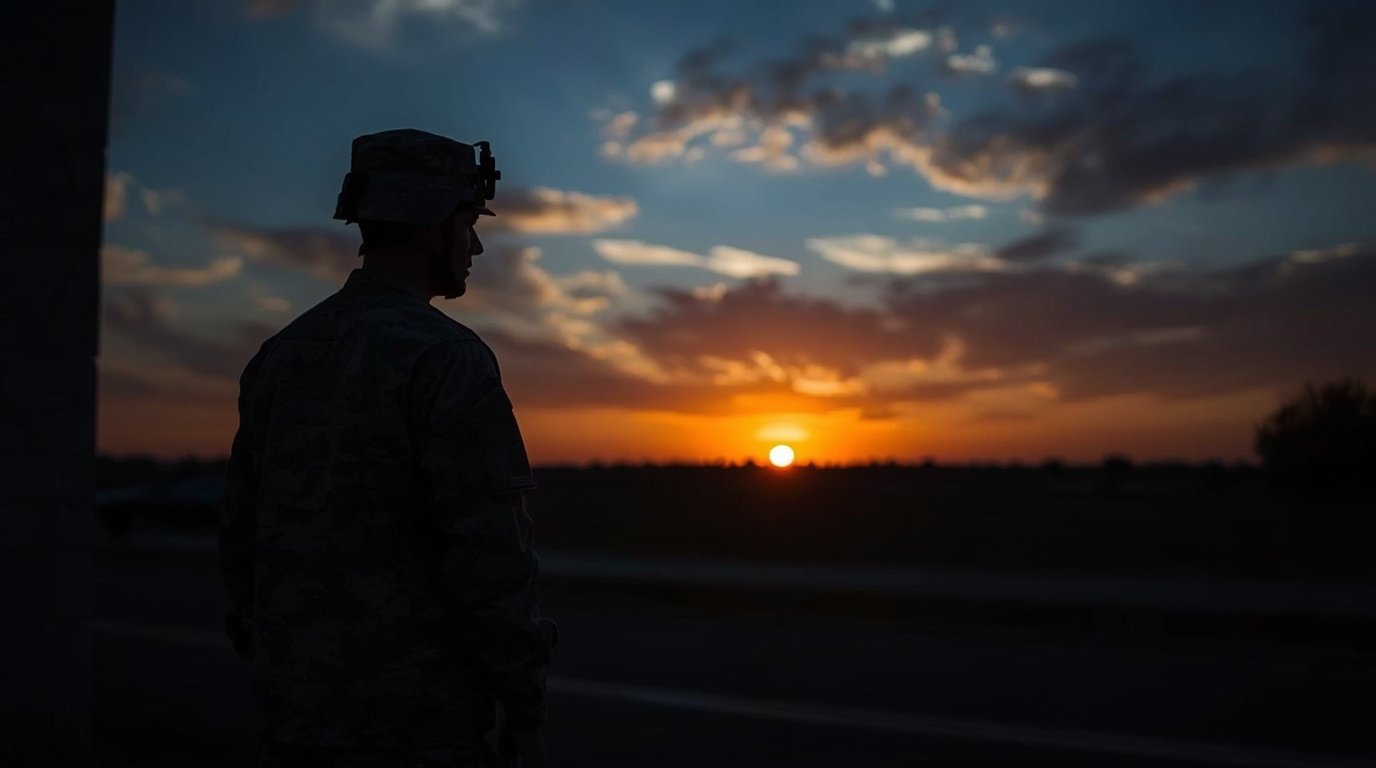
Veterans often face unique psychological challenges stemming from their military experiences. Traditional mental health therapies may not adequately address the complexities of trauma, PTSD, and reintegration into civilian life. Consequently, specialized therapeutic modalities have emerged to better support veterans in their recovery journeys. Among these, Eye Movement Desensitization and Reprocessing (EMDR), Cognitive Behavioral Therapy (CBT), and exposure therapies are particularly noteworthy.
EMDR is a psychotherapeutic approach aimed specifically at alleviating the distress associated with traumatic memories. This therapy has shown considerable efficacy, especially for individuals grappling with PTSD, as it helps veterans process and integrate traumatic experiences. Through guided eye movements, EMDR facilitates the reprocessing of such memories, allowing veterans to reduce the emotional charge linked to their experiences.
Cognitive Behavioral Therapy, on the other hand, focuses on modifying detrimental thought patterns and behaviors. For many veterans, negative mental frameworks may perpetuate feelings of helplessness or isolation. CBT provides practical strategies to challenge these perspectives, equipping veterans with the tools to foster a more adaptive mindset. By emphasizing the connection between thoughts, feelings, and actions, CBT promotes resilience and empowers veterans to take control of their mental health.
Exposure therapies are also crucial in treating veterans who experience anxiety and avoidance related to specific triggers. By gradually exposing individuals to their fears in a controlled environment, these therapies aim to desensitize the emotional response over time. This method not only helps veterans confront their anxieties but ultimately aids in their reintegration process.
The integration of these specialized therapies into veterans’ mental health care can significantly enhance treatment outcomes. Tailoring approaches to accommodate the unique experiences of military personnel ensures that their psychological needs are prioritized, promoting healing and recovery.
Peer-Focused Care: Building Community and Support Networks
Peer-focused care models play a crucial role in the mental health support landscape for veterans. These initiatives emphasize the importance of connection, understanding, and shared experiences among individuals who have faced similar challenges. By fostering supportive community networks, veterans can find validation and comfort in their shared journeys, which is paramount for their mental well-being.
Support groups tailored specifically for veterans offer an accessible means of engagement and communication. These groups provide a platform for individuals to share their experiences, listen to others, and provide empathy and insight based on their unique backgrounds. The power of peer validation cannot be understated; when veterans share their struggles with others who have lived similar experiences, it creates a profound sense of belonging and understanding. This shared narrative can significantly mitigate feelings of isolation that often accompany the transition to civilian life.
Additionally, veteran organizations and community initiatives contribute significantly to peer-focused care. These organizations not only link veterans with available mental health resources but also promote activities that foster camaraderie and connection. Community programs can range from social events to structured workshops, all designed to create safe spaces for veterans to engage and form friendships. Such interactions are vital, as they underscore the importance of communal healing—where shared understanding within a network leads to collective growth and recovery.
Moreover, the benefits of these peer-focused care models extend beyond immediate emotional support. Veterans participating in these groups often report improvements in mental health symptoms, increased self-esteem, and greater resilience in facing life’s challenges. Consequently, by prioritizing peer support, veterans can cultivate meaningful relationships that enhance their mental health and facilitate a smoother transition into civilian life.