
Introduction to the 100th Anniversary Celebration
The Richmond VA Medical Center recently hosted a landmark event that marked the 100th anniversary of Veterans Affairs (VA) research. This occasion presented a unique opportunity to honor the rich history of scientific endeavors that have significantly contributed to veterans’ health and well-being. The celebration not only acknowledged the historical achievements of VA research but also aimed to foster a greater understanding among the public and the medical community about the vital role these studies play in advancing healthcare for veterans.

for the $3,000 Special Allowance
Throughout its century-long journey, VA research has yielded pivotal innovations and insights, profoundly enhancing the quality of life for veterans. The celebration featured prominent speakers, including researchers, veterans, and healthcare professionals, who shared their experiences and the transformative effect of VA studies in various medical fields. By gathering stakeholders under one roof, the event also sought to strengthen partnerships between researchers, clinicians, and the veteran community, ultimately driving future research initiatives.
The goals of the 100th anniversary celebration extended beyond mere commemoration; they encompassed a vision for the future of VA research. Organizers emphasized the importance of maintaining momentum in scientific inquiry to address ongoing health challenges faced by veterans. Disseminating knowledge about past accomplishments serves as a catalyst for inspiring the next generation of researchers dedicated to improving veteran healthcare. Moreover, the event reinforced the commitment of the Richmond VA Medical Center and its affiliates to continue pioneering advancements that better the lives of those who have served in the military.

As a focal point for VA research, the Richmond VA Medical Center remains dedicated to honoring its legacy while pushing the boundaries of medical science, ensuring that the health needs of veterans are met with compassion and innovation.
A Gathering of Veterans and VA Staff
On a momentous occasion marking a century of advancements in Veteran Affairs research, the Richmond VA Medical Center played host to an exceptional gathering of over 150 veterans alongside devoted VA staff members. This gathering not only celebrated a remarkable milestone but also encapsulated the essence of community spirit that pervades the VA system. The atmosphere was filled with warmth and camaraderie, as veterans exchanged stories, shared experiences, and connected with those who have dedicated their lives to serving them.
The gathering served as a poignant reminder of the strong bond that exists between veterans and the staff within the VA system. Attendees reflected on the shared mission to improve the lives of those who have bravely served their country. Interactions between veterans and VA personnel were characterized by mutual respect and a deep understanding of the challenges faced by service members. This dynamic not only enhanced the sense of community but also reinforced the commitment to ongoing support for veterans through programs and research initiatives.
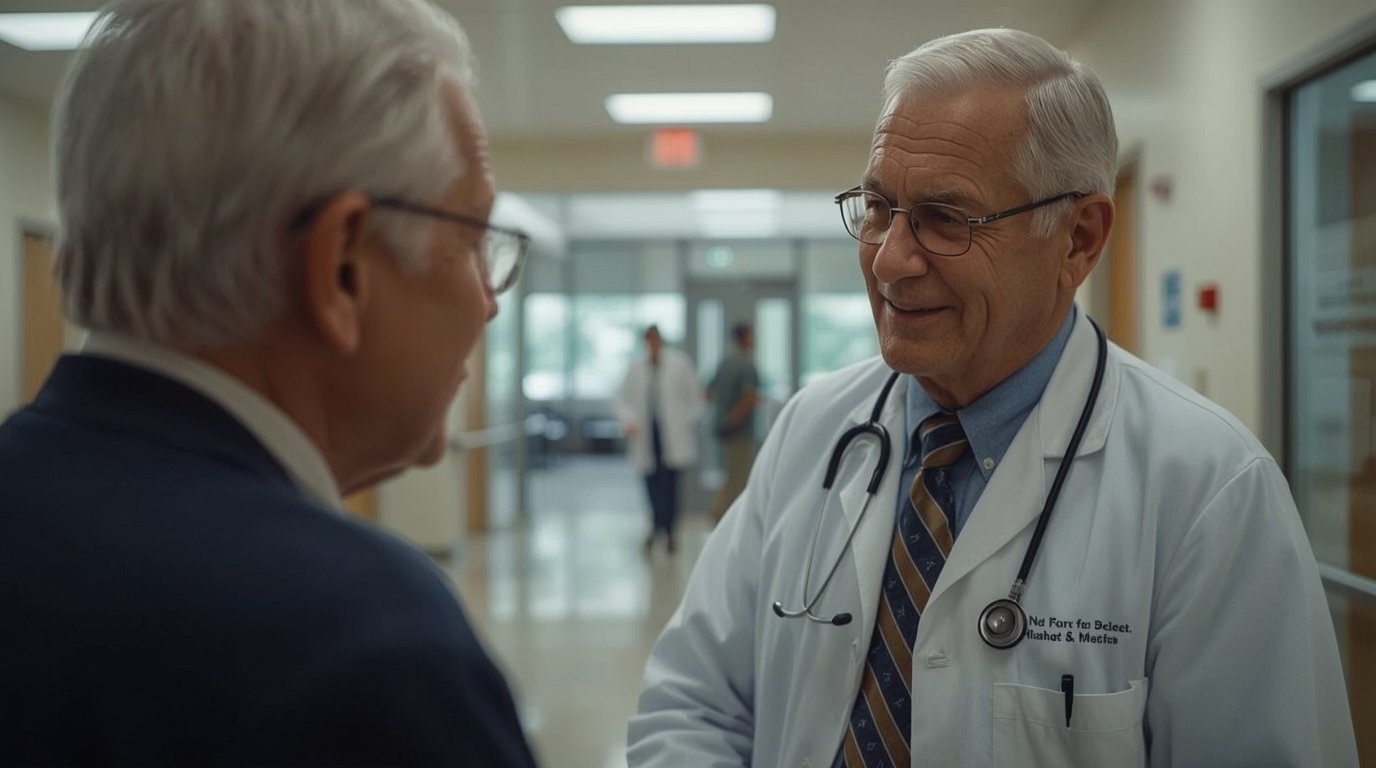
As the event unfolded, the narratives shared highlighted not just the struggles, but also the resilience and triumphs of veterans. These accounts resonated with the staff, reminding them of their critical role in facilitating healing and providing comprehensive care. The exchange of heartfelt stories fostered a spirit of solidarity, illustrating that the relationship between veterans and VA staff extends beyond mere professionalism; it is deeply rooted in empathy and shared values.
This significant event demonstrated the power of collaboration and unity within the VA community, showcasing how such gatherings can strengthen the ties between those who have served in the military and those who are committed to their well-being. Such occasions are vital in forging lasting connections that ultimately enhance the quality of care provided to veterans, reinforcing the belief that every individual’s story matters within the walls of the Richmond VA Medical Center.
Military and Medical Displays
During the landmark event celebrating a century of VA research, the Richmond VA Medical Center showcased an array of military and medical displays designed to honor the remarkable advancements in military medicine and veteran care over the past hundred years. These exhibits served not only as informational resources but also as vivid reminders of the commitment to serving those who have bravely defended the nation.

The displays featured various artifacts that illustrated the evolution of medical practices within the military context. Attendees had the opportunity to engage with historical uniforms, medical equipment, and documents that highlighted pivotal moments in the history of veteran care. One notable exhibit included a collection of surgical instruments from different eras, demonstrating how advancements in technology have significantly improved the outcomes for veterans receiving medical attention.
Furthermore, live demonstrations were held to showcase current techniques and treatments used within the VA healthcare system. Medical professionals presented their skills in a variety of areas, including telemedicine and innovative rehabilitation methods, which reflect the ongoing evolution of care tailored specifically for veterans. The combination of historical context and contemporary practices provided attendees a comprehensive understanding of how far military medicine has come and where it is headed.
Additionally, interactive displays encouraged visitors to participate and learn more about the programs available to veterans today. Information about mental health initiatives and rehabilitation services was readily available, emphasizing the VA’s commitment to holistic care. These interactive elements were particularly effective in illustrating not just the history but also the future of veteran care informed by decades of research and development.
In essence, the military and medical displays at the Richmond VA Medical Center event were not mere exhibitions but a celebration of a century-long journey toward better healthcare for veterans. Such initiatives reaffirm the dedication to improving the lives of those who have served, demonstrating a continuous commitment to excellence in veteran care.
Inspiring Guest Speakers
The celebratory event at the Richmond VA Medical Center featured a lineup of distinguished guest speakers whose insights on the importance of VA research significantly impacted the audience. These speakers spanned various fields, including veterans’ affairs, medical research, and policymaking, collectively fostering a greater understanding of the life-enhancing advancements achieved through dedicated VA research.
One of the highlight speakers was Dr. Emily Rivera, a prominent physician specializing in veterans’ health. Dr. Rivera poignantly emphasized, “The advancements we see today in treatment and rehabilitation are a direct result of the groundbreaking research conducted by the VA. Each study, each trial, has paved the way for improved quality of life for our veterans.” Her words resonated with many attendees, underscoring the vital link between research and real-world outcomes for veterans.
Additionally, veteran advocacy leader, Mr. James Fletcher, shared his personal journey and how specific VA research initiatives directly transformed his life. “I stand here today not just as a veteran, but as a living testament to the success of VA research,” he stated. Fletcher’s compelling narrative highlighted the tangible effects of innovative therapies on veterans and reinforced the importance of continued investment in these studies.
The significance of these presentations extended beyond mere acknowledgment of accomplishments; they emphasized the ongoing need for VA research to evolve and address the emerging challenges faced by veterans in contemporary society. The shared experiences of the speakers illustrated the profound impact that dedicated research has on individual lives, driving home the message that VA research remains crucial for future advancements.
In essence, the contributions of these inspiring guest speakers were indispensable in conveying the importance of VA research, showcasing the expansive impact it has on the lives of veterans and the future of healthcare for those who have served. Their narratives not only celebrated a century of progress but also illuminated the path ahead for continued exploration and innovation in veterans’ health care.
Personal Stories from Veteran Research Participants
Veterans from various backgrounds have offered compelling testimonies that illuminate the profound impact of VA research on their lives. These stories highlight not only individual journeys but also the broader societal benefits derived from ongoing research efforts. One poignant account comes from Frankie McCattry, a Vietnam War veteran whose experience underscores the transformative power of medical studies conducted at the Richmond VA Medical Center. Following his participation in research focused on post-traumatic stress disorder (PTSD), McCattry reported significant improvements in managing his symptoms. The therapies and interventions developed through VA research provided him with coping strategies that profoundly altered his mental health trajectory, empowering him to pursue a more fulfilling daily life.
Another notable narrative is shared by Staff Sergeant John Kriesel, who sustained injuries in combat that profoundly affected his health and well-being. Through his engagement in VA research programs, Kriesel gained access to innovative rehabilitation methods and cutting-edge medical treatments aimed at his specific needs as a disabled veteran. His story illustrates not only personal recovery but also the broader implications of VA research in enhancing veterans’ quality of life. Kriesel’s ongoing participation in studies ensures that future veterans will benefit from evidence-based practices, demonstrating the reciprocal relationship between research and community health.
These personal testimonies emphasize the critical role that veteran research plays in shaping healthcare policies and practices tailored to the unique needs of former service members. They reflect the diverse challenges faced by veterans and how targeted research initiatives can lead to transformative solutions. Such narratives highlight the significance of ongoing participation by veterans in research and how these contributions can improve both their individual health and the health of the collective veteran population. Ultimately, these stories reinforce the importance of continued investment in VA research, as the potential benefits extend far beyond individual circumstances, fostering a healthier and more resilient veteran community.
Highlighting Cutting-Edge Initiatives
The Richmond VA Medical Center has continuously led the way in advancing healthcare for veterans through innovative research initiatives. One of the most significant developments is the establishment of the Brain Health Coordinating Center, which harnesses the power of artificial intelligence (AI) to create personalized care plans tailored to the unique needs of each veteran. This forward-thinking initiative represents a paradigm shift in how mental and cognitive health is approached within the veteran community.
Through state-of-the-art AI algorithms, researchers at the center can analyze a vast array of data, including medical histories, lifestyle factors, and neurological assessments. By doing so, they are equipped to identify patterns that may indicate potential health risks or areas needing intervention. This individualized approach not only enhances the accuracy of diagnoses but also allows healthcare providers to craft targeted treatment strategies that align with the specific conditions of each veteran.
Moreover, this initiative is part of a broader effort to utilize cutting-edge technology and research methodologies to improve health outcomes for veterans. The integration of AI into healthcare practices not only streamlines administrative processes but also supports clinical decision-making, ultimately promoting more effective treatment options. Research efforts are being directed toward understanding various neurological conditions common among veterans, such as PTSD, traumatic brain injuries, and cognitive decline. Innovations stemming from these studies are helping to develop advanced therapeutic measures, thereby enriching veterans’ quality of life.
As the Richmond VA Medical Center continues to push the boundaries of medical research, its commitment to improving veteran healthcare through initiatives like the Brain Health Coordinating Center highlights the critical role that ongoing research plays. By embracing technology and fostering a collaborative approach among researchers and healthcare professionals, the center is well-positioned to advance treatment options and improve health outcomes for veterans in meaningful ways.
The Role of Veteran Volunteers in Clinical Studies
Veteran volunteers play an integral role in the advancement of clinical studies at the Richmond VA Medical Center. Their participation not only enriches the research landscape but also offers invaluable data that aids in the understanding and treatment of health issues prevalent within the veteran community. The inclusion of veteran volunteers in clinical studies is essential, as they provide unique perspectives based on their individual experiences and backgrounds, which can significantly influence the results of medical research.
Veterans often face distinct health challenges that may not be fully understood without their input. By engaging in clinical studies, these individuals contribute to the development of effective treatment protocols and interventions tailored specifically for veterans. Their firsthand experiences with service-related injuries and illnesses make them ideal candidates for research participation, offering insights that are crucial for creating better healthcare solutions.
Moreover, the involvement of veteran volunteers helps researchers identify gaps in current healthcare practices. This feedback loop not only enhances the validity of research findings but also ensures that the treatments developed are relevant and effective in addressing the specific needs of veterans. The insights provided by these volunteers bolster the credibility of studies, allowing healthcare providers to deliver higher-quality care based on evidence collected directly from the population served.
It is essential to acknowledge the commitment and dedication that these veteran volunteers exhibit by taking part in clinical studies. Their willingness to share their stories and health data contributes significantly to the overarching goal of enhancing healthcare outcomes for all veterans. By fostering an environment where veterans feel valued and their participation is encouraged, the Richmond VA Medical Center demonstrates its dedication to utilizing clinical research as a means of improving veterans’ health and well-being. The invaluable contributions of veteran volunteers continue to shape the future of veteran healthcare, paving the way for more effective treatment strategies.
Translating Research into Real-World Improvements
The overarching goal of VA research is decidedly focused on the translation of scientific findings into actionable improvements in the health and quality of life for veterans. This commitment has spurred numerous innovative initiatives that have demonstrably enhanced treatment modalities, resulting in more effective care strategies tailored specifically for this population. The dedication to converting research outcomes into real-world applications has positioned the Richmond VA Medical Center as a beacon of progress in veteran health care.
One notable achievement in this endeavor is the development of tailored mental health interventions that stemmed from foundational research on PTSD (Post-Traumatic Stress Disorder). By translating empirical findings into clinical practice, the VA has established comprehensive therapeutic programs that equip veterans with essential coping skills and resilience. These evidence-based therapies have not only improved individual outcomes but have also fostered a supportive community among veterans who share common experiences.
In addition to mental health, VA research initiatives have led to significant advancements in physical health care. For example, studies focusing on the long-term effects of wartime injuries have directly influenced the way pain management and rehabilitation services are structured. By integrating findings from these comprehensive studies, healthcare providers can now offer personalized treatment plans that enhance mobility and reduce chronic pain in veterans. Such real-world improvements exemplify how targeted research generates meaningful benefits that resonate deeply within the veteran community.
Moreover, the translation of research into practice extends beyond the individual level. System-wide changes driven by research findings have improved overall operational efficiency within VA facilities, ensuring that veterans receive timely and effective care. As the commitment to bridging the gap between research and practice continues, the Richmond VA Medical Center remains steadfast in its mission to enhance the health and well-being of the nation’s veterans, embodying the true spirit of service through scientific inquiry.
Conclusion: Looking Forward to the Future of VA Research
As we reflect on the centennial celebration of VA research at the Richmond VA Medical Center, it becomes clear that this milestone is not just a commemoration of the past, but a beacon for the future. The event showcased significant advancements over the past hundred years, illustrating the relentless pursuit of improved healthcare for our veterans. The messages conveyed during the celebration emphasized the vital role that research continues to play in enhancing the quality of life for those who have served our nation.
The ongoing commitment to serve veterans better through rigorous research initiatives is paramount. With a focus on addressing both the physical and psychological needs of veterans, future studies promise to delve into various aspects of healthcare, including mental health, chronic illnesses, and innovative treatments. The Richmond VA Medical Center’s dedication to utilizing the latest scientific advancements ensures that veterans will benefit from state-of-the-art medical practices and therapies tailored to their unique needs.
Moreover, collaboration between researchers, healthcare providers, and the veteran community is essential. This partnership will foster an environment where innovative ideas can flourish, ultimately leading to groundbreaking discoveries that have the potential to revolutionize veteran healthcare. By actively engaging veterans in the research process, the VA can ensure that studies are relevant and directly address the concerns of those they aim to assist.
As we look forward, it is imperative to recognize that the field of VA research will continue to evolve. With an everexpanding body of knowledge, the commitment to serving our veterans will remain steadfast, guided by the principle that their health and well-being is of utmost importance. The foundation laid over the last century serves as a strong platform from which we can launch into an even more promising future, where veterans receive the best possible care informed by cutting-edge research.