
Understanding the Importance of Veterans’ Narratives
The narratives of veterans hold profound significance in both our cultural and historical consciousness. These stories not only reflect the lived experiences of those who have served in the military but also offer invaluable insights into the complex realities of war, sacrifice, and resilience. Connecting with these narratives is essential for fostering a deeper understanding of the sacrifices made by service members and enriching our collective memory as a society.

for the $3,000 Special Allowance
Personal accounts from veterans contribute to a diverse tapestry of experiences that highlight the challenges and triumphs faced during service. By listening to their stories, we can gain a unique perspective on the emotional, psychological, and physical impacts of military life. Each narrative serves not only as a testament to individual courage but also as an educational resource that can guide future generations in understanding the realities of conflict and the importance of honoring those who served.
Moreover, engaging with veterans’ stories helps break down stereotypes and misconceptions about military service. It allows us to interact with the human side of the service, transforming abstract concepts of war into relatable, personal experiences. This connection creates a more empathetic society that acknowledges the complex nature of military service and the ongoing challenges that many veterans face, including reintegration into civilian life.

Ultimately, the significance of veterans’ narratives extends beyond mere historical documentation. They serve as bridges linking past sacrifices to present-day understanding, emphasizing the importance of remembrance, respect, and community support for those who have served. Comprehending these stories lays the groundwork for meaningful dialogue around the experiences of veterans and promotes societal responsibility in honoring their legacies.
Listening to Personal Narratives and Oral Histories
Listening to personal narratives and oral histories shared by veterans is of paramount importance in honoring their service and understanding the complexities of their experiences. These first-hand accounts offer invaluable insights into the realities of military life, combat, and the transition back to civilian life. Various resources are dedicated to preserving and sharing these stories, allowing younger generations to gain a nuanced perspective on the sacrifices made by veterans.
Museums and memorials serve as vital hubs for sharing veteran stories. Institutions such as the National WWII Museum and the Vietnam Veterans Memorial provide recorded interviews and storytelling sessions that capture the emotional depth of veterans’ experiences. These resources not only highlight individual narratives but also contribute to a broader understanding of the historical contexts of their service. Through these platforms, visitors can access a wealth of oral histories that speak to the diverse backgrounds and circumstances of veterans, fostering empathy and appreciation.
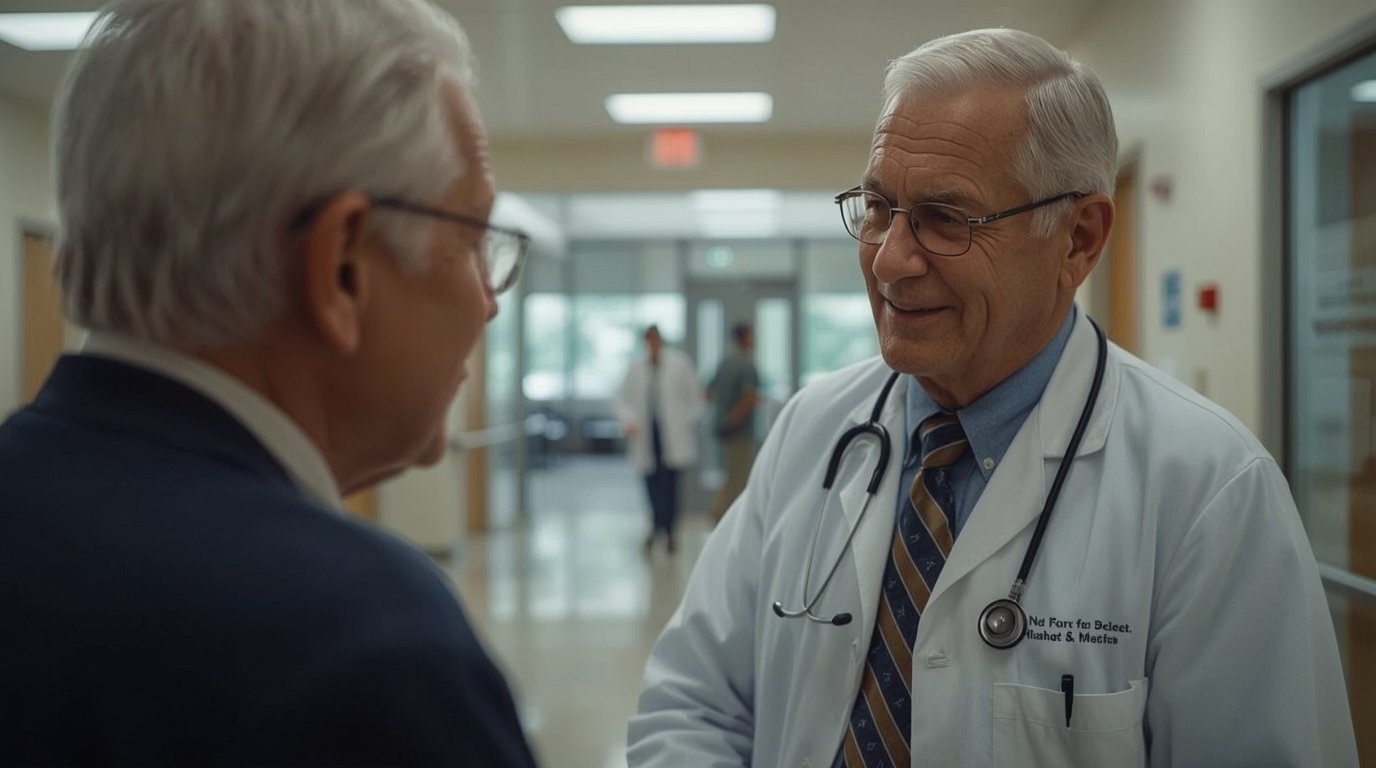
Additionally, community events focused on storytelling offer an intimate setting where veterans can share their experiences directly with the public. These events encourage dialogue, allowing attendees to ask questions and engage meaningfully with veterans’ accounts. This interaction can lead to increased awareness of the challenges many veterans face, including post-traumatic stress and reintegration struggles. By actively listening to their stories, communities can better support their local veterans and honor their sacrifices more profoundly.
In essence, engaging with veterans through personal narratives and oral histories enables a deeper understanding of their journeys. This practice not only preserves their stories for posterity but also establishes a continued connection with those who have bravely served. By valuing and amplifying these voices, we enrich the collective memory of our nations and pay tribute to the personal sacrifices embedded within their narratives.
Participating in Guided Tours and Storytelling Programs
Engaging in guided tours and storytelling programs at various memorial sites presents a unique opportunity to connect with veterans and honor their narratives. These immersive experiences allow participants to gain intimate knowledge about the historical events that shaped our nation’s military history, all while hearing firsthand accounts from veterans or knowledgeable guides. Storytelling programs, in particular, emphasize the importance of preserving personal histories, enabling veterans to share their experiences in a supportive environment.
Memorials across the country, such as the Vietnam Veterans Memorial, the National World War II Museum, and others, host various programs that highlight the emotional journeys of those who served. These guided tours not only provide a historical context for visitors but also foster an environment where the emotional weight of these stories can be fully appreciated. Participants often find themselves moved by the powerful accounts and the personal sacrifices made by veterans, creating a deeper understanding of the impact of war on individuals and families.
Moreover, these experiences facilitate meaningful conversations between veterans and visitors, bridging generational gaps and fostering mutual respect. Young people, in particular, can learn invaluable lessons about courage, resilience, and the importance of service to the country. The interactive nature of storytelling makes the past accessible and relevant, promoting reflection on the values that underpin our freedom and democracy.
Through participation in these guided tours and programs, individuals not only pay tribute to service members but also contribute to the ongoing dialogue about the significance of military service in society. By valuing the stories of veterans, we enrich our collective narrative and ensure that their sacrifices are never forgotten.
Reflecting on Artifacts and Memorabilia
The examination of personal artifacts, such as letters, photographs, uniforms, and journals, offers a profound means of connecting with the experiences of veterans. These tangible items often serve as a window into the past, providing insights into the emotions, thoughts, and realities faced by those who served. For many, encountering these artifacts can elicit strong feelings of empathy and understanding, bridging the gap between generations and enabling a more intimate connection to history.
Various programs and initiatives actively encourage veterans and their families to share these cherished artifacts alongside their personal stories. Such efforts not only preserve individual narratives but also contribute to a collective memory that honors the service and sacrifices made by veterans. By creating opportunities for veterans to display their memorabilia, these programs foster a sense of pride and recognition, allowing them to articulate their experiences in a meaningful way.
Among these initiatives are community exhibitions, museum programs, and storytelling workshops that invite veterans to present their artifacts. Through these platforms, invaluable stories unfold, each artifact representing a unique journey. For instance, a soldier’s uniform may evoke memories of crucial moments in battle while a handwritten letter home may reveal the personal struggles endured during deployment. Witnessing such items in person fosters a deeper appreciation for the veterans’ sacrifices and enriches the overall narrative of military history.
Furthermore, the sharing of memorabilia can facilitate inter-generational conversations, where younger individuals learn from the lived experiences of veterans. These discussions can significantly impact how society understands and values the sacrifices made during military service. Engaging with such artifacts not only honors the past but also serves as a vital reminder of the importance of remembrance and respect for those who have served.
Engaging in Story Collection and Sharing Projects
One meaningful way to honor veterans is through engaging in story collection and sharing projects. These initiatives play a vital role in preserving the rich tapestry of experiences that veterans have accumulated throughout their service. Programs such as “My Life, My Story” are designed specifically to gather and document the personal narratives of veterans, allowing their voices to resonate within communities and beyond. This initiative involves veterans recounting significant life events that shaped their identities, thus creating a deeper understanding of their journeys.
Individuals interested in contributing to these projects can explore various avenues. Participating in interviews is an effective way to connect directly with veterans, allowing for an authentic exchange of stories that reflect their unique experiences. Those who undertake the responsibility of conducting interviews can help ensure that the powerful narratives of veterans are not only heard but documented for future generations. These interviews are often transcribed and compiled into written formats, creating valuable resources for both history and education.
In addition to interviews, writing workshops present another opportunity for community members to engage with veterans. These workshops can foster a collaborative environment where participants can help veterans articulate their experiences creatively, whether through memoirs, poetry, or essays. The writing process can be extraordinarily therapeutic for veterans, offering them a platform to reflect on their service and share lessons learned from their past. Community events focused on storytelling can also be organized, providing a space for veterans to share their struggles and triumphs with a broader audience, ensuring that their legacies continue to inspire others.
By actively participating in these story collection and sharing projects, individuals contribute to a collective memory that honors the sacrifices of veterans while also highlighting their diverse experiences. Such engagement not only benefits the veterans but fosters a greater appreciation and understanding within the community, ensuring that their stories are preserved for years to come.
Practicing Active Listening and Empathy
Active listening and empathy are essential components when engaging with veterans and their families. Many veterans carry profound stories and experiences that shape their lives, and it is imperative to approach these conversations with genuine interest and respect. Active listening involves not only hearing the words spoken but also understanding the emotions and contexts behind those words. This practice fosters a safe environment for veterans to share their experiences, allowing them to feel valued and acknowledged.
One effective way to practice active listening is by maintaining eye contact and using non-verbal cues to demonstrate attentiveness. Nodding, leaning slightly forward, and refraining from interrupting are all actions that communicate to the speaker that their message is being absorbed and understood. Moreover, it is beneficial to ask open-ended questions that encourage thorough explanations and reflections. Questions such as, “Can you tell me more about your time in service?” invite veterans to elaborate on their experiences, creating a richer dialogue and deepening the connection.
In addition to promoting open communication, practicing empathy helps in recognizing and validating the feelings of veterans. Empathy is the ability to put oneself in another’s shoes, allowing for a more profound understanding of their unique experiences and perspectives. Simple acknowledgments, such as, “That sounds incredibly challenging,” or “I appreciate you sharing that with me,” can make a significant difference in how veterans perceive the conversation. This validation affirms their struggles and triumphs, further establishing a meaningful connection.
Overall, adopting an approach that emphasizes active listening and empathy creates an inviting atmosphere for veterans and their families, enabling them to share their narratives in a way that honors their service and sacrifices.
Using Storytelling Prompts for Reflection and Writing
Storytelling can be a powerful tool for veterans to reflect on their experiences, share their journeys, and preserve their memories for future generations. Engaging in this practice not only facilitates personal healing but also fosters understanding among communities that may not have direct connections to military life. The use of storytelling prompts can provide structure and direction, guiding veterans in articulating their unique narratives.
One effective prompt could be, “Describe a moment during your service that changed your perspective on life.” This encourages veterans to delve into profound experiences and reflect on how these moments have shaped their values and beliefs. Additionally, another compelling prompt might be, “What lessons did you learn from your time in the military that you would like to pass on?” This invites individuals to think about the insights gained from their service, promoting intergenerational dialogue and wisdom sharing.
Another suggestion is to ask veterans to consider, “What do you want future generations to understand about your experiences?” This prompt emphasizes the importance of storytelling as a means to educate and bridge the gap between military and civilian lives. By articulating their stories, veterans can illuminate the complexities of their experiences, fostering empathy and a deeper appreciation of their sacrifices.
Moreover, the prompt, “Write about a close bond formed with fellow service members,” can highlight the camaraderie and friendships that often define a service member’s experience. This exploration can be both nostalgic and therapeutic, reinforcing the idea that shared experiences foster resilience and support. Through these prompts, veterans can find not only a method to convey their stories but also a calms space for reflection and healing.
Attending Ceremonies and Memorial Events
Attending commemorative ceremonies and memorial events dedicated to veterans plays a significant role in honoring their stories and sacrifices. These gatherings serve not only as a platform for remembrance but also as an opportunity to forge deeper emotional connections with the history and experiences of our veterans. Through various activities such as parades, speeches, and testimonials, participants gain valuable insights into the lives of those who have served in the military.
One of the main aspects of these events is the personal narratives that veterans often share. Listening to their accounts offers attendees a unique perspective on the challenges and triumphs faced by service members, creating a bridge between generations. It is through these personal testimonies that individuals can better understand the profound impact that military service has on the lives of veterans and their families. Inviting veterans to speak at local events fosters a sense of community and encourages open dialogue about their experiences.
Moreover, commemorative ceremonies often focus on the themes of sacrifice, bravery, and patriotism. They serve as a reminder of the commitment and dedication shown by veterans, ensuring that their efforts are not forgotten. By participating in these events, individuals express gratitude towards those who served, acknowledging the pivotal role that these heroes played in shaping the nation. Such gatherings can also highlight the importance of supporting veterans in their post-service lives, emphasizing the need to uplift and honor their contributions beyond just historical remembrance.
Engaging in these ceremonies cultivates a cultural appreciation for the sacrifices made during wartime, promoting a collective responsibility to honor and support veterans. In conclusion, attending commemorative events is a meaningful way to connect with veterans, acknowledge their stories, and cultivate a deeper understanding of their sacrifices and contributions to society.
Honoring Service and Preserving Legacy
Connecting with veterans offers an extraordinary opportunity to honor their service while preserving their invaluable legacies. Engaging with the stories of these brave individuals is essential in acknowledging the sacrifices they made for their country. By establishing meaningful interactions with veterans, we not only celebrate their bravery but also gain insights into their experiences, struggles, and triumphs. This understanding fosters a deeper appreciation for their contributions, which can often be overlooked in contemporary society.
Preserving the narratives of veterans requires a commitment from all of us. It involves actively listening to their stories, documenting their experiences, and sharing these narratives with future generations. One effective way to ensure that these legacies endure is through oral history projects, where veterans can recount their experiences in their own words. These projects contribute significantly to the collective memory of our communities, allowing us to learn from the past and reflect on the present. Additionally, local veteran organizations and community events can serve as platforms to encourage storytelling, ensuring that their stories reach a broader audience.
Moreover, engaging with veterans can help bridge the generational divide between those who served and the youth. Educational programs that include veterans as guest speakers can provide students with firsthand accounts of military service, fostering respect and understanding. It is crucial that we provide avenues for veterans to share their legacies, whether it is through writing, public speaking, or participation in local events. By actively honoring their service and preserving their legacies, we contribute to a culture of remembrance that values the sacrifices made by those who served, ensuring that their stories continue to resonate for years to come.