Introduction to U.S. Veterans
U.S. veterans are individuals who have served in the armed forces of the United States, encompassing all branches including the Army, Navy, Air Force, Marine Corps, and Coast Guard. These brave men and women have undertaken military service to protect the freedoms and rights that define the nation. The roles and responsibilities of veterans vary widely, reflecting the diverse experiences and skills acquired during their service. Each veteran carries with them not just their unique military experiences but also a commitment to the values of duty, honor, and sacrifice.

for the $3,000 Special Allowance
The importance of veterans in society cannot be overstated. They contribute significantly to communities across the country while often facing unique challenges, such as reintegration into civilian life, mental health issues, and the need for comprehensive support services. Veterans’ services aim to address these challenges by providing necessary resources such as healthcare, education, and employment assistance. Various federal and state programs, along with nonprofit organizations, strive to ensure that veterans have access to the support they need to thrive after their service.
Historically, the contributions of U.S. veterans extend beyond military endeavors. They have played vital roles in shaping national policy, providing humanitarian assistance, and promoting international peace. Their experiences reflect the historical context of the times they served in, contributing to a rich tapestry of narratives that serve as reminders of the sacrifices made in their pursuit of duty. These stories are essential in understanding the profound impact veterans have had on the nation and its evolution.

As society continues to acknowledge the complexities of veterans’ experiences, it is essential to foster a supportive environment that recognizes their contributions while addressing the issues they face. Understanding the significance of veterans and the resources available to them is crucial for building a more inclusive society that honors their service.
The Evolving Role of the VA Forms
VA forms play a crucial role in the lives of U.S. veterans, serving as the primary means of accessing essential benefits and services. With the ongoing evolution in the processes of the U.S. Department of Veterans Affairs, recent changes have led to significant improvements in how veterans can navigate these bureaucratic requirements. The modernization of VA forms, including their design and digital accessibility, aims to streamline application procedures, thereby reducing the time and effort veterans must invest in obtaining the assistance they need.
In recent years, the VA has focused on simplifying forms and enhancing their usability. A notable initiative has been the transition toward a more digital-first approach, where veterans can complete and submit forms online. This shift not only simplifies the process but also allows for quicker responses from the VA. Additionally, the introduction of user-friendly interfaces and clear instructions has helped mitigate confusion, empowering veterans to better understand their rights and available benefits. These modernization efforts reflect a commitment to ensuring that veterans are met with efficiency and respect at every step of the application process.
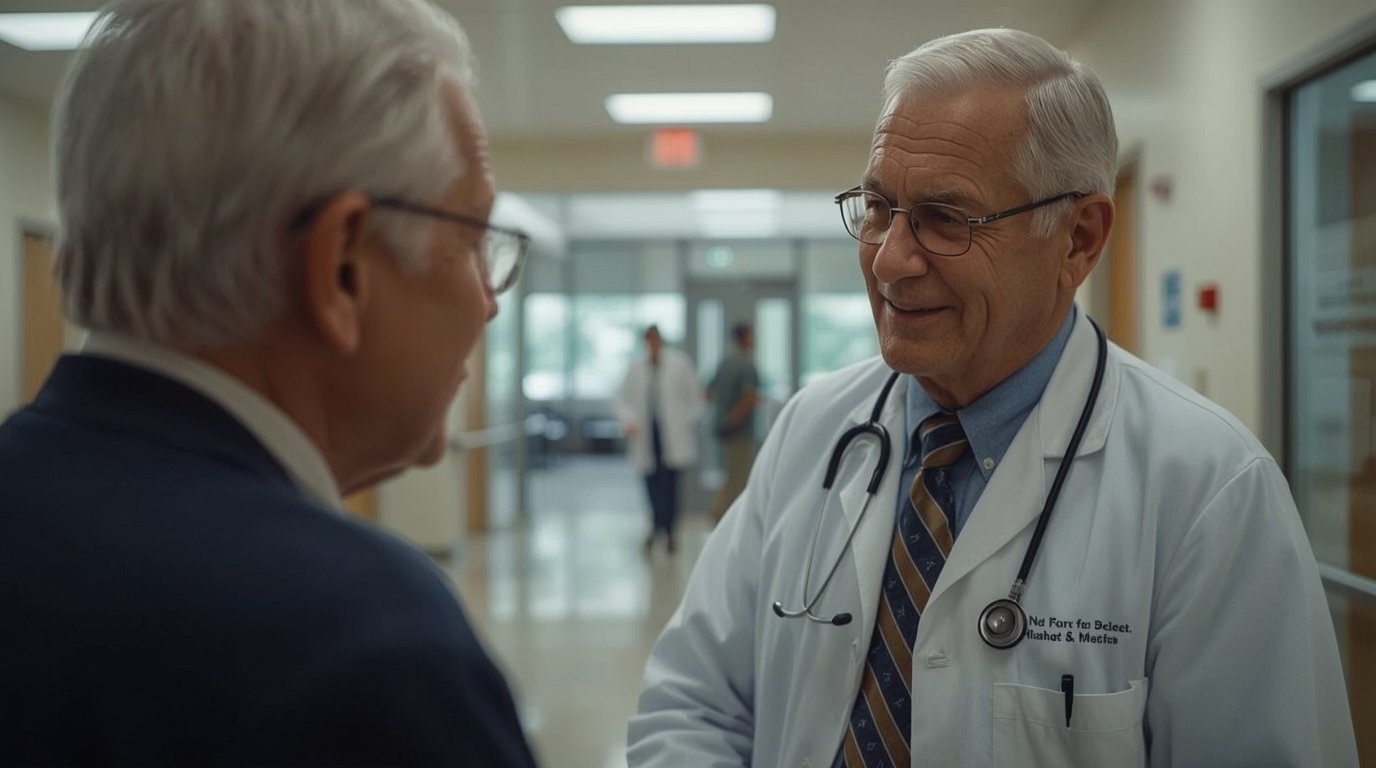
However, despite these advancements, veterans often encounter issues stemming from the bureaucratic nature of the VA. Common concerns include difficulties in understanding complex legal terminology and navigating the extensive requirements for certain forms. Furthermore, the sheer volume of paperwork can be daunting, leading some veterans to abandon their applications altogether. To address these challenges, the VA is working on various solutions, such as providing more comprehensive resources and support services, including dedicated helplines and assistance programs. These initiatives are designed to ensure that veterans feel supported and informed as they engage with the VA forms necessary for accessing their benefits.
Influence of Charlie Kirk and Turning Point USA
Charlie Kirk, a prominent conservative activist and founder of Turning Point USA (TPUSA), has played a significant role in advocating for the rights and benefits of U.S. veterans. Through a strategic blend of grassroots mobilization and social media engagement, Kirk and his organization have sought to raise awareness about the challenges faced by veterans, especially among younger demographics. Their campaigns often emphasize the importance of providing adequate support for veterans transitioning to civilian life, ensuring that they receive the benefits they have earned through their service.
Turning Point USA adopts a multifaceted approach to veterans’ advocacy that includes internet outreach, public rallies, and partnerships with veterans’ organizations. Their messaging consistently highlights issues such as the need for mental health services, employment opportunities, and access to educational resources tailored for veterans. By using relatable messaging and contemporary platforms, TPUSA effectively engages younger audiences who hold the potential to make a significant impact on veterans’ affairs in the long term. Through its programs, the organization encourages civic engagement among young people, urging them to advocate for veterans’ rights at both local and national levels.
The influence of Kirk and Turning Point USA extends beyond their immediate advocacy efforts; they also shape public perception about veterans in a broader context. By framing the narrative around veterans’ needs as an issue of national pride and responsibility, they manage to resonate with individuals across the political spectrum. This strategy is particularly effective in appealing to younger voters who are increasingly concerned about social justice issues, including the treatment of veterans. As the organization continues its efforts, the impact of Charlie Kirk’s advocacy on veterans’ affairs will likely remain a focal point for discussion, shaping policy agendas and community initiatives aimed at supporting this essential demographic.
Challenges Faced by Ex-Servicemen and Women
The transition from military to civilian life presents a myriad of challenges for ex-servicemen and women. One of the most pressing issues is mental health. Many veterans experience post-traumatic stress disorder (PTSD), anxiety, and depression due to their service and the traumatic experiences encountered during combat. These mental health challenges can greatly impact their daily lives, relationships, and overall well-being. Accessing effective mental health support remains a significant hurdle for many veterans, as there can be stigma associated with seeking help, compounded by the sometimes lengthy wait times for appropriate services.
Another significant challenge faced by veterans is reintegrating into the job market. Transitioning from a structured military environment to the less predictable civilian workforce can be difficult. Many veterans possess valuable skills gained during service, such as leadership and teamwork, but struggle to translate these into civilian terms that resonate with potential employers. Additionally, the competitive nature of the job market can make it hard for veterans to secure positions, particularly in industries where their skills may not be directly applicable or recognized.
Access to social services is yet another concern. Although various programs are in place to assist veterans, navigating the complexities of these systems can be daunting. Whether it is understanding benefits related to healthcare, education, or housing, ex-servicemen and women often find themselves overwhelmed with paperwork and requirements. This lack of clarity can deter them from seeking out the resources they need, ultimately impacting their social and economic stability. Recognizing and addressing these unique challenges is essential for improving the quality of life for U.S. veterans as they transition into civilian settings.
The National Guard: A Vital Component of Veteran Services
The National Guard plays a crucial role in the ecosystem of veteran services across the United States. This unique branch of the military operates under both state and federal authority, allowing its members to serve their communities and their country simultaneously. As such, the National Guard provides a distinctive perspective and set of resources tailored to the specific needs of veterans.
National Guardsmen often transition to civilian life while retaining ties to military service, which fosters a relationship with the veteran community that differs from that of active-duty personnel. Many veterans feel a strong kinship with Guardsmen, as they navigate the complexities of post-service support. This connection offers veterans access to resources and guidance that can significantly ease their transition into civilian life. Moreover, the National Guard has developed various support mechanisms, such as outreach programs and community initiatives that facilitate reintegration, educational benefits, and mental health services for veterans.
Another essential aspect of the National Guard’s involvement with veterans is its emergency response capabilities. In times of crisis, National Guardsmen often find themselves on the front lines, assisting communities affected by natural disasters or other emergencies. This commitment extends beyond just active duty, with many Guardsmen volunteering to support local veteran organizations during off-duty hours. Such engagement enriches the veteran support network and offers a platform for veterans to connect with one another, share experiences, and access valuable resources.
As a vital component of veteran services, the National Guard embodies a commitment to service that bridges the gap between military and civilian life. Through their unique position and proactive initiatives, they are instrumental in addressing the needs of veterans and fostering a supportive community that recognizes their sacrifices and contributions to society.
Honoring Medal of Honor Veterans
The Medal of Honor serves as the highest military decoration awarded by the United States government. It honors service members who have demonstrated extraordinary valor in combat, inspiring generations of Americans with their selfless acts and courage. Recipients of the Medal of Honor exemplify the spirit of duty and patriotism, often placing their lives at grave risk to protect their fellow soldiers and civilians during times of conflict. Their stories are not only significant for their historical value but also for the profound effect they have on national identity and community values.
Recognizing the valor of Medal of Honor veterans is paramount to honoring their sacrifices and contributions. Various initiatives at federal, state, and local levels are dedicated to ensuring that these heroic individuals receive the respect and acknowledgment they deserve. The annual Medal of Honor Day is one such initiative, where events are held to celebrate the remarkable legacies of the honorees. In addition, various organizations have launched campaigns to share their stories through educational programs and public exhibitions, thereby fostering a deeper appreciation for their extraordinary acts of bravery.
Moreover, ongoing efforts are present to enhance recognition and support for all veterans, including Medal of Honor recipient initiatives that facilitate a stronger bond between veterans and their communities. This is reflected in legislation designed to bolster benefits, improve healthcare access, and ensure comprehensive mental health support for veterans. Partnerships with non-profit organizations further contribute to the mission of promoting outreach programs focused on education, historical preservation, and veterans’ rights. These collective efforts are vital in ensuring that the sacrifices made by Medal of Honor recipients and all veterans are honored and remembered, thus reinforcing their crucial role in shaping the nation’s history and values.
ICE News Impacting Veterans
Recent developments in Immigration and Customs Enforcement (ICE) news have significant implications for U.S. veterans, particularly those hailing from immigrant backgrounds. The intersection of immigration policy and veteran rights has become increasingly pertinent, as many veterans who are immigrants face unique challenges that can affect their access to benefits and services.
As the political landscape evolves, shifts in immigration enforcement policies may inadvertently place stress on veterans with immigrant status. It is crucial to recognize that veterans, regardless of their immigration background, have earned certain rights and benefits through their service. However, the complexities of immigration laws often lead to confusion regarding these entitlements. For instance, the eligibility of immigrant veterans for VA benefits has been a subject of scrutiny, creating anxiety within this community.
An essential aspect of the current situation is the fear that immigration enforcement could target veterans, especially those with non-citizen statuses. Such fear may discourage immigrant veterans from seeking care from the Department of Veterans Affairs (VA) or participating in peer support programs that are vital for mental and physical health. The recent narratives in ICE news could further exacerbate these fears, leading to a decline in the engagement of immigrant veterans with necessary services.
Furthermore, the impact on family members of veterans cannot be overlooked. As veterans navigate the challenges posed by ICE news, their spouses and children, who may have distinct immigration statuses, also find themselves at risk. This holistic approach highlights the necessity for advocacy groups to engage with lawmakers to protect the rights of these veterans and ensure they can access the healthcare and support services they deserve.
As we move forward, it is vital for policymakers and veteran advocacy groups to address the interplay between immigration policies and veteran benefits to foster a more inclusive environment for all U.S. veterans.
Current Trends in Veterans’ Benefits and Support
As of September 2025, the landscape of veterans’ benefits and support has undergone significant changes, reflecting the evolving needs of those who have served in the U.S. Armed Forces. Recent statistics indicate a marked increase in the utilization of healthcare services among veterans, with a notable shift towards integrated care models that address both physical and mental health issues. According to data from the Veterans Health Administration, more than 9 million veterans accessed healthcare services in the last fiscal year, demonstrating a 15% increase compared to previous years.
Furthermore, housing assistance programs have expanded, promoting stability among veterans transitioning to civilian life. The Department of Veterans Affairs (VA) reported a 20% rise in the housing vouchers allotted to veterans, aimed at reducing homelessness and providing affordable housing solutions. Accessible programs like the HUD-VASH (Department of Housing and Urban Development-Veterans Affairs Supportive Housing) have emerged as vital resources, uniquely addressing the housing crisis faced by many veterans, especially among those who are part of underserved populations.
In terms of educational benefits, the Post-9/11 GI Bill continues to be a cornerstone for veterans pursuing higher education. Data from the National Center for Education Statistics shows that veterans utilizing this benefit have increased enrollment in college programs by 25% since its inception. Additionally, online education avenues are gaining traction, with more veterans seeking flexible learning options that cater to their unique circumstances. Institutions of higher learning are responding to this trend by developing tailored programs and services that accommodate veterans’ needs, resulting in improved graduation rates.
Overall, these trends highlight the ongoing efforts to provide comprehensive support for veterans. As benefits evolve, it is crucial to ensure that all veterans, including those from marginalized communities, can access the necessary resources for successful integration into civilian life.
Looking Forward: The Future of Veterans Affairs
As we look to the future of veterans’ affairs, significant trends and potential legislative changes are on the horizon. The ongoing evolution of policies supporting veterans is crucial to addressing their unique needs and enhancing their quality of life. In recent years, there has been a push for improvements in health care access, emphasizing the use of telehealth services. This trend is expected to continue, allowing veterans to receive care in a more timely and convenient manner, particularly for those in rural areas where access to facilities is limited.
Emerging legislation is expected to focus on further expanding educational benefits and vocational training programs. Initiatives like the Montgomery GI Bill and Post-9/11 GI Bill have proven vital in facilitating veterans’ transitions into civilian life. Lawmakers are likely to explore amendments to these programs, ensuring they remain relevant to the current job market and adequately support career development. Additionally, as a response to rising concerns about mental health, there will likely be increased funding for mental health services tailored to veterans. Efforts to combat stigmas associated with seeking mental health assistance will also play a key role in this regard.
In the context of veterans’ advocacy, it is essential to foster collaboration between governmental bodies, non-profits, and service organizations. Increased engagement with veterans’ communities will provide valuable insights into their evolving needs, informing advocacy efforts and resulting in more targeted services. The growing use of technology, including mobile applications and online platforms, for service access and information dissemination is another significant development worth noting. As more veterans utilize these platforms, it will be paramount for organizations to ensure user-friendliness and relevant content delivery.
In conclusion, the future of veterans’ affairs appears promising, with numerous opportunities for improvement in services and support systems aimed at safeguarding the well-being of veterans and their families. Continuous adaptation to the societal changes will ultimately facilitate a better integration of veterans into the civilian landscape, ensuring they receive the deserved recognition and care.