Introduction to U.S. Veterans Affairs in 2025
As of September 2025, the landscape of U.S. Veterans Affairs has undergone notable transformations, reflecting both societal changes and the government’s commitment to the welfare of veterans. With millions of individuals having served in the military, it is imperative that their needs and contributions are acknowledged and supported. The Department of Veterans Affairs (VA) plays a critical role in ensuring that veterans receive the benefits and services to which they are entitled, thereby facilitating their reintegration into civilian life.

for the $3,000 Special Allowance
In recent years, there has been increasing recognition of the importance of mental health care, access to quality healthcare services, and employment opportunities for veterans. Many organizations, in collaboration with the VA, have been actively working to address these issues, ensuring that veterans are not only honored for their service but also provided with necessary resources and support systems. This proactive approach aims to enhance the overall well-being of veterans and their families, emphasizing a holistic view of veteran welfare.
The government has also introduced initiatives aimed at streamlining processes for veterans to access benefits, which is crucial for minimizing bureaucratic hurdles. These initiatives may include improved technology for claims processing, online access to resources, and greater communication with veteran communities. Moreover, policymakers continue to assess and implement reforms based on feedback from veterans to address their unique challenges effectively.

As we delve into the current trends and key developments impacting veterans and the VA system, it is essential to acknowledge the ongoing efforts across various sectors to create a supportive environment for those who have served in the military. This commitment not only solidifies their place in society but also underscores the moral obligation of the nation to uphold the promises made to them.
Current Trends in Veteran Employment
The employment landscape for U.S. veterans has undergone significant changes in recent years, reflecting the evolving demands of the job market and the unique skills veterans bring to the civilian workforce. As of September 2025, the job placement rate for veterans has shown a positive trajectory, with recent statistics indicating an increase in employment among veterans compared to previous years. According to the U.S. Bureau of Labor Statistics, the unemployment rate for veterans stands at a commendable level, evidencing the effectiveness of various initiatives aimed at enhancing job opportunities for this demographic.
Industries that are particularly active in hiring veterans include healthcare, technology, transportation, and manufacturing. These sectors value the diverse skill sets veterans possess, such as leadership, problem-solving, and the ability to work effectively under pressure. Many veterans transition seamlessly into roles that require technical expertise, especially in fields like cybersecurity, where their military training provides a strong foundation. Furthermore, companies increasingly recognize the advantages of veteran employees, contributing to a growing trend of veteran-friendly hiring practices.
In response to the persistent challenges of veteran unemployment, multiple initiatives have been introduced to further enhance job accessibility for veterans. Non-profit organizations and government agencies are collaborating to provide tailored job placement services, resume assistance, and interview coaching specifically designed for veterans. Additionally, skills training programs have emerged as a critical resource, equipping veterans with the necessary competencies to thrive in civilian roles. These programs not only improve job readiness but also help bridge the gap between military experience and civilian employment expectations.
A combination of statistical trends, industry engagement, and dedicated support services illustrates the concerted efforts to support veterans in their transition to civilian employment. Understanding these trends is vital for stakeholders involved in veteran affairs, as they reflect the ongoing commitment to address the employment needs of those who have served the nation.
Health Care Developments for Veterans
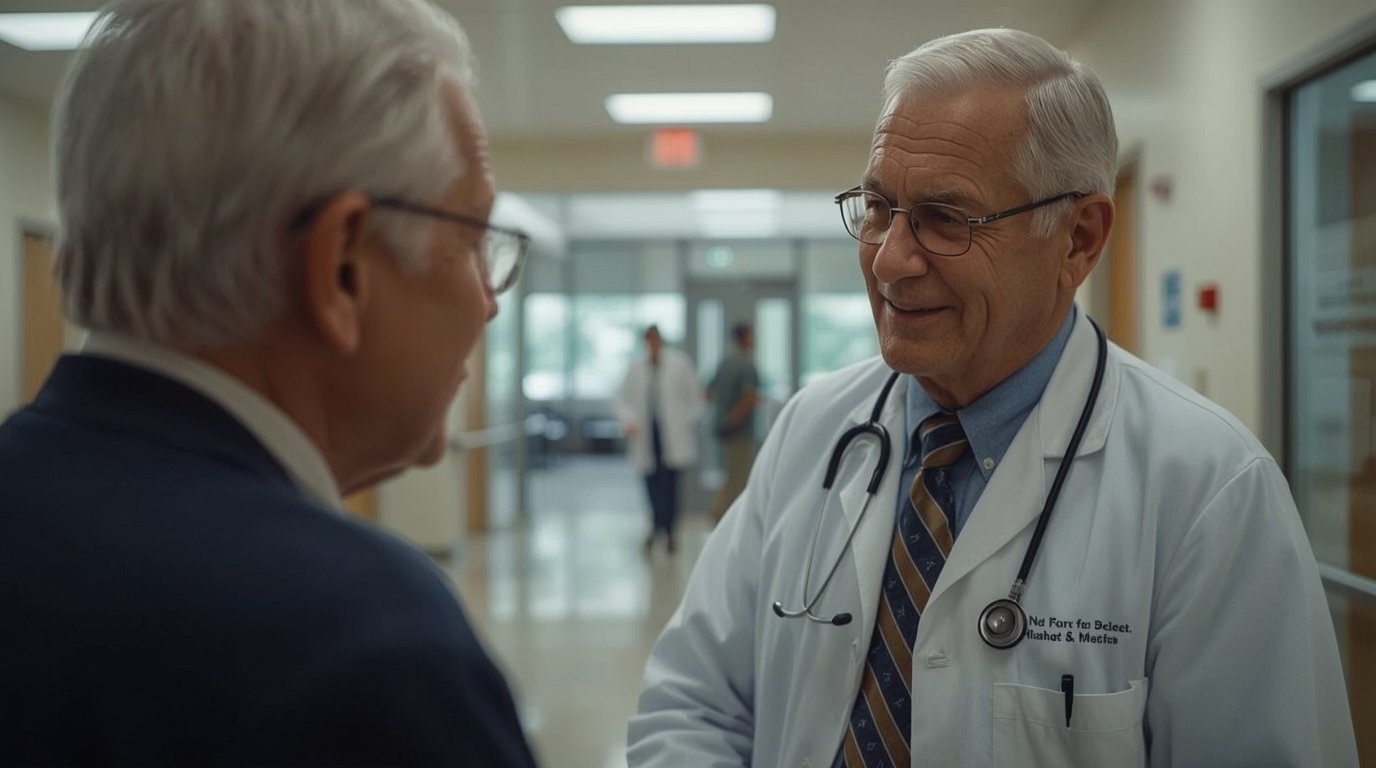
In recent years, the Department of Veterans Affairs (VA) has made significant advancements in health care services tailored for veterans. Central to these developments is the enhancement of mental health programs, which have gained momentum in recognition of the unique challenges faced by veterans returning to civilian life. The VA has expanded its mental health initiatives to include comprehensive therapy options, crisis intervention services, and peer support groups. These resources aim to address issues such as post-traumatic stress disorder (PTSD), depression, and anxiety, which are prevalent among veterans. The focus on mental health parallels a broader understanding of the importance of psychological well-being in the healing process.

In addition to mental health programs, telehealth services have seen considerable growth within the VA framework. The COVID-19 pandemic catalyzed this expansion, proving the efficacy of remote consultations in delivering health care. Veterans can now access medical professionals via online platforms, allowing for convenient appointments without the necessity of traveling long distances to VA facilities. This not only improves access to care for veterans in rural areas but also streamlines the process for those with mobility challenges. The VA’s commitment to telehealth is further exemplified by the introduction of new training programs for health care providers to ensure they can effectively engage with veterans through digital mediums.
Furthermore, the VA has placed a strong emphasis on community care options, allowing veterans to seek medical attention from local providers outside of traditional VA facilities. This initiative is particularly beneficial for those residing in areas with limited access to VA health care services. By collaborating with community-based organizations and health systems, the VA broadens the network of care options available to veterans, providing them with more choices and flexibility in their health care journey. Through these ongoing developments, the VA demonstrates a commitment to adapting to the evolving health care needs of U.S. veterans, ensuring they receive comprehensive and compassionate care.
Legislation Impacting Veterans in 2025
In September 2025, the legislative landscape for U.S. veterans is experiencing significant transformations, as various new laws have been enacted to enhance the comprehensive support structure for veterans and their families. Among these legislative changes, the introduction of the Veteran Assistance Advancement Act stands out, which aims to streamline the benefits application process. This new law is anticipated to reduce bureaucracy and wait times, allowing veterans to access essential services and benefits more swiftly. The emphasis on reducing administrative hurdles reflects a broader trend towards improving the efficiency of the Department of Veterans Affairs (VA).
Another critical development is the expansion of healthcare benefits through the Healthcare for Heroes initiative. This legislation provides enhanced access to mental health services, recognizing the growing need for mental health support within the veteran population. The initiative not only aims to improve direct healthcare services but also emphasizes the importance of preventive care and holistic treatment approaches. By prioritizing mental health, this law seeks to address issues such as post-traumatic stress disorder (PTSD) and depression, which are prevalent among veterans.
In addition to the newly introduced laws, existing legislation has seen amendments that focus on the financial stability of veterans. The Veteran Family Support Act, which provides financial assistance and resources to veteran families, has been bolstered with additional funding, ensuring that more families can benefit from the program. This initiative highlights the importance of supporting veteran families as they navigate the challenges associated with service-related issues.
Overall, the legislative changes in 2025 signify a concerted effort to enhance the quality of life for veterans across various facets. By focusing on improving benefits, healthcare access, and support systems for families, the U.S. government is taking decisive steps towards fostering a more robust environment for its veterans. These changes hold the promise of creating a more responsive and effective framework to meet the ever-evolving needs of those who have served the nation.
Support for Women Veterans
Women veterans represent a significant and often overlooked demographic within the U.S. military community. As the number of women serving in the armed forces continues to rise, the Department of Veterans Affairs (VA) has increasingly focused on addressing the unique needs of this group. One critical area of support relates to gender-specific health services. The VA has established comprehensive healthcare programs that cater specifically to women veterans, offering services ranging from reproductive health to mental health support that acknowledges the distinct experiences of women during and after military service.
Moreover, there are ongoing career support initiatives designed specifically for women veterans. These programs aim to facilitate the transition to civilian life, providing targeted training and resources to help women secure employment in various fields. Networking events, mentorship programs, and specialized job boards have been implemented to connect women veterans with potential employers who recognize the value of their military experience. Such initiatives not only enhance economic opportunities for these veterans but also help to foster a sense of community and belonging among them.
Advocacy efforts play a crucial role in improving recognition of women’s contributions in the military. Various organizations and coalitions dedicated to veterans’ issues promote awareness of the challenges women face and work toward policy changes that ensure equitable treatment. Increased visibility in military history, public recognitions, and the promotion of women into leadership roles within veteran organizations highlight the importance of acknowledging their service. The ongoing efforts of these advocacy groups continue to build momentum, contributing to a culture that values diverse experiences and perspectives within the veteran community.
Challenges Facing U.S. Veterans Today
As we examine the landscape of support for U.S. veterans in September 2025, numerous challenges persist, affecting their well-being and reintegration into civilian life. Mental health struggles remain a significant concern. Many veterans experience conditions such as PTSD, anxiety, and depression, often exacerbated by the transition from military to civilian life. Access to mental health services varies widely depending on location and availability, leaving many without the necessary support. The Department of Veterans Affairs (VA) has made strides in improving mental health resources, yet barriers such as stigma and insufficient outreach continue to hinder veterans from seeking help.
Homelessness is another pressing issue that continues to challenge veterans. Despite various programs aimed at reducing veteran homelessness, a substantial number still find themselves without stable housing. Factors contributing to this crisis include lack of affordable housing, economic instability, and relationship breakdowns. Community-based organizations, in collaboration with the VA, are working diligently to provide housing solutions and support services to help veterans secure permanent homes. These initiatives often focus on rapid rehousing programs and transitional facilities that offer both shelter and case management services to facilitate a smooth transition back into a stable living situation.
Substance abuse is an additional challenge that many veterans face, often as a coping mechanism for unaddressed trauma or mental health issues. The intersection of substance use disorders and veteran populations calls for tailored treatment approaches that recognize the unique experiences and needs of this demographic. Local communities and veteran organizations are implementing innovative programs aimed at prevention and recovery, combining therapy with skills development to create a holistic approach to combating addiction.
Ultimately, it is imperative to establish comprehensive support systems that address the multifaceted challenges facing veterans today. Collaborative efforts among government bodies, non-profit organizations, and local communities are essential in creating sustainable solutions that honor the service and sacrifice of those who have defended the nation.
Innovative Services and Programs by the VA
The Department of Veterans Affairs (VA) has continually sought to enhance the quality of life for veterans through innovative services and programs. In September 2025, several key developments have come to the forefront, reflecting the VA’s commitment to adapt to the evolving needs of the veteran community. A major focus of these programs is the utilization of technology to ensure that veterans receive timely and effective support.
One notable initiative is the expansion of telehealth services, which allows veterans to engage with healthcare providers from the comfort of their homes. This program not only improves access to essential health services, especially for those in remote areas, but also reduces the burden of travel for many veterans. The integration of telehealth into the VA’s service offerings signifies a progressive step toward modernizing veteran healthcare, thereby enhancing convenience and satisfaction.
Community engagement has also been a critical component of the VA’s innovative programs. The establishment of veteran-led mentorship networks aims to foster a sense of belonging among veterans while providing guidance for reintegration into civilian life. These networks engage veterans in peer-support roles, helping them share experiences and tools for success, thereby strengthening community ties and improving mental wellbeing.
Further, the VA has introduced holistic wellness programs that encompass not just physical health, but also emotional and spiritual well-being. These initiatives include mindfulness training, yoga sessions, and art therapy, all designed to address the comprehensive health needs of veterans. By adopting a holistic approach, the VA acknowledges the complexity of veteran wellness and seeks to support veterans in leading fulfilling lives.
Through these innovative services and programs, the VA demonstrates a firm commitment to improve the lives of veterans, leveraging technology, community involvement, and a holistic approach to wellness that is both effective and adaptable to the diverse needs of this population.
The Role of the National Guard and Reserves
The National Guard and Reserves have assumed a pivotal role in supporting veterans, especially as the dynamics of military service and reintegration evolve. Traditionally known for their state defense capabilities and operational readiness during emergencies, these forces are increasingly becoming integral in addressing the needs of former service members. Through various initiatives, the National Guard and Reserves provide essential services that bolster the transition to civilian life, offering resources that range from healthcare to job placement.
A vital aspect of the National Guard’s commitment to veterans is their collaborative relationship with the Department of Veterans Affairs (VA). This partnership fosters an environment where essential services such as mental health support, educational benefits, and vocational training are readily accessible. The Guard’s programs, like Yellow Ribbon Reintegration Programs, play a significant role in informing veterans about available resources and facilitating support systems that aid in their adjustment to civilian life.
Moreover, as National Guard and Reserve personnel are often part-time members who balance civilian careers with military obligations, their unique perspective helps shape policies that directly affect veterans. This insider’s view informally bridges both worlds, highlighting the challenges faced during reintegration that may not be evident to full-time military personnel or VA staff. As such, their engagement ensures that the landscape of veteran support services is both comprehensive and relevant.
As the current trends indicate, the National Guard and Reserves are not merely military entities; they are essential components of a holistic approach to veteran affairs. Their involvement will likely continue to grow, reflecting the changing needs of veterans as they navigate post-service challenges. By fostering strong alliances with the VA, they enhance the support network available to those who have served, thus reinforcing the commitment to ensuring that veterans receive the care and resources they deserve.
Community and Non-Profit Initiatives for Veterans
In recent years, numerous community-based and non-profit initiatives have emerged to support the unique needs of U.S. veterans. These organizations play a pivotal role in enhancing the quality of life for veterans, providing essential services ranging from mental health support to employment assistance. A prime example is The Veterans of Foreign Wars (VFW), which has continuously worked to improve veteran welfare through various programs including financial assistance, scholarships, and community outreach. Their efforts reinforce the idea that veterans should have access to resources that honor their sacrifices and help transition them into civilian life.
Moreover, organizations like the Wounded Warrior Project (WWP) have gained significant attention for their comprehensive approach to veteran care. By offering an array of services, such as mental health programs, physical rehabilitation, and sports events, WWP empowers veterans to lead fulfilling lives. Their initiatives are not only focused on physical recovery but also aim to foster camaraderie among veterans, mitigating feelings of isolation that many may experience post-deployment.
Collaboration between the Department of Veterans Affairs (VA) and local nonprofits has proven to be effective in tackling various challenges faced by veterans. For instance, the integration of resources from local shelters and job training programs with the VA has facilitated a smoother transition for homeless veterans. These partnerships have provided individuals with housing stability and employment opportunities, significantly improving their overall well-being.
As communities rally around their veterans, grassroots initiatives also play a crucial role. Local efforts, such as veteran support groups and mentorship programs, provide personalized assistance that directly addresses the diverse needs of veterans. The collective impact of these community-based initiatives exemplifies a shared commitment to ensuring veterans receive the necessary support to thrive. Through these collaborative efforts, a brighter future for America’s veterans is on the horizon.