

Introduction
In recent years, the landscape of medical treatment has evolved significantly, particularly with the increasing recognition of alternative therapies such as medical cannabis. A pivotal development in this area is the recent policy change that allows Department of Veterans Affairs (VA) doctors to recommend medical cannabis to their patients. This adjustment marks a significant shift in the approach towards veteran healthcare, enhancing their access to treatment options that may better meet their needs.

for the $3,000 Special Allowance
For veterans coping with conditions such as chronic pain, post-traumatic stress disorder (PTSD), and other service-related ailments, access to effective and compassionate care is vital. The integration of medical cannabis into the VA healthcare system represents an important step towards acknowledging the diverse needs of those who have served in the military. By permitting VA physicians to recommend cannabis, the institution is broadening its treatment modalities and signaling a willingness to explore innovative alternatives that could improve veterans’ quality of life.
This policy change comes at a time when the scientific community is increasingly recognizing the therapeutic potential of cannabis. Research studies have indicated that cannabis may effectively alleviate symptoms associated with various medical conditions, prompting many healthcare systems worldwide to adopt more lenient approaches. Within this context, the VA’s decision to allow its physicians to recommend medical cannabis not only offers new hope for veterans seeking relief but also aligns with broader initiatives aimed at improving the overall healthcare experience for this unique population.

The integration of medical cannabis into VA healthcare guidelines emphasizes the importance of patient-centered care. As veterans face distinct challenges and unique health issues, the ability of VA doctors to recommend medical cannabis creates a pathway for personalized and effective treatment strategies. This approach ultimately underscores the commitment of the VA to enhance the holistic well-being of veterans by exploring all available therapeutic alternatives in their healthcare endeavors.
Background on VA Healthcare System
The Department of Veterans Affairs (VA) healthcare system serves as the primary source of medical services for American veterans. Its mission is to provide timely and high-quality care, ensuring that the unique healthcare needs of veterans are adequately addressed. Established in its current form in 1930, the VA has undergone significant transformations to adapt to the evolving landscape of healthcare, including integration of alternative therapies such as medical cannabis. This evolution reflects the increasing recognition of holistic approaches to wellness among healthcare providers.
Historically, veterans encountered numerous barriers when accessing healthcare services, including long wait times, limited availability of specialized care, and restrictive policies concerning alternative medicine. These challenges often compounded the difficulties faced by veterans dealing with service-related health conditions. Over the years, the VA has made concerted efforts to eliminate these barriers. The transition toward a more inclusive healthcare model is driven by the understanding that many veterans seek alternative treatments for conditions such as chronic pain, PTSD, and anxiety disorders.
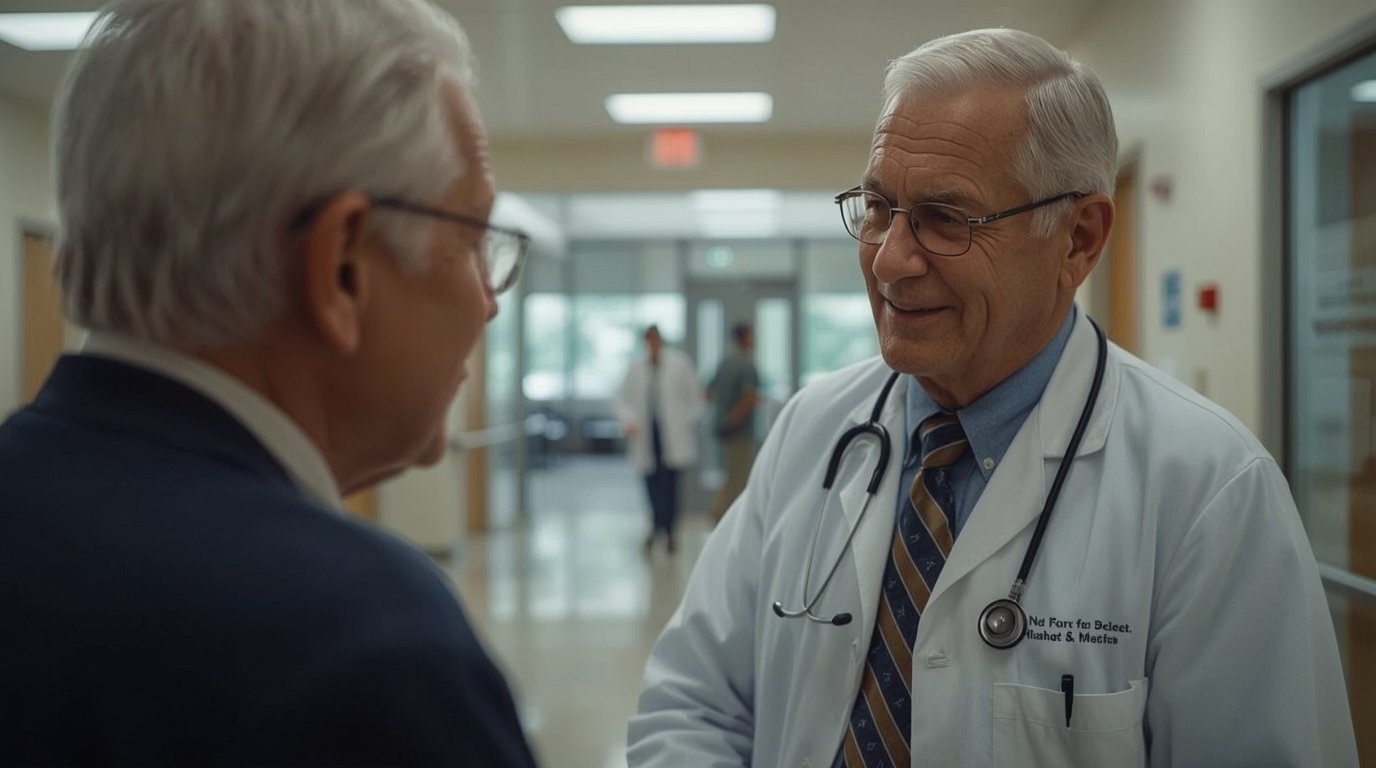
In recent years, the VA has recognized the potential benefits of incorporating medical cannabis into its treatment protocols, aligning with a growing body of research suggesting that cannabis may alleviate certain symptoms. The VA’s evolving policy reflects a broader commitment to innovative healthcare solutions that prioritize the physical and mental well-being of veterans. This shift is part of the VA’s overarching goal to enhance the quality of care provided, ensuring that veterans have access to a comprehensive suite of therapeutic options.
Ultimately, the VA’s commitment to integrating alternative therapies not only sheds light on its responsiveness to emerging healthcare trends but also reinforces its dedication to meeting the diverse needs of those who have served in the armed forces.
Streamlined Access to Community and Alternative Care
The recent policy changes implemented by the Department of Veterans Affairs (VA) signify a transformative shift for veterans seeking healthcare. One of the most notable advancements is the improved access to community and alternative care options, allowing veterans to receive the treatment they need from non-VA providers. This decision is particularly consequential for veterans who may experience challenges within the traditional VA healthcare system, including long wait times or geographical barriers that limit their healthcare options.

The removal of obstacles previously preventing veterans from seeking care outside of the VA system has opened up a spectrum of healthcare choices. Veterans can now explore a wider range of treatments and providers, enhancing their ability to find the right healthcare solutions for their individual needs. This is especially important in recognizing that each veteran’s journey is unique, necessitating a more personalized approach to healthcare that encompasses various treatment modalities, including alternative therapies.
A significant facet of these policy changes is the increasing acceptance of medical cannabis as a viable treatment option. With the ability for VA doctors to recommend cannabis, veterans are presented with a cutting-edge alternative for managing a host of conditions, particularly chronic pain, mental health disorders, and other debilitating ailments. The inclusion of cannabis therapy fits seamlessly into the larger framework of expanded healthcare options designed to prioritize the well-being of veterans.
In this context, the streamlined access to community care not only broadens the landscape of treatment choices available to veterans but also empowers them to make informed decisions about their health. By facilitating easier access to non-VA providers and embracing alternative treatment options like medical cannabis, the VA is significantly enhancing the overall healthcare experience for veterans. As the integration of these policies continues to evolve, it is anticipated that they will fundamentally improve health outcomes for those who have served our nation.
Integrating Alternative and Conventional Treatments
The evolving landscape of healthcare increasingly recognizes the value of integrating alternative medicine with conventional treatments. This integration is particularly relevant within the Veterans Affairs (VA) healthcare system, where traditional methodologies are supplemented with holistic approaches aimed at improving the overall well-being of veterans. Key to this integration is the ability of VA doctors to recommend medical cannabis, which has gained traction as an alternative treatment option for various health conditions commonly experienced by veterans.
Holistic care emphasizes the whole person rather than a specific illness, factoring in physical, mental, and emotional health. By adopting this comprehensive approach, VA healthcare practitioners can create more tailored treatment plans that address the diverse needs of veterans. There’s an increasing body of evidence that supports the efficacy of medical cannabis in treating a range of symptoms, including chronic pain, anxiety, and post-traumatic stress disorder (PTSD). By incorporating such alternative therapies, VA doctors can provide veterans with a more expansive toolkit for managing their health.
The recommendation of medical cannabis not only diversifies treatment options but also fosters a collaborative model of care. This is essential in ensuring that veterans receive coordinated care that combines the best of both worlds—traditional pharmaceuticals and alternative treatments. As VA doctors become more empowered to endorse medical cannabis, they cultivate an environment that encourages open dialogue about treatment preferences, thereby aligning care with veterans’ individual values and needs.
Overall, integrating alternative and conventional treatments through the recommendation of medical cannabis represents a significant advancement in veteran healthcare. By embracing this multidimensional approach, VA healthcare practitioners can enhance treatment efficacy and promote better health outcomes for veterans, ultimately addressing the unique challenges they face.
Support for Mental Health and Chronic Conditions
The growing recognition of mental health and chronic pain conditions among veterans demands innovative approaches in treatment. For many veterans, the psychological effects of combat and military life increase the prevalence of issues such as post-traumatic stress disorder (PTSD), anxiety, and depression. Traditional medical routes often provide limited relief, leading affected individuals to seek alternative therapies. The ability of VA doctors to recommend medical cannabis represents a significant step in expanding treatment options for veterans, integrating cannabis as a complementary and alternative medicine (CAM) alongside conventional therapies.
Research indicates that cannabis may have specific therapeutic benefits that can aid in alleviating symptoms associated with various mental health issues and chronic conditions. Cannabinoids, the active compounds found in cannabis, interact with the endocannabinoid system in the body, potentially reducing anxiety and stress levels while promoting a sense of well-being. Furthermore, veterans experiencing chronic pain can find relief through cannabis without the substantial side effects commonly associated with opioid medications. This emergence of cannabis as a viable option aligns with a broader trend toward recognizing the importance of holistic health practices in veteran care.
The incorporation of medical cannabis into treatment plans also signifies a shift towards a more personalized, patient-centered approach. By enabling VA doctors to issue recommendations for medical cannabis, veterans gain access to a medically supervised option that can be tailored to their individual needs. Incorporating cannabis into the discussions around CAM empowers patients and encourages open conversations about their experiences and preferences, fostering a more supportive and understanding environment. Such advancements not only enhance the quality of veteran care but also address the pressing need for effective, multi-dimensional strategies that cater to the diverse challenges faced by veterans today.
Empowerment Through Informed Choices
In recent years, the discourse surrounding medical cannabis has evolved significantly, particularly regarding its use among veterans seeking relief from various health conditions. Removing restrictions on the ability of VA doctors to recommend medical cannabis has the potential to significantly enhance veterans’ engagement in their healthcare journeys. This change represents a pivotal shift toward empowering veterans, allowing them to make informed choices regarding their treatment options.
Veterans often face unique physical and mental health challenges, including chronic pain, PTSD, and anxiety. As traditional treatments may not always provide sufficient relief or come with undesirable side effects, the availability of medical cannabis may offer a viable alternative. By enabling VA doctors to recommend cannabis, veterans can explore additional therapeutic avenues and actively participate in decisions that affect their health outcomes.
Furthermore, informed treatment choices are essential for fostering a sense of agency among veterans. When veterans are presented with a range of options—ranging from conventional medication to holistic therapies like medical cannabis—they can make decisions that are tailored to their individual needs and preferences. This personalized approach to healthcare not only enhances satisfaction but also promotes a stronger sense of ownership over one’s health.
Access to diverse treatment modalities can also facilitate productive discussions between veterans and their healthcare providers. Open dialogues about medical cannabis can lead to a better understanding of its potential benefits and risks, ensuring veterans are equipped with the knowledge they need to make well-informed decisions. By creating an environment where veterans are encouraged to voice their preferences and concerns, healthcare providers can support a collaborative approach to care.
In conclusion, the empowerment of veterans through informed choices regarding their healthcare is crucial. Allowing VA doctors to recommend medical cannabis symbolizes a commitment to enhancing veteran care by promoting engagement and personalization, ultimately leading to improved health outcomes.
Veteran Experiences and Testimonials
As the landscape of healthcare evolves, many veterans have shared their personal experiences regarding the need for alternative therapies, particularly medical cannabis. Numerous testimonials reveal the often challenging journeys faced by veterans seeking relief from various conditions, such as chronic pain, PTSD, and anxiety. These narratives illuminate the profound impact that the ability of VA doctors to recommend medical cannabis could have on their health and overall quality of life.
One veteran recounted how traditional medications only provided limited relief, often accompanied by undesirable side effects. With the introduction of medical cannabis as a viable treatment option, this individual found substantial improvement in managing pain and anxiety. The flexibility in dosage and administration methods offered by cannabis has contributed to a more tailored approach to their health concerns. They noted, “I finally feel like I have some control over my treatment.” Such sentiments are echoed across various testimonials, emphasizing the potential benefits of incorporating medical cannabis into veteran care.
Another testament to the positive influence of this new ability comes from a veteran who was skeptical about cannabis initially. However, after observing its potential in alleviating symptoms without the heavy side effects of prescription medications, this individual became a strong advocate for its use. “It changed my life,” they shared. The stories of veterans adapting to this new treatment not only highlight the changes in individual health outcomes but also signify a broader shift in how alternative therapies are perceived within the veteran community.
Collectively, these personal insights emphasize the importance of access to medical cannabis as a legitimate treatment option. They reflect a growing hope among veterans that embracing such alternatives can lead to improved health, enhanced quality of life, and more meaningful engagements within their communities.
Future Implications for VA Healthcare Policies
The landscape of veteran healthcare is evolving, particularly regarding the integration of alternative therapies such as medical cannabis into treatment protocols for veterans. As VA doctors gain the ability to recommend medical cannabis, significant implications for VA healthcare policies could emerge. One potential change may involve the expansion of training programs aimed at equipping healthcare providers with the necessary knowledge to safely and effectively recommend cannabis as part of treatment plans. This training could cover dosing guidelines, potential interactions with other medications, and the management of side effects, ensuring that providers are well-prepared to discuss cannabis with their patients.
Additionally, ongoing research into the efficacy of medical cannabis will likely shape these healthcare policies. There is a growing body of evidence suggesting that cannabis may alleviate symptoms associated with various conditions that affect veterans, such as post-traumatic stress disorder (PTSD), chronic pain, and anxiety. VA healthcare policies may evolve to incorporate findings from such research, leading to more evidence-based practices in recommending alternative therapies. This could not only enhance the quality of care provided to veterans but also foster a more holistic approach to their treatment options.
Furthermore, collaboration between the VA and research institutions could facilitate large-scale studies to assess the long-term effects and safety of cannabis use among veterans. As these studies yield results, they can inform policy changes that prioritize veterans’ health needs while staying adaptable to new findings in the field of medical cannabis. As the dialogue surrounding alternative therapies continues to develop, it is essential for VA healthcare policies to prioritize comprehensive care, patient education, and the integration of innovative approaches to treatment, ultimately leading to improved health outcomes for those who have served.
Conclusion
In conclusion, the recent decision by the Department of Veterans Affairs (VA) to permit VA doctors to recommend medical cannabis represents a significant shift in the approach to veteran healthcare. This policy change is pivotal as it acknowledges the potential therapeutic benefits of medical cannabis for veterans suffering from a variety of conditions, including chronic pain, post-traumatic stress disorder (PTSD), and anxiety. By enabling VA healthcare providers to recommend medical cannabis, the VA is taking a proactive step towards improving the quality of care accessible to veterans who may not respond well to traditional pharmaceutical treatments.
The allowance for VA doctors to prescribe medical cannabis also addresses the broader issue of healthcare accessibility for veterans. Historically, many veterans have faced barriers in obtaining necessary treatments for their ailments. This shift not only enhances the range of treatment options available but also aligns with the VA’s commitment to offering comprehensive care tailored to the needs of each individual veteran. With growing evidence supporting the efficacy of medical cannabis in alleviating various symptoms associated with service-related conditions, this policy has the potential to significantly enhance the overall well-being of veterans.
Furthermore, the integration of medical cannabis into veteran healthcare underscores the VA’s responsive approach to modern medical advancements and changing societal attitudes towards cannabis use. As more states continue to recognize the benefits of cannabis for medical purposes, the VA’s role as a healthcare provider must evolve accordingly. Moving forward, the ongoing evaluation and study of medical cannabis’s impact on veteran health outcomes will be essential in ensuring that this change remains beneficial, contributing to the overarching goal of providing optimal care and support to those who have served in the armed forces.