

Introduction to VA Community Care Authorization
The Department of Veterans Affairs (VA) offers a vital program known as Community Care Authorization, designed to enhance healthcare access for veterans. This authorization allows eligible individuals to receive necessary specialty services either through local facilities or providers when VA medical facilities cannot provide timely care. Such arrangements aim to address gaps in the healthcare system, ensuring comprehensive support for veteran populations.

for the $3,000 Special Allowance
Eligibility for Community Care Authorization hinges on a few factors. Primarily, the veteran must be enrolled in the VA healthcare system and have a qualifying service-connected condition or other health issues that necessitate specialty services. Additionally, there are specific time frames related to appointment availability and geographic barriers that may warrant the need for community-based care. The authorization process facilitates timely access to suitable healthcare, enabling veterans to manage their conditions effectively.
The potential benefits of Community Care Authorization are substantial. By providing options beyond VA facilities, veterans can select providers who may specialize in their unique health concerns, significantly improving health outcomes. Such flexibility often leads to reduced wait times for appointments and specialized treatments, resulting in better quality of care. Furthermore, by expanding access to necessary services, the VA aims to create a more integrated healthcare experience that respects the individual preferences and needs of veterans.

In essence, the Community Care Authorization program embodies the VA’s commitment to ensuring that veterans have timely access to essential healthcare services, ultimately supporting their health and well-being. As veterans navigate their healthcare choices, understanding the details of this authorization becomes critical in accessing the specific specialty services they require.
Overview of the New 30 Specialty Services
The Department of Veterans Affairs (VA) has recently expanded its offerings to better support the health and well-being of veterans. A pivotal element of this initiative involves the addition of 30 specialty services that now qualify for a one-year community care authorization. This expansion aims to ensure that veterans have access to a broader range of medical care, facilitating timely and effective treatment options.
Included in this list are critical specialty services such as cardiology, which addresses a multitude of heart-related conditions, ensuring that veterans receive appropriate diagnostic and therapeutic care. Additionally, oncology services are vital for veterans diagnosed with cancer, providing comprehensive care that includes surgery, chemotherapy, and ongoing monitoring.
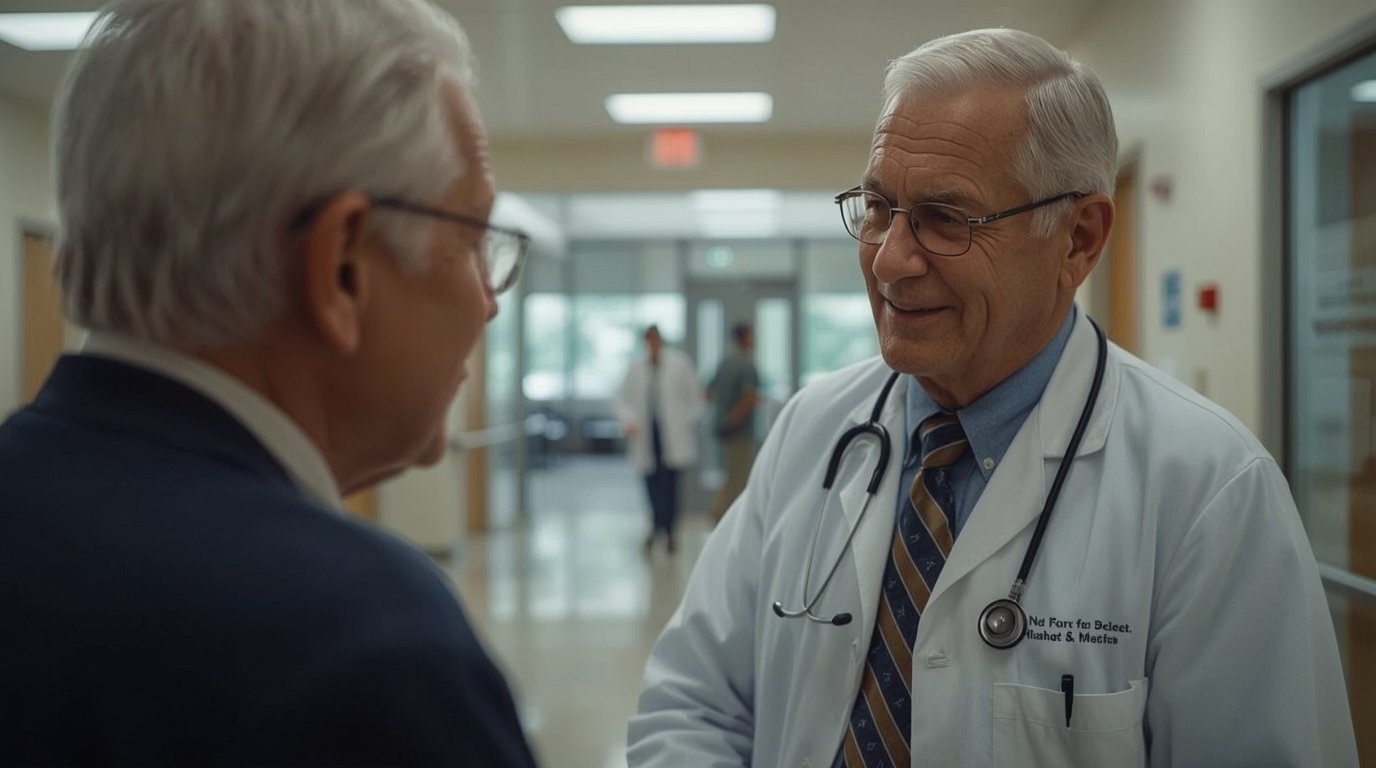
Orthopedic services have also been recognized as essential, assisting veterans who experience musculoskeletal issues through surgical interventions, rehabilitation, and pain management strategies. Similarly, mental health services, including psychotherapy and psychiatric care, play a significant role in supporting veterans facing post-traumatic stress disorder (PTSD) and other mental health challenges.
Moreover, neurology services enhance the quality of care provided to veterans with neurological disorders, including strokes and epilepsy. Urology and gastroenterology services focus on conditions affecting the urinary and digestive systems, respectively. Women’s health services are crucial for addressing the unique medical needs of female veterans, encompassing a range of reproductive and preventive health care.
These services, along with others such as dermatology, endocrinology, and pain management, represent a significant step forward in the VA’s commitment to improving access to specialized healthcare. By offering these 30 specialty services under a one-year community care authorization, the VA not only broadens the horizon of treatment options available to veterans but also enhances their overall health and quality of life.
Addiction Medicine Outpatient

Addiction medicine outpatient services play a crucial role in the effective treatment of substance use disorders among veterans. This specialized service is designed to provide comprehensive care and support to those grappling with addiction, ensuring they receive the necessary resources to facilitate their recovery. The outpatient model allows veterans to engage in treatment while maintaining their daily routines, fostering an environment conducive to gradual healing and reintegration into society.
The treatment methods employed in addiction medicine outpatient services are diverse and tailored to meet the unique needs of each veteran. These methods often include individual therapy, group counseling, medication-assisted treatment, and psychoeducation. Participants will often undergo evidence-based practices, such as Cognitive Behavioral Therapy (CBT) and Motivational Interviewing (MI), which empower them to develop coping strategies and address the psychological aspects of addiction. The interdisciplinary approach ensures that care is holistic, addressing not only the addiction but also co-occurring mental health issues and physical health needs.
Eligibility for addiction medicine outpatient services is generally determined by the extent of a veteran’s substance use disorder and the associated impacts on their daily life. The Department of Veterans Affairs (VA) seeks to ensure that all veterans requiring assistance in their recovery can access these services through the one-year Community Care Authorization. This initiative reassures veterans that help is available, allowing them to reach out without financial burden or excessive barriers. By actively participating in these outpatient programs, veterans can expect positive outcomes that significantly enhance their overall well-being, equipping them with the tools they need to sustain long-term recovery.
Addiction Psychiatry Outpatient
Addiction psychiatry outpatient services play a crucial role in addressing the complex needs of veterans who are grappling with co-occurring mental health and substance use disorders. This specialized area of psychiatry recognizes that mental health issues and addiction often intersect, creating unique challenges for individuals seeking recovery. Through a comprehensive approach, addiction psychiatry outpatient services aim to provide veterans with tailored treatment plans that consider their specific circumstances and history.
The therapeutic approaches utilized in addiction psychiatry outpatient settings are diverse and evidence-based. Cognitive Behavioral Therapy (CBT) is frequently employed to help veterans identify maladaptive thought patterns that contribute to both mental health disorders and substance misuse. In addition, Dialectical Behavior Therapy (DBT) may be used to enhance emotional regulation and interpersonal effectiveness, offering veterans essential skills to navigate the complexities of their experiences. Furthermore, Medication-Assisted Treatment (MAT) is a valuable resource, utilizing pharmaceuticals in conjunction with counseling to improve treatment outcomes and support sustained recovery.
Early intervention in psychiatric care is vital for veterans facing these intertwined challenges. Engaging in addiction psychiatry outpatient services at the onset of symptoms can significantly enhance the likelihood of positive outcomes. By addressing the dual diagnosis early, mental health providers can mitigate the potential for further deterioration and enable veterans to reclaim their lives in a healthier, more supportive environment. This proactive stance not only aids in the reduction of substance use but also alleviates symptoms of mental health disorders, fostering a holistic path toward recovery. In light of these benefits, the addiction psychiatry outpatient service stands as an essential component of comprehensive care for veterans in need.
Cardiology: Heart Health for Veterans
Cardiology services play a crucial role in maintaining the heart health of veterans. Under the community care authorization granted by the Veterans Affairs (VA), a wide range of cardiology services are available to address various heart conditions commonly encountered by the veteran population. These services include the diagnosis and management of conditions such as coronary artery disease, congestive heart failure, arrhythmias, and hypertension. By providing essential care, VA ensures that veterans receive the timely interventions needed to prevent serious complications associated with heart disease.
Veterans diagnosed with heart conditions may undergo several diagnostic procedures to establish a comprehensive understanding of their cardiovascular health. Common diagnostic tests include electrocardiograms (ECGs), echocardiograms, and stress tests, which help cardiologists assess heart function and blood flow. Additionally, advanced imaging techniques such as cardiac magnetic resonance imaging (MRI) and computed tomography (CT) scans may be utilized to provide a more detailed evaluation of the heart’s structure and function.
The importance of cardiology services in preventing heart disease among veterans cannot be overstated. Many veterans face unique risk factors due to their service, including stress, physical injuries, and exposure to harmful substances. Addressing these factors through regular cardiovascular screenings can significantly reduce the risk of developing life-threatening conditions. Furthermore, cardiology specialists play an integral role in educating veterans about healthy lifestyle choices, risk factor management, and the importance of compliance with prescribed treatment plans. By fostering a comprehensive approach to heart health, the VA’s cardiology services aim to enhance the quality of life for veterans while decreasing the burden of heart disease within this population.
Dermatology: Skin Health Services
Dermatology is a vital specialty within the healthcare system, especially for veterans who may face unique skin health challenges. Common skin conditions affecting veterans include eczema, psoriasis, dermatitis, and skin cancers, which may be exacerbated by environmental exposures during service. Understanding the significance of dermatological care is crucial for maintaining overall health and preventing long-term complications associated with these conditions.
Veterans often encounter skin issues due to varied factors such as sun exposure during deployment, the use of certain medications, or skin injuries resulting from their service. The Department of Veterans Affairs (VA) recognizes the importance of addressing these dermatological needs, providing access to qualified specialists who can diagnose and treat these conditions effectively. Through a one-year Community Care Authorization, veterans can receive the necessary dermatological services without the barriers often faced in the general healthcare system.
A typical dermatological consultation begins with a thorough examination, where the dermatologist assesses the skin, discusses the patient’s medical history, and identifies any existing skin conditions. Diagnostic procedures may include skin biopsies or allergy tests to pinpoint the cause of the skin issues. Plans for treatment can range from topical medications and oral therapies to procedural interventions such as cryotherapy or laser treatments, depending on the diagnosis.
Moreover, preventative skin health measures are emphasized in dermatological care. Educating veterans on proper skin care, sun protection, and early recognition of skin changes fosters a proactive approach to health management. By facilitating access to specialized dermatology services, the VA aims to enhance the well-being of veterans and reduce the risk of severe skin health issues.
Endocrinology: Hormonal Health Management
Endocrinology plays a crucial role in managing various hormonal disorders that significantly affect veterans’ health, including diabetes and thyroid-related conditions. The endocrine system is responsible for regulating hormones, which are vital for many bodily functions, such as metabolism, growth, and mood. For veterans, timely and effective management of hormonal health is essential, as it directly impacts their overall well-being and quality of life.
One of the most prevalent conditions managed in endocrinology is diabetes, a metabolic disorder that affects how the body uses glucose. Veterans may face challenges related to diabetes due to lifestyle factors, medications, or underlying health issues. Outpatient endocrinology services offer comprehensive care, including regular monitoring of blood glucose levels, insulin management, and nutritional counseling. These services are vital for preventing complications, such as cardiovascular disease and neuropathy, thus improving veterans’ long-term health outcomes.
In addition to diabetes, thyroid disorders, including hypothyroidism and hyperthyroidism, are commonly encountered in veterans. These conditions can lead to a range of symptoms, from fatigue and weight gain to anxiety and heart palpitations. Outpatient endocrinology services focus on accurate diagnosis and tailored treatment options, such as hormone replacement therapy or antithyroid medications. Regular follow-ups and blood tests are integral to ensure that hormone levels remain balanced, facilitating optimal physical and mental health.
The accessibility of specialized outpatient endocrinology services through the VA ensures that veterans receive the attention and care they deserve. By prioritizing hormonal health management, veterans can effectively address these common endocrine disorders, ultimately leading to a healthier and more fulfilling life. The integration of these services reinforces the VA’s commitment to providing holistic healthcare tailored to the unique needs of the veteran population.
Eye Care Examination: Vision Health for Veterans
Eye care examination services for veterans play a crucial role in maintaining vision health. Proper eye care is essential, particularly for those who have served in the military, as they may be at higher risk for certain eye conditions. Common issues among veterans include age-related macular degeneration, cataracts, and glaucoma, all of which can significantly impact quality of life. Regular eye examinations allow for early detection and treatment of these conditions, which is vital for preserving vision.
Preventative measures are integral to eye care. Veterans are encouraged to undergo routine eye exams, which can identify potential problems before they develop into more serious conditions. The American Academy of Ophthalmology recommends that adults aged 40 and older have comprehensive eye exams at least every two years. For veterans with specific risk factors, such as diabetes or a family history of eye disease, more frequent examinations may be necessary. Education on proper eye protection and maintaining overall health can also contribute to reducing the risk of vision problems.
Accessing eye care through community services is facilitated by the Veterans Affairs (VA) system. Veterans can utilize community care authorization to receive essential eye care services from qualified providers. This includes having comprehensive eye exams, consultations, and necessary treatments provided by specialists in their locality. To initiate the process, veterans should first consult with their primary VA healthcare provider, who can evaluate their needs and help facilitate timely access to community eye care services. This system ensures that veterans receive the specialized eye care that is imperative for maintaining their vision health, ultimately enhancing their overall well-being.
Family and Additional Specialty Services
The U.S. Department of Veterans Affairs (VA) acknowledges the vital role of family in the health and wellness of veterans, which is why family services are an integral part of the One-Year Community Care Authorization. Family-based services are designed to support the broader emotional and psychological needs of veterans and their families, facilitating connection and resilience within the family unit. These services include family counseling, support groups, and educational programs that enable families to understand the unique challenges faced by veterans. By emphasizing the importance of family dynamics in the recovery and adaptation process, the VA aims to foster a healing environment that encourages successful transitions back into civilian life.
In addition to family services, a range of specialty services is available under the One-Year Community Care Authorization. These services are intended to address the complex health needs of veterans, ensuring comprehensive care. Examples of these specialties include mental health treatment, substance use disorder programs, telehealth options, orthopedic care, and dermatology among others. Each specialty is geared towards meeting individual veterans’ needs, thus enhancing their overall health and well-being.
The inclusion of these various specialty services not only addresses specific medical conditions but also promotes a holistic approach to healthcare. By integrating multiple services, the VA strives to provide a continuum of care that encompasses both physical and emotional support. This approach recognizes that health is multifaceted and that effective treatment often requires a team of specialized professionals working in concert. The collaboration among these specialties ultimately leads to better health outcomes and improved quality of life for veterans, demonstrating the VA’s commitment to addressing their diverse needs comprehensively and compassionately.