
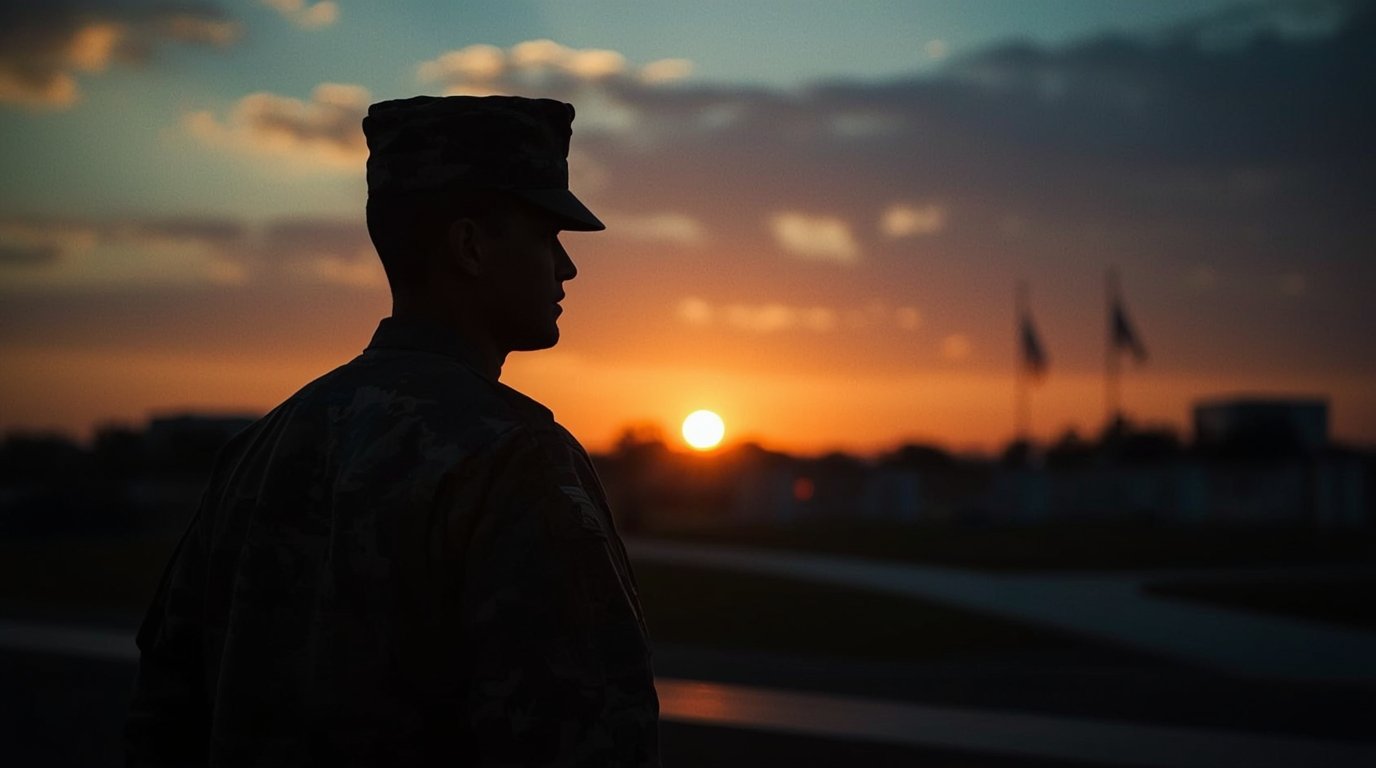
Introduction to the Medal of Honor
The Medal of Honor is the highest military decoration awarded by the United States government. Established during the Civil War, it is bestowed upon members of the armed forces who demonstrate extraordinary acts of valor and heroism in combat. The importance of this medal lies not only in the recognition of individual acts of courage but also in its power to represent the values of sacrifice, patriotism, and service that underpin the identity of the nation. Receiving the Medal of Honor serves as a profound acknowledgment of a service member’s selflessness and commitment to their country, highlighting the sacrifices made by those who wear the military uniform.

for the $3,000 Special Allowance
The criteria for receiving the Medal of Honor are exacting and require a substantive demonstration of bravery. Candidates must have performed a conspicuous act of gallantry that involves risking their life above and beyond the call of duty. The actions must be documented through eyewitness accounts, and a thorough investigation of the incident is conducted to ensure the legitimacy of the nomination. This rigorous procedure underscores the significance of the honor and ensures that only those with exemplary conduct in the face of peril are recognized.
The Medal of Honor is awarded in three different categories: the Army, the Navy (including the Marine Corps), and the Air Force. Regardless of the branch, all recipients share a common thread of unwavering courage and commitment to their fellow service members. As we delve into the stories of West Virginia’s Medal of Honor recipients, it is essential to honor their legacies while understanding the profound impact of this esteemed award. Through their stories, we are reminded of the extraordinary lengths to which individuals will go in service of their country, reinforcing the lasting value of the Medal of Honor within the fabric of American history.
Civil War Contributions

The Civil War was a significant period in American history, making profound impacts on the nation and its citizenry, particularly in West Virginia. During this tumultuous time, numerous individuals displayed extraordinary bravery, earning the prestigious Medal of Honor. Among these distinguished recipients were valiant members of the 1st West Virginia Cavalry Regiment, who demonstrated remarkable courage and commitment to their cause.
One notable figure, James F. Adams, exemplified exemplary leadership during intense combat. His dedication to his regiment was evident in several key engagements, where he executed critical decisions under high-pressure situations. Adams’ ability to inspire his fellow soldiers and sustain morale on the battlefield was instrumental in many successful endeavors, which ultimately contributed to the overall effectiveness of the Union forces in the region.
Another commendable recipient was Thomas Anderson, who showcased his gallantry through daring actions that directly impacted the outcome of skirmishes. One defining moment occurred during a pivotal battle where Anderson and his unit bravely captured an enemy flag, a symbol of both victory and honor. This act not only boosted the morale of his comrades but also served as a testament to their unwavering resolve in facing formidable foes.

The contributions of the 1st West Virginia Cavalry Regiment were crucial in several campaigns, often involving fierce encounters that tested the limits of human endurance. The courage displayed by these individuals in the face of adversity symbolizes the tenacity and spirit of West Virginians during the Civil War. Thus, the legacy of the Medal of Honor recipients resonates deeply throughout history, echoing the valor and sacrifice that defined their service.
World War I: A Lesser-Known Era
The contributions of West Virginia veterans during World War I, while significant, are often overshadowed by the more extensive records available for other conflicts. This scarcity of documented accounts makes it challenging to fully appreciate the individual and collective bravery exemplified by these service members. Throughout the war, the state sent thousands of troops to fight in various theaters, yet only a limited number advanced to receive the Medal of Honor, the highest military decoration awarded for valor in action against an enemy. Historical analysis reveals that West Virginia has recorded only a handful of Medal of Honor recipients from this era.
The reasons for the limited representation can be attributed to various factors, including the chaotic nature of the wartime record-keeping processes. With many documents lost or altered over the years, the stories of numerous heroes may simply remain untold. Furthermore, the recognition systems during and post-war did not always align with contemporary standards. In many cases, commendations were awarded posthumously, complicating the retrieval of records associated with specific acts of valor. Despite these challenges, several West Virginia veterans’ stories have resurfaced, highlighting their extraordinary feats in service. Among them, certain individuals displayed remarkable courage, going above and beyond the call of duty, which subsequently earned them the sought-after Medal of Honor.
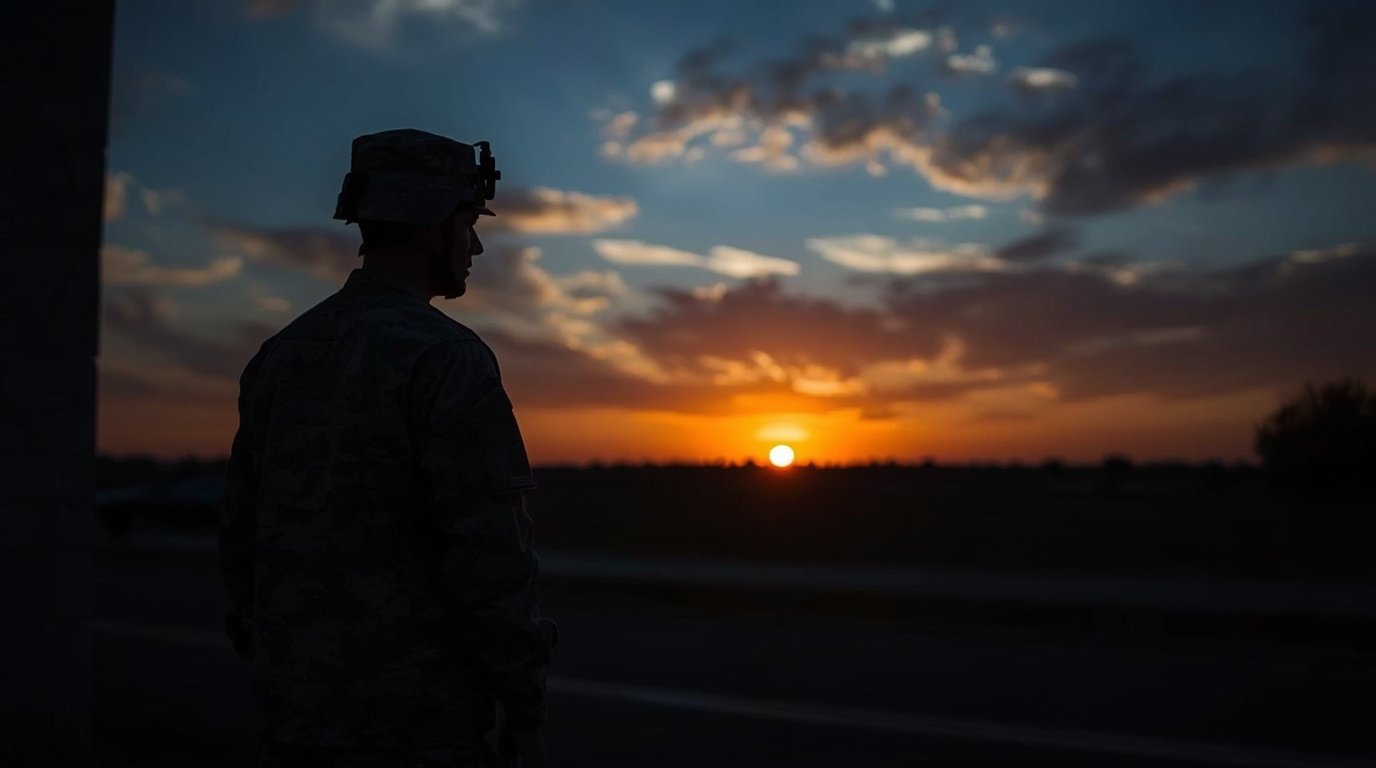
While the specific number of recipients may be limited, examining their contributions grants insight into the tenacity and resilience of West Virginians in the face of adversity. These narratives serve as enduring testaments to the valor exhibited by these service members, forging an indelible legacy that not only reflects the honor of the individuals but also encapsulates the spirit of the state itself during a tumultuous period in global history. Their sacrifices, though documented sparingly, continue to resonate and remind us of the profound impact of West Virginians in the Great War.
World War II Heroes
World War II was a significant period in history, marked by intense conflict and valor. During this extraordinary era, several West Virginia veterans received the esteemed Medal of Honor for their exceptional bravery in battle. These individuals not only demonstrated remarkable courage but also played vital roles in turning the tide against the Axis forces. Among them, the exemplary actions of Hershel ‘Woody’ Williams stand out. Williams is renowned for his heroic efforts during the Battle of Iwo Jima, where, armed with little more than a flamethrower, he single-handedly took on enemy positions, saving countless lives while facing overwhelming odds.
Hershel Williams is just one of many West Virginia Medal of Honor recipients from this era. The remarkable feats of these individuals exemplify the spirit of dedication and resilience shown by American soldiers. Another notable figure is Sergeant David E. Smith, who posthumously received the Medal of Honor for his heroism in the Pacific Theater. Smith’s extensive effort in rescuing fellow soldiers under heavy fire showcases the unwavering commitment of West Virginians in their duty. The valiant actions of these veterans highlight their tactical prowess and willingness to sacrifice themselves for their comrades and country.
Additionally, other recipients like Private First Class Charles E. McGee and Captain William L. McGowan also contributed to the storied legacy of bravery associated with West Virginia troops during World War II. Their courageous actions helped secure victories that would ultimately define the historic conflict. Collectively, the stories of these West Virginia heroes resonate as powerful reminders of the sacrifices made during one of the most challenging periods in our nation’s history.
Vietnam War Valor
The Vietnam War, a protracted conflict from the late 1950s to 1975, witnessed numerous acts of extraordinary valor by service members. Among them, several soldiers from West Virginia were awarded the Medal of Honor, recognizing their unmatched courage and self-sacrifice in the face of enemy fire. These brave individuals exemplified the highest standards of military heroism, undertaking perilous missions that often put their own lives at risk in order to save others or achieve critical objectives.
One notable recipient is Phil Gene McDonald, whose actions during combat epitomize the spirit of gallantry that the Medal of Honor seeks to honor. McDonald famously risked his life to rescue fellow soldiers caught in a fierce firefight. His decisive maneuvers under extreme pressure not only saved lives but also served to inspire those around him. Such acts are not isolated; many West Virginia veterans demonstrated similar fortitude, with each account contributing to the rich tapestry of bravery in the Vietnam War.
The acts of valor recognized during this tumultuous period varied widely, encompassing both life-saving interventions and defensive actions. Some recipients made the ultimate sacrifice, giving their lives while defending their comrades. Others displayed remarkable resilience and commitment to their missions, often facing overwhelming odds. Their contributions significantly shaped military history, fostering a legacy of bravery that continues to resonate. The stories of these heroes are pivotal in understanding the sacrifices made during the Vietnam War, reminding us of the dedication and honor that define the armed forces.
As we reflect on these courageous individuals, it becomes evident that their legacies have paved the way for future generations. The recognition bestowed by the Medal of Honor serves not only to honor their heroism but also to ensure that their stories endure, inspiring others to uphold values of courage and sacrifice.
Profiles of Notable Recipients
West Virginia has produced numerous Medal of Honor recipients whose courage and dedication during times of conflict have left indelible marks on history. Among these distinguished individuals is Major David H. McCampbell, who served in World War II. McCampbell’s exemplary aerial combat skills, particularly during the Battle of Leyte Gulf, showcased unparalleled bravery. Over the course of a single engagement, he shot down several enemy aircraft, contributing significantly to the success of the U.S. Navy and earning him the Medal of Honor for his gallantry in the face of overwhelming odds.
Another remarkable figure is Corporal Albert E. Schwab, who received the Medal of Honor for his heroics during World War I. His selfless actions on the battlefield involved running through enemy fire to rescue wounded comrades, demonstrating exceptional valor that ultimately cost him his life. Schwab’s legacy serves as a powerful reminder of the sacrifices made by countless soldiers and emphasizes the importance of camaraderie among service members.
In the Vietnam War, Captain William J. McKeon distinguished himself through acts of outstanding heroism. During a fierce battle, he displayed profound courage by leading his men against superior forces, despite the risk to his own life. His unwavering commitment to his platoon secured their safety and led to a hard-fought victory, culminating in his receipt of the Medal of Honor. McKeon’s story underscores the enduring spirit of sacrifice characteristic of West Virginia’s military personnel.
These profiles represent just a fraction of the exemplary individuals from West Virginia who have been awarded the Medal of Honor. Their actions reflect the profound sense of duty and honor that continues to inspire current and future generations. By commemorating their legacies, we acknowledge their sacrifices and contribution to the values of bravery and resilience inherent in military service.
The Impact of Geography on Medal of Honor Awards
Geography plays a significant role in understanding the context of Medal of Honor recipients, particularly in a state like West Virginia. The unique topography of the region, characterized by its mountainous terrain and rural landscape, has influenced military recruitment patterns and the experiences of soldiers from this area throughout various conflicts. Historically, West Virginia has had a strong military tradition, and the challenges presented by its geography may have shaped the character and resolve of its residents, contributing to numerous acts of bravery.
During major conflicts such as the Civil War, World War I, and World War II, West Virginians showcased exceptional courage and resilience. The state’s history of conflict can be traced back to its strategic location, which often made it a battleground for various military operations. It was not only a crossroads of troops but also a vital area for communication and supply lines, thereby leading to a higher concentration of military personnel from the region. Consequently, this geographical significance may have culminated in a greater number of Medal of Honor recipients.
Moreover, the socio-economic landscape of West Virginia, which has been shaped by its industrial past and rugged nature, often influences the motivations for enlistment. Many young men were driven by a desire for better opportunities or a sense of duty to defend their homeland, therefore, increasing the chance for extraordinary valor under pressure. This correlation between geography and military engagement can be observed in the diverse backgrounds of the awardees, reflecting a wide array of experiences that stem from their environments.
In light of West Virginia’s historical and geographical context, it becomes clear that these factors not only influenced military recruitment and experiences but also shaped the narratives surrounding the state’s Medal of Honor recipients. Understanding these relationships provides a deeper appreciation of the sacrifices made by individuals from West Virginia and the unique challenges they faced on the battlefield.
The Legacy of West Virginia’s Medal of Honor Recipients
West Virginia’s Medal of Honor recipients hold a significant place in the state’s history, exemplifying bravery and heroism in the face of adversity. These individuals, recognized for their extraordinary acts during various conflicts, have left an indelible mark on both local and national consciousness. Their stories not only contribute to the rich fabric of military history but also serve as a source of inspiration for future generations.
The preservation of these brave individuals’ stories is evident through a variety of state memories, monuments, and museums dedicated to honoring their sacrifices. For instance, several monuments can be found throughout West Virginia that pay tribute to the valiant actions of recipients. These monuments serve not only as memorials but also as educational tools, helping visitors understand the context of their heroism and the wars in which they fought. By highlighting the achievements of these individuals, these sites foster a sense of pride and gratitude within the community.
Moreover, the narrative of West Virginia’s Medal of Honor recipients is embedded deeply within the military culture of the state. Their stories resonate with the values of courage, selflessness, and duty that are cherished in military circles. Veterans and active-duty members draw inspiration from the legacies of these brave individuals, reinforcing a collective identity rooted in honor and resilience. This cultural legacy extends beyond individual recognition, promoting a unifying sentiment among service members and civilians alike.
In a broader national context, the contributions of West Virginia’s Medal of Honor recipients have been recognized through various historical accounts, documentaries, and commemorative events. These efforts to celebrate their bravery help ensure that the sacrifices made by these soldiers will be remembered for many generations, further solidifying their place in American history. By showcasing their valor, West Virginia continues to recognize and honor the enduring legacy of these remarkable individuals.
Conclusion: Remembering Their Heroism
In reflecting upon the extraordinary contributions of West Virginia Medal of Honor recipients across various wars, it becomes evident that their acts of valor represent not only individual heroism but also the profound spirit of courage embedded within the fabric of our nation. These brave men and women, hailing from a region steeped in resilience and determination, have showcased exceptional bravery in the face of adversity, embodying the highest ideals of service and patriotism.
Their stories of sacrifice, selflessness, and unyielding commitment to their fellow soldiers and the values of freedom resonate through time, serving as powerful reminders of the costs associated with safeguarding liberty and justice. Each recipient of the Medal of Honor from West Virginia has initiated a legacy that extends beyond their immediate actions on the battlefield, influencing future generations’ perspectives on duty, honor, and sacrifice.
Furthermore, it is crucial to recognize that honoring these heroes is not solely about commemoration; it is an opportunity for all of us to embrace the lessons they impart. By reflecting on their bravery, we can foster a greater understanding of the values associated with courage and the importance of standing firm in our convictions, even in the face of overwhelming challenges. As such, the stories of West Virginia’s Medal of Honor recipients should not be relegated to history books but actively integrated into our educational narratives and community discussions.
In summary, remembering the valor and sacrifices of these individuals not only pays homage to their extraordinary service but also inspires a renewed commitment to uphold the values they fought for. As we honor their memory, let us collectively strive to instill these virtues within future generations, ensuring that the spirit of patriotism and courage continues to thrive. Their legacy is a testament to the enduring essence of bravery that defines not just West Virginia but our entire nation.