
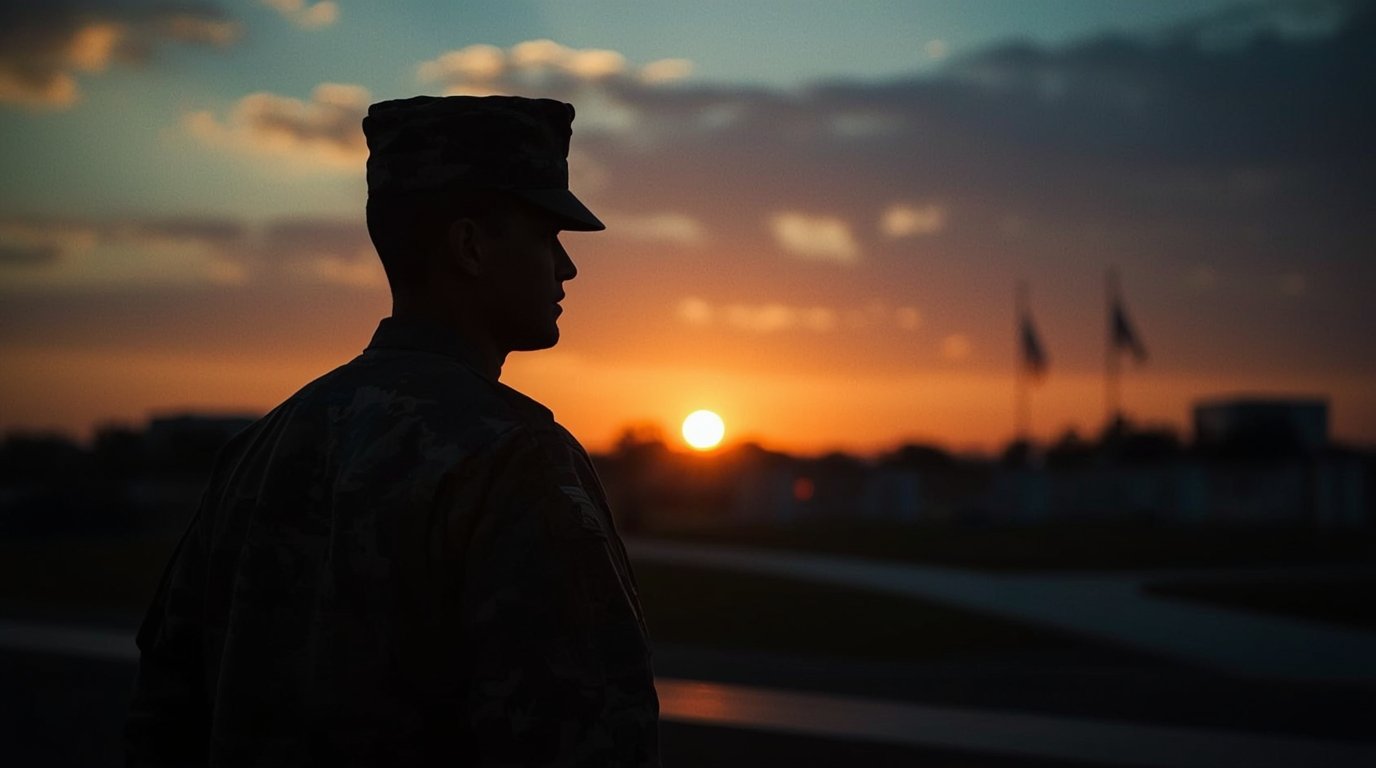
Introduction to West Virginia’s Military Legacy
West Virginia possesses a rich and diverse military heritage, marked by the valiant contributions of its veterans throughout various significant conflicts in American history. From the turbulent years of the Civil War to the global struggles of the World Wars and the intense combat in the Vietnam War, West Virginia’s service members have forged a legacy of dedication, bravery, and sacrifice. The mountainous landscape and resilient spirit of the state’s inhabitants have played a crucial role in shaping the military endeavors undertaken by its citizens.

for the $3,000 Special Allowance
During the Civil War, West Virginia underwent unique challenges as it separated from Virginia, ultimately becoming a state on June 20, 1863. This period saw many West Virginians engage in fierce battles, providing essential support to the Union’s war effort. The contributions of these soldiers, many of whom were local militia and volunteers, laid the groundwork for a tradition of military service that would continue for generations.
The impact of West Virginians on World War I and World War II further exemplifies the state’s commitment to military service. Thousands of West Virginians answered the call to arms, with many serving in critical roles across various theaters of conflict. Their actions not only highlighted their courage but also showcased the essential character of a state that has endured hardships and adversity.

Moreover, the experience of veterans from the Vietnam War marked another significant chapter in West Virginia’s military narrative, as many soldiers faced the complexities of modern warfare and societal challenges upon their return. The stories of these veterans illustrate the evolving nature of military service while reinforcing the profound sense of honor and duty that characterizes West Virginia’s veteran community. This introduction aims to lay the foundation for exploring the lives and achievements of some of the most notable veterans who have emerged from this proud state.
General James Mulligan: Leader of the Irish Brigade
General James Mulligan stands out as a significant figure in West Virginia’s military history, particularly for his distinguished leadership role during the American Civil War. Born in 1826 in Ireland, Mulligan immigrated to the United States and became an influential member of the community. He would eventually lead the Irish Brigade, a unit known for its fierce camaraderie and dedication to the Union cause. His strategic expertise and charismatic leadership were vital to the brigade’s effectiveness on the battlefield.
Throughout the Civil War, Mulligan’s leadership was evident during several key battles, including the Battle of Kernstown in 1862. This battle marked one of the early confrontations of the war, demonstrating Mulligan’s ability to rally his troops and effectively engage the enemy despite being outnumbered. His tactical maneuvers not only showcased his military acumen but also reflected the tenacity and bravery that defined the Irish Brigade. Mulligan’s significance is further highlighted by his commitment to the well-being of his soldiers, earning their unwavering loyalty and respect.

His impact extended beyond the battlefield; Mulligan was instrumental in fostering a sense of identity and purpose within his regiment. He often advocated for the rights and recognition of immigrant soldiers, which contributed to a broader acceptance of diversity within the military ranks. This dedication to his troops created a lasting legacy in West Virginia, as his influence inspired subsequent generations of military leaders and service members.
After the war, General Mulligan continued to advocate for veterans, emphasizing the importance of honoring their sacrifices. His contributions to the Union effort and his leadership in the Irish Brigade not only exemplify the courage of soldiers from West Virginia but also underscore the enduring spirit of unity and determination among those who served. General Mulligan remains a celebrated figure in the narrative of West Virginia’s proud military heritage.
Captain John H. McNeill: Guerrilla Tactics and Valor
Captain John H. McNeill, a notable figure hailing from Hardy County, West Virginia, is remembered for his significant contributions as a Confederate officer during the American Civil War. McNeill’s strategic proficiency in guerrilla warfare set him apart in a time when conventional military tactics were the norm. His ability to adapt to the unpredictable nature of irregular warfare proved instrumental for the Confederate cause and highlighted the diverse tactics employed during this tumultuous period.
One of the most remarkable events in McNeill’s military career was his audacious escape from a Union prison. Captured while leading his men in a skirmish, he found himself imprisoned in an enemy stronghold. However, McNeill’s resourcefulness and determination led to a daring breakout, showcasing his tenacity and commitment to the Confederate cause. This event not only underlined his valor but also served as a symbol of hope for Confederate soldiers struggling against Union forces. His escape allowed him to return to his battalion, where he could continue to lead his men effectively amidst the challenges they faced.
Throughout his service, Captain McNeill engaged in numerous raids and skirmishes, employing guerrilla tactics that capitalized on mobility and surprise. These strategies were particularly significant in the rugged terrain of West Virginia, where he utilized knowledge of the land to outmaneuver Union troops. However, his legacy is not without complexities; the methods employed by McNeill and his men also raised questions about the morality and efficacy of guerrilla warfare. While some viewed him as a hero, others criticized his tactics as brutal and unorthodox, which reflects the multifaceted nature of war and the divergent perspectives surrounding military leaders.
The legacy of Captain John H. McNeill remains an enduring reminder of the complexities of warfare and heroism, particularly within the context of West Virginia’s history during the Civil War. His contributions and the strategies he employed continue to be studied and discussed, offering insight into the varied experiences of military service during one of America’s most challenging eras.
Sergeant Benjamin C. Criswell: A Medal of Honor Hero
Sergeant Benjamin C. Criswell, hailing from Moundsville, West Virginia, stands out as a remarkable example of valor and heroism in the annals of American military history. His actions during a critical engagement against Lakota forces exemplify the courage and dedication that characterize many veterans from the region. Criswell’s notable achievements earned him the prestigious Medal of Honor, solidifying his legacy as a heroic figure not only in West Virginia but across the nation.
During a tumultuous period of conflict in the late 19th century, Sergeant Criswell displayed extraordinary bravery at the Battle of Wounded Knee in December 1890. As members of the Lakota tribe faced overwhelming adversities, Criswell’s commitment to his fellow soldiers and the mission at hand became evident. He displayed remarkable leadership under fire, directing his men with precision and ensuring their safety while maintaining an effective defense against the onslaught they faced.
His actions were pivotal in turning the tide during the battle, showcasing not only physical courage but also a deep sense of duty to his countrymen. Criswell’s indomitable spirit in a moment of dire need captured the attention of military leaders, who recognized the magnitude of his contributions. The Medal of Honor was awarded to him as a testament to his gallantry, serving as a symbol of the sacrifices made by many veterans throughout the nation.
Today, Sergeant Benjamin C. Criswell’s legacy continues to inspire future generations. His story serves not only as a reminder of the bravery found in West Virginia’s heritage but also commemorates the sacrifices of countless veterans. By honoring his memory, we acknowledge the importance of courage and commitment that define the essence of military service in America.
Colonel George S. ‘Spanky’ Roberts: Pioneering African American Pilot
Colonel George S. ‘Spanky’ Roberts stands as a notable figure in the history of military aviation, specifically within the ranks of the Tuskegee Airmen during World War II. Born in Kanawha County, West Virginia, Roberts’ journey as an African American pilot was marked by both remarkable achievements and significant challenges, providing a legacy that continues to inspire future generations of aviators and service members.
As one of the first African Americans to earn a pilot’s license in the United States, Colonel Roberts faced a multitude of barriers, including systemic racism and a segregated military. Despite these obstacles, his determination led him to join the Tuskegee Army Airfield, where he trained and excelled as a fighter pilot. The Tuskegee Airmen were pivotal in the fight for civil rights, demonstrating remarkable skill and bravery in the air. Roberts was involved in numerous combat missions, contributing to the success and recognition of African American pilots during a time of pervasive discrimination.
The legacy of Colonel Roberts extends beyond his military service. His accomplishments helped reshape perceptions regarding the capabilities of African American military personnel. By paving the way for future generations, he played an instrumental role in the gradual integration of the U.S. Armed Forces. Moreover, his involvement with the Tuskegee Airmen serves as a profound reminder of the courage and resilience required to confront societal norms. Many contemporary pilots of color cite Roberts as an inspiration, illustrating the vital impact of his service in fostering a more inclusive environment within aviation and the military.
Colonel George S. ‘Spanky’ Roberts remains a testament to the spirit of perseverance and excellence, embodying the ideals of bravery and commitment, which continue to resonate within military circles today.
Hershel ‘Woody’ Williams: The Marine Hero of Iwo Jima
Hershel ‘Woody’ Williams, a prominent figure in American military history, is best known for his extraordinary valor during the Battle of Iwo Jima in World War II. Born on October 2, 1923, in Quiet Dell, West Virginia, Williams enlisted in the United States Marine Corps in 1943. His bravery and dedication were put to the ultimate test during one of the fiercest battles of the Pacific campaign. Iwo Jima, a small volcanic island, became the site of intense combat as American forces sought to capture it from Japanese troops entrenched in fortified positions.
Williams distinguished himself during the battle by employing a unique weapon, the flamethrower, which he used with remarkable skill. On February 23, 1945, he led a daring assault against heavily defended enemy pillboxes. Despite facing overwhelming enemy fire, he courageously neutralized multiple bunkers, allowing his comrades to advance. His heroic actions not only saved countless lives but also contributed significantly to the overall success of the mission. For these extraordinary feats, Williams was awarded the Medal of Honor, the highest military accolade in the United States, on October 5, 1945.
Following the war, Woody Williams dedicated himself to veterans’ advocacy and remembrance. He became an outspoken champion for the rights and welfare of fellow veterans, tirelessly working to raise awareness about issues affecting them. His legacy extends beyond his battlefield heroics, as he has participated in numerous events commemorating veterans and educating the community about their sacrifices. Williams founded the Hershel ‘Woody’ Williams Medal of Honor Foundation, aimed at honoring Gold Star families and preserving the memories of fallen soldiers. Today, he remains a symbol of courage and resilience, embodying the spirit of those who have served in defense of their country.
Phill Gene McDonald: Posthumous Valor in Vietnam
Army Private Phill Gene McDonald, a native of McDowell County, West Virginia, is a prominent figure in the state’s legacy of military heroes. His courageous actions during the Vietnam War resulted in a posthumous Medal of Honor, signifying his extraordinary bravery in the face of peril. McDonald was known for his unwavering commitment to his fellow soldiers, exemplifying the highest ideals of military service. His tenure in the Army was marked by a relentless dedication to not only his mission but also to the safety and well-being of his comrades.
On March 18, 1967, during a combat operation near Binh Nghia, McDonald and his unit encountered intense enemy fire. In a moment of crisis, he displayed remarkable valor by rushing through a hail of bullets to save an injured soldier who had fallen under heavy enemy fire. Despite being exposed to imminent danger, McDonald’s swift actions and disregard for his own safety were pivotal in ensuring the survival of both his fellow soldiers and the continuation of their mission. His selfless behavior showcased a profound sense of duty and loyalty that resonated deeply with his peers.
Tragically, while attempting to aid his comrades, McDonald was fatally wounded. The sacrifice he made for his country exemplifies the ultimate price of freedom. For his heroism, he was awarded the Medal of Honor, a testament to his extraordinary conduct in combat. McDonald’s legacy extends beyond his accolades; he serves as an inspiration to future generations. His story is a reminder of the courage exhibited by those who serve, honoring the sacrifices made by countless military veterans from West Virginia and across the nation. His name will forever be etched in the annals of military history, representing valor and dedication amidst the horrors of war.
Additional Historic Military Figures from West Virginia
West Virginia’s military history extends beyond the prominent figures often cited in discussions of the state’s contributions to the armed forces. Among these additional historic military figures is Thomas “Stonewall” Jackson, a notable Confederate general recognized for his strategic prowess and leadership during the American Civil War. Born in Clarksburg, Virginia, which later became part of West Virginia, Jackson’s military career was marked by his innovative tactics and unyielding resolve. His legacy endures not only in the annals of military history but also in the cultural identity of West Virginia.
Another significant figure is John Echols, a Confederate general who commanded forces in the Western Theater of the Civil War. Echols, a native of Virginia, spent considerable time in what is now West Virginia, particularly during the conflict surrounding the Battle of Sweet Springs. His involvement in various military campaigns illustrates the integral role that West Virginians played in the war, both in leadership and as soldiers on the ground.
Alexander Welch Reynolds is another historically relevant figure who contributed to the military culture of West Virginia. A West Point graduate, Reynolds served as a brigadier general in the Confederate Army and was involved in several key battles throughout the Civil War. His leadership and the challenges he faced highlight the complexities of the military allegiances in a state that was deeply divided during that era.
The contributions of Stonewall Jackson, John Echols, and Alexander Welch Reynolds underscore the significant military heritage of West Virginia. These figures not only shaped the military landscape of their time but also laid the groundwork for the proud tradition of service that continues to be celebrated in the state today. Their stories remind us of the diverse and complex legacies embedded in the history of West Virginia’s military culture.
West Virginia’s Contribution to American Military History
West Virginia has played a significant role in shaping American military history, contributing a rich legacy through its military personnel during various conflicts. From the Civil War to modern-day engagements, the state’s soldiers have demonstrated unwavering dedication and bravery. The formation of West Virginia during the Civil War resulted in a divide of loyalties, leading to a remarkable number of Union and Confederate soldiers arising from the region. Approximately 50,000 West Virginians fought for the Union, providing invaluable support in key battles while also witnessing conflicts as members of Confederate forces.
The impact of West Virginia’s military personnel extended beyond the Civil War. During World War I, the state supplied over 70,000 troops, who fought valiantly in battles across Europe. Their involvement not only added to the United States’ strength on the battlefield but also highlighted the state’s commitment to national service. Similarly, in World War II, around 150,000 West Virginians served in various capacities, ranging from the front lines to crucial support roles, reflecting the state’s ongoing contributions to military efforts.
The legacy of West Virginia’s veterans continued into later conflicts, notably the Vietnam War, where the state was represented by numerous brave soldiers who faced adversity in a challenging environment. These individuals performed acts of courage and heroism that earned them recognition and commendations, solidifying West Virginia’s standing in the nation’s military history.
In essence, the contributions of West Virginia’s military personnel across various conflicts underscore the state’s critical role in the fabric of American military heritage. Their stories of valor and sacrifice remain a testament to the dedication exhibited by these individuals in service to their country. Each era of conflict has shaped the identity of West Virginia as a state rich in military tradition and honor.
Conclusion: Remembering and Honoring Our Veterans
As we reflect on the remarkable legacy of military heroes from West Virginia, it becomes clear that honoring our veterans is not just a matter of remembrance, but a vital acknowledgment of their sacrifices. The contributions of West Virginia veterans span generations and conflicts, showcasing bravery and resilience that have profoundly shaped our nation. Their stories of courage serve as a testament to the spirit of service and the personal sacrifices made in the name of freedom.
Recognizing the valor of these individuals is crucial for fostering a sense of gratitude within our communities. By remembering their sacrifices and the impact they have had, we not only honor their legacy but also inspire future generations to value service and commitment to our country. The rich military history of West Virginia enriches the narrative of American heroism, and it is incumbent upon us to keep these stories alive and accessible to all. We must regularly take the time to appreciate the distinctive contributions of veterans from this state, as their experiences are integral to understanding the broader tapestry of our military past.
Moreover, it is essential that we support our current veterans, recognizing that their needs and challenges may differ but are equally important. As stewards of their legacy, we can engage in initiatives that cater to their wellness while promoting education on veteran affairs and military history. In conclusion, by remembering and honoring our veterans from West Virginia, we can promote a culture of respect and appreciation that permeates our society, ensuring that their sacrifices are neither forgotten nor overlooked.