
The Origins of Veterans Day
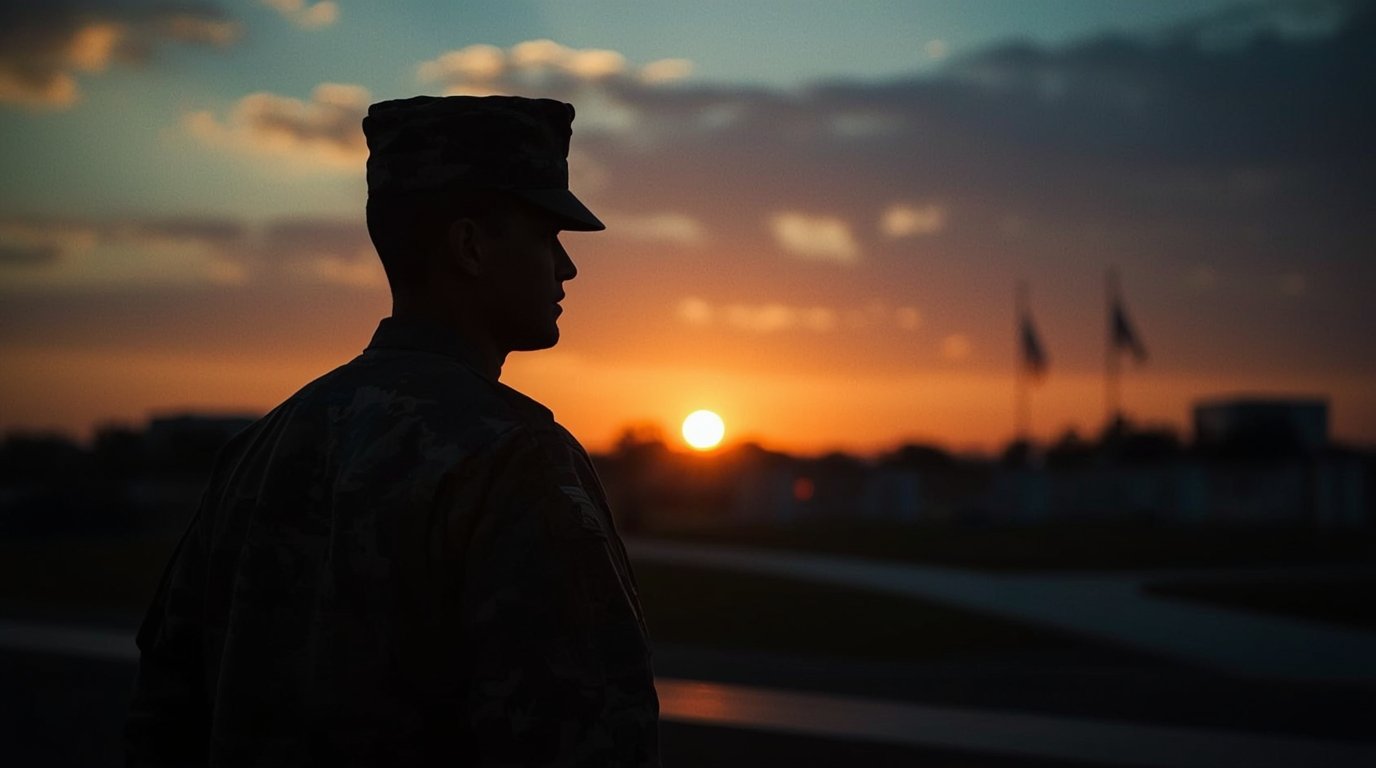
Veterans Day, observed on November 11 each year, traces its origins back to Armistice Day, which commemorated the cessation of hostilities in World War I. The conflict came to an end at the 11th hour of the 11th day of the 11th month in 1918, marking a pivotal moment in history. In 1919, President Woodrow Wilson proclaimed November 11 as Armistice Day, a day dedicated to honoring the valor and sacrifices made by those who served in the armed forces during the Great War. The observance initially focused on promoting peace and recognizing the service members who contributed to the war effort.

for the $3,000 Special Allowance
As time passed, the significance of the date expanded beyond World War I, particularly as the United States became embroiled in subsequent conflicts, including World War II and the Korean War. A growing recognition emerged that all veterans deserved acknowledgment for their commitment to the nation. In 1954, in a move reflecting this evolving perspective, President Dwight D. Eisenhower signed legislation that officially changed Armistice Day to Veterans Day. This adjustment was made to honor all American veterans, acknowledging their contributions across various conflicts rather than merely commemorating those who served in a single war.
The transition from Armistice Day to Veterans Day had a profound impact on the observance of military service in the United States. It encouraged a more inclusive recognition of veterans from all branches of the military, uniting Americans in appreciation for their sacrifices. Since then, Veterans Day has become an essential occasion for ceremonies, parades, and various public observances, fostering a sense of gratitude and respect for those who have dedicated their lives to protecting and defending the nation.
The Significance of November 11

November 11 holds profound significance as it marks the anniversary of the armistice that ended World War I, effective at the 11th hour of the 11th day of the 11th month in 1918. This moment in history is recognized not only for the cessation of hostilities between the Allied Forces and Germany but also for its broader implications in shaping the post-war world. The end of World War I signified a pivotal moment that brought forth an unprecedented transformation in global politics, society, and military strategy.
The cessation of fighting on this date led to a national movement to honor the sacrifices made by soldiers during the war. Originally known as Armistice Day, November 11 became a day of remembrance, marked by various ceremonies, public gatherings, and reflections on the courage of those who served. The cultural significance of this date extends beyond mere remembrance; it signifies a collective acknowledgment of not just the end of combat but also the profound impact that the war had on countless lives and nations.
As time progressed, the observance of Armistice Day began to include recognition of all veterans who served in the United States Armed Forces. This transition formalized the transformation of November 11 into Veterans Day, a holiday that honors veterans of all conflicts, regardless of their specific service branches or the time period in which they served. The enduring legacy of this date is a commitment to commemorating the sacrifices of veterans, ensuring they are remembered and celebrated for their service throughout American history. Today, Veterans Day serves as a powerful reminder of the sacrifices made for liberty and peace, underpinning the importance of reflecting on both the past and the present, while fostering a spirit of gratitude for those who have served.
Understanding the Difference: Veterans Day vs. Memorial Day

The distinction between Veterans Day and Memorial Day is often misunderstood, leading to confusion regarding the significance of each observance. Both days are integral to acknowledging the sacrifices of those who have served in the military but serve entirely different purposes. Veterans Day, celebrated on November 11 each year, is a federal holiday that honors all military veterans, living or deceased, who have served in the United States Armed Forces. It is a time to express gratitude for their service and to recognize the commitment and dedication they have exhibited throughout their military careers.
Conversely, Memorial Day occurs on the last Monday of May and is dedicated specifically to commemorate those who have died while serving in the military. This solemn day serves as a reminder of the ultimate sacrifice made by service members who have lost their lives in defense of their country. Traditionally, Memorial Day includes visiting cemeteries and memorials, with many individuals placing flags or flowers on the graves of fallen soldiers, thereby paying homage to their legacy.
The traditions associated with these two observances further highlight their differences. Veterans Day is marked by parades, public ceremonies, and various events aimed at acknowledging all veterans. Communities often host celebrations featuring speeches and displays that honor the contributions of veterans to society. In contrast, Memorial Day is characterized by quieter remembrances; it is a time for reflection, often marked by moments of silence or prayer for the lost. The wearing of red poppies, inspired by the famous World War I poem “In Flanders Fields,” has become an enduring symbol of Memorial Day, serving to connect the living with the memories of those who died in combat.
How Veterans Day is Celebrated
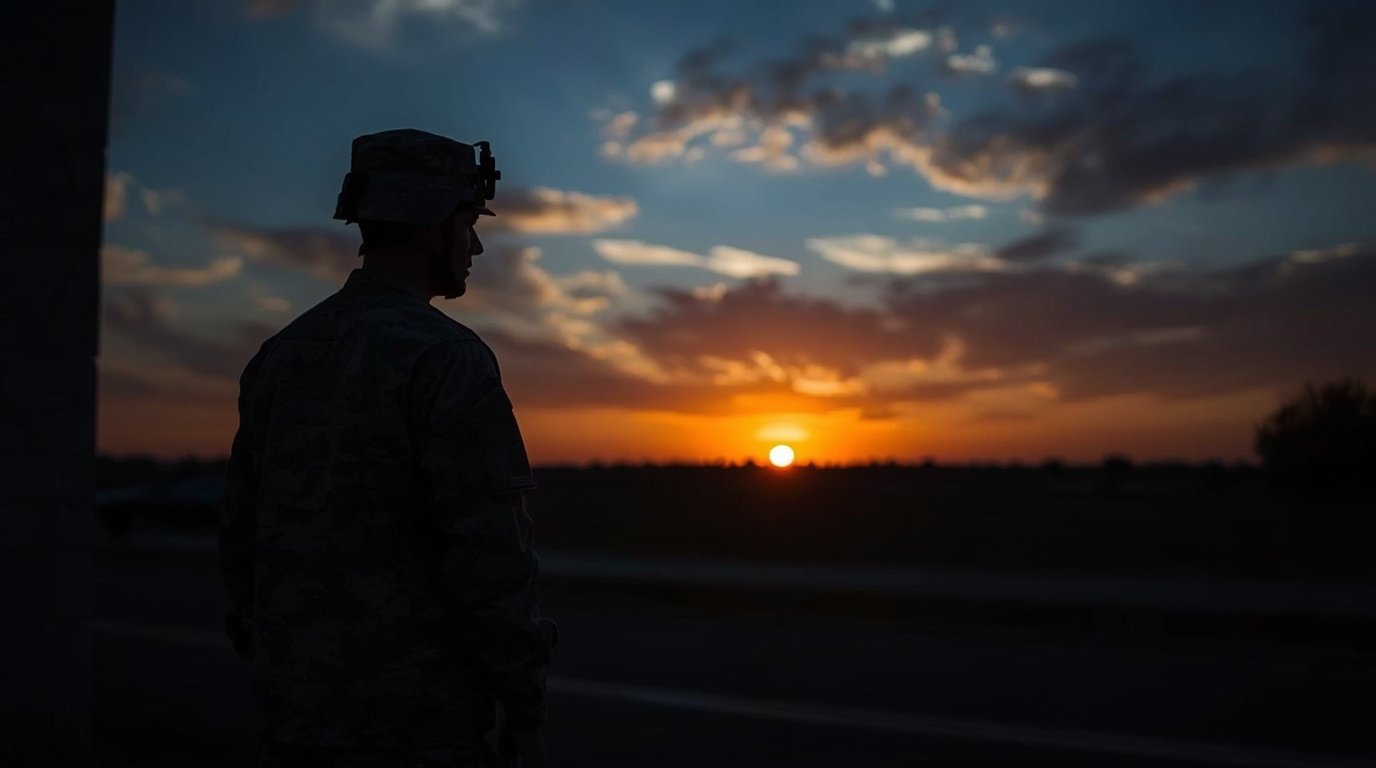
Veterans Day, observed annually on November 11th, serves as a poignant reminder to honor those who have served in the armed forces. The day is marked by numerous traditional events and modern tributes across the United States, reflecting the respect and gratitude owed to veterans. Among the most prominent and widely recognized activities are parades, which take place in many cities, featuring veterans, military personnel, and community members. These parades often include marching bands, floats, and speakers who highlight the significance of military service and sacrifice.
Ceremonies at war memorials and veteran cemeteries are another integral aspect of Veterans Day observance. Many communities organize formal remembrance events characterized by the laying of wreaths, moments of silence, and addresses by local leaders and veterans. These ceremonies aim to foster a collective sense of appreciation for the courage and dedication of service members. Additionally, schools and educational institutions frequently engage students in discussions and projects centered around the history and importance of Veterans Day, thereby enlightening the younger generation about the contributions of veterans.
In the digital age, modern tributes to veterans have also gained traction. Social media campaigns encourage individuals and organizations to share stories, images, and messages that honor veterans. Hashtags related to Veterans Day allow a wider audience to participate in these honors, making it easier to share personal experiences and tributes with the community at large. Furthermore, many businesses and organizations offer discounts and special events for veterans, showing appreciation through tangible acts of goodwill. Through these various observances, Veterans Day remains a significant occasion dedicated to acknowledging the sacrifices made by those who have defended the nation.
Honoring Living Veterans
Recognizing living veterans is a crucial aspect of honoring their service to our nation. Living veterans have faced distinctive challenges and have made significant contributions to their communities and the workforce. It is essential to ensure that they receive the support they need and deserve, as their sacrifices have played a vital role in maintaining our freedoms and way of life.
Several programs and initiatives are in place to assist veterans as they transition back to civilian life. One prominent effort focuses on healthcare services tailored specifically for veterans. Organizations like the Department of Veterans Affairs (VA) provide comprehensive medical care, including mental health services, which help in alleviating the emotional and psychological impacts of military service. These healthcare resources are not only essential for physical rehabilitation but also for fostering overall well-being.
Employment programs specifically designed for veterans also play a significant role in integrating them into the civilian workforce. Many companies have recognized the unique skills and experiences veterans bring to the table and actively seek to recruit them through veteran-friendly hiring initiatives. Programs such as the Veterans Employment Through Technical Assistance Networks (VETTN) are essential in ensuring that veterans receive the necessary training and support to secure meaningful employment opportunities.
Community outreach efforts additionally highlight the importance of recognizing veterans among peers and within local environments. Events such as community service days, veterans’ fairs, and support groups can foster a sense of belonging and appreciation. Personal stories and testimonials from veterans help convey the struggles and triumphs they encounter, reminding the public of their tireless dedication.
In honoring living veterans, we must underscore the importance of providing services and recognition that reflect their sacrifices. By understanding their unique needs and experiences, society can create a more inclusive environment that values their contributions in a lasting way.
Educational Opportunities for Veterans
Transitioning from military service to civilian life presents numerous challenges for veterans, and education plays a pivotal role in this process. Various educational opportunities are available to veterans, designed to equip them with valuable skills and knowledge that can ease their transition and enhance their employability. Both government and nonprofit organizations offer programs that support veterans in pursuing higher education and vocational training.
One of the most significant benefits available to veterans is the Post-9/11 GI Bill. This program provides financial assistance for tuition, housing, and books for veterans who have served after September 11, 2001. The GI Bill covers the full cost of in-state tuition and fees at public colleges, universities, and vocational schools, as well as a monthly housing allowance. This financial support enables veterans to enroll in degree programs, vocational training courses, and apprenticeships, allowing them to gain the education necessary for a successful career.
In addition to the GI Bill, various scholarships and grants specifically aimed at veterans and their families can further alleviate the financial burden of education. Organizations such as the American Legion, Veterans of Foreign Wars, and numerous nonprofit groups offer programs that provide scholarships for veterans seeking higher education or specialized training. These scholarships can be critical in helping veterans pursue their academic dreams without the added stress of financial uncertainty.
Additionally, vocational rehabilitation and employment (VR&E) programs are available for veterans with service-related disabilities. These services help veterans obtain the education and training necessary for suitable employment, facilitating a smoother transition into civilian careers. Overall, the multitude of educational opportunities for veterans is designed to empower them, promoting lifelong learning and professional growth in a supportive environment.
Veterans Day Around the World
Veterans Day, celebrated on November 11 in the United States, is dedicated to honoring military veterans who served in the armed forces. While this observance has its roots in the American tradition, various countries around the globe have established comparable days and ceremonies to pay respect to their military personnel. A notable example is Remembrance Day, observed in Canada and the United Kingdom on the same date. This day symbolizes the end of World War I and is marked by ceremonies that emphasize remembrance, gratitude, and respect for those who made sacrifices in the line of duty.
In Canada, Remembrance Day features a two-minute silence at 11 a.m. to honor the fallen and veterans alike. Many Canadians wear poppies as a symbol of remembrance, a tradition that originated from the famous World War I poem “In Flanders Fields.” This powerful symbol reflects the shared theme of respect and gratitude found in various countries’ observances. The ceremonies often include parades, memorial services, and wreath-laying at war memorials, fostering a sense of community mourning and remembrance.
Similarly, countries like Australia and New Zealand commemorate ANZAC Day on April 25, which honors those who served in the Australian and New Zealand Army Corps during World War I. Though this observance occurs on a different day, it shares essential themes with Veterans Day and Remembrance Day, focusing on respect for service and sacrifice. Events typically include dawn services, parades, and community gatherings emphasizing remembrance and national pride.
Overall, while the names and dates may vary, the common threads of honoring military service, respecting veterans, and remembering the sacrifices made by those in uniform resonate universally. Whether it is Veterans Day in the United States or comparable observances in other nations, each serves as a poignant reminder of the courage and steadfast commitment shown by members of the armed forces worldwide.
Engaging the Community: How to Get Involved
Participating in Veterans Day observances presents an excellent opportunity for individuals to honor and support veterans within their communities. One of the most impactful ways to engage is through volunteering. Local veterans’ organizations and shelters often seek volunteers to assist with a variety of tasks, from administrative support to hosting events. By offering your time and skills, you not only contribute directly to the well-being of veterans but also create a sense of community solidarity.
Donation drives are another effective means of showing support. Many organizations collect items ranging from clothing to personal care products for veterans in need. An ideal way to get involved is to organize your own donation drive or contribute to existing ones in your area. Contact local veterans’ charities to find out what items are most needed; this can include non-perishable food, hygiene products, and even gift cards to grocery stores. Your contributions can significantly enhance the quality of life for veterans who may be facing challenges.
Moreover, participating in local Veterans Day events is a powerful way to engage and demonstrate respect for those who have served. Many cities host parades, ceremonies, or educational events on November 11th. Attending these gatherings not only shows appreciation for veterans but provides a platform for community members to learn more about their sacrifices and contributions. If you are motivated to take a more active role, consider volunteering to help organize these events, or even speaking about veterans’ issues to raise awareness.
Ultimately, ensuring that veterans are honored and supported requires the collective efforts of the community. Engaging through volunteering, supporting donation drives, and participating in local events empowers individuals to actively contribute to the recognition and appreciation of our veterans. By taking these steps, you can make a meaningful impact while fostering a stronger community connection. In conclusion, every action, no matter how small, can help honor the commitment and sacrifices of those who have served in the armed forces.
Reflections on the Legacy of Veterans Day
As we gather to commemorate Veterans Day each year, it is essential to reflect on its profound legacy and the values it embodies. This day transcends a mere calendar event; it serves as a powerful reminder of the sacrifices made by service members who have fought bravely to preserve the freedoms we often take for granted. Veterans Day honors not only those who served but also emphasizes an ongoing commitment to support our veterans well beyond the designated holiday.
The spirit of Veterans Day invites us to consider the diverse experiences of service members, acknowledging their courage, resilience, and the personal sacrifices they have made in the line of duty. Each veteran carries a unique story—some having faced the harrowing realities of war, while others have served in capacities that, albeit less visible, were equally crucial to our nation’s security. This understanding reminds us that the contributions of veterans should be recognized not just on November 11, but throughout the entire year.
Moreover, this day serves as an opportunity to foster a broader conversation about the support systems in place for veterans. The transition from military to civilian life can present numerous challenges, and it is our collective responsibility as a society to ensure that veterans receive the respect, resources, and recognition they deserve. By advocating for their needs, whether it be through education, mental health services, or employment opportunities, we affirm our gratitude for their service and acknowledge their integral role in our communities.
In reflecting on the legacy of Veterans Day, let us be prompted to take action. Volunteering with organizations that support veterans, participating in local events, or simply taking time to listen to their stories can contribute to honoring their sacrifices. This ongoing commitment will help create a more inclusive environment for veterans and empower future generations to appreciate the freedoms we enjoy. Through such efforts, we can ensure that honoring our heroes becomes a fundamental part of our societal values.