
The Significance of Armed Forces Veterans’ Day
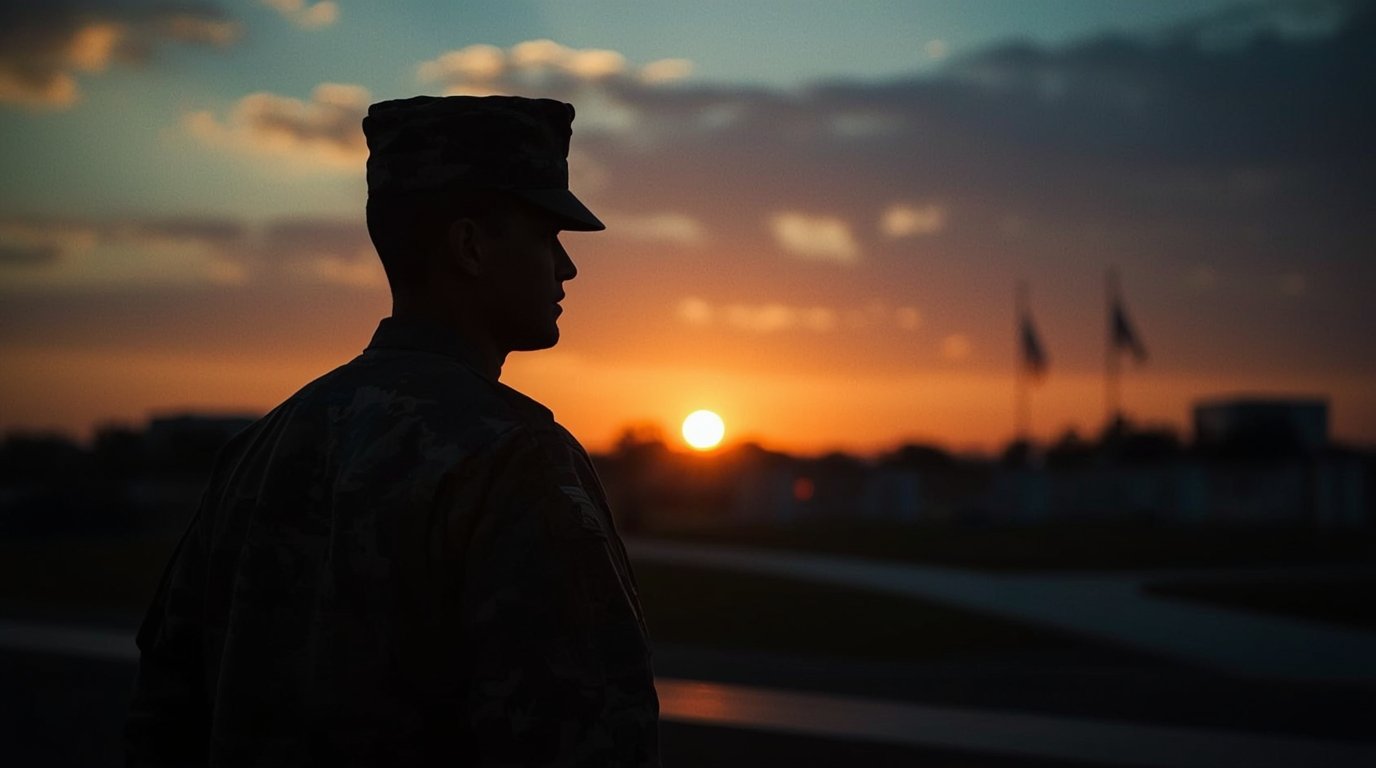
Armed Forces Veterans’ Day in India holds profound significance as it serves to honor the commitment and sacrifices made by military veterans from the Indian Army, Navy, and Air Force. The observance of this day was first instituted in recognition of the retirement of Field Marshal K.M. Cariappa on 14th January 1953, marking a historical moment that not only acknowledged his service but also the valor of countless others who have defended the nation. This date was thoughtfully selected to symbolize the nation’s gratitude towards its military personnel.

for the $3,000 Special Allowance
Recognizing Armed Forces Veterans’ Day is vital for understanding the importance of military service in the context of national security. Veterans have played an instrumental role in safeguarding the sovereignty of India and preserving peace within its borders. Their dedication extends beyond their active years of service, as many veterans continue to contribute to society in different capacities. Celebrating this day serves as a reminder of their experiences, resilience, and ongoing contributions.
The observance of Veterans’ Day also has broader implications for societal values. It emphasizes respect for those who have served and highlights the critical role they play in shaping national identity. By commemorating their sacrifices, this day fosters a sense of unity and appreciation among civilians. Various activities, including parades, remembrance ceremonies, and community events, are organized to engage the public in honoring these heroes, reinforcing the collaborative relationship between veterans and society.

Through the observance of Armed Forces Veterans’ Day, the nation reaffirms its commitment to veterans and their families, ensuring that their stories and accomplishments are not forgotten. This day serves as an essential institution, bridging the past sacrifices of military personnel with the present and future responsibilities of the nation as a whole.
Field Marshal K.M. Cariappa: A Legacy of Leadership
Field Marshal K.M. Cariappa holds a seminal place in the history of the Indian Armed Forces, having been the first Commander-in-Chief of the Indian Army after the nation gained independence in 1947. His military career spans significant milestones, which have not only shaped the structure and ethos of the Indian Army but have also set a precedent for future leadership within the defense forces. Drawing from a wealth of experience, Cariappa guided the army through the early years of independence, a period marked by critical challenges and the need for a robust defense strategy.
One of Cariappa’s most notable contributions was his role during the Indo-Pakistani War of 1947-48, which saw the Indian Army adopting strategies that emphasized both defense and diplomacy. His leadership during this conflict underscored his deep commitment to national service and displayed a clear understanding of the geopolitical landscape of the times. Cariappa’s ability to inspire his troops and cultivate a culture of professionalism and integrity within the ranks has left a lasting impact on the Indian Army, fostering a spirit of camaraderie and dedication.

Moreover, Field Marshal Cariappa’s vision extended beyond immediate military concerns. He advocated for modernization and improvement of the armed forces, notably emphasizing the need for proper training and infrastructure. His foresight in implementing progressive defense policies has laid the groundwork for subsequent reforms, ensuring the Indian Army remains capable and ready to respond to contemporary security challenges. The legacy of K.M. Cariappa is commemorated not just in the annals of military history, but also in the hearts of every soldier who draws inspiration from his principles of leadership, resilience, and patriotism.
Celebration Activities and Events Across the Country
Armed Forces Veterans’ Day, observed on January 14, is a significant occasion in India that honors the valor and sacrifices of military veterans. Across the nation, various activities and events are organized to commemorate this day, showcasing the immense respect and admiration societies hold for these heroes. One of the most prominent events includes parades, held in major cities like New Delhi, Mumbai, and Bengaluru. These parades feature marching contingents of armed forces personnel, veterans, and various cultural performances that highlight India’s rich military heritage.
Tribute ceremonies are also a central aspect of the celebrations. These events often take place at war memorials, where local officials and citizens gather to pay their respects. Wreath-laying ceremonies allow individuals to express gratitude to those who have served and sacrificed for the nation. Schools and colleges frequently participate by hosting their own commemorative events, incorporating educational sessions about the importance of the armed forces and the responsibilities of citizenship.
Community events further enhance the celebrations, creating a platform for civilians to engage with veterans. These initiatives may involve local organizations coordinating programs that provide outreach and support for veterans and their families. Activities such as veteran sharing sessions allow them to narrate their experiences, fostering a deeper connection between the community and the armed forces.
In addition to these formal events, several local initiatives encourage community involvement, where citizens participate in fundraising drives, volunteer services, and even workshops aimed at educating the youth about the significance of Veterans’ Day. By engaging in these activities, civilians can contribute meaningfully to the national discourse on honoring the sacrifices made by the armed forces, thus strengthening the bond between society and its defenders.
The Role of Society and Government in Supporting Veterans
Following their courageous service, armed forces veterans often face a multitude of challenges reintegrating into civilian life. Recognizing the significance of support systems, both government initiatives and community efforts play a crucial role in ensuring that veterans receive the assistance they need. This topic is particularly pertinent in the Indian context, where evolving societal attitudes toward veterans are shaping a more supportive environment.
The government of India has implemented various programs aimed at aiding veterans as they transition from active duty. This includes rehabilitation programs designed to address both physical and mental health challenges faced by returning service members. Social welfare initiatives, such as financial assistance, vocational training, and housing schemes, provide vital resources for veterans striving to establish a stable civilian life. Furthermore, the government often organizes events and commemorative activities that celebrate the sacrifices made by veterans, thus fostering a sense of national pride and acknowledgment.
Alongside government efforts, society plays an equally important role in supporting veterans. Public awareness campaigns serve to educate citizens about the contributions and sacrifices of armed forces personnel, helping to foster a culture of respect and gratitude toward veterans. Community-based support groups and NGOs work diligently to provide mental health support, peer counseling, and networking opportunities, all aimed at easing the transition for those who have served. As societal attitudes continue to evolve, there is a growing recognition of the necessity of supporting veterans, encouraging individuals to engage in initiatives that uplift and empower them.
In conclusion, the collective responsibility of both the government and society is crucial in providing the necessary support systems for veterans. Through active engagement and ongoing recognition of their contributions, India can cultivate an environment that honors these individuals and facilitates their successful reintegration into civilian life.