

Introduction to VA Healthcare
The Department of Veterans Affairs (VA) serves a pivotal role in providing healthcare and benefits to millions of veterans across the United States. Founded in response to the needs of American servicemen and women, the VA is dedicated to ensuring that those who have served the nation can access quality healthcare services tailored to their unique experiences. The organization’s mission is grounded in a commitment to honor veterans by delivering comprehensive healthcare and benefits, addressing both physical and mental health needs.

for the $3,000 Special Allowance
Accessible healthcare is crucial for veterans, who often face various challenges, including service-related injuries and chronic conditions. The VA is aware of these complexities and has developed a broad spectrum of programs designed to meet the diverse needs of this population. This includes mental health services, specialized treatment for conditions such as PTSD, and programs that address the complexities of aging among veterans. Enhancing the accessibility of healthcare services fosters an environment where veterans can feel supported in their recovery and overall health improvement.
Moreover, the significance of these healthcare services is fully understood by the VA, as they have a profound impact on veterans’ well-being and reintegration into civilian life. Access to timely medical attention and preventative care can lead to significant improvements in quality of life and longevity. The VA’s holistic approach not only aims to treat physical ailments but also emphasizes mental health, rehabilitation, and social services that contribute to the overall wellness of veterans. Understanding and accessing these healthcare resources provided by the VA is essential for veterans seeking to reclaim their health and lead fulfilling lives post-service.
Healthcare Services Coverage

The Department of Veterans Affairs (VA) provides a broad range of healthcare services designed to meet the diverse needs of enrolled veterans. This comprehensive approach ensures that veterans have access to necessary medical care throughout their lives. The VA offers routine checkups, which are fundamental for monitoring health status and addressing any emerging issues promptly. These checkups serve as a first point of contact, allowing veterans to establish a regular relationship with healthcare providers, fostering continuity of care.
In addition to routine examinations, the VA covers various specialist appointments. This aspect of care is crucial as it provides veterans with access to experts in fields such as cardiology, orthopedics, and mental health, among others. By facilitating these specialist visits, the VA ensures that more complex health conditions can be effectively managed, significantly enhancing the overall health outcomes of veterans.
Inpatient hospital services are another vital component of the VA’s healthcare offerings. For veterans requiring more intensive care, such as surgeries or specialized treatments, these services ensure that they can receive comprehensive care in a supportive environment. The VA’s inpatient facilities are equipped to handle a wide range of health issues, from acute medical conditions to rehabilitative needs.
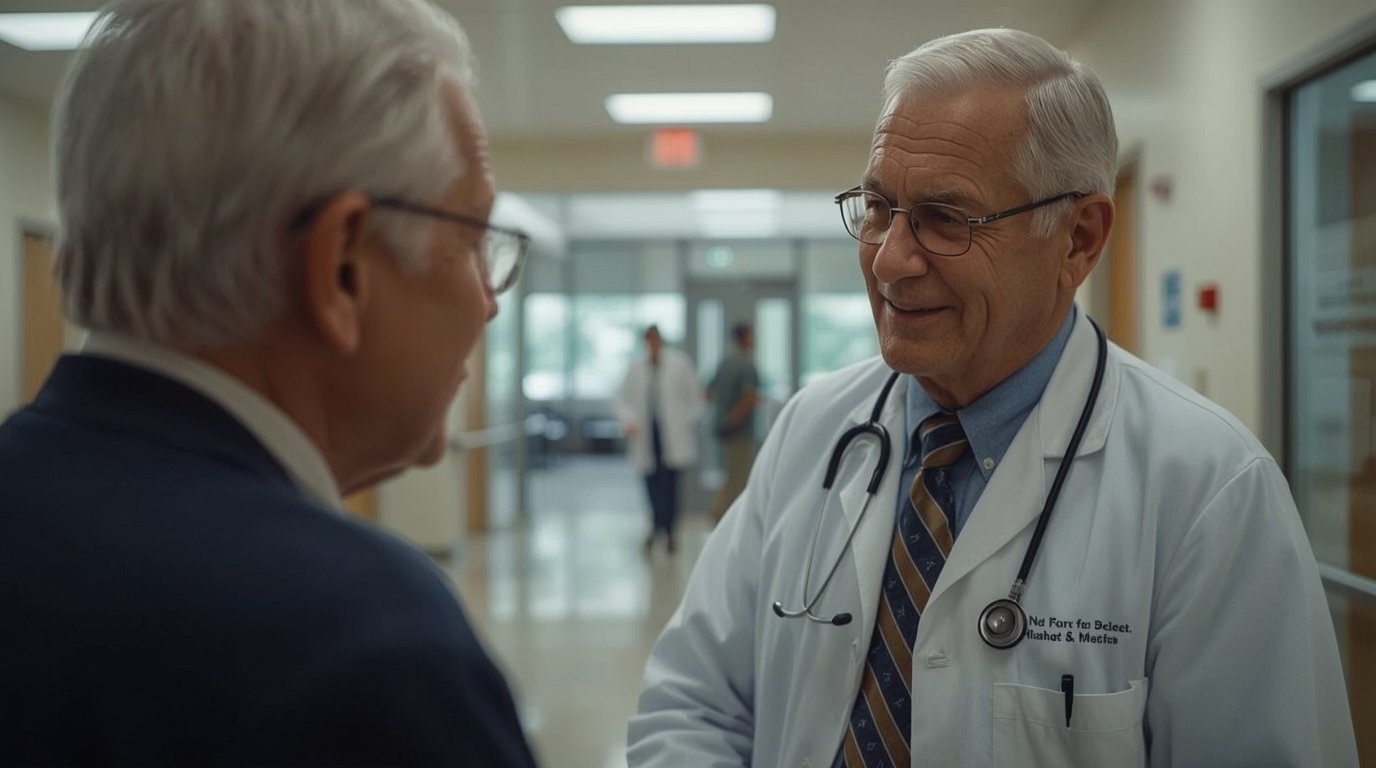
Preventive care is an essential aspect of the VA’s approach, focusing on avoiding illnesses before they develop. This includes vaccinations, screenings for various diseases, and health education, which empower veterans to take charge of their health proactively. Furthermore, the provision of medical equipment and prescriptions caters to the ongoing needs of veteran patients, ensuring they have access to essential medications and devices like mobility aids or prosthetics, which can significantly improve their quality of life.
Through this extensive range of healthcare services, the VA plays a critical role in supporting the well-being of veterans, effectively addressing a wide spectrum of both physical and mental health needs.
Eligibility and Enrollment for VA Healthcare
Eligibility for healthcare services provided by the Department of Veterans Affairs (VA) is guided by a set of criteria that revolves around various aspects of a veteran’s service. Key factors influencing eligibility include discharge status, disability ratings, and length of service. For veterans to access VA healthcare, they typically must have received a discharge that is not dishonorable. This criterion ensures that the healthcare services cater primarily to those who honorably served in the military.

Disability ratings, determined through assessments by the VA, play a critical role in eligibility, as these ratings can qualify veterans for additional healthcare benefits. For instance, veterans with service-connected disabilities that are rated at 50% or higher are assigned to priority group 1, granting them top-tier access to VA services. Conversely, veterans with lower disability ratings may be placed in lower priority groups, thus influencing their access to specialized care and the associated costs for services rendered.
The enrollment process for VA healthcare is straightforward but requires veterans to apply online, by mail, or in person, submitting necessary documentation, including their DD Form 214 and any medical records supporting their claims. Once enrolled, veterans are classified into one of several priority groups, ultimately determining the level of access to care and any related costs they may incur. Importantly, the eligibility criteria align with the regulations set forth in the Affordable Care Act, ensuring that veterans have access to comprehensive healthcare services that meet the same standards mandated for civilian populations.
This systematic approach to eligibility and enrollment is critical for veterans seeking quality medical care and benefits, offering assured pathways to necessary support and services.
Application Process for VA Benefits
The application process for Veterans Affairs (VA) benefits is designed to facilitate access to essential healthcare and various entitlements for veterans. Understanding the methods available for application is crucial for ensuring that veterans can obtain the support they need. The VA has developed several avenues for application: online, by phone, through the mail, and in-person visits to VA facilities.
First, veterans can apply online via the VA’s official website, which provides a user-friendly interface for submitting applications for healthcare, disability benefits, and other services. This method has been increasingly adopted due to its convenience and the ability to track the status of submissions in real time. Additionally, veterans can reach out to VA representatives through a dedicated phone line. This option allows veterans to receive immediate assistance, but wait times may vary based on call volume.
For those who prefer traditional methods, applications can also be submitted by mail. The VA offers downloadable forms that can be filled out and sent directly to the appropriate regional office. However, this method may lead to longer processing times, and veterans need to ensure that they send their applications to the correct address. Lastly, veterans can visit their nearest VA facility to complete paperwork in person. While this option offers personal assistance, it may require time spent in queues and navigating local procedures.
Despite these various methods of application, veterans often encounter challenges while navigating the system. These obstacles can range from complex terminology to lengthy processing times and difficulty understanding eligibility requirements. The VA has recognized the need for continuous improvement in the application experience, implementing initiatives to streamline processes and reduce barriers. Overall, the VA remains committed to ensuring that veterans can reliably access healthcare and the benefits they deserve.
Specialized Support for Unique Veteran Populations
The Department of Veterans Affairs (VA) offers an array of specialized programs aimed at addressing the diverse needs of distinct veteran populations. Among these groups, homeless veterans and women veterans represent two categories that require particular attention due to the unique challenges they face. Recognizing these differences, the VA has developed tailored healthcare services and outreach initiatives aimed at ensuring these veterans receive the support they need.
For homeless veterans, the VA has established various programs designed to provide immediate and long-term assistance. This includes access to essential health services, housing solutions, and employment opportunities. The Homeless Veterans Program focuses on connecting these individuals with healthcare providers, thus facilitating their integration into the broader healthcare system. This comprehensive approach not only addresses urgent medical needs but also aids in the recovery process through supportive interventions, including counseling and substance abuse treatment.
Women’s healthcare needs are similarly prioritized within the VA framework. Programs specifically designed for women veterans have been instituted to offer specialized services, such as maternity care, reproductive health services, and mental health support. Women’s health clinics at VA facilities focus on creating a safe and welcoming environment where these veterans can receive comprehensive care tailored to their unique experiences and needs. The VA also emphasizes outreach to ensure that women veterans are aware of the available resources, including female-specific health programs and support groups.
Furthermore, community partnerships play a crucial role in bridging the gap between veteran populations and essential resources. The VA collaborates with local organizations and nonprofits to enhance outreach efforts and improve the accessibility of services for both homeless veterans and women veterans. These connections facilitate the flow of information and ensure that veterans are informed about housing, medical care, and social services available to them.
Community Care Programs
The Department of Veterans Affairs (VA) has established Community Care Programs to ensure that veterans living in remote or underserved areas have access to essential healthcare services. These programs represent a significant shift towards a more inclusive approach in delivering healthcare, enabling veterans to receive medical attention without needing to travel long distances to VA facilities. By collaborating with private-sector healthcare providers, the VA has created a robust network that not only enhances the accessibility of care but also improves the overall quality of services available to veterans.
Eligibility for Community Care Programs is determined by specific criteria that can include distance from a VA facility, wait times for appointments, and service-related health conditions. Veterans may qualify for community care if they reside more than 40 miles away from the nearest VA facility or if the wait time for a requested appointment exceeds the VA’s standards. These criteria are designed to ensure that veterans can promptly receive the healthcare services they require, ultimately reducing barriers to care.
The benefits of these community care programs are manifold. For many veterans, local access to healthcare reduces the time and expense associated with long travels to VA medical centers, many of which may not be conveniently located. Additionally, by utilizing private-sector providers, the VA can offer a broader range of services and specialties, accommodating varying health needs more effectively. Through these partnerships, veterans often experience shorter wait times, greater flexibility in appointment scheduling, and a wider selection of treatment options. Furthermore, the integration of community care fosters a personalized care experience, as veterans can choose providers who best fit their individual healthcare needs.
Overall, the VA’s Community Care Programs play a crucial role in promoting timely and efficient access to healthcare for veterans, particularly those residing in remote locations.
Mental Health and Crisis Support Services
The mental health of veterans is a critical concern, and the U.S. Department of Veterans Affairs (VA) offers a robust array of resources to address this need. The VA recognizes that the transition from military to civilian life can present emotional and psychological challenges for many veterans. As part of its commitment to supporting the mental well-being of these individuals, the VA provides various services aimed at promoting mental health and facilitating access to care.
One of the key resources available is the Veterans Crisis Line, a 24/7 hotline dedicated to providing immediate support to veterans in crisis. This confidential service connects veterans and their families with qualified counselors who have expertise in handling emotional distress and crisis situations. Whether it is a mental health emergency, suicidal thoughts, or a need for someone to talk to, the Veterans Crisis Line stands as a beacon of hope and support.
In addition to the crisis line, the VA operates Vet Centers across the nation, which play a crucial role in offering free counseling services to veterans. These centers provide a variety of mental health services, including individual and group therapy, assistance with readjustment issues, and resources for addressing post-traumatic stress disorder (PTSD). The Vet Centers foster a welcoming environment where veterans can receive support and share their experiences with peers who understand their unique challenges.
Moreover, the VA is dedicated to eradicating the stigma associated with seeking mental health care, ensuring that veterans feel comfortable accessing these essential services. By prioritizing mental health and making resources readily available, the VA aims to enhance the overall well-being of veterans, ultimately enabling them to lead fulfilling lives after their military service. The integration of mental health support into the overall framework of veteran services reflects the VA’s comprehensive commitment to addressing the complex needs of those who have served our country.
Disability Compensation and Financial Support
The U.S. Department of Veterans Affairs (VA) plays a pivotal role in ensuring that veterans receive the necessary financial support through its disability compensation programs. These programs are specifically designed for veterans who have incurred injuries or illnesses connected to their military service. Veterans can apply for these benefits, which provide tax-free monthly payments, aimed at offsetting the economic impact of their service-related conditions.
Disability compensation is not merely a financial lifeline; it directly enhances veterans’ access to essential healthcare services. By receiving monthly payments, veterans can alleviate some of their financial burdens, enabling them to seek medical treatment without the hindrance of out-of-pocket expenses. This not only improves their overall health outcomes but also encourages timely engagement with healthcare providers, fostering a proactive approach to their health.
However, despite the benefits that accompany these programs, awareness among veterans remains a significant challenge. Many eligible veterans are not fully informed about their rights to receive disability compensation. Educating veterans about available programs is crucial in increasing their participation and ensuring they receive the benefits they deserve. The VA is actively working on outreach efforts to bridge this gap, providing information through various channels, including online resources, workshops, and community outreach initiatives. These efforts aim to empower veterans, guiding them through the application process and helping them understand the requirements necessary to qualify for financial support.
In conclusion, the VA’s disability compensation programs serve as a vital resource for veterans, not only providing monthly financial support but also facilitating better access to healthcare services. Increasing awareness of these programs is essential to ensure that veterans are receiving the comprehensive support they need and deserve, ultimately resulting in improved health outcomes and quality of life.
Challenges and Barriers to Accessing VA Services
Veterans often face numerous challenges and barriers when attempting to access healthcare and benefits provided by the Department of Veterans Affairs (VA). One significant hurdle is the enrollment process, which can be complex and daunting for many individuals. Veterans may encounter difficulties in determining eligibility and understanding the documentation required to complete their applications. This complexity can discourage them from even initiating the process, leading to a lack of access to essential services.
Additionally, the VA system is frequently confronted with backlogs that hinder timely access to care and benefits. These delays can be detrimental to veterans, many of whom require prompt medical attention or financial support. The backlog problem has persisted for years, resulting in frustrations not only for the veterans impacted but also for the staff tasked with delivering these services. Efforts to streamline overall processes have been made, yet the existing limitations remain a significant barrier.
Furthermore, communication issues between different agencies and departments complicate the situation for veterans seeking assistance. Fragmented communication can lead to misinformation or a lack of clarity regarding available benefits and healthcare options. Veterans may not receive timely updates about their applications or the status of their health benefits, which further complicates their experience and engenders distrust in the system.
In response to these challenges, calls for reform have surfaced. Advocates emphasize the need for automatic enrollment processes that would simplify the application experience and ensure veterans receive the support they deserve without the current administrative burdens. Enhanced inter-agency communication is also critical to facilitate timely access and improve the overall navigation of VA services. These recommended changes aim to bolster the efficacy of the VA’s support for veterans and create a more veteran-friendly system.
Conclusion
In the landscape of veteran healthcare, the Department of Veterans Affairs (VA) plays a crucial role in ensuring that those who have served their country receive the necessary medical attention and support services. The VA’s commitment extends beyond traditional healthcare provision; it encompasses a broad spectrum of benefits designed to enhance the quality of life for veterans. From mental health services to rehabilitation programs, the VA recognizes the diverse needs of veterans and endeavors to meet them through its extensive network of resources.
However, despite these efforts, challenges still remain that hinder access to healthcare and benefits for many veterans. Issues such as administrative hurdles, lengthy wait times, and lack of awareness about available services pose significant barriers. The need for continuous improvement in service delivery cannot be overstated. Efforts must be undertaken to streamline processes and simplify navigation for veterans seeking assistance. This necessitates not only the enhancement of VA systems but also better communication of the services available to veterans and their families.
Furthermore, collaboration with community partners is vital for optimizing outcomes. The VA’s initiatives can be significantly bolstered by partnerships with local organizations, private healthcare providers, and veteran service organizations. These collaborations can facilitate smoother transitions and provide veterans with a more holistic approach to healthcare. The integration of community resources can also aid in addressing gaps in service, ensuring that veterans have access to comprehensive care.
Ultimately, the ongoing commitment to improve access to healthcare and benefits for veterans will create a more supportive environment for those who have dedicated their lives to serving the nation. Continuous evaluation and engagement with stakeholders, including veterans themselves, will be imperative to enhance service delivery and support systems. The collective aim should be to honor their service by ensuring they receive the care they rightfully deserve.