

Introduction
The landscape for U.S. veterans is continuously evolving, influenced by various political, social, and economic factors. As of September 24, 2025, it is imperative to analyze the current trends and concerns that are shaping the veteran community. This blog post aims to provide a comprehensive snapshot of the most significant issues facing veterans today, examining how these developments affect their lives and overall well-being.

for the $3,000 Special Allowance
One prominent trend is the ongoing workforce reductions at the Department of Veterans Affairs (VA), which have raised concerns regarding job security and access to vital services for veterans. There has been a palpable shift in the VA’s budget allocation, impacting the resources available for veteran care and support. These changes not only affect employees within the VA but also extend to the veterans who depend on these services for healthcare, education, and benefits.
In addition to workforce concerns, upcoming resource events are crucial for veterans seeking new opportunities. These events aim to connect veterans with essential services, employment prospects, and community support networks. Such initiatives play a vital role in providing veterans with the tools and resources they need to reintegrate into civilian life and thrive in their respective fields.

Another critical issue involves legislative efforts aimed at addressing the unique circumstances of non-citizen veterans. As many individuals who have served honorably in the U.S. military are navigating a complex path to citizenship, advocacy for fair legislative measures is increasingly paramount. This section of the veteran community deserves attention to ensure that their sacrifices are recognized and rewarded.
Lastly, veteran homelessness remains a pressing concern. Initiatives geared towards preventing and addressing homelessness among veterans are essential, as homelessness affects not only the individuals but also the fabric of communities they return to. Understanding these trends is crucial for developing effective strategies to support U.S. veterans now and in the future.
VA Workforce Reductions
In September 2025, a significant workforce reduction at the Department of Veterans Affairs (VA) has resulted in approximately 10,000 employees resigning. This event has sparked concerns among veterans and their advocacy groups, who worry about the ramifications of such a substantial decrease in personnel on the overall quality of care and essential services provided to veterans. The VA has historically faced challenges in meeting the needs of its population, and these recent resignations could exacerbate existing issues.
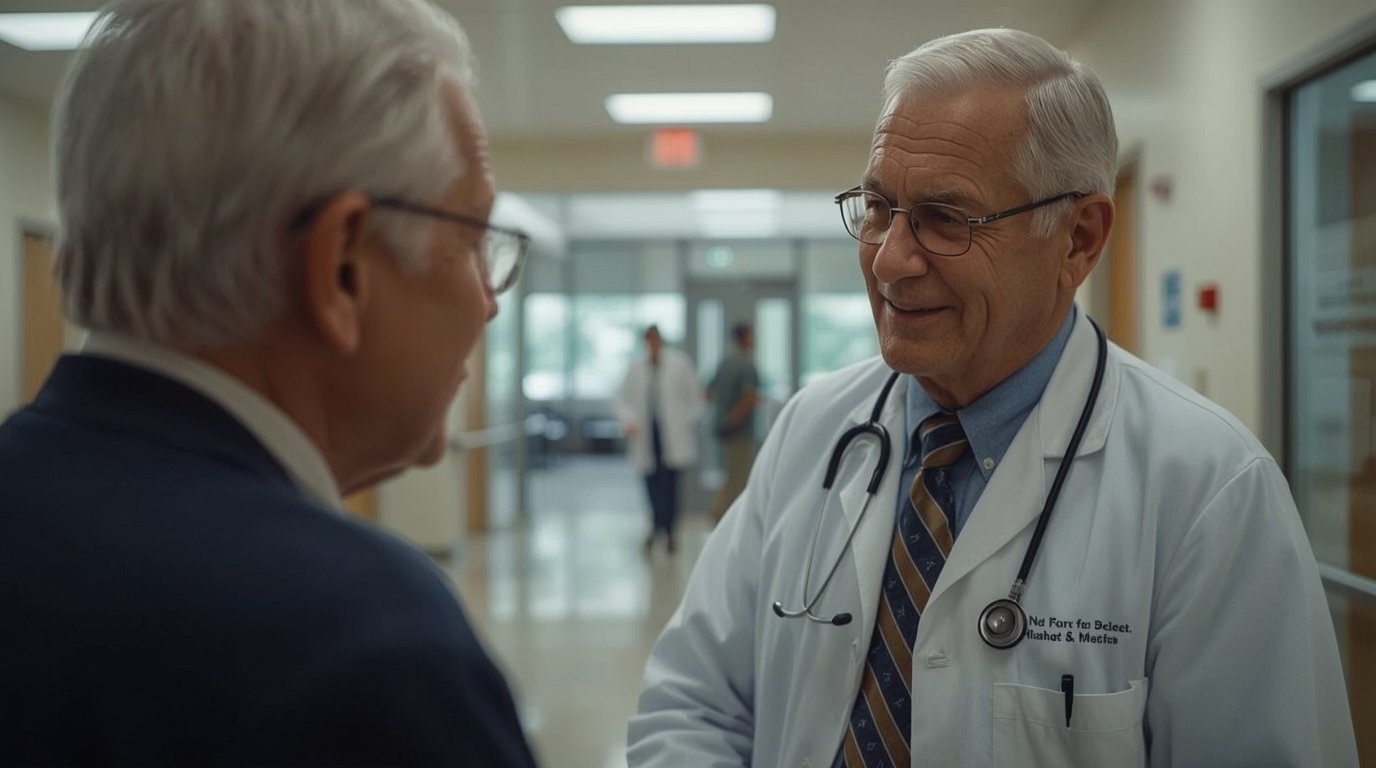
The widespread staff reductions may lead to longer wait times for appointments, diminished availability of medical services, and reduced access to mental health resources, all of which are critical for veterans. Given the already strained system, the loss of a significant number of professionals raises valid questions about how effectively the remaining staff will manage the increased workload and whether they can maintain the high standards of care that veterans deserve. Moreover, the morale of the existing employees may also be adversely affected, potentially exacerbating the challenges faced by the VA.
Veterans’ organizations have voiced their apprehension about these developments, emphasizing that understaffed facilities can compromise patient safety and lead to more prolonged periods of distress for veterans in need of timely and adequate care. With the complex health issues that many veterans endure, such as PTSD, homelessness, and chronic illnesses, the consequences of inadequate staffing could be severe.
As the VA navigates this staffing crisis, it is essential for the organization to explore sustainable strategies to address these reductions. This could involve enhancing recruitment efforts, offering incentives to retain staff, and perhaps focusing on improving the workplace environment to attract new hires. Ensuring that veterans continue to receive quality care should remain the top priority amid these challenging circumstances.
Impact on Veteran Care Quality

The recent staffing cuts at the Department of Veterans Affairs (VA) prompt significant concerns regarding the quality of care received by U.S. veterans. This decrease in personnel can lead to delays in medical services, adversely affecting healthcare outcomes for veterans who rely on timely access to care. The need for adequate staffing is essential to ensure that veterans receive the level of medical attention necessary for their well-being, particularly as many face complex health challenges resulting from their service.
Veterans, advocates, and healthcare professionals emphasize that reduced staffing at the VA could hinder not only the speed of service provision but also the quality of care itself. Inadequate staff levels may lead to longer wait times for appointments, resulting in veterans missing critical follow-ups or treatments. A veteran, sharing their experience, stated, “I waited months for a specialist appointment, only to find that my health had deteriorated in the meantime.” This highlights the pressing need for increased resources to address the unique healthcare needs of veterans.
Moreover, support roles within the healthcare team play a vital part in maintaining the quality of care. Without sufficient administrative, nursing, and allied health personnel, the remaining staff may become overwhelmed, leading to burnout and further reductions in the standard of care. Advocates for veterans’ healthcare argue that investing in staffing and promoting a supportive work environment is crucial to providing high-quality medical care. As one advocate put it, “Effective care for veterans depends not only on physicians but on a robust support system.”
Understanding the implications of staffing cuts is essential not just for current service members, but also for the long-term health of the veteran population. The challenges faced today will have a lasting impact if not addressed promptly, urging the need for policy changes and increased funding to enhance the VA’s capabilities in delivering quality care.
Veterans Resource Events and Programs
In an effort to support U.S. veterans, a range of resource fairs and town halls organized by the Department of Veterans Affairs (VA) are regularly conducted. These initiatives serve as vital platforms for enabling veterans to easily navigate their benefits and claims, ensuring that they stay informed about the various programs and resources available to them. The VA recognizes that access to information is crucial for veterans seeking to maximize their advantages under the law, and these events provide an excellent opportunity for personalized assistance.
Veterans resource fairs are designed to gather service providers, governmental agencies, and non-profit organizations in one location, allowing veterans to meet face-to-face with representatives. These interactions can significantly enhance a veteran’s understanding of their entitlements, including healthcare services, education benefits, and housing assistance. Additionally, through town hall meetings, veterans can voice their concerns and perspectives. This opens dialogues between veterans and VA officials, fostering a sense of community and ensuring that their needs are being addressed timely.
Beyond the practical aspects of benefits navigation, the VA also promotes engaging programs aimed at the holistic well-being of veterans. Initiatives like unique whole health activities have gained popularity, with examples including programs such as beekeeping, which not only provide therapeutic benefits but also allow veterans to connect with one another in a nurturing environment. These activities encourage skill-building and promote a sense of purpose, while also fostering community interaction.
Through these multifaceted events and programs, the VA is committed to facilitating a supportive network that champions the well-being and integration of veterans into society. By participating in such opportunities, veterans not only gain critical resources but also strengthen the bonds within their community, ultimately leading to an improved quality of life.
Legislative Efforts for Non-Citizen Veterans
The landscape of legislative efforts aimed at safeguarding non-citizen veterans has become increasingly prominent in recent years. These veterans, who have bravely served in the U.S. military, often find themselves in precarious situations due to their immigration status. With the complexities of immigration laws and the ongoing debate regarding border security, non-citizen veterans face the dual challenge of integrating into civilian life while navigating potential deportation.
In response to the unique challenges confronted by this subgroup, several bipartisan efforts have emerged within Congress. These proposed legislative measures are designed to provide a pathway to citizenship for non-citizen veterans and ensure that they are afforded the same protections as their citizen counterparts. This is particularly important given that many non-citizen veterans risk their lives for a country that may not recognize their status upon return. Recent proposals advocate for streamlined processes that grant these individuals access to citizenship, thereby acknowledging their sacrifices for the nation.
Moreover, these legislative efforts reflect a wider societal recognition of the contributions made by non-citizen veterans. As the discussions about immigration reform continue, the plight of non-citizen service members has drawn attention from various advocacy groups and lawmakers alike. By highlighting their status and the prospect of deportation, proponents of these bills aim to foster a more inclusive narrative around military service and citizenship, thereby reinforcing the notion that service to the country should transcend immigration status. As we approach potential legislative changes, the focus remains steadfast on ensuring that non-citizen veterans receive the recognition and support they deserve.
Funding for Veteran Homelessness Initiatives
The issue of veteran homelessness remains a critical concern, necessitating concerted efforts from multiple stakeholders, including government entities and non-profit organizations. The U.S. Department of Veterans Affairs (VA) has implemented various funding initiatives aimed at supporting programs designed to combat homelessness among veterans. In recent years, there has been a noticeable increase in grants awarded by the VA and state governments, reflecting an urgent need for comprehensive solutions. These funds are allocated to support a range of programs such as transitional housing, permanent supportive housing, and outreach services.
Through targeted funding, the VA aims to provide adequate support and resources that facilitate the reintegration of homeless veterans into society. The availability of financial assistance allows organizations to offer essential services, including mental health support, job training, and substance abuse treatment. Moreover, local governments have began to collaborate closely with the VA, recognizing that addressing homelessness among veterans requires a multi-faceted approach. These collaborations often involve a network of governmental and non-governmental organizations working hand in hand to maximize the impact of available resources.
The importance of these initiatives cannot be overstated; they represent a commitment to addressing the needs of those who have served the nation and are facing challenging circumstances. Key partnerships and innovative program models are crucial in ensuring effective resource allocation and delivery of services to homeless veterans. Furthermore, grassroots movements have emerged within communities, which seek to raise awareness and advocate for more funding and policy changes. Collectively, these efforts contribute to a more integrated response to the issue of veteran homelessness, ensuring that those who served the country can receive the support they deserve.
Advocacy for Labor Rights and Staffing Issues
The advocacy for labor rights related to veterans’ care has garnered significant attention, particularly among veterans’ organizations and lawmakers. As the demand for services provided by the Department of Veterans Affairs (VA) continues to rise, so too does the need for a capable workforce equipped to meet the complexities of veterans’ health needs. Advocacy efforts are primarily focused on ensuring that VA employees are treated fairly and that their working conditions are conducive to providing high-quality care.
Various veterans’ organizations have emerged as key players in championing the rights of VA staff. These organizations emphasize the importance of adequate staffing levels to prevent burnout and maintain high standards of care for veterans. They argue that insufficient staffing can lead to overworked employees, compromise patient care, and ultimately harm the very veterans who rely on these services. Advocacy groups are actively engaging with legislators to address these staffing issues, pushing for legislation that protects labor rights and seeks to improve working conditions within the VA.
Lawmakers have begun to respond to these concerns, recognizing that an effective workforce is crucial for the delivery of services to veterans. Discussions surrounding labor rights have emerged in legislative hearings, focusing on how fair labor practices can help attract and retain skilled professionals in the VA system. By improving the treatment of VA employees, it is posited that the quality of care delivered to veterans will also enhance, thus creating a positive feedback loop where well-supported staff can better serve their clientele.
Moreover, there are ongoing debates regarding the unique challenges faced by employees in the VA system. Issues such as workplace stress, emotional strain, and inadequate resources are hindering the ability of these professionals to provide optimal care. Advocacy for labor rights is essential in shaping policies that prioritize employee well-being, thereby ensuring that veterans receive the standards of care they deserve. In conclusion, the commitment to upholding labor rights and addressing staffing challenges remains instrumental in enhancing the overall healthcare experience for U.S. veterans.
Community Connection Platforms
In recent years, the emergence of community connection platforms has significantly impacted the way U.S. veterans engage and support one another. These platforms, designed specifically to cater to the unique needs of veterans, facilitate meaningful connections by allowing individuals to share their experiences, challenges, and successes. By fostering an environment of mutual understanding, these platforms are instrumental in combatting feelings of isolation and loneliness often faced by veterans after returning to civilian life.
The significance of shared experiences cannot be overstated. Veterans often find solace in connecting with others who have endured similar circumstances, creating a niche community where empathy thrives. These connections allow veterans to exchange stories that resonate deeply, validating their feelings and experiences. In addition to emotional support, many of these platforms provide avenues for networking, job opportunities, and access to resources tailored to veterans’ needs. This multifaceted approach not only enriches life satisfaction but also enhances mental health outcomes.
Online forums, social media groups, and dedicated mobile applications have emerged as crucial resources within this ecosystem, providing veterans with continual access to community support. For instance, platforms like Veterans of Foreign Wars (VFW) and American Legion offer both virtual and in-person meetups, bridging the gap between technology and personal interaction. In these safe spaces, veterans can engage in discussions ranging from mental health to personal development, strengthening the bonds of camaraderie.
Moreover, peer support has been shown to be particularly beneficial for mental health. By engaging with fellow veterans who understand the challenges of readjustment to civilian life, individuals can share coping strategies and advice. This collaborative environment contributes positively to emotional well-being, often resulting in improved quality of life for participants. Overall, community connection platforms serve as vital tools in empowering veterans to build a robust support network, enhancing both their mental health and life satisfaction.
Conclusion
As of September 24, 2025, U.S. veterans stand at a crucial juncture where the interplay of policy changes, economic recovery, and social dynamics shapes their everyday lives. The trends highlighted throughout this blog post demonstrate a complex landscape in which veterans are increasingly seeking and accessing services tailored to their unique needs. Employment initiatives, mental health resources, and housing assistance represent vital areas where progress is being made, albeit unevenly across various regions and demographics.
Despite the advancements observed, significant challenges remain. Many veterans continue to grapple with issues such as high unemployment rates, mental health struggles, and inadequate access to healthcare. Moreover, transitions from military to civilian life are often fraught with obstacles, underscoring the need for comprehensive support systems. The disparity in resources, especially for marginalized veteran populations, is a critical concern that demands immediate attention.
The role of various stakeholders—government agencies, non-profit organizations, and the private sector—cannot be overstated in driving meaningful change. Collaborative efforts focused on policy advocacy, funding for veteran services, and improved data tracking are essential to ensure that veterans receive the support they need. Additionally, public awareness campaigns are crucial for fostering a community that understands the sacrifices made by veterans and the intricacies of their post-service experiences.
Looking ahead, it is imperative that collective action continues to build upon the progress achieved thus far. Ensuring that veterans are not only heard but actively involved in discussions regarding their care can lead to more effective solutions. By fostering an inclusive dialogue and prioritizing the implementation of holistic strategies, we can work towards enhanced outcomes for this vital population. It is our shared responsibility to keep the well-being of U.S. veterans in focus, acknowledging both their sacrifices and their rights to thrive in civilian life.