
Overview of the Veteran Population
The veteran population in the United States has undergone significant transformations over the years, characterized by various demographic shifts and changes in overall numbers. As of 2023, there are approximately 19 million veterans in the U.S., reflecting a gradual decline from earlier decades. This decrease is largely attributable to the aging of the veteran population, particularly among those who served in major conflicts such as World War II, Korea, and Vietnam, which has historically constituted a substantial portion of the veteran demographic.

for the $3,000 Special Allowance
In contrast to this decline, there has been a notable increase in the diversity of the veteran community. Women veterans currently represent about 10% of the total veteran population, a significant rise from previous decades. This upward trend is indicative of broader societal changes, including the increased participation of women in the armed forces. Moreover, minority veterans, encompassing various ethnic and racial groups, are also experiencing representation growth. Approximately 20% of veterans identify as minorities, illustrating a shift towards a more diverse veteran landscape.
<pthese a="" accessible="" address="" aimed="" all="" and="" as="" assistance="" at="" background,="" become="" can="" carry="" challenges.
Healthcare Advances for Veterans

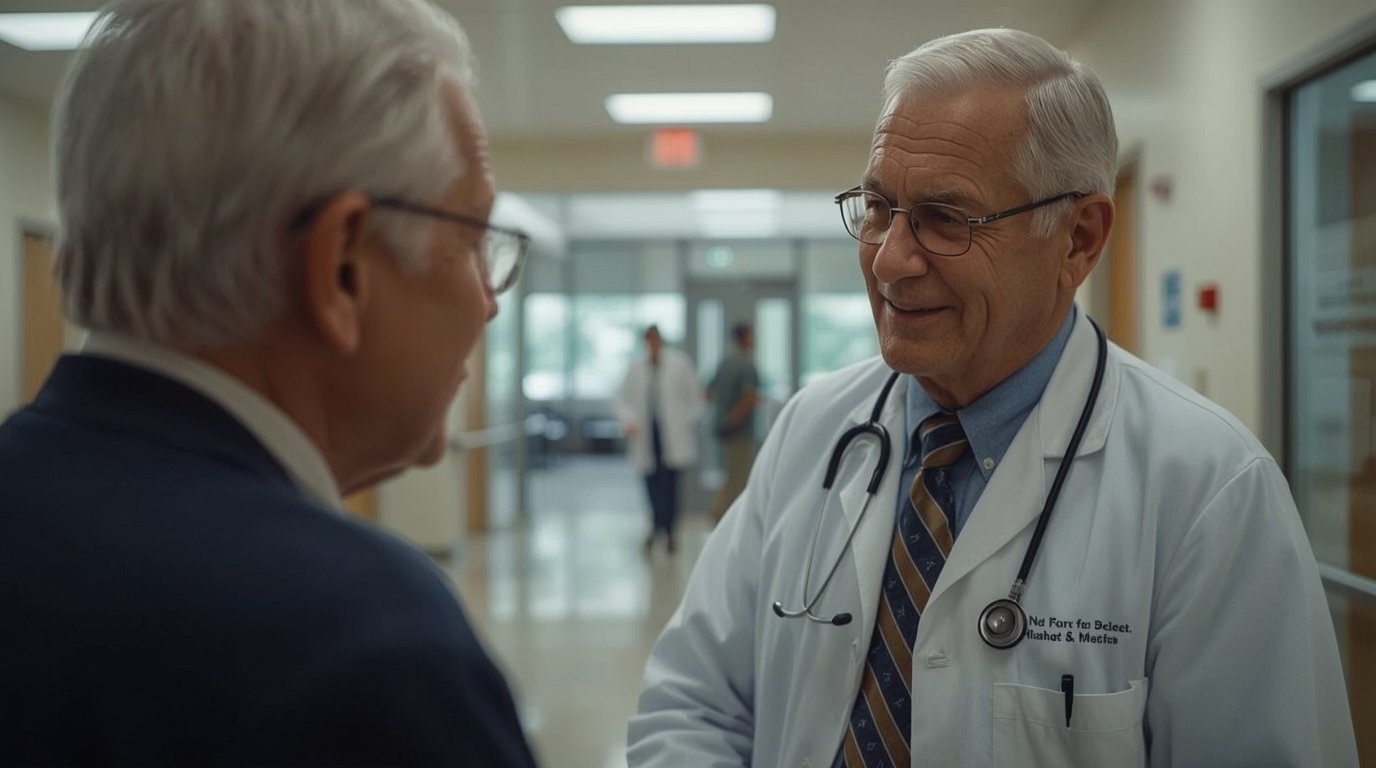
In recent years, there have been significant advancements in healthcare services specifically designed for veterans in the United States. These advancements are crucial as they provide improved access to essential medical services, particularly for veterans living in rural areas who may face challenges in obtaining care. One of the standout developments in this regard is the expansion of telehealth services. Telehealth allows veterans to consult with healthcare professionals remotely, reducing travel burdens and enabling timely interventions. This innovative approach has become increasingly popular since the onset of the COVID-19 pandemic, as it ensures that healthcare remains accessible while minimizing the risk of exposure to the virus.
Moreover, the integration of veteran-specific health content into healthcare education is an essential trend that enhances the quality of care provided. By ensuring that medical professionals are well-versed in the unique health issues faced by veterans, including physical injuries and mental health conditions, the standard of care can be significantly improved. This emphasis on specialized training helps to foster a deeper understanding of the specific needs of veterans, ultimately leading to better health outcomes.
Mental health support for veterans has also garnered increased attention, and this has resulted in the introduction of new counseling programs and innovative treatment approaches aimed at addressing issues such as Post-Traumatic Stress Disorder (PTSD) and substance use disorders. These initiatives are crucial not only in providing immediate support but also in fostering long-term recovery and resilience among veterans. Through specialized therapy, peer support networks, and community resources, veterans can access tailored mental health care that acknowledges their unique experiences and challenges.
Overall, the advancements in healthcare services for veterans reflect a growing commitment to ensuring that they receive the care they deserve. These efforts, particularly in the realms of telehealth and tailored mental health programs, signify a positive shift towards more inclusive and responsive healthcare solutions for those who have served their country.
Emerging Mental Health Initiatives
The mental health of veterans has garnered significant attention in recent years, highlighting the critical need for effective support and intervention strategies. Alarming statistics reveal that veterans experience high rates of mental health issues such as post-traumatic stress disorder (PTSD), depression, and anxiety. These challenges often stem from the unique stresses faced during military service, leading to a higher vulnerability to mental health disorders compared to the civilian population.
In response to the growing mental health crisis among veterans, numerous initiatives have emerged, focusing on holistic approaches that promote recovery and social integration. One key aspect of these initiatives is the development of comprehensive support programs that prioritize community engagement. By fostering connections with local organizations, veterans can access resources that not only address their mental health needs but also assist in rebuilding their social networks. Such community-driven approaches encourage shared experiences, enabling veterans to realize they are not alone in their struggles.

Peer support networks play a vital role in these emerging mental health initiatives. Veterans often find comfort and understanding among peers who have faced similar experiences. Programs that facilitate peer-to-peer interactions establish safe spaces where individuals can share their stories, coping strategies, and recovery journeys. These relationships can be instrumental in alleviating feelings of isolation and developing resilience against the challenges of mental health disorders.
Furthermore, mental health initiatives are increasingly utilizing technology to enhance accessibility and engagement. Telehealth services allow veterans in remote locations to connect with mental health professionals, ensuring they receive the care they require. Mobile applications that focus on mindfulness, stress management, and emotional well-being have also gained popularity. These tools grant veterans the flexibility to prioritize their mental health on their own terms, thereby fostering a proactive approach to their mental well-being.
Employment Trends and Economic Status
Recent employment trends among veterans in the United States indicate a positive trajectory, particularly in terms of unemployment rates. Veterans generally experience lower unemployment rates compared to their non-veteran counterparts. According to the Bureau of Labor Statistics, the unemployment rate for veterans has steadily decreased, with significant improvements noted since the onset of the COVID-19 pandemic. This decline can be attributed to various factors, including targeted government programs and initiatives aimed at facilitating the transition of service members into civilian life.
In terms of industry employment, veterans are increasingly finding opportunities in sectors such as information technology, healthcare, and transportation. These industries offer a wealth of positions that align with the skills and experiences gained during military service. Moreover, many organizations actively recruit veterans, recognizing the unique discipline, leadership, and teamwork skills they bring to the workforce. However, despite these advantages, service-connected disabled veterans face specific challenges that can hinder their employment prospects. These challenges may include physical or emotional barriers that require adaptive workplaces or additional support services.
Moreover, veterans tend to have higher median incomes compared to non-veterans. This advantage can be linked to their higher levels of education and specialized training provided by military service. Consequently, many veterans experience lower rates of poverty, which can significantly enhance their quality of life. Alongside traditional employment, there is a notable increase in veteran entrepreneurship. Many veterans are leveraging their skills to start their businesses, supported by government initiatives and resources designed to aid veteran-owned startups. This upward trend not only benefits the veterans themselves but also contributes positively to the overall economy.
Education Benefits and Opportunities
Education plays a pivotal role in the successful transition of veterans into civilian life, providing them with the necessary skills to enter the workforce. One of the most significant educational support programs available is the Post-9/11 GI Bill, which has undergone recent improvements to broaden its reach and effectiveness. Designed for veterans who served after September 10, 2001, this program offers comprehensive benefits that cover tuition and fees for in-state public colleges, a monthly housing allowance, and funds for books and supplies.
Enhancements to the Post-9/11 GI Bill include increased funding allocations and expanded eligibility criteria aimed at accommodating a larger number of veterans. These changes ensure that veterans pursuing education can find suitable programs that directly align with current job market demands. Additionally, many institutions are offering specific programs tailored to veterans, recognizing their unique skills and diverse experiences.
Of particular note are high-tech training programs in fields such as information technology (IT) and cybersecurity. As the demand for skilled professionals in these areas continues to rise, veterans benefit from targeted educational opportunities that prepare them for relevant careers. Many training initiatives are designed to be accessible and often provide hands-on experience, which can be particularly beneficial for veterans transitioning from military to civilian life.
Moreover, partnerships between educational institutions and employers have become increasingly common. These collaborations often result in internship opportunities, job placements, and networking events tailored to help veterans navigate their path into the civilian workforce. Such initiatives not only ease the transition process but also underscore the importance of education as a fundamental component in the successful integration of veterans into the job market.
Housing Assistance for Veterans
The landscape of housing assistance for veterans in the United States has evolved significantly in recent years, focusing on promoting homeownership and ensuring economic security for those who have served. Various programs have been developed to provide financial support and enhance accessibility, thereby addressing the unique needs of veterans, particularly as many face challenges related to an aging population.
One of the key programs available to veterans is the VA home loan program, which has undergone enhancements to better serve individuals returning from military service. This program offers favorable lending terms, including competitive interest rates and the elimination of down payments, which can significantly reduce the financial barriers to homeownership. The streamlined refinancing options further allow veterans to take advantage of lower rates, making homeownership more feasible and sustainable.
In addition to the VA home loan program, veterans can also access adaptive housing grants. These grants are specifically designed to modify existing homes or to build new ones that accommodate the needs of veterans with disabilities. The Specially Adapted Housing (SAH) grant and the Special Housing Adaptation (SHA) grant are two pivotal resources. They provide financial assistance to create living spaces that enhance independence and safety, ensuring that veterans can maintain their quality of life as they age.
With the increasing demand for affordable housing, particularly among older veterans, the government is actively working to enhance these programs. As the veteran population ages, the need for accessible and affordable housing continues to grow. Thus, these initiatives are crucial not only for promoting homeownership but also for supporting the overall economic stability and well-being of veterans across the country.
Veteran Community Support and Connectivity
The landscape of community support for veterans in the United States has evolved significantly in recent years, making considerable strides in fostering connectivity among those who have served. This transformation encompasses a wide array of peer support networks and veteran-specific community services designed to address the unique needs and challenges faced by service members transitioning to civilian life.
Peer support networks have emerged as an essential component in this landscape, allowing veterans to connect with one another and share their experiences in a safe environment. These networks often facilitate discussions on mental health, employment opportunities, and general life challenges, helping to reduce feelings of isolation. Furthermore, many veterans find comfort in engaging with others who have shared similar experiences, leading to stronger bonds and support systems within the community.
In addition to peer networks, a plethora of veteran-specific community services has been developed to provide targeted assistance. Organizations such as the U.S. Department of Veterans Affairs (VA) and numerous non-profits offer resources that range from educational support to mental health services. These services are crucial in providing veterans with the tools they require to reintegrate into society successfully and to thrive post-service.
Digital platforms have also played a pivotal role in establishing connectivity among veterans. Social media groups, online forums, and mobile applications have become valuable resources for veterans seeking to engage with their peers, access information, and find assistance. These platforms transcend geographical boundaries, allowing veterans from diverse backgrounds to share insights and support one another regardless of their location.
Moreover, social integration programs are gaining traction, aimed specifically at facilitating the transition of veterans into civilian life. These programs offer resources that not only assist with employment readiness but also help veterans develop essential life skills, fostering a sense of belonging and community. Overall, the expanding community support landscape represents a significant positive shift, contributing greatly to the well-being of veterans across the nation.
Legislative and Policy Changes Impacting Veterans
In recent years, numerous legislative changes and public policies have significantly impacted the lives of veterans across the United States. As the composition of Congress shifts, reflecting altering political landscapes, there have been both advances and setbacks in veteran rights and resources. One of the most prominent developments is the continual introduction of bills aimed at enhancing veterans’ access to healthcare, education, and financial support. These legislative changes underscore the commitment to addressing the diverse and evolving needs of the veteran population.
One notable example is the expansion of the Veterans Affairs (VA) benefits, which has been a focal point of advocacy efforts among veteran service organizations. Legislative initiatives have sought to extend eligibility and ease access to various programs, which include mental health services and housing assistance. Ultimately, these changes are a response to the growing acknowledgment of the unique challenges faced by veterans, particularly those from underrepresented communities.
A significant shift in the legislative landscape has also occurred with increased bipartisan support for veteran issues, leading to more comprehensive funding allocations. With funding being essential for program availability, legislative bodies are taking further steps to ensure that veterans can benefit from essential services. Efforts such as the expansion of the caregiver program and initiatives aimed at reducing veteran homelessness have gained traction, indicating a concerted effort to reinforce the safety net for those who have served in the military.
The importance of ongoing advocacy cannot be overstated, as legislative support remains crucial for addressing systemic concerns that affect veterans. Ongoing engagement from veteran groups, community leaders, and policymakers helps ensure that veterans’ voices are heard in the halls of Congress. Thus, the evolving legislative landscape reflects a commitment to honoring veterans’ service and meeting their distinct needs in the years to come.
The Future Outlook for Veterans
The future outlook for veterans in the USA between 2023 and 2025 is marked by numerous trends that will significantly shape the landscape of services and support available to this demographic. As the veteran community evolves, demographic shifts will play an essential role in determining their needs. Notably, the increasing number of older veterans, coupled with a rising younger veteran population, requires a nuanced understanding of their distinct challenges and expectations. Policymakers must acknowledge these variations, ensuring that resources are equitably distributed to meet the diverse needs across age groups.
Technological advancements are poised to revolutionize veteran support systems. Telemedicine, online counseling, and digital health records are enhancing the access and quality of healthcare services for veterans. Veterans will benefit from innovations that make it easier to connect with healthcare providers, receive mental health support, and manage chronic conditions. As the integration of technology continues, there will be opportunities to create more user-friendly platforms that cater to the specific needs of veterans.
Furthermore, the socio-economic landscape will influence veterans’ experiences as they transition back to civilian life. Economic fluctuations and job market trends may present both challenges and opportunities. Veterans face increasing competition for jobs, which necessitates comprehensive employment support programs tailored to equip them with relevant skills and training. Investment in post-service educational initiatives can provide veterans with more opportunities to thrive in a competitive economy.
In light of these trends, the veteran community will benefit greatly from adaptive strategies in policy and community support. Initiatives aimed at fostering collaboration among government entities, non-profit organizations, and local communities will be pivotal. Such concerted efforts will ensure a vibrant and supportive environment that addresses the evolving needs of veterans effectively.
Conclusion: The Evolving Landscape for Veterans
As we have explored throughout this blog post, the landscape for veterans in the USA is continually evolving, shaped by various socio-economic factors and legislative changes. Veterans, who have dedicated their lives to serving the nation, now face distinct challenges that require effective policies and programs to support their reintegration into civilian life. The trends identified indicate a growing need for targeted services that address issues such as mental health, employment, education, and housing security.
The increasing focus on mental health is particularly significant as the rates of PTSD and other related disorders among veterans remain a pressing concern. It is paramount that stakeholders, including government agencies and non-profit organizations, enhance their outreach and support systems to cater to these specific needs. Furthermore, as the job market evolves, so too must the programs that prepare veterans for civilian employment, ensuring they have access to the training and education necessary to thrive.
Equally important is the need for community initiatives that foster inclusivity and connection. As veterans transition back to civilian life, social networks become vital in offering them the support they need. Community engagement initiatives can play a critical role in promoting understanding and assistance, ultimately leading to improved quality of life for veterans.
In summary, it is crucial for all stakeholders, including policymakers, service providers, and community members, to remain vigilant and responsive to the ever-changing circumstances faced by veterans. The trends impacting this population require ongoing adaptations and innovations in service delivery. By fostering a collaborative environment and addressing these evolving needs proactively, we can ensure that veterans receive the support and resources essential for their successful integration into society in the coming years.