

Understanding VA Disability Benefits
The Department of Veterans Affairs (VA) provides disability benefits to veterans who are injured or become ill as a result of their military service. VA disability benefits are intended to support veterans facing health challenges due to their service, offering both financial assistance and access to various health care services. The benefits can vary in amount and eligibility, but veterans who are deemed 100% disabled are eligible for the highest level of support offered by the VA. This designation is not merely a financial metric; it significantly impacts the quality of life for veterans and their families.

for the $3,000 Special Allowance
To qualify for VA disability benefits, veterans must provide adequate evidence of their service-related injuries or illnesses. This documentation is a critical component of the application process, as the VA evaluates medical records, military service records, and other pertinent information to determine eligibility. A proper understanding of the VA’s criteria for disability ratings is essential, as they assess the extent to which a veteran’s condition impairs their ability to lead a normal life. A 100% disability rating signifies that the veteran is completely incapacitated by their service-related conditions, which can include physical impairments or mental health disorders such as PTSD.
Securing a 100% disability rating comes with numerous benefits, including enhanced monthly compensation, access to specialized medical care, and increased eligibility for certain state and federal programs. It is important to note that the process to achieve such a rating can be complex and lengthy. Veterans are encouraged to seek assistance when gathering the necessary documentation to support their claims, as this can significantly influence the outcome. Understanding the procedures and requirements set forth by the VA can help ensure that veterans receive the benefits they are entitled to, thus improving their overall well-being and quality of life.
Eligibility Criteria for 100% Disability Rating

To qualify for a 100% disability rating from the U.S. Department of Veterans Affairs (VA), veterans must meet specific eligibility criteria pertaining to service connection and total disability. The fundamental aspect of this process is establishing a service connection, which refers to the requirement that a veteran’s disability must be directly linked to their military service. This connection can be demonstrated through medical evidence, service records, or other relevant documentation that validates the condition arose or was aggravated during active duty.
In addition to proving service connection, it is essential that the veteran’s disability is deemed total. A total disability means that the condition significantly impairs the veteran’s ability to perform daily activities or maintain gainful employment. The VA employs a rating schedule to determine the severity of disabilities, with a 100% rating indicating complete incapacity due to the severity of the service-connected condition. This total rating can result from a single debilitating injury or a combination of multiple service-related conditions, provided that these collectively hinder the veteran’s capacity to function normally.
Moreover, veterans who may not meet the conventional percentage criteria for total disability can still achieve a 100% rating through the concept of Individual Unemployability (IU). If a veteran can demonstrate that their service-connected disabilities prevent them from securing or following substantially gainful employment, they may be considered for IU benefits. It is important to note that the evidence must convincingly illustrate the impact of the disabilities on employment capabilities. Therefore, veterans applying for VA benefits should carefully compile and submit detailed medical documentation and personal accounts to support their claim effectively.
Importance of Current Medical Diagnosis
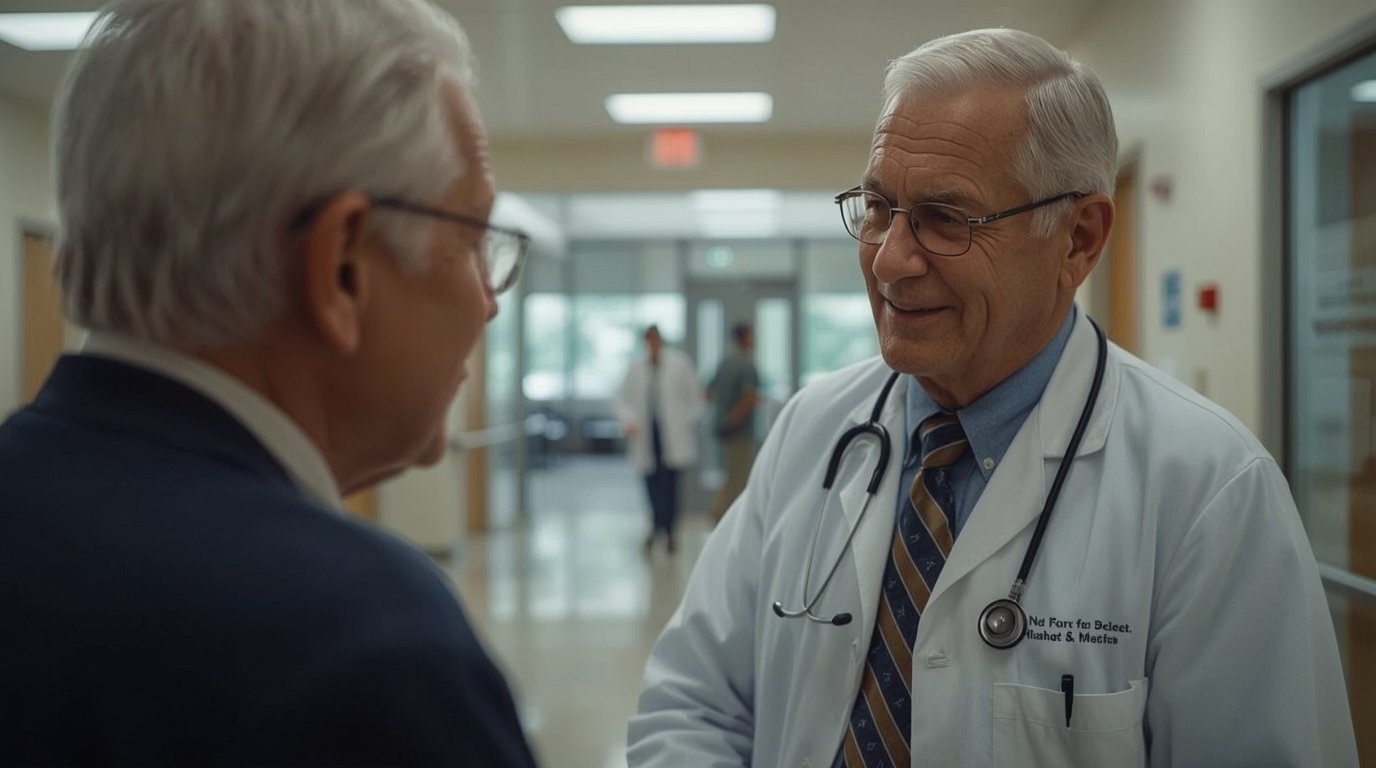
Obtaining a formal diagnosis of a service-connected disability from a licensed healthcare provider is crucial for veterans seeking to establish eligibility for 100% VA disability benefits in Texas. This diagnosis serves as a foundational element in the claims process, demonstrating that a veteran’s medical condition is linked directly to their service. A comprehensive evaluation by a qualified medical professional is essential, as it not only confirms the existence of a disability but also provides a clear understanding of its impact on the veteran’s overall health and daily functioning.
The U.S. Department of Veterans Affairs (VA) requires substantial medical evidence to support any claim for disability benefits. A current, accurate medical diagnosis is pivotal in establishing the linkage between a veteran’s military service and their current health challenges. Healthcare providers perform evaluations, consider the veteran’s medical history, and use diagnostic tests to determine the severity and nature of the condition. This establishes a valid basis for assessing eligibility. Furthermore, maintaining up-to-date medical records that document ongoing treatment and evaluation helps veterans substantiate their claims, illustrating the chronic or worsening nature of their disabilities.
In addition, a formal diagnosis can significantly influence the VA’s assessment of the veteran’s disability rating. Veterans may receive a higher rating for conditions recognized as more severe, affecting their overall compensation package and access to additional resources, such as healthcare and rehabilitation services. Thus, timely follow-up appointments with healthcare providers, regular assessments, and keeping detailed records are vital actions for veterans pursuing their right to benefits. Clearly, the correlation between a well-documented medical diagnosis and success in securing 100% VA disability benefits cannot be overstated.
Establishing Service Connection Evidence

Proving eligibility for 100% VA disability benefits in Texas for 2025 necessitates a comprehensive understanding of the evidence required to establish a service connection. Service connection evidence is crucial as it demonstrates that a veteran’s current disability or condition is directly linked to their military service. One significant type of evidence comes from in-service events, which may include injuries, illnesses, or exposure to hazardous conditions while the veteran was on duty. Documenting these events through service records, personal accounts, or even witness statements can substantially enhance a claim.
Medical records also play an indispensable role in establishing a service connection. These records typically include treatment history both during and post-service, which can provide vital proof of the continuity of a condition. For example, if a veteran suffered from a specific ailment while serving and subsequently seeks benefits for that ailment, having documented treatments both in the military and through subsequent civilian healthcare can validate the claim. Therefore, maintaining a comprehensive file of all medical visits, treatments, and prescriptions related to the service-related condition is essential.
Another important aspect of establishing service connection is obtaining a medical nexus letter from a qualified healthcare professional. This letter serves as a critical link between the veteran’s current condition and their military service. A qualified professional, typically a physician experienced in Veteran Affairs claims, should provide a well-articulated opinion that explicitly connects the current health issues to the events or injuries sustained during service. This medical nexus letter thus acts not only as a vital piece of evidence but also addresses any potential doubts regarding the legitimacy of the service connection. Ensuring that all these components are thoroughly documented and presented effectively is paramount in navigating the complex VA benefits application process.
Gathering Comprehensive Medical Treatment Records
When seeking 100% VA disability benefits in Texas for 2025, one of the most critical steps is gathering comprehensive medical treatment records. These records are essential for establishing the severity of the disability and verifying the connection between the service and medical issues. A well-structured compilation of medical documentation significantly influences the disability rating assigned by the Veterans Administration.
The primary documents required include doctors’ reports, which provide an evaluation of the veteran’s condition and outline the medical history associated with the diagnosed disabilities. These reports should detail the nature of the illness or injury, the treatment administered, and any recommended follow-up care or further evaluations. It is beneficial to include expert opinions from specialists who have treated the veteran, as they can provide authoritative insight into the extent of the veteran’s impairments.
Moreover, hospital records play a significant role in documenting the treatment journey. These records should encompass admission and discharge summaries, inpatient treatment notes, and any relevant outpatient follow-ups. Surgical reports are equally important, especially if surgeries have been performed due to the service-connected condition. Including narratives that describe the surgical procedures and their outcomes can solidify the case for higher disability ratings.
Diagnostic test results, such as X-rays, MRIs, and laboratory tests, serve as concrete evidence of the medical conditions declared by the veteran. These results should be included in the submission to provide objective data supporting the veteran’s claims. The thoroughness of these documents contributes to a more accurate assessment and alleviates the burden on the adjudicators assessing the claim.
In summary, compiling a detailed and comprehensive set of medical treatment records is imperative for veterans applying for 100% VA disability benefits. The presence of a variety of documents, such as doctors’ reports, hospital records, surgical reports, and diagnostic test results, collectively bolsters the integrity of the disability claim and influences the accuracy of the disability rating process. Properly organized and complete medical documentation serves as a vital asset in demonstrating eligibility for maximum benefits.
Documentation for Hospitalization or Surgery
Establishing eligibility for a 100% VA disability rating due to hospitalization or surgery necessitates thorough and precise documentation. The Department of Veterans Affairs (VA) requires that veterans provide adequate evidence reflecting the circumstances surrounding their hospital stay or surgical procedures linked to service-connected conditions. This evidence must demonstrate the severity of the condition necessitating treatment and offer insight into the limitations imposed by the condition during recovery.
Acceptable documentation typically includes medical records that encompass discharge summaries, treatment notes, and surgical reports. These documents should explicitly outline the details of the hospitalization or surgical intervention, including admission and discharge dates and any significant complications or further medical issues arising from the surgery. Importantly, these records must clearly correlate with the service-connected condition to substantiate the temporary 100% disability claim.
Additionally, veterans are encouraged to maintain robust communication with their healthcare providers to ensure all relevant documentation is complete. This includes obtaining copies of all treatment records and ensuring that these records specify the duration of post-operative recovery and any related incapacitation. If the surgery resulted in complications, documentation should describe these complications and how they impact the veteran’s ability to work or perform daily activities. Including this level of detail will strengthen the case for temporary total disability linked to the hospitalization or surgical procedure.
Furthermore, veterans can enhance their claims by acquiring supportive statements from attending physicians or specialists. These letters should confirm the diagnosis, treatment plan, and the implications for the veteran’s overall health and disability status. Adequate and thorough documentation is essential for successfully proving eligibility for 100% VA disability benefits in Texas, particularly regarding claims arising from hospitalization or surgical interventions related to service-connected conditions.
Proving Functional Impairment and Unemployability
To successfully prove eligibility for 100% VA disability benefits in Texas, especially concerning Total Disability based on Individual Unemployability (TDIU), it is crucial to demonstrate significant functional impairment. This imperative entails providing comprehensive evidence that shows how disabilities hinder a veteran’s ability to secure and maintain substantial employment. When evaluating functional impairment, the U.S. Department of Veterans Affairs considers various aspects, including the severity and impact of service-connected conditions.
One of the most effective forms of evidence comes from medical professionals. Detailed medical opinions can play a pivotal role in substantiating a TDIU claim. These opinions should highlight not only the medical diagnoses but also their functional impact on daily activities. Statements from treating physicians can illustrate how certain conditions disrupt a veteran’s physical or mental capacities, thereby affecting job performance. Furthermore, comprehensive medical documentation, including treatment records, test results, and therapy notes, strengthens the case by providing a historical context of the veteran’s health issues.
Another important component of proving unemployability involves showcasing the connection between the disability and the inability to work. This connection can be effectively demonstrated through vocational assessments or evaluations performed by occupational specialists. Such evaluations can give insight into the nature of the work a veteran can realistically undertake, considering their limitations. The higher the correlation between the functional impairments and the inability to find employment, the stronger the claim for a TDIU may become.
It is essential for veterans seeking 100% VA disability benefits to compile and submit comprehensive evidence reflecting their incapacity to engage in gainful work due to service-related impairments. A multifaceted approach that combines medical opinions, treatment records, and vocational assessments will greatly enhance the credibility of the claim. By doing so, veterans can provide the necessary foundation for demonstrating eligibility for the intended benefits.
Utilizing Additional Supporting Evidence
When seeking 100% VA disability benefits in Texas for 2025, it is essential for veterans to provide thorough and compelling evidence that substantiates their claims. While medical records are crucial, additional supporting evidence can significantly enhance the strength of a claim. This supplementary evidence includes buddy statements, lay evidence, and documentation of medical device usage, all of which can provide a more comprehensive view of a veteran’s condition.
Buddy statements, which are personal accounts from fellow service members or friends, can serve as powerful testimonials regarding a veteran’s symptoms and limitations. These statements often offer insights into the veteran’s experiences during service, portraying how their condition has impacted their life. The perspectives shared in buddy statements can help to fill in gaps left by medical records, particularly regarding the onset and progression of symptoms that might not be documented clinically.
Lay evidence, which includes observations from family, friends, or colleagues, is another valuable resource. This type of evidence describes how a veteran’s condition affects their daily activities and social interactions. Family members can provide insight into the changes in behavior and functionality that have occurred since the onset of the veteran’s condition, serving as a testament to the real-world impact of their disabilities. Such firsthand accounts from those closest to the veteran can significantly bolster a claim.
Furthermore, records involving medical devices, such as prosthetics or assistive technology, serve as tangible evidence of a veteran’s limitations. Documentation showing the necessity and usage of these devices reinforces the argument that the veteran’s ability to perform daily tasks is severely compromised. Collectively, this additional supporting evidence not only enriches the veteran’s claim but also paints a fuller picture of their struggles and needs, ultimately assisting in the pursuit of 100% VA disability benefits.
Working with Veterans Service Officers and Attorneys
Navigating the complex process of applying for 100% VA disability benefits in Texas can often be overwhelming for veterans. This is where the expertise of Veterans Service Officers (VSOs) and VA disability attorneys becomes invaluable. These professionals are specialists in the intricacies of the VA disability claims process and provide a range of services designed to ensure that veterans have the best chance of receiving their entitled benefits.
One of the primary advantages of working with a VSO or attorney is their ability to assist in gathering and presenting medical evidence. They understand the specific requirements set forth by the VA, which ensures that all documentation is compliant with existing standards. This can significantly enhance the credibility of a claim. Additionally, these professionals are often familiar with common pitfalls and mistakes that may lead to claim denials. By helping to mitigate these risks, they can guide the veteran in producing a stronger application.
Furthermore, VSOs and VA disability attorneys often have established relationships with VA personnel and can help a veteran navigate the bureaucracy more effectively. This connection may lead to expedited processing times and better communication. They also represent veterans during hearings and appeals, providing the knowledge and advocacy needed to present a compelling case. Their expertise can be particularly beneficial when dealing with complex medical conditions or when a veteran’s initial claim has been denied.
Working collaboratively with a VSO or a VA disability attorney not only increases the likelihood of a favorable decision but also ensures that veterans are receiving full assistance in understanding the claims process. This partnership can ease the emotional burden of applying for benefits, guiding veterans toward achieving the financial security they deserve. Consequently, the support from these professionals is an essential component in proving eligibility for 100% VA disability benefits in Texas.