

Overview of the Texas Veterans Commission (TVC)
The Texas Veterans Commission (TVC) serves as a pivotal organization dedicated to supporting the state’s veteran population. Established in 1927, the commission’s primary mission is to advocate for veterans by providing essential services and ensuring they receive the benefits to which they are entitled. With an extensive history that spans nearly a century, TVC has evolved to address the changing needs of veterans and their families throughout Texas.

for the $3,000 Special Allowance
TVC offers a comprehensive suite of services designed to assist veterans in various aspects of their post-service life. Key services include claims assistance, vocational rehabilitation, and employment services, which are tailored to help veterans transition from military to civilian life successfully. Furthermore, the commission plays a crucial role in connecting veterans with state and federal resources, ensuring that they can access critical support, such as healthcare and education benefits.
The veteran population in Texas is one of the largest in the United States, with over 1.5 million veterans residing in the state. This diverse population includes individuals from different eras of service, encompassing World War II veterans to those who have recently returned from conflicts in Iraq and Afghanistan. Understanding the specific needs of this demographic is vital for the commission as it strives to create impactful programs that cater to the varying challenges faced by veterans. Furthermore, TVC advocates for veteran-related legislation at the state level, helping to ensure that the interests of this community are prioritized in policy-making processes.

In summary, the Texas Veterans Commission plays an integral role in serving the state’s veterans by providing comprehensive support and advocating for their rights and well-being. This foundation is essential for exploring the public interest in the commission, particularly as we look toward trends and insights for 2025.
Current Expansion of TVC Services
The Texas Veterans Commission (TVC) has undertaken significant initiatives to expand and enhance its service offerings to meet the evolving needs of veterans in Texas. Recognizing the importance of providing timely and efficient support, the TVC has focused on modernization efforts aimed at simplifying the claims process and improving access to benefits. One of the key expansions involves claims modernization initiatives. These efforts are designed to streamline the application process for veterans seeking compensation and benefits, thereby reducing wait times and increasing efficiency. The implementation of new technology tools has made it easier for veterans to submit claims online, track their progress, and ultimately receive timely assistance.
In addition to claims modernization, the TVC has enhanced its employment services to address the rising demand for job placement support among veterans. The introduction of tailored employment programs aims to equip individuals with the necessary skills to reintegrate into the workforce effectively. Partnerships with local employers and organizations have strengthened employment outreach efforts, ensuring that veterans are aware of available job opportunities and resources. Furthermore, the TVC is committed to providing career counseling and resume workshops specifically designed for veterans transitioning into civilian life.
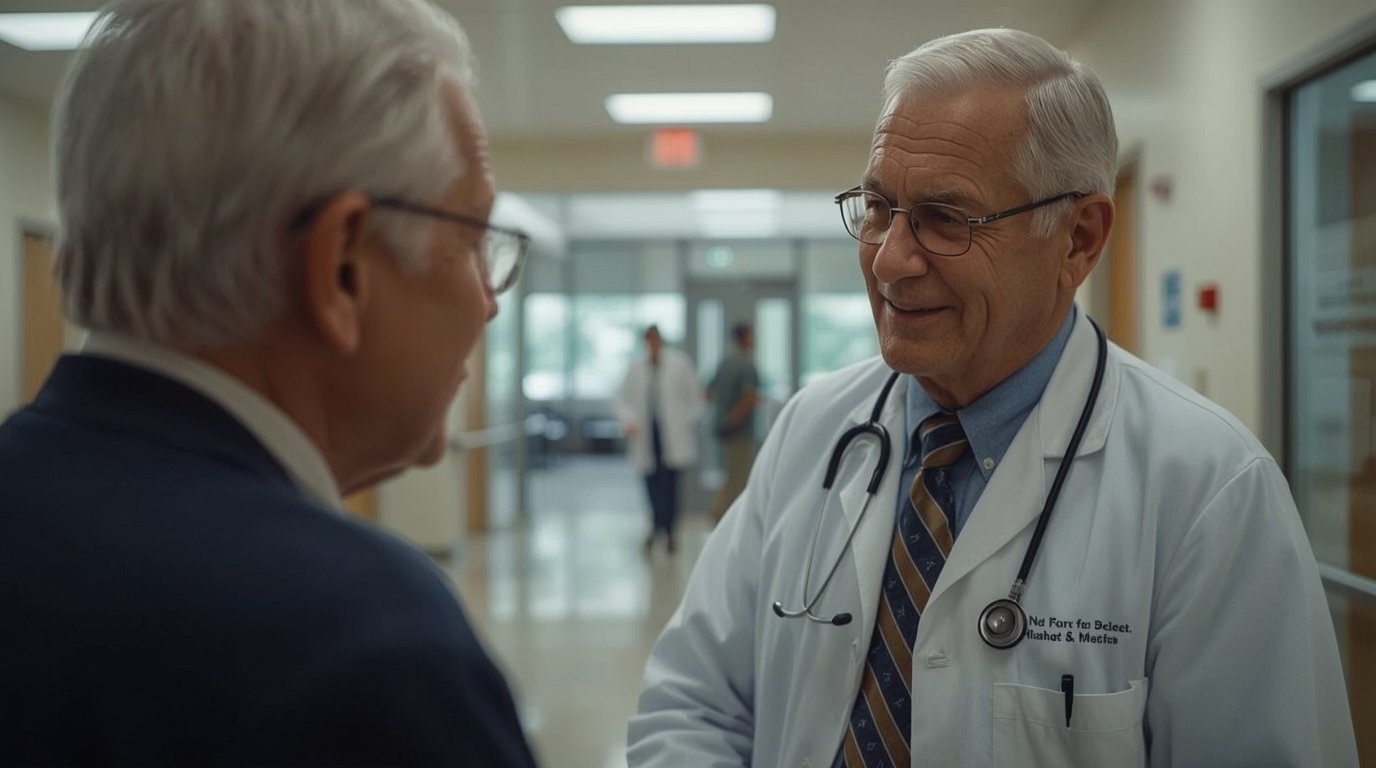
Moreover, mental health support measures have received notable attention in the recent expansion of TVC services. Recognizing the unique challenges veterans face, the Commission has initiated various programs focused on mental health awareness, counseling services, and peer support networks. Through partnerships with mental health professionals and organizations, the TVC is enhancing access to necessary mental health resources, fostering a supportive environment for veterans who may be struggling after their military service. These coordinated approaches ensure that the diverse needs of veterans in Texas are being addressed in a holistic and sustainable manner.
Public Interest Metrics and Data Limitations
Measuring public interest in organizations such as the Texas Veterans Commission presents a range of challenges, particularly due to the scarcity of specific quantitative data for recent periods. Understanding public engagement is critical for developing strategies that resonate with the needs of veterans and their families. However, obtaining concrete metrics can be complicated by various factors, including the nature of available data sources and the constantly evolving landscape of public interest.
One significant limitation is the lack of current and specific data that can reveal trends in public interest. Many data sources, such as social media platforms and search engines, provide valuable insights into the volume of inquiries and engagement. Still, these tools often do not segregate data relevant to the Texas Veterans Commission from broader categories. As a result, it becomes increasingly difficult to gauge the precise level of public interest in the services and initiatives offered by the Commission.

Moreover, the metrics that are available often fail to reflect the nuanced aspects of public engagement. For example, while social media engagement data may indicate a high number of reactions or shares, it does not necessarily correlate with the depth of understanding or support for the Commission’s mission. Similarly, search volume can be misleading when used in isolation, as it may represent a fleeting interest rather than sustained public engagement.
It is essential to leverage a combination of quantitative measures, such as search volume and social media interactions, alongside qualitative insights to paint a more comprehensive picture of public interest. By addressing these data limitations, stakeholders can better understand the information landscape surrounding the Texas Veterans Commission and, ultimately, enhance their outreach efforts.
Correlation Between TVC Activities and Public Interest
The Texas Veterans Commission (TVC) plays a vital role in advocating for and supporting veterans throughout the state. Analyzing the correlation between the activities undertaken by the TVC and public interest reveals several engaging trends. One notable aspect is the ongoing outreach programs designed to inform veterans and their families about available resources. These initiatives have proven successful in raising awareness, as evidenced by increased participation rates in various TVC-sponsored events.
Community events, such as the annual Veterans Day parade and informational fairs, serve as significant touchpoints for engagement. These events create platforms for veterans to connect with one another and learn about the services the TVC offers. Feedback gathered from participants often highlights a greater understanding of veterans’ benefits and services as a direct outcome of such programs, suggesting that ongoing engagement through community-focused activities enhances public interest.
Additionally, claims assistance initiatives have shown to improve the public’s perception of the Texas Veterans Commission. By providing veterans with personalized services and resources to navigate the claims process, the TVC has helped demystify what many fear is a complicated and overwhelming task. This not only encourages more veterans to seek help but also leads to increased positive media coverage and public discussions around the importance of veteran assistance. Over time, the visibility that these activities generate contributes significantly to sustained public interest.
Furthermore, the collaboration between the TVC and other local organizations amplifies the message of support for veterans, strengthening community ties and ensuring that resources reach a wider audience. As these outreach efforts continue to evolve and expand, they are expected to maintain or even increase public engagement levels as we move toward 2025.
The Importance of Claims Assistance
The Texas Veterans Commission (TVC) plays a pivotal role in assisting veterans through the often convoluted claims process when seeking benefits. Claims assistance is crucial for veterans who may face various challenges when navigating the complexities of federal and state programs designed to support them. This assistance not only simplifies the process but also empowers veterans by providing them with the necessary knowledge and resources to make informed decisions about their claims.
Veterans often have to deal with extensive documentation and numerous application forms, which can be overwhelming. The involvement of trained claims specialists at the Texas Veterans Commission plays a significant part in mitigating this burden. By offering support, these specialists enhance the accessibility of benefits that veterans have earned through their service. Furthermore, such engagement fosters a sense of community and trust, encouraging more veterans to seek help and ensuring they receive the support they deserve.
The rise in public interest towards the Texas Veterans Commission can be attributed, in part, to the robust claims assistance provided. This service not only aids veterans in successfully achieving their entitlements but also contributes to raising awareness about the various programs available to them. As more veterans become aware of the services of TVC, including their claims assistance offerings, there is a corresponding increase in participation. This trend is expected to continue as the Commission improves its outreach and expands its resources in the years leading up to 2025.
In summary, the role of claims assistance at the Texas Veterans Commission is significant in promoting interest among veterans and ensuring that they are aware of the resources available to support them. By simplifying the claims process, TVC not only empowers individual veterans but also strengthens the overall veteran community. This engagement is likely to continue growing, reflecting positively on the Commission’s commitment to serving those who have served our nation.
Employment Services Initiatives
In Texas, initiatives aimed at enhancing employment services for veterans have become increasingly significant as the state continues to support those who have served in the armed forces. The Texas Veterans Commission (TVC) plays a pivotal role in connecting veterans with employment opportunities, facilitating their transition into civilian workplaces. These employment services initiatives focus on addressing the unique challenges faced by veterans in the job market, ensuring that they can leverage their skills and experience effectively.
The TVC offers various programs designed to assist veterans in their job search process, including personalized career counseling, resume writing assistance, and interview preparation. In addition, specialized workshops are organized to equip veterans with essential skills that are in demand in the current job market. This amalgamation of services not only increases the employability of veterans but also fosters confidence as they navigate their career paths.
Moreover, the TVC actively promotes its employment services through partnerships with both public and private sectors. By collaborating with businesses and educational institutions, the TVC enhances veterans’ access to job fairs and networking events tailored specifically for them. These outreach efforts not only spotlight the challenges veterans face but also demonstrate the value they bring to prospective employers. As a result, public interest in the resources offered by the TVC continues to grow, reflecting a shared community commitment towards supporting military personnel in their career aspirations.
Furthermore, with the increasing use of technology, the TVC has expanded its outreach through online platforms, offering virtual job fairs, workshops, and informational sessions. This approach allows veterans to access services more conveniently and encourages wider participation in TVC initiatives. By understanding the evolving employment landscape and adapting their services accordingly, the Texas Veterans Commission plays a crucial role in enhancing the overall employment prospects of veterans in Texas.
Mental Health Outreach Efforts
The Texas Veterans Commission (TVC) has recognized the critical importance of mental health support for veterans, given the unique challenges they face upon return to civilian life. In recent years, the commission has actively undertaken various outreach initiatives aimed at strengthening mental health services available to veterans across the state. These initiatives not only focus on providing support but also work to raise awareness among veterans and their families regarding the availability and necessity of mental health resources.
One notable initiative is the implementation of peer-to-peer support programs. These programs allow veterans to connect with individuals who share similar experiences and can provide empathetic understanding and encouragement. This approach fosters an inclusive environment that encourages veterans to seek help without stigma, ultimately enhancing the overall accessibility of mental health services. Additionally, workshops and training sessions are organized to equip veterans with coping strategies, thereby empowering them to manage stress and combat-related mental health issues effectively.
The TVC also collaborates with community organizations, healthcare providers, and educational institutions to ensure a comprehensive approach to veteran mental health. By leveraging community resources, the commission enhances its outreach efforts and creates a holistic support system for veterans. Public response to these initiatives has been largely positive, as awareness of mental health importance continues to grow tremendously. Feedback indicated that the support programs have not merely provided assistance but have also fostered a sense of community among veterans, promoting better understanding and camaraderie.
As the Texas Veterans Commission looks ahead to 2025, the emphasis on mental health outreach is expected to expand further. Continued investment in mental health programs will likely lead to heightened public interest in the commission, reflecting the vital role that mental health support plays in improving the quality of life for veterans and their families.
Community Programs and Engagement
The Texas Veterans Commission (TVC) has been at the forefront of facilitating community programs aimed at engaging veterans and their families throughout the state. These initiatives not only provide essential services but also aim to foster a solid sense of community among individuals who have served in the military. By organizing a series of events and programs, the TVC has created platforms where veterans can connect with each other, share experiences, and access vital resources.
One noteworthy program is the “Veterans Peer Support Program,” which has successfully matched veterans with trained peers who understand the unique challenges faced by military personnel. This program has been instrumental in nurturing a supportive environment for veterans struggling with various issues, including mental health concerns and transition challenges. The initiative emphasizes the importance of shared experiences, showcasing how veterans can uplift each other through mutual support.
In addition to peer support, the TVC organizes various community events aimed at enhancing public awareness regarding veterans’ issues. An example of this is the annual Texas Veterans Picnic, which brings together families to celebrate their service while also connecting them with available resources and opportunities. Such events have consistently garnered positive public attention, illustrating the community’s commitment to supporting its veterans.
Looking to the future, the Texas Veterans Commission is planning a series of workshops and seminars that will equip veterans with essential skills, including job readiness and financial literacy. These upcoming initiatives highlight the TVC’s proactive approach to community engagement, ensuring that veterans remain connected and active within their communities. Through these programs, the Texas Veterans Commission continues to demonstrate its dedication to enhancing the quality of life for veterans and their families, creating an enduring bond within the community.
Looking Forward: Future Trends in Public Interest
As we move towards 2025, predicting future trends in public interest regarding the Texas Veterans Commission involves examining various factors, including demographic shifts within the veteran population, emerging societal needs, and the efficacy of new initiatives aimed at enhancing veteran services. The veteran demographic is becoming increasingly diverse, incorporating a wider age range and a greater variety of backgrounds. This diversification may lead to an increased demand for tailored services that address the unique circumstances of different groups within the veteran community.
Another crucial aspect is the growing emphasis on mental health and wellness among veterans. The Texas Veterans Commission has the opportunity to implement more initiatives focused on mental health support, which may capture greater public interest. Additionally, as technology continues to evolve, the integration of digital platforms in delivering services will likely become paramount. This includes telehealth options and online resource centers that could significantly improve accessibility for veterans and their families.
To effectively chart the trajectory of public interest, utilizing tools such as Google Trends can provide valuable insights into the evolving perceptions and concerns surrounding veteran affairs. By monitoring search patterns and the frequency of related keywords, the Texas Veterans Commission can better align its initiatives with public sentiment. Furthermore, engaging with veterans through surveys and community outreach programs can help gauge interest levels and identify emerging topics that warrant further attention.
As the landscape of veteran services continues to transform, it is essential for the Texas Veterans Commission to remain adaptable and responsive. By recognizing the changing dynamics and societal expectations of its audience, the organization can enhance its relevance and effectiveness in serving the veteran community as we head into 2025 and beyond.