
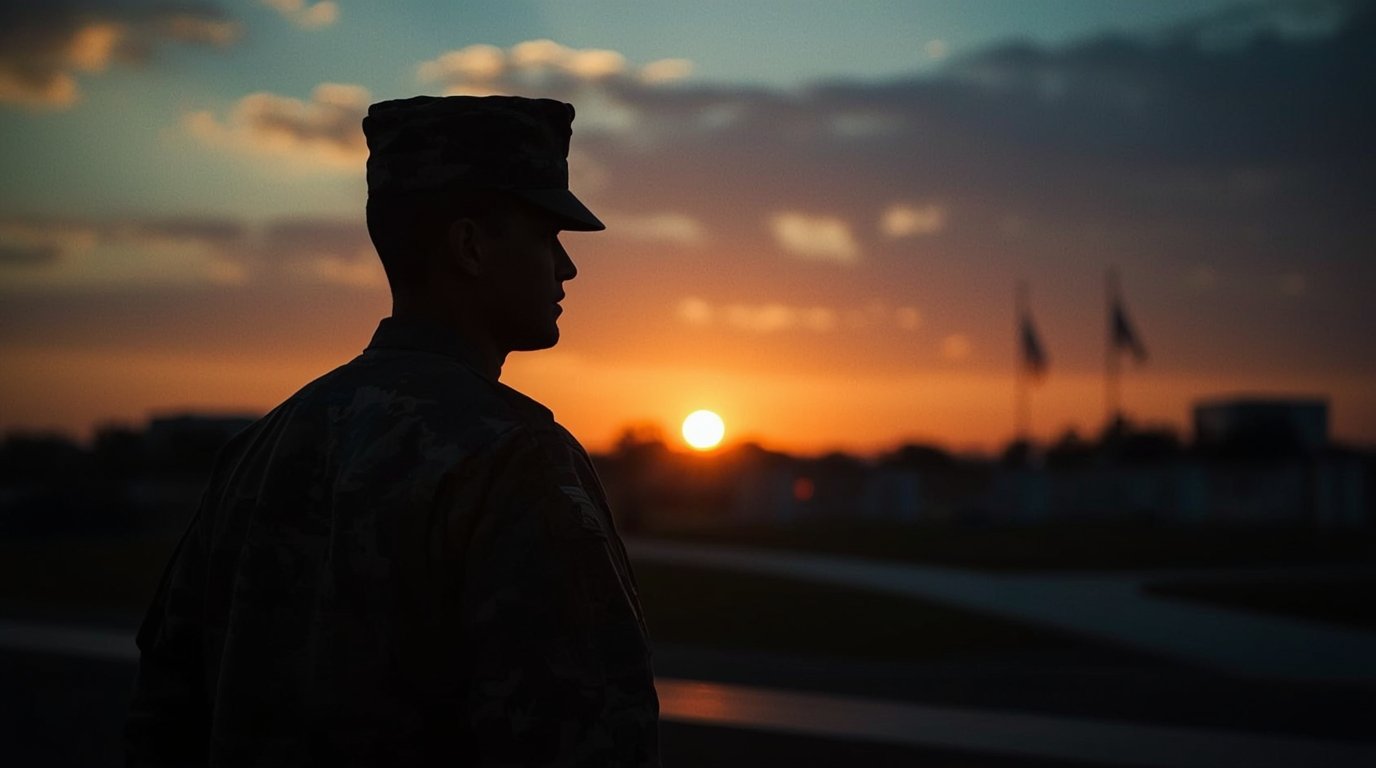
Overview of U.S. Military Presence in Alaska
Alaska is home to several U.S. military bases that play a pivotal role in the country’s defense strategy and operational effectiveness in the Arctic region. The geographical location of Alaska provides unique advantages, enabling rapid military response capabilities to any potential threats emanating from the Arctic and Pacific regions. The bases located within Alaska include Joint Base Elmendorf-Richardson, Fort Wainwright, Eielson Air Force Base, and others that collectively contribute to maintaining U.S. military readiness.

for the $3,000 Special Allowance
The significance of these military installations stems not only from their strategic placement but also from the enhanced training environments they provide. Alaska’s diverse and extreme weather conditions serve as a natural training ground for troops to develop their skills under challenging circumstances. This adaptability is crucial for any operations that may involve deployment in similarly harsh environments, ensuring that U.S. forces remain prepared to address a wide array of contingencies.
Moreover, the forward operating bases in Alaska enable the United States to project power and influence effectively across the Arctic, a region that is becoming increasingly vital in global geopolitics due to its untapped resources and strategic shipping routes. As nations around the world engage in Arctic policies and military posturing, the U.S. military presence in Alaska acts as a deterrent against potential adversaries while reinforcing alliances with Arctic partners.

In addition to their strategic military role, these bases also contribute to local economies and community ties. The integration of the military into Alaskan communities enhances the region’s overall stability while providing economic opportunities for local residents. The comprehensive overview of military operations and their broader implications in Alaska underscores the critical role these bases play in safeguarding national interests and promoting Arctic security.
Key Military Installations and Their Functions
Alaska hosts several critical military installations that play a pivotal role in ensuring national defense and security, especially in the context of Arctic operations. Among these, Joint Base Elmendorf-Richardson (JBER) stands out as a key asset. This installation serves as a combined base for both the United States Air Force and the Army. The Air Force component of JBER is primarily focused on air defense operations, while the Army component supports ground forces and tactical operations. One of the notable capabilities at JBER is the integration of advanced radar and satellite systems, enabling them to conduct missile warning operations effectively.
Another significant base in Alaska is Eielson Air Force Base (Eielson AFB). Located near Fairbanks, this base is vital for air combat training and operations. Eielson AFB houses several fighter squadrons, including the F-35A Lightning II, which plays a crucial role in both Arctic defense and global reach missions. The base also conducts various exercises that enhance the operational readiness of U.S. forces, reflecting its strategic commitment to maintaining a strong presence in the region.

Moreover, the tactical capabilities housed within Barrow Air Force Station contribute to the Arctic defense strategy as well. This station is equipped with advanced surveillance and reconnaissance systems that provide valuable intelligence regarding potential threats in the northern hemisphere. The technological advancements at these bases, such as early warning radar systems and communications capabilities, further amplify their operational effectiveness. Furthermore, they support broader missions, including humanitarian assistance and disaster response operations, demonstrating the comprehensive utility of these military installations in Alaska.
Personnel Impact and Community Integration
The presence of U.S. military bases in Alaska significantly affects local communities and the lives of the personnel stationed there. With thousands of military personnel deployed across various installations, the total count often exceeds 20,000 members, including active-duty military, reservists, and civilian employees. This substantial workforce fosters a dynamic interaction between service members and Alaskan residents.
Integration into communities is bolstered through various channels. Many military families participate in local events, educational programs, and cultural exchanges, promoting mutual understanding. Local businesses benefit from the influx of personnel, as service members are substantial consumers of goods and services. This local economic stimulation supports various industries, from retail to real estate, assisting in the growth of small businesses.

Employment opportunities also arise from the military presence, with numerous spouse employment initiatives and programs designed to help family members secure work. The military promotes integration by offering transition resources and networking to ease the adjustment for families relocating to Alaska. Simultaneously, community support initiatives, such as volunteering and charity events, encourage military families to engage with their neighbors, further solidifying relationships within the community.
However, there are challenges that come with this integration. Service members and their families face the difficulties of frequently changing duty stations, which can lead to instability and issues related to education and social integration for children. The harsh Alaskan climate and remote location may also present hurdles, creating unique conditions for adjustment compared to other military postings. Support from local organizations and the military can help mitigate these challenges, ensuring a constructive and positive environment for both the local populace and the servicemen and women stationed there.
Addressing Emerging Threats and Future Prospects
The evolving geopolitical landscape in the Arctic and Pacific regions has necessitated a reevaluation of military strategies and capabilities. This shift is primarily driven by the growing assertiveness of state and non-state actors, climate change, and the potential for new maritime routes and resource extraction that open up in the Arctic. Consequently, U.S. military bases in Alaska play a critical role in addressing these emerging threats and adapting to an uncertain future.
Recent developments highlight the commitment of the United States to maintain a robust military presence in Alaska. Initiatives such as the expansion of the Joint Pacific Access Lead (JPAL) program aim to enhance operational readiness through joint exercises with allied nations, including Canada and Japan. These exercises focus on improving interoperability and tactical cooperation, ensuring that military forces are prepared to respond to various scenarios that may arise in the region.
Moreover, Alaska’s strategic location serves as a critical listening post and staging ground for monitoring military activities in the Arctic. Upgrades to infrastructure, technology, and missile defense systems are pivotal elements in this strategy, allowing for real-time response capabilities against potential threats. The Alaska-based U.S. Northern Command (NORTHCOM) plays a central role in coordinating these efforts, emphasizing the importance of collaboration between different branches of the U.S. military.
Looking ahead, the future of military operations in Alaska involves a proactive approach to deterrence and readiness. The projection of increased naval and air presence in the Arctic is considered vital for securing U.S. interests and supporting allied operations. Continued investment in technology and personnel will be necessary to enhance flexibility in response to various security challenges. As the Arctic becomes more accessible due to climate change, Alaska’s military bases will remain a linchpin in the United States’ national security strategy, signifying a commitment to safeguarding national interests and maintaining regional stability.