
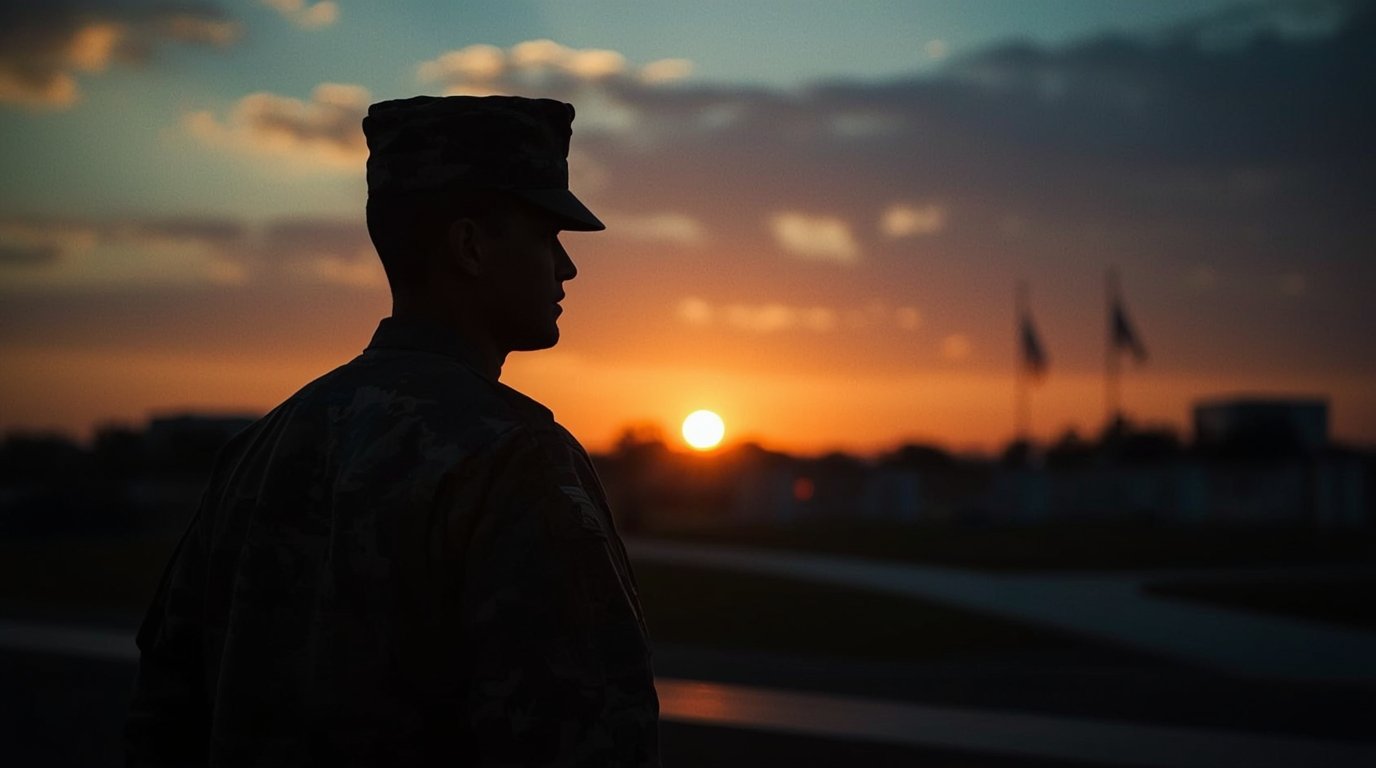
Introduction to the Wounded Warrior Project
The Wounded Warrior Project (WWP) is a non-profit organization dedicated to serving veterans who have incurred both physical and mental injuries during their military service. Founded in 2003, this initiative was created to honor and empower wounded service members, recognizing the profound sacrifices they have made for their country. Central to WWP’s mission is the commitment to assist veterans in navigating the unique challenges they face, particularly as they transition back to civilian life.

for the $3,000 Special Allowance
Replicating the military ethos of duty and camaraderie, the Wounded Warrior Project emphasizes support not only for veterans but also for their families, who play a vital role in the healing and reintegration process. The organization provides a wide range of services tailored to address the various needs of its beneficiaries, including mental health support, physical wellness programs, and employment assistance. These programs aim to promote resilience and recovery, helping veterans reclaim a sense of purpose and independence.
Addressing the mental health issues that often accompany injuries sustained in combat is a critical aspect of WWP’s focus. Many veterans experience post-traumatic stress disorder (PTSD), depression, and anxiety, which can hinder their ability to thrive in civilian environments. By fostering an understanding of these challenges and offering therapeutic resources, the Wounded Warrior Project works to break down stigmas and encourage healing.

Furthermore, the transition to civilian life can be fraught with difficulties, from navigating new societal expectations to finding suitable employment. The Wounded Warrior Project recognizes the importance of equipping veterans with the tools they need to succeed in this new chapter. Through mentorship, skill-building workshops, and community engagement, WWP strives to empower these individuals, helping them find their footing after service. The organization’s holistic approach highlights the significance of addressing both physical and mental health, ensuring that veterans and their families receive comprehensive support.
Warrior Care Network: Specialized Mental Health Support
The Warrior Care Network represents a significant initiative aimed at providing specialized mental health support to military veterans. This program is a collaboration among four distinguished academic medical centers: Emory University, Massachusetts General Hospital, Rush University Medical Center, and the University of Southern California. Each facility is equipped with a focus on addressing the mental health needs of veterans, particularly those battling conditions such as post-traumatic stress disorder (PTSD) and traumatic brain injury (TBI).
One of the key components of the Warrior Care Network is its comprehensive approach to mental health care, which includes outpatient treatment and group therapy sessions designed specifically for veterans. The outpatient treatment services provide personalized care plans that track and address the unique experiences and challenges faced by these individuals. Group therapy sessions, often led by licensed mental health professionals, foster a sense of community among veterans, allowing them to share their experiences and support one another in their healing journeys.
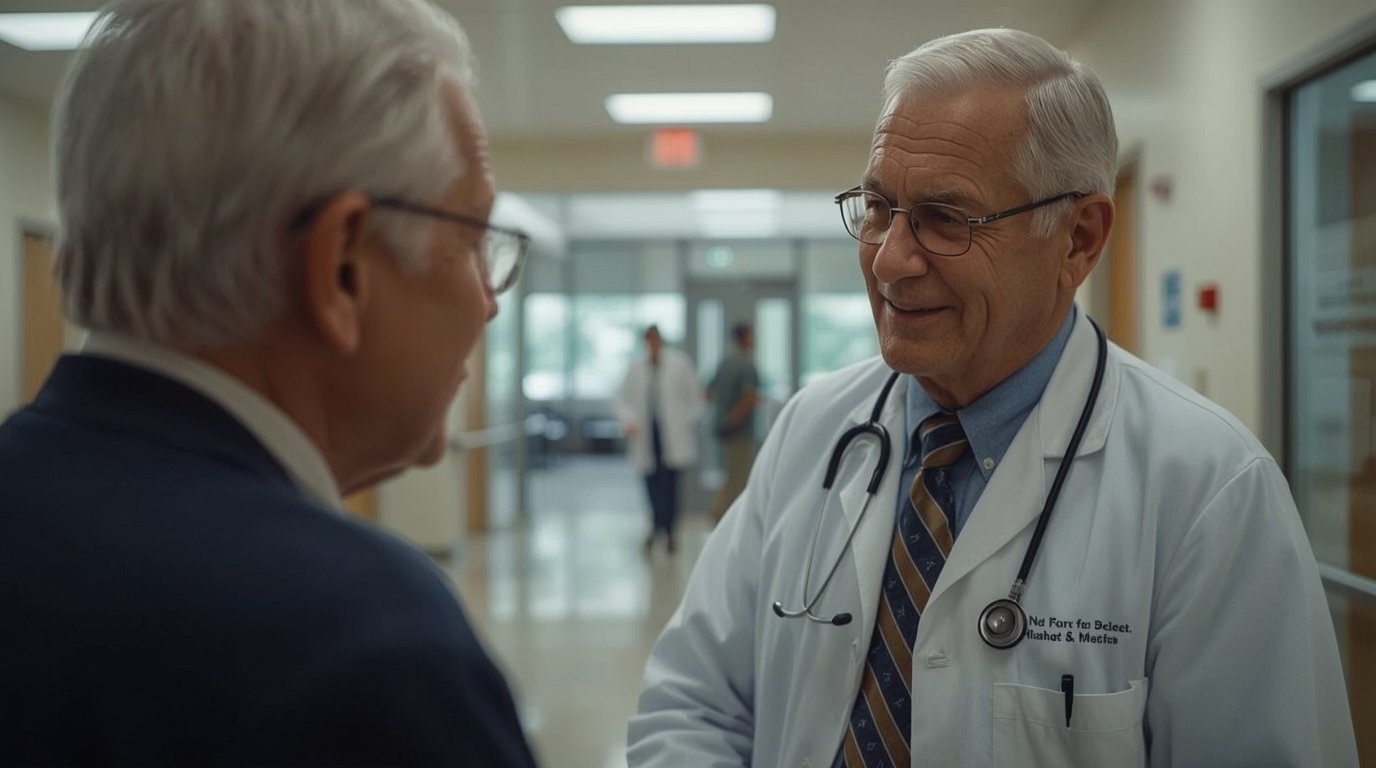
In addition to traditional therapeutic methods, the Warrior Care Network has incorporated innovative approaches, such as virtual reality therapy, which has gained recognition for its effectiveness. This type of therapy allows veterans to engage in simulated environments that can help them confront their trauma in a controlled setting. Such therapeutic interventions are crucial as they provide veterans with the opportunity to rehearse coping strategies and work through their distressing memories in a safe space.
Through these various services, the Warrior Care Network emphasizes the importance of tailored mental health care, enabling veterans to access resources that align with their specific needs. The collaboration between these academic medical centers enhances the quality of care provided, ensuring that veterans receive the best support possible on their path to recovery. By addressing the mental health challenges faced by veterans through targeted and innovative techniques, the Warrior Care Network stands out as a beacon of hope and healing for those who have served our nation.
Warriors to Work: Transitioning to Civilian Employment
The Warriors to Work program is a critical initiative of the Wounded Warrior Project, designed to assist veterans in their transition to civilian employment. This program offers tailored support to ensure that veterans are equipped with the necessary tools and resources to navigate the complex job market successfully. Recognizing the unique challenges faced by veterans, Warriors to Work aims to facilitate a smooth transition from military service to fulfilling civilian careers, thereby promoting economic stability and personal empowerment.
One of the cornerstone services offered by the Warriors to Work program is job placement assistance. Veterans receive personalized guidance to identify and pursue job opportunities that align with their skills, experiences, and career aspirations. This initiative does not merely aim to fill job vacancies; rather, it focuses on matching veterans with roles that offer long-term growth and job satisfaction.
In addition to job placement, the program provides resume building workshops that help veterans translate their military experiences into civilian-friendly language. These workshops emphasize the importance of showcasing transferable skills and accomplishments, ensuring veterans can present themselves effectively to potential employers. Coupled with this is the interview preparation training, which equips participants with strategies to excel in job interviews. This training covers common interview questions, appropriate responses, and techniques to project confidence and professionalism.
Furthermore, coaching on salary negotiations is an essential aspect of the Warriors to Work program. Many veterans may find it challenging to advocate for fair compensation due to a lack of experience in negotiating salaries. The program addresses this gap by offering veterans the tools and strategies they need to engage in effective salary discussions, ultimately empowering them to secure competitive wages that reflect their skills and contributions.
Overall, the Warriors to Work program plays a pivotal role in supporting veterans as they transition to civilian employment, fostering resilience and self-sufficiency in their post-military lives.
Project Odyssey: Healing through Adventure
Project Odyssey, organized by the Wounded Warrior Project, is an innovative initiative designed to facilitate healing through adventure-based experiences. This unique program combines outdoor group activities with psychoeducational sessions, thereby promoting mental wellness among veterans. The primary objective of Project Odyssey is to create an environment where veterans can connect with one another, share their experiences, and cultivate camaraderie—all essential elements in the healing process.
The essence of Project Odyssey lies in its focus on outdoor adventures, which serve as a powerful backdrop for healing. Activities such as hiking, kayaking, and rock climbing not only challenge participants physically but also encourage teamwork, trust, and mutual support. Engaging in these adventures allows veterans to break away from their everyday routines and immerse themselves in experiences that foster a sense of purpose and achievement. This adventure-based approach is particularly effective in combating feelings of isolation that many veterans may face post-service.
In addition to outdoor activities, Project Odyssey incorporates psychoeducational sessions that equip veterans with coping strategies and mental health resources. These sessions are designed to enhance resilience, promote emotional well-being, and provide tools to manage challenges such as PTSD and depression. The combination of physical activity and psychological support helps participants process their experiences while forging strong bonds with fellow veterans who have shared similar journeys.
Ultimately, Project Odyssey stands out as a comprehensive program that not only focuses on individual healing but also emphasizes the importance of community and connection. By engaging in shared adventures and learning together, veterans can reclaim their sense of self, rediscover joy, and continue to heal in a supportive environment. This innovative approach exemplifies the Wounded Warrior Project’s commitment to fostering long-lasting positive change in the lives of those who have served.
Soldier Ride: Cycling for Community and Resilience
Soldier Ride is an innovative program designed specifically for veterans, aiming to facilitate physical recovery and emotional healing through cycling. This initiative highlights the multifaceted benefits of engaging in physical activities while also promoting peer support and community connections among participants. The program invites veterans from diverse backgrounds to join in cycling events that not only focus on fitness but also strengthen social bonds and reinforce the sense of community.
At the core of Soldier Ride is the belief that participation in group cycling can enhance mental well-being. As veterans come together, they share their experiences, fostering an environment of understanding and camaraderie. This peer support element is crucial, as it allows participants to connect with individuals who have similar backgrounds and challenges, creating a safe space for healing. The act of cycling in a group encourages mutual encouragement, motivation, and friendship, which are vital components in rebuilding resilience.
The physical aspects of Soldier Ride also contribute significantly to the overall positive impact of the program. Cycling is an excellent way for veterans to engage in physical activity, which is known to improve not only physical health but also mental health. Exercise releases endorphins, which can alleviate depression and anxiety often experienced by veterans. Furthermore, the structured nature of the cycling events allows veterans to set and achieve goals, leading to a greater sense of accomplishment and purpose.
In summary, Soldier Ride serves as a powerful vehicle for veterans to connect, heal, and thrive. By combining the benefits of physical activity with community support, the program creates a holistic approach to resilience and recovery. Each participant leaves with not only enhanced physical fitness but also stronger connections and a reinforced sense of belonging, enriching their journey toward healing and personal growth.
Independence Program: Long-Term Recovery and Support
The Independence Program stands as a crucial initiative within the Wounded Warrior Project, designed to provide veterans with comprehensive support that promotes their long-term recovery and independence. This program addresses the complex challenges faced by warriors transitioning back into civilian life, particularly those who have experienced significant injuries or illnesses. By focusing on individualized care, the Independence Program ensures that each veteran receives tailored support suited to their unique needs and circumstances.
At the core of the Independence Program is the integration of occupational therapy, which plays a vital role in helping veterans develop necessary skills for daily living and employment. Therapists work collaboratively with veterans to enhance their physical abilities, cognitive functions, and emotional well-being. This therapeutic approach not only aids in physical recovery but also fosters a sense of empowerment, encouraging veterans to regain control over their lives. Additionally, social workers within the program provide essential resources and emotional support, helping veterans navigate the often complex landscape of post-service life.
Rehabilitation counselors further enhance the Independence Program by offering specialized services that focus on vocational training and education. These counselors assist veterans in identifying their career aspirations, developing job skills, and effectively transitioning into fulfilling careers. This holistic approach underscores the Wounded Warrior Project’s commitment to fostering the independence of veterans, allowing them to thrive in civilian society. Through the diverse resources available in the Independence Program, veterans are equipped not only to overcome physical challenges but also to build meaningful connections and achieve lasting independence.
Mental Health Initiatives: A Comprehensive Approach
The mental health initiatives of the Wounded Warrior Project (WWP) reflect a significant commitment to addressing the complex mental health issues faced by veterans. Recognizing that many service members experience challenges such as post-traumatic stress disorder (PTSD), depression, and anxiety, WWP implements a multifaceted approach aimed at promoting mental wellness. This includes providing access to essential resources that veterans may otherwise find difficult to navigate.
One of the cornerstones of WWP’s mental health initiatives is its focus on holistic healing. The organization offers a range of therapeutic programs that incorporate both traditional and innovative treatments. These include group counseling sessions, workshops, and retreats designed to foster emotional well-being and resilience among veterans. These programs create safe spaces where individuals can share personal experiences and learn coping strategies while being surrounded by peers who understand their journey.
The significance of community support cannot be overstated in the context of mental health for veterans. WWP actively encourages the formation of support networks through peer mentorship and socialization opportunities. By building a strong community, WWP helps veterans to feel less isolated and more connected, which is vital for their recovery process. Engaging with others who have faced similar challenges provides a sense of belonging and encourages individuals to seek help when needed.
Furthermore, WWP collaborates with mental health professionals to ensure that veterans receive the best possible care. This collaborative approach seeks to tailor mental health services to the unique needs of each veteran, recognizing that a one-size-fits-all model may not be effective. Overall, the initiatives led by the Wounded Warrior Project highlight their unwavering dedication to improving the mental wellness of veterans and supporting them on their journey toward recovery.
Family Support Programs: Strengthening Connections
The Wounded Warrior Project (WWP) recognizes that the journey to recovery for veterans encompasses not only the individuals who have served but also their families who play a vital role in their healing process. Family support programs are integral to ensuring that both veterans and their relatives are equipped to navigate the challenges imposed by military service and deployment. By offering targeted support to families, WWP contributes to the overall well-being of all members, which ultimately aids in the veteran’s recovery.
One of the key initiatives of the Wounded Warrior Project is the Family Support Program, which provides educational resources, workshops, and support groups tailored to address the specific needs of veterans’ families. Such programs empower family members with knowledge and coping strategies, enabling them to better understand the complexities of post-traumatic stress disorder (PTSD), traumatic brain injuries (TBI), and other service-related challenges faced by veterans. This education fosters healthier communication and relationships within families, essential for emotional healing.
Additionally, WWP organizes family-friendly events and retreats, creating opportunities for connection and shared experiences. These gatherings are designed to strengthen bonds among families while also allowing them to interact with other veterans and their loved ones. This communal support system can alleviate feelings of isolation and foster camaraderie among families who share similar experiences, effectively underscoring the importance of mutual support in the healing journey.
Through its comprehensive family support programs, the Wounded Warrior Project emphasizes that healing does not occur in a vacuum. A veteran’s recovery is deeply intertwined with the emotional and psychological well-being of their family. By nurturing these connections, the WWP promotes a holistic approach to healing, ensuring that families not only support their veterans but also find the necessary resources to address their unique challenges. Ultimately, the strength of these family ties is pivotal for fostering resilience and enhancing quality of life for all involved.
Conclusion: The Impact of WWP Programs
In summary, the Wounded Warrior Project (WWP) offers a comprehensive range of programs designed to meet the diverse needs of veterans and their families. These initiatives encompass various facets of healing, including mental health counseling, physical rehabilitation, social engagement, and career development. By addressing the profound challenges faced by wounded veterans, WWP fosters an environment that encourages recovery and resilience. Participants often report significant improvements in their overall well-being, with many transitioning successfully into civilian life due to the strategic support WWP provides.
One of the most notable aspects of the Wounded Warrior Project’s approach is its holistic focus. Rather than merely concentrating on physical injuries, WWP acknowledges the intricate relationship between physical, mental, and emotional healing. Their programs are not one-size-fits-all; instead, they tailor services to individual needs, ensuring that every veteran can find the support necessary for their unique journey. Through community engagement, warriors can connect with others who share similar experiences, reducing feelings of isolation and allowing them to rebuild vital social networks.
Moreover, the benefits of these programs extend beyond the veterans themselves. By providing resources for family members, WWP recognizes the critical role loved ones play in the healing process. Family support services enhance communication, understanding, and cohesion within households, making recovery a shared endeavor. As we reflect on the accomplishments of WWP, it is evident that their programs not only transform lives but also cultivate a deeper sense of purpose among veterans.
Continued investment and support for initiatives like the Wounded Warrior Project are essential in fostering lasting change. As society becomes increasingly aware of the sacrifices made by our servicemen and women, it is imperative to ensure that programs designed for their benefit remain robust and accessible. The lasting impact of WWP’s programs underscores the importance of ongoing commitment to our veterans and their families, enabling them to thrive in all aspects of life.