

Introduction to Supporting Veterans with Cancer
Veterans diagnosed with cancer experience a multitude of challenges that are often unique to their circumstances. These individuals have typically faced intense situations during their service, and the transition to civilian life can be complicated further by a cancer diagnosis. The emotional and medical strains associated with cancer can be overwhelming, not just for the veterans themselves but also for their families and close circles. The mental health of veterans is particularly susceptible due to factors such as post-traumatic stress disorder (PTSD), depression, and anxiety, which can be exacerbated by the stress that comes with a cancer diagnosis.

for the $3,000 Special Allowance
One of the critical aspects of supporting a veteran battling cancer is understanding the multifaceted nature of their struggle. The medical challenges include navigating complex treatment regimens, managing side effects, and ensuring access to specialized healthcare services that cater specifically to veterans. The emotional toll can be equally demanding, as these individuals may grapple with feelings of helplessness, fear about the future, and a sense of loss of control over their bodies and lives. This situation is further complicated by the stigma that sometimes surrounds mental health issues, making it difficult for veterans to seek and receive the necessary support.
Tailored support becomes essential in these circumstances. The role of family, friends, and the broader community is crucial in providing the emotional and logistical support needed to help veterans face their cancer journey. One-on-one support can greatly enhance a veteran’s resilience, helping them to manage not only their medical challenges but also their emotional well-being. Encouraging open dialogues about their feelings, fostering a network of support, and facilitating access to resources can significantly impact their recovery and overall quality of life. Addressing the unique needs of veterans with cancer requires a collective effort that emphasizes understanding, compassion, and actionable assistance.
Accessing Veteran-Specific Cancer Care and Resources

For veterans facing the challenges of cancer, accessing specialized care is paramount. The U.S. Department of Veterans Affairs (VA) has implemented numerous programs and services tailored specifically to accommodate veterans battling cancer, irrespective of their discharge status or duration of service. One of the flagship initiatives is the National Precision Oncology Program, which utilizes advanced genomic data to inform personalized cancer treatment plans. This program ensures that veterans receive targeted therapies, aligning their unique genetic profiles with the most effective treatment options.
Moreover, the VA offers teleoncology services, which allow veterans to connect with healthcare providers remotely. This option is particularly beneficial for those living in rural or underserved areas, as it eliminates the need for long-distance travel for consultations or follow-ups. Through telehealth platforms, veterans can access specialty care and receive guidance on their treatment from the comfort of their homes, thereby enhancing convenience and adherence to treatment regimens.
In addition to medical care, the VA also provides peer support groups specifically designed for veterans dealing with cancer. These groups create a space for individuals to share experiences, offer support, and cultivate camaraderie among those facing similar challenges. Access to such supportive communities can significantly impact the emotional well-being of veterans and their families during the difficult journey of cancer treatment.
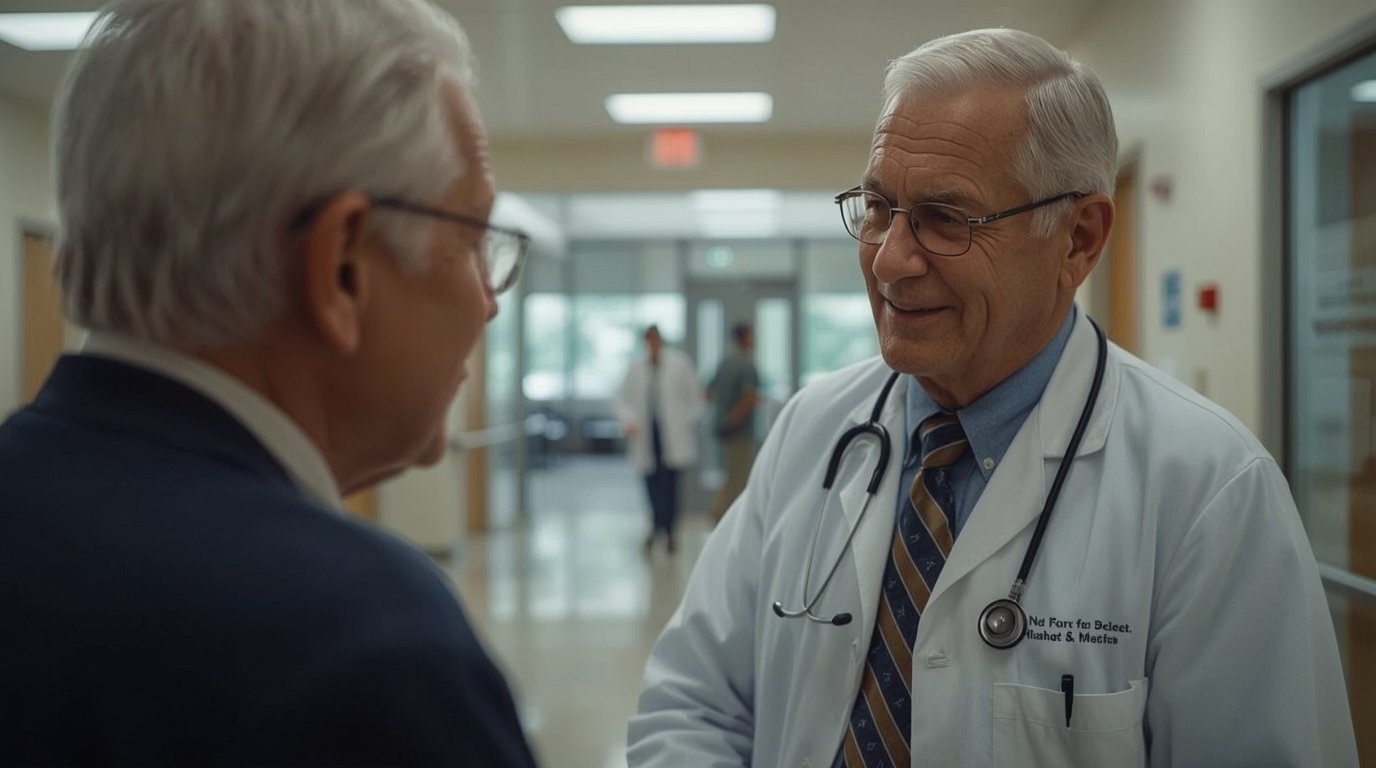
It is crucial for veterans and their families to be informed about these invaluable resources. The VA has made it its mission to ensure that all veterans, regardless of their service history, can access quality cancer care tailored to their unique needs. Through the integration of innovative treatment options, remote patient access, and supportive networks, veterans battling cancer can find comprehensive care and encouragement as they navigate this formidable disease.
Providing Emotional and Peer Support
Supporting a veteran battling cancer requires not only compassion but also a thorough understanding of the emotional challenges inherent in such a struggle. Cancer can significantly impact mental health, leading to feelings of isolation, anxiety, and depression. For veterans, this experience may be compounded by the unique psychological burdens associated with military service. Thus, fostering emotional support is crucial to facilitate coping and recovery.
One effective avenue for providing emotional support is through peer support groups. These groups create a safe space for veterans to share their experiences, fears, and triumphs with individuals who can relate to their circumstances. The shared bond of military service, coupled with the common battle against cancer, forms a foundation of mutual understanding, which can significantly enhance emotional resilience. Engaging with peers who are facing similar challenges can alleviate feelings of loneliness and provide a network of encouragement and practical advice.

Additionally, various organizations offer tailored emotional aid to veterans. These organizations often provide resources such as counseling services, workshops, and community events. Through these initiatives, veterans can access professional help and develop coping strategies in a supportive environment. Organizations like the Veterans Health Administration or non-profits focused on veteran affairs offer critical resources that can help veterans navigate their cancer journey.
Creating a community around veterans battling cancer not only enhances their emotional well-being but also fosters a sense of belonging. Veterans can find encouragement from others who understand their unique experiences, allowing them to cultivate hope and resilience. As supporters, it is essential to facilitate connections, encourage attendance in peer groups, and advocate for access to emotional resources. Through these efforts, we can create a robust support system that significantly impacts the mental health of veterans fighting cancer.
Practical Assistance for Families and Caregivers
When a veteran is diagnosed with cancer, the challenges faced extend beyond the individual; families and caregivers often shoulder significant burdens. To alleviate some of these pressures, numerous resources and support systems are available. Organizations like CancerCare and the American Cancer Society provide invaluable assistance tailored specifically to the needs of cancer patients and their families. These organizations offer financial support, emotional counseling, and educational resources to help families navigate the complexities of cancer care.
CancerCare is renowned for its comprehensive suite of services, which includes free counseling, co-pay assistance for treatment, and support groups that connect families dealing with similar challenges. It recognizes the emotional toll that cancer takes on veterans and their loved ones, enabling them to access professional support without incurring additional costs.
Additionally, the American Cancer Society delivers a wide range of programs aimed at improving the quality of life for patients and caregivers. They offer transportation services for medical appointments, accommodation support for those who must travel for treatment, and education on treatment options. Such resources empower families by equipping them with tools to manage appointments and understand treatment protocols, ensuring the best possible care for their loved ones.
The U.S. Department of Veterans Affairs (VA) also provides resources through its caregiver support program. This initiative is specifically designed to support families of veterans who are battling serious health conditions, including cancer. The program features a variety of services, including training on how to care for individuals with complex needs, access to peer support networks, and respite services that allow caregivers to take necessary breaks. This comprehensive approach not only strengthens the caregiver’s support system but also prioritizes their well-being.
By utilizing these various resources, families and caregivers can better manage the challenges associated with caring for a veteran with cancer, fostering resilience and promoting the best possible outcomes during such trying times.
Encouraging Personalized Care and Advocacy
When it comes to supporting veterans battling cancer, it is essential to adopt a personalized approach to care that caters specifically to their unique experiences and needs. Each veteran’s journey is distinct, shaped by their individual circumstances, health history, and treatment preferences. A well-structured care plan that is tailored to their specific situation can make a significant difference in their treatment outcomes and overall well-being.
Navigating the healthcare system can be particularly challenging for veterans, given the complexities often involved in treatment options, insurance coverage, and potential benefits from the Department of Veterans Affairs (VA). As family members or advocates, providing assistance in understanding and accessing these resources is crucial. This may include guiding veterans through paperwork and appointments or connecting them with appropriate support services. The goal is to ensure they receive the holistic care they deserve.
Establishing customized care plans is fundamental to addressing the multifaceted nature of cancer treatment. These plans should be developed in collaboration with healthcare providers, considering not just medical treatments but also emotional, psychological, and social support. It is vital for veterans to feel comfortable discussing their concerns and preferences, so healthcare providers can design suitable and effective treatment strategies. Inclusivity in decision-making also fosters a sense of empowerment and agency, which can be profoundly beneficial during treatment.
Advocacy plays a pivotal role throughout this process. Advocates, whether they are family members, friends, or specialized organizations, can provide guidance, support, and encouragement. They can help veterans communicate their needs to healthcare professionals and ensure their voices are heard in clinical decisions. By actively participating in the veteran’s journey, advocates can reinforce the importance of personalized care and help navigate the complexities of the cancer treatment landscape. Moreover, their presence can mitigate feelings of isolation that veterans may experience, creating a robust support system during a challenging time.
Navigating Healthcare Systems
Navigating the healthcare systems available to veterans can be a daunting task, especially for those battling significant health challenges such as cancer. Understanding how to efficiently manage appointments, adhere to medication regimens, and tackle bureaucratic obstacles is crucial for ensuring veterans receive the necessary care. The following points can serve as a guide in this process.
First, it is essential to familiarize yourself with the healthcare benefits available to veterans. The Department of Veterans Affairs (VA) offers various programs to ensure that veterans have access to the care they require. Utilizing the VA’s online portal can simplify appointment scheduling and provide vital health information. Additionally, understanding eligibility requirements can help in determining which services are available, assisting in managing expectations and planning for treatment.
Regular communication with healthcare providers is another critical aspect of effective management within the healthcare system. It is advisable to maintain a health journal that tracks appointment dates, prescribed medications, symptoms, and reactions to treatments. This documentation can buffer conversations with healthcare professionals and ensure that nothing is overlooked during appointments. Engaging a family member or a caregiver to accompany appointments may also enhance understanding and retention of information discussed with providers.
Medication adherence often presents challenges, but it can be managed by establishing a structured system. Utilizing pill organizers or smartphone applications can serve as reminders for when to take medications. Furthermore, discussing any difficulty with adherence to medications with providers fosters a supportive environment to modify regimens as necessary.
Lastly, bureaucratic challenges can be alleviated through various resources offered by organizations dedicated to assisting veterans. Enlisting the help of veteran service organizations (VSOs) can be beneficial in navigating claims and appeals processes. These organizations provide critical support, enabling veterans to focus on their health rather than the complexities of healthcare administration.
Fundraising and Financial Support Options
Supporting a veteran and father battling cancer requires not only emotional support but also financial assistance to ease the burden of medical expenses. Various fundraising options and financial resources are available to help alleviate these costs, ensuring that veterans can focus on their health and recovery without the heavy weight of financial strain.
One popular method for raising funds is through online crowdfunding platforms such as GoFundMe. Setting up a campaign is straightforward; it begins with creating a compelling story that outlines the situation and the need for support. Including specific details about the veteran’s journey, medical condition, and financial goals can make the campaign more relatable and engaging. Additionally, sharing updates on the veteran’s progress can foster a deeper connection with donors. Promotion is crucial, and utilizing social media, community groups, and email newsletters can significantly boost visibility and attract potential donors.
Other fundraising avenues include organizing local events such as benefit dinners, charity runs, or auctions. These events not only raise funds but also foster community involvement and raise awareness about the challenges faced by veterans battling cancer. Collaborating with local businesses for sponsorships or donations can further enhance fundraising potential, creating a supportive network within the community.
Furthermore, it is essential for veterans to be aware of the financial support resources provided by the U.S. Department of Veterans Affairs (VA). The VA offers various programs designed to assist with medical costs, such as the Veterans Health Administration, which may cover specific cancer treatments and related expenses. Additionally, programs like the Veterans Aid and Attendance benefit provide financial aid for veterans requiring assistance due to health conditions. Understanding and utilizing these resources can significantly relieve the financial pressure many veterans face during their treatment.
The Importance of Community Support
When a veteran receives a cancer diagnosis, the impact extends beyond the individual, affecting their family, friends, and the broader community. The role of community support in a veteran’s cancer journey is crucial, as it provides emotional, practical, and informational assistance that can significantly ease the burden on the patient and their family. Strengthening community ties not only promotes resilience but also creates a network of care that can make a substantial difference in coping with cancer.
Engaging local resources is an essential step towards establishing a reliable support system. Many communities offer various organizations, including non-profits and veterans’ associations, which specialize in providing assistance to those facing health challenges. These organizations often provide resources such as transportation services to appointments, financial aid for treatments, or even support groups that allow veterans to connect with others undergoing similar experiences. By seeking out these resources, families can ensure that their veteran is not navigating this journey alone.
Another vital aspect of community support is the formation of personal networks. Family members and friends can create a team that rallies around the veteran to provide emotional support, share responsibilities, and offer companionship. Regular communication within this network can foster a sense of belonging and stability, which are essential for mental health during such trying times. It is also beneficial to involve neighbors and local community members who may wish to contribute in practical ways, such as meal preparation, childcare, or household maintenance, thereby alleviating everyday pressures on the family.
Fostering relationships within the community can create long-lasting bonds that serve not only veterans but also others in need. Building a strong support system plays a vital role in the cancer journey by ensuring that veterans and their families feel connected, valued, and less isolated. The resilience offered by a supportive community can be a beacon of hope for those facing the challenges of cancer treatment and recovery.
Conclusion: Making a Meaningful Impact
Supporting veterans who are battling cancer is a profound commitment that can significantly enhance their quality of life. Throughout this guide, we have explored various strategies that individuals can adopt to provide meaningful assistance to these brave individuals and their families. By focusing on medical, emotional, and practical support, we can create a nurturing environment that fosters healing and resilience.
First and foremost, medical support plays a pivotal role in the journey of veterans facing cancer. This can involve helping them navigate the complex healthcare system, finding appropriate treatments, and ensuring they have access to the necessary resources. Assistance with scheduling appointments, attending treatments, or even just accompanying them can alleviate their burden and enhance their overall experience. Being proactive in understanding treatment options and aiding in communication with healthcare professionals can ensure that veterans receive the best possible care during such critical times.
Emotional support is equally crucial; engaging veterans in consistent dialogue helps them feel acknowledged and valued. Encouragement to express their feelings, whether through conversation or creative outlets, fosters a sense of community. Participating in support groups that are specifically geared towards veterans can also provide a platform for shared experiences and camaraderie, allowing them to connect with others who understand their struggles.
Lastly, practical support can range from day-to-day assistance to financial aid. Offering to help with household chores, providing meals, or facilitating transportation can lift the weight of daily responsibilities off their shoulders. Engaging family members also ensures that veterans are surrounded by a strong support network, creating a stable environment in which they can focus on their recovery.
By actively participating in these areas, individuals can make a substantial difference in the lives of veterans battling cancer. Together, we can restore hope and strength, ensuring that these heroes receive the support they need and deserve.