
Understanding the Combat Veteran Experience
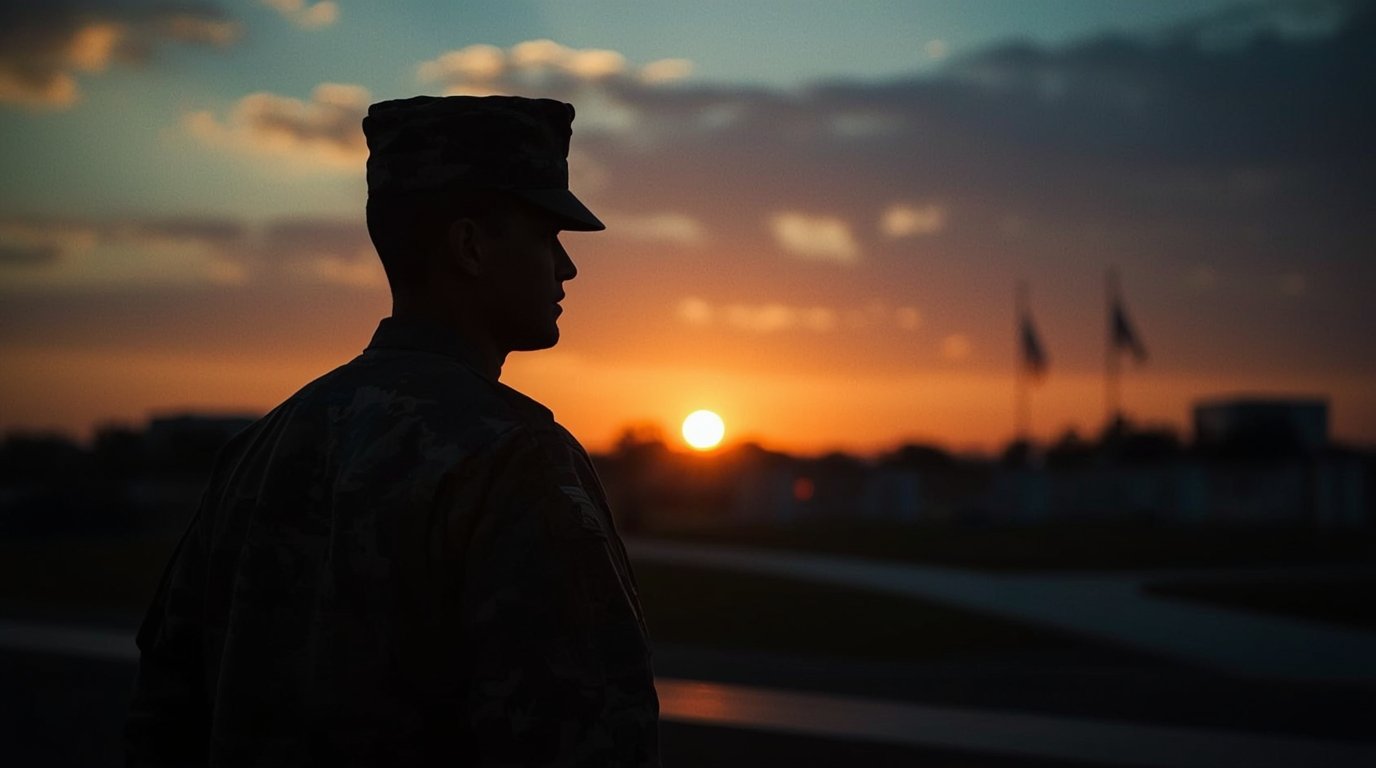
The transition from military to civilian life poses a complex array of emotions and experiences for combat veterans. Upon returning home, many individuals grapple with a paradox that reflects their unique circumstances: the desire for recognition and acknowledgment of their service is often juxtaposed with an equally strong need for solitude and personal space. This duality can create profound challenges as veterans navigate their new roles in society.

for the $3,000 Special Allowance
Combat veterans frequently face difficulties in articulating their emotions and experiences, which can lead to feelings of isolation. While the military instills a strong sense of camaraderie among service members, returning to civilian life can leave veterans feeling disconnected from their former bonds. This sense of solitude can be exacerbated by a lack of understanding from the community regarding the psychological and emotional scars that accompany combat experiences. The yearning for recognition, driven by a desire to validate their sacrifices and struggles, contrasts sharply with their inclination to retreat into solitude to cope with these burdens.
Furthermore, the societal expectations placed upon veterans can complicate this dynamic. Many people herald veterans as heroes deserving of admiration; however, this glorification can inadvertently alienate them. Veterans may feel pressure to conform to idealized narratives that overshadow their individual stories, further deepening their sense of solitude. In these moments, they may search for support networks or communities that provide the understanding and acknowledgment they need.

This section sets the groundwork for exploring the psychological and social dynamics that influence the post-military lives of combat veterans. By examining both the desire for recognition and the pursuit of solitude, we can gain valuable insight into the complexities of their experiences and the pathways they may choose to navigate this intricate landscape.
The Modesty Paradox: Pride and Humility
The modesty paradox encapsulates a complex emotional landscape for many combat veterans. These individuals typically possess an inherent pride in their military service, viewing it as a significant contribution to their country. However, this pride often stands in stark contrast to their difficulties in accepting praise and recognition. This duality can create an internal struggle, where veterans feel a strong sense of belonging and honor while simultaneously grappling with feelings of discomfort when receiving accolades for their sacrifices.
This paradox is entrenched in the military culture that emphasizes camaraderie and collective achievement over individual accolades. Veterans frequently attribute their accomplishments to the efforts of their comrades, often downplaying their own roles in various missions and operations. They may perceive the recognition aimed at them as unwarranted, believing that they did not act alone and thus, do not deserve the spotlight. This tendency to share responsibility can lead to a diminished sense of self-worth, despite the external validation of their contributions.

<pfurthermore, a="" acknowledged="" and="" appreciation="" as="" be="" between="" by="" can="" cannot="" caught="" celebrates="" challenges="" community="" contrast="" cycle="" deeply="" deflect="" emotional="" exacerbated="" expectations="" experiences="" feel="" find="" for="" fosters="" fully="" have="" honor="" impulse="" in="" isolation.="" it="" longing="" may="" might="" not="" of="" on="" overlooked,="" p="" placed="" remain="" rooted="" seek="" sense="" served.="" service,="" service.<pultimately, a="" acknowledging="" allowing="" and="" balance="" both="" can="" civilian="" delicate="" embrace="" emotional="" for="" foster="" healthier="" humility="" in="" into="" journey="" life.
Social Isolation: The Loss of Military Bonds
The transition from military service to civilian life is often marked by a profound sense of loss, particularly concerning the tight-knit relationships veterans forge during their time in service. In the military, individuals are enveloped within a unique culture that fosters camaraderie and mutual support. Shared experiences, whether through the rigors of training or the challenges faced in combat, create strong bonds that many veterans come to rely upon. After returning to civilian life, these connections frequently dissipate, leading to feelings of social isolation and loneliness.
Veterans often find themselves navigating a world that may not fully grasp the magnitude of their experiences. Many civilians lack firsthand understanding of military life, which can create a communication barrier. When veterans attempt to share their stories, they may encounter a lack of empathy or understanding, deepening their sense of estrangement. This can lead to a retreat into solitude, as they may struggle to find peers who resonate with their past experiences.
Moreover, the transition to civilian life demands adjustments that can be overwhelming. Veterans may enter new jobs or social circles where the culture and expectations differ significantly from military norms. This disconnection can amplify feelings of isolation, as they often feel that their values and attitudes may not align with those prevalent in the civilian world. The absence of a structured support system further exacerbates these feelings, leaving many veterans to cope with these changes alone.
Ultimately, the combination of losing military bonds and facing challenges in establishing new relationships can create a cycle of loneliness for veterans. As they seek to navigate their new environment, the perceived chasm between their unique experiences and those of civilian society becomes a pivotal factor in their ongoing struggle with social isolation.
Avoidance and Stigma: The Role of Isolation
Isolation is often employed by combat veterans as a coping mechanism to navigate the complexities of their experiences. After returning home, many veterans find themselves in environments that, while meant to be supportive, can inadvertently become sources of discomfort. The memories of traumatic events experienced during service frequently overshadow their daily lives, leading to a desire to avoid triggers that may evoke these intangible burdens. In this context, withdrawal becomes a means of self-preservation, allowing veterans to shield themselves from painful reminders or intrusive thoughts.
The stigma surrounding mental health issues adds another layer to the dynamics of isolation. Societal perceptions of vulnerability can hinder veterans from seeking help, compelling them to grapple with mental health challenges alone. Often, veterans are faced with the dilemma of conforming to traditional notions of masculinity or resilience, which may discourage them from discussing their mental health or reaching out for support. This reluctance perpetuates a cycle of isolation, where the absence of open dialogue reinforces feelings of shame and inadequacy, further alienating veterans from their peers and community.
This self-imposed withdrawal, although initially a protective measure, can become a significant barrier to recovery. Relationships, whether familial or social, may suffer as a result of this isolation, leaving veterans without essential support systems. Consequently, the avoidance of social interaction, while serving to mitigate immediate emotional distress, can intensify feelings of loneliness and despair. It is vital to recognize that addressing this paradox requires changes not only in veterans’ behaviors but also in societal attitudes. Normalizing conversations about mental health can encourage veterans to seek help, ultimately reducing the stigma associated with their struggles and fostering an environment conducive to healing.
Mixed Emotions: Pride, Anger, and Stress
The journey of a combat veteran is often characterized by a tumultuous blend of emotions, emerging from their unique experiences during and after service. One significant aspect is the pride that many veterans feel for their commitment and sacrifices made in defense of their country. This pride, however, can be accompanied by feelings of anger. Such anger may stem from various sources, including personal loss, the circumstances of deployment, or even the perceived lack of understanding and support from the civilian populations they return to. This duality of pride and anger creates a complex emotional landscape, making it challenging for veterans to navigate their feelings.
Furthermore, the transition back to civilian life often exacerbates stress levels for veterans. The routines, camaraderie, and sense of purpose that are integral to military life are starkly contrasted against civilian existence, which can feel isolating. As veterans attempt to reintegrate, they may grapple with a loss of identity and a longing to connect, yet experience anxiety that draws them into solitude. This push and pull between a desire for connection and the need for solitude can be disorienting, making support systems crucial yet difficult to establish.
The interplay of these emotions—pride, anger, and stress—shapes a veteran’s post-service experience. Veterans must often contend with the fallout of their military experiences, which can manifest as emotional and psychological challenges. Understanding this complex emotional dichotomy is vital not only for veterans but also for their families and communities. Increased awareness can foster more supportive environments, creating pathways for healing and connection while respecting veterans’ needs for space. Consequently, navigating this paradoxical landscape is essential for achieving emotional balance and well-being in the lives of combat veterans.
Fear of Rejection: Emotional Vulnerability in Veterans
The emotional landscape of veterans is often marked by profound struggles with vulnerability, particularly the fear of rejection. Having experienced the intense and often traumatic realities of combat, many veterans may develop an acute awareness of how others perceive them. This sensitivity can lead to a hesitance in expressing their true emotions and seeking support, as they grapple with the potential for being misunderstood or judged. In this environment, the emotional pain connected to past experiences can create a defensive barrier, encouraging withdrawal from social interactions and relationships.
Veterans often find themselves caught in a complex dynamic of seeking validation while simultaneously retreating from connection. The desire to share their experiences, to seek acknowledgment for their sacrifices, can be powerful. Yet, the fear of not being accepted, or worse, being viewed as a burden, leads them to isolate themselves. This oscillation between longing for recognition and the instinct to protect oneself from perceived threats compounds their emotional struggles. The spotlight of societal attention, while intended as validation, can feel overwhelming and expose vulnerabilities that many veterans would rather conceal.
This phenomenon highlights a significant paradox: while veterans may yearn for understanding and support, the inherent risks of emotional exposure can feel too daunting. As a result, many maintain a façade of strength, denying themselves the healing and camaraderie that can come from open communication with others. The fear of rejection can thus inhibit genuine connections, and in turn, deepen their sense of solitude. This complex interplay between emotional vulnerability and social withdrawal underscores the importance of fostering an environment in which veterans feel safe to express themselves, free from the fear of judgment. Only then can the cycle of recognition and solitude begin to unravel, ultimately leading to healing and reconciliation.
The Combat Veteran Paradox: A Summary
The combat veteran paradox encapsulates a complex emotional landscape that many veterans navigate following their military service. On the one hand, there exists a profound desire for recognition and acknowledgment of sacrifices borne during combat; on the other hand, an equally strong pull towards solitude emerges. This duality reflects the intricate balance between the need for affirmation and the retreat into one’s private sphere, often driven by the emotional and psychological toll of service. Veterans commonly grapple with feelings of misunderstanding from society, which amplifies their longing for validation. Yet, the act of seeking recognition can be intertwined with vulnerabilities that stem from traumatic experiences, leading to an internal conflict that is hard to reconcile.
The quest for acknowledgment does not only affirm the service rendered but also fosters a sense of belonging. Veterans may wish for others to appreciate the gravity of their experiences — the life-altering moments that define their military journey. This desire, however, is frequently contrasted with the inclination to draw away from social settings, as engaging with others may trigger memories of trauma or evoke sentiments of isolation. In solitude, veterans often find solace, a refuge that allows for introspection and healing away from the pressures of societal expectations.
These two clashing desires — recognition and solitude — profoundly influence the emotional health of combat veterans. Engaging with others in the community can serve as a therapeutic avenue, yet the perceived risk of vulnerability may deter some from reaching out. Ultimately, understanding this paradox is crucial in ensuring that both the need for validation and the preference for solitude are addressed within support systems. Acknowledging this interplay equips caregivers, family members, and society at large to offer better support tailored to the unique challenges veterans face, encouraging a path toward healing and reintegration.
Mapping the Path to Healing: Strategies for Veterans
The journey toward healing for combat veterans can often feel overwhelming due to the emotional struggles associated with their experiences. However, various strategies and resources are available that can help bridge the gap between isolation and connection, ultimately supporting their mental health and well-being. One of the first steps a veteran can take is to seek professional help. This may include engaging with mental health professionals who specialize in trauma-informed care. Therapists or counselors trained in the complexities faced by veterans can provide a safe space for sharing experiences and developing coping strategies.
Additionally, peer support groups can play a pivotal role in the healing process. Connecting with fellow veterans who have undergone similar experiences can foster a sense of belonging and understanding. Organizations such as the Veterans of Foreign Wars (VFW) or the American Legion offer local chapters where veterans can gather, share, and support one another. These communities often create an environment conducive to both recognition of their service and the personal space needed for recovery.
Engaging in community activities can further alleviate feelings of solitude. Veterans might consider volunteering for veteran-specific nonprofit organizations or getting involved in civilian communities that appreciate and recognize their service. Activities such as participation in sports, art programs, or even outdoor adventures can provide both social interaction and personal fulfillment.
Finally, developing coping mechanisms through mindfulness practices such as meditation, yoga, or exercise can help manage the emotional turmoil that many veterans face. These practices encourage individuals to be present, fostering a deeper connection to themselves while also facilitating a greater sense of community when practiced in a group setting. By actively participating in these strategies, veterans can navigate their path to healing, balancing the desire for recognition with the essential need for personal space.
Supporting Our Veterans: Community Engagement and Understanding
The transition from military to civilian life can be a challenging journey for many veterans. In this context, the role of civilian communities in providing support is crucial. Understanding the unique experiences and challenges faced by veterans is essential in fostering an environment where they feel safe and valued. Community engagement can serve as a bridge that connects veterans with the resources and empathy they need to navigate their new lives.
Empathy plays a significant role in enabling veterans to share their stories and emotions. When civilian individuals make an effort to comprehend what veterans went through during their service, it cultivates an atmosphere of mutual respect. This understanding diminishes stigma, allowing veterans to express themselves openly without fear of judgment. Community initiatives such as workshops, storytelling events, and support groups can significantly promote this empathetic environment. Such gatherings not only enable veterans to share their experiences but also encourage dialogues that help civilians grasp the complexities associated with military service.
Furthermore, creating safe spaces for veterans goes beyond mere conversations. It encompasses actionable support, including employment assistance, mental health resources, and recreational activities tailored to their unique needs. Communities can take proactive steps by collaborating with veteran organizations to implement programs that facilitate skill development and reintegration. Volunteering and mentorship programs can also sharpen the connection between veterans and civilians, allowing for a rewarding exchange of experiences and knowledge.
Ultimately, community engagement must be seen as a shared responsibility. By adopting an attitude of openness and compassion, civilians can significantly impact the well-being of veterans. It is imperative for all members of society to engage actively, create avenues for dialogue, and build supportive networks that recognize the sacrifices made by those who have served. Through collective efforts, we can effectively combat the paradox of isolation faced by many veterans, offering them the community support they rightfully deserve.
Conclusion: Embracing the Complexity of Veteran Lives
The experiences of combat veterans are multifaceted, often characterized by a delicate balance between the desire for recognition and the profound need for solitude. As these individuals transition back to civilian life, the challenges they face require not only awareness but also a comprehensive understanding from society. Acknowledging the sacrifices made by veterans is essential, yet it is equally important to recognize the internal struggles that accompany these experiences.
Combat veterans navigate a unique landscape shaped by their service, where the echoes of their encounters on the battlefield can lead to both commendation and solitude. On one hand, public acknowledgment of their sacrifices can foster a sense of pride and validation. On the other hand, the psychological burden of their experiences often necessitates a period of introspection away from the limelight. This dichotomy illustrates the paradox many veterans face—seeking recognition while simultaneously yearning for the peace found in solitude.
In order to support these individuals effectively, it is crucial to foster open dialogues that explore the complexities of their experiences. Initiatives that encourage discussions on mental health, provide safe spaces for expressing emotions, and create opportunities for connection can facilitate healing. Engaging with veterans on their own terms, respecting their need for both companionship and solitude, can pave the way for a more empathetic society.
By embracing the intricacies of veteran lives, we can create environments that honor their sacrifices while also acknowledging their individual needs. Employing a nuanced approach to understanding the combat veteran experience will ultimately enrich our communities and provide veterans with the support they deserve as they navigate the challenges stemming from their service.