
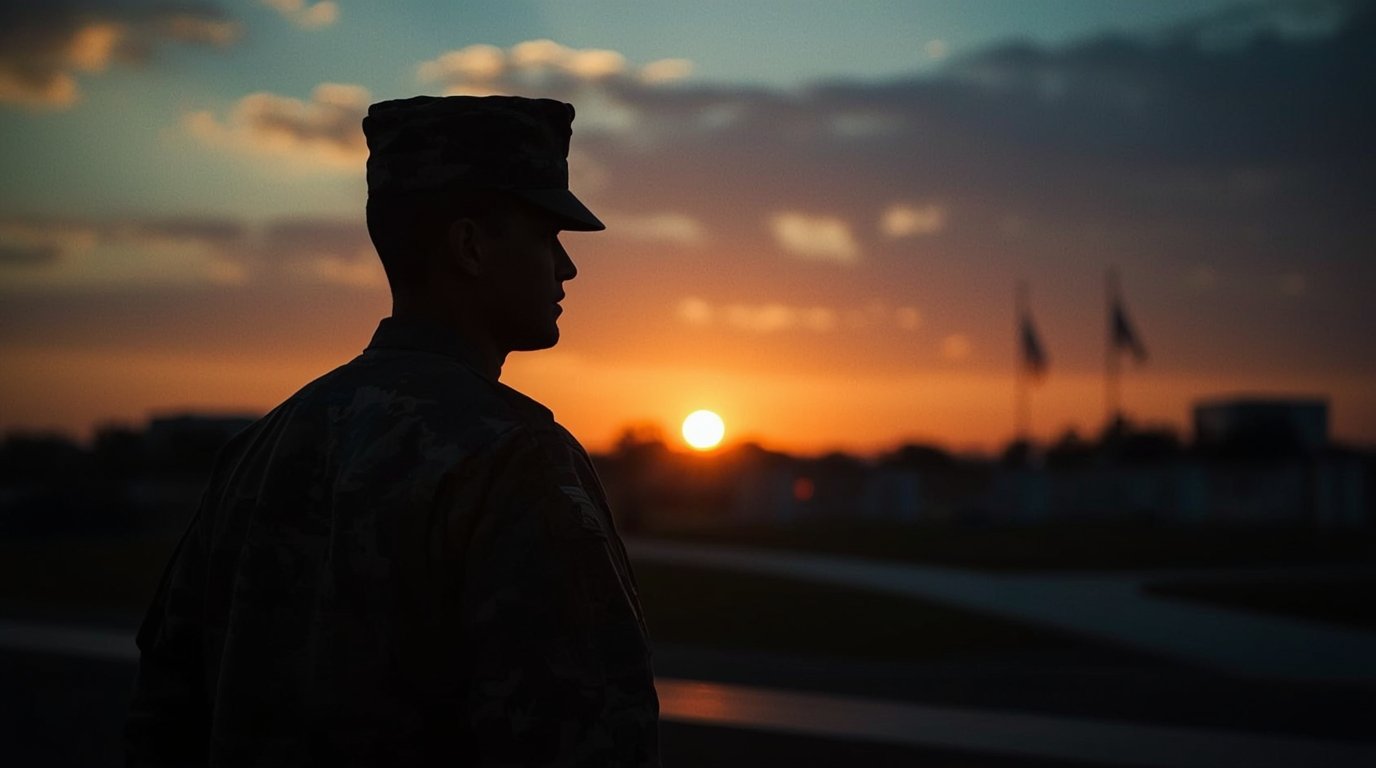
Introduction to Wyoming-Born World War II Veterans
World War II, a pivotal event in global history, spanned from 1939 to 1945 and involved many nations across the globe. For Wyoming, a state marked by its vast landscapes and relatively small population, the war had a significant impact. Numerous Wyoming-born residents answered the call of duty, serving in various capacities throughout the conflict. Their sacrifices not only shaped the course of the war but also influenced the state’s post-war development and identity.

for the $3,000 Special Allowance
Recognizing and documenting the contributions of Wyoming-born World War II veterans is crucial for preserving the state’s heritage. These veterans demonstrated immense bravery and resilience, often facing challenges that forever altered their lives. As time progresses, this group of veterans steadily diminishes; thus, it becomes increasingly important to ensure their stories are captured and honored. Accurate records serve not only as a tribute to the individuals who served but also as a testament to the values and sacrifices of an entire generation.
However, maintaining accurate documentation of these veterans presents unique challenges. Many records from that turbulent era lack detail, and as surviving veterans age, the opportunities to collect firsthand accounts dwindle. Researchers and historians often rely on secondary sources, including family documents, military records, and anecdotal evidence to piece together the experiences of these men and women. This process is essential for creating a comprehensive understanding of the war’s impact on Wyoming and for ensuring that future generations are aware of the legacies left by local heroes.

In recognizing the contributions of Wyoming-born World War II veterans, the state acknowledges the values they upheld: courage, dedication, and a commitment to freedom. As we reflect on their sacrifices, it is imperative to continue memorializing those who have passed and to celebrate the living veterans who remain, honoring the significant role they played in both state and national history.
Notable Wyoming-Born WWII Veterans
Wyoming has produced a number of distinguished World War II veterans whose contributions to the war and their communities continue to resonate today. Among these remarkable individuals is Vernon Joseph Baker, an African American soldier who served with the 370th Infantry Regiment. Despite facing racial discrimination, Baker exhibited exceptional bravery during critical operations in Italy, particularly at the Battle of Cerasuolo. His courage earned him the prestigious Medal of Honor in 1997, a belated recognition of his commitment to his country. Baker’s legacy is not only marked by his military achievements but also by his post-war advocacy for civil rights, emphasizing the importance of equality and justice.
Another prominent figure is Hewitt Gleave Youtz, a native of Wyoming who served in the United States Army during World War II. Youtz was deployed to the European theater, where he participated in major campaigns including the Normandy invasion. His commendable performance earned him the Silver Star for gallantry in action—an honor reflecting his selflessness and dedication in the face of adversity. Following the war, Youtz returned to Wyoming, where he became actively involved in supporting veterans’ affairs and contributing to the state’s socio-economic growth. His work ensured that the sacrifices of those who served were recognized and that veterans received the support they deserved.
These veterans exemplify the spirit of Wyoming’s contribution to World War II. Their personal stories, rooted in courage and resilience, highlight the profound impact of their service on their hometowns and the nation at large. As we reflect upon their legacies, it becomes clear that the sacrifices made by Wyoming-born veterans not only shaped the course of history during the war but also played a significant role in the creation of a better post-war society.
Current Status of Living Wyoming-Born WWII Veterans
The status of living Wyoming-born World War II veterans is a pressing issue, largely driven by the advanced age of this demographic. With the majority of these veterans now in their late 90s and beyond, the number of those still actively engaged with veteran affairs continues to dwindle. As of 2025, publicly confirmed records of Wyoming-born World War II veterans are scarce, reflecting a trend observed nationwide. This situation is compounded by the emotional and physical toll of time, which has affected the veteran population significantly over the last few decades.
Unfortunately, there is a lack of comprehensive records available through government archives. Many records that might detail specific names and statuses of living veterans have suffered from inconsistencies, data loss, and an overall decline in archival practices linked to this aging population. As a result, researchers and families searching for information on living veterans face considerable challenges in their endeavors.
The absence of finely detailed demographic statistics further complicates the landscape, as many resources that once provided insights have not been updated to account for the ever-shrinking number of veterans. This reality necessitates a more localized approach to gathering information; thus, contacting local veterans affairs offices is crucial. These offices may possess more direct knowledge and may be the only sources that can provide accurate and timely information regarding the veterans living in specific communities across Wyoming.
This unfortunate combination of factors reveals not only the sharp decline in living Wyoming-born WWII veterans but also underscores the importance of documentation and recognition of their contributions. As we move forward, it becomes increasingly essential for communities and agencies to work together to preserve the legacies of these brave individuals while they are still able to share their stories.
Conclusion and Call to Action
In examining the declining numbers of Wyoming-born World War II veterans, it is imperative to recognize the significant contributions they made to both their state and the nation. The bravery and sacrifices of these individuals helped shape the course of history during a tumultuous time. As these veterans age and their numbers dwindle, it is crucial to preserve their stories and legacies, ensuring that future generations understand and appreciate their efforts. This preservation is not just a tribute to those who served, but also a homage to the values of courage, resilience, and patriotism that they embodied.
To actively engage in the preservation of this important legacy, readers are encouraged to reach out to local veteran affairs offices or military archives. These institutions house invaluable information and records that highlight the experiences and contributions of World War II veterans. Gaining insights from these resources can deepen our understanding of the local impact of the war and commemorate the sacrifices made by those who served. Furthermore, by advocating for better record-keeping practices, we can help ensure that the legacies of these veterans are not lost to time.
Community engagement is also vital in honoring the contributions of Wyoming-born veterans. Organizing local events, memorials, or history projects can foster a culture of remembrance and respect. By participating in such initiatives, individuals can play a part in keeping their stories alive and fostering a greater appreciation for their sacrifices. In taking these steps, we not only honor the memory of World War II veterans but also inspire future generations to recognize and value the importance of service to their country.