
Current Trends in Veteran Population Size and Demographics
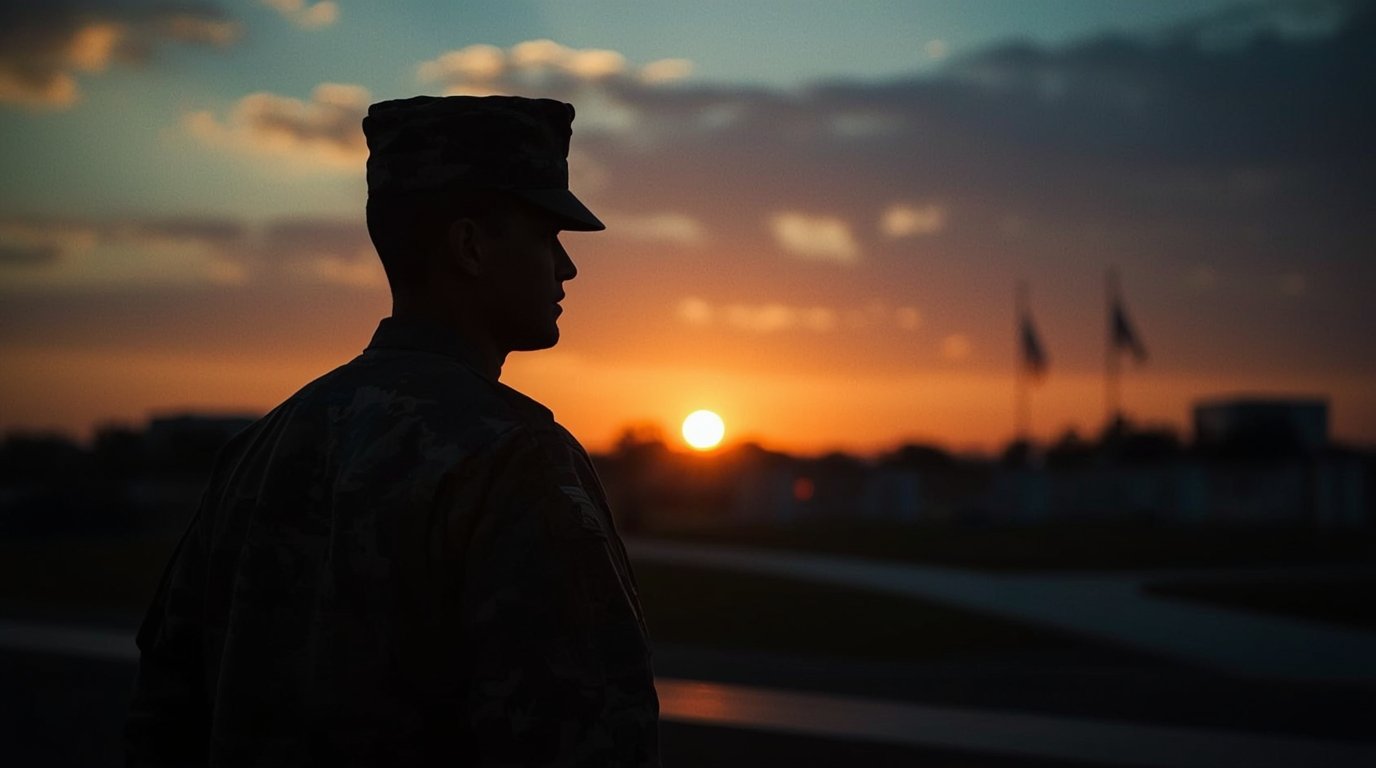
As of 2024-2025, the U.S. veteran population is estimated to be between 14 to 18 million individuals. This figure represents a significant demographic segment of the American population, but it also indicates a gradual decline in overall numbers. Several factors contribute to this trend, including the aging of existing veterans and reductions in new service members transitioning into veteran status. Over the past decades, the number of veterans has been steadily decreasing, resulting in a need for strategic planning to address the unique needs of this population.

for the $3,000 Special Allowance
Among the veteran population, approximately 37% are over the age of 65. This rising median age significantly impacts various aspects of veteran services, necessitating a focus on healthcare, social support, and community engagement tailored to an older demographic. Older veterans often face challenges associated with aging, such as increased healthcare needs, mobility issues, and social isolation, highlighting the necessity for comprehensive programs to support their well-being.
Conversely, there has also been an increase in the number of younger veterans, particularly from the Iraq and Afghanistan conflicts. These individuals, who have served in more recent military engagements, present a unique set of needs and perspectives compared to their older counterparts. As younger veterans reintegrate into civilian life, there is a growing demand for services that address issues such as employment, education, and mental health support. The contrasting age dynamics within the veteran population underscore the importance of tailored services that can effectively support both the aging veterans and younger service members. Understanding these trends allows organizations and policymakers to craft more responsive and effective initiatives for the varied demographics of the veteran community.
Changes in Gender Composition and Age Distribution

Over the past few decades, the gender composition of the U.S. veteran population has undergone significant changes. Historically, the majority of veterans were male, but recent trends indicate that female veterans now represent an estimated 6-9% of the total veteran population. This increase is reflective of broader societal shifts, including the growing inclusion of women in military roles and their active participation in various branches of the armed forces. The growing representation of women in the veteran community is a crucial factor as it highlights the evolving dynamics and contributions of female servicemembers. Female veterans tend to be younger, on average, than their male counterparts. This generational difference suggests that the experiences and needs of female veterans may differ from those of older male veterans, warranting targeted approaches in support services and resources.
Moreover, age distribution among veterans is another area of notable change. The veteran population consists largely of older individuals, many of whom served during previous conflicts such as Vietnam or World War II. This demographic is often characterized by unique challenges related to aging, such as healthcare issues and the need for social services. In contrast, there is a rising cohort of younger veterans, particularly those who served in the more recent conflicts in Iraq and Afghanistan. These younger veterans are often confronted with distinct issues, including the transition from military to civilian life, mental health challenges, and employment opportunities. As this population continues to grow, it becomes imperative for policymakers and veteran service organizations to address the diverse needs and experiences across different age groups.
Understanding these changes in gender composition and age distribution is essential for fostering an inclusive and supportive environment for all veterans, ensuring that both current and future needs are adequately met.
Geographic Shifts and Their Implications

The geographic distribution of the U.S. veteran population has undergone significant changes, particularly over the last few decades. Increasing numbers of veterans are migrating toward southern and western states, notably Texas, Florida, and California. This trend is often attributed to factors such as warmer climates, lower costs of living, and the availability of supportive services. As veterans relocate to these regions, the implications for veteran services become critical.
The influx of veterans into southern and western states leads to increased demand for U.S. Department of Veterans Affairs (VA) services, particularly concerning healthcare access and veteran benefits. These areas may experience pressure on existing facilities, leading to longer wait times and a strain on resources. For example, states like Texas and Florida have seen their veteran populations grow significantly, resulting in a need for expansion in healthcare facilities and enhanced VA support services. It is essential for state and local governments to prepare for this demographic shift by strategically allocating funding and resources to veteran services.
Conversely, traditional northern and midwestern regions are experiencing a decline in their veteran populations. Factors contributing to this trend may include harsh winters, limited job opportunities, and fewer available services tailored for veterans. As these areas lose veterans, they may struggle to maintain local programs and initiatives designed to support veterans, further exacerbating challenges for those who remain. It is crucial for policymakers to recognize these shifts and implement strategies to effectively address the specific needs of veterans in both the growing and declining regions.
Understanding the implications of these geographic shifts is vital for enhancing the overall support system for veterans across the United States. Ensuring equal access to healthcare and benefits, while addressing discrepancies between regions, remains a priority for the future.
Educational Attainment and Living Conditions of Veterans
The educational landscape of U.S. veterans has undergone notable transformation in recent years. With an increasing number of veterans pursuing higher education beyond high school, there is a marked shift towards improved educational attainment. Various programs and policies aimed at encouraging veterans to further their education have made significant contributions. For instance, initiatives like the Post-9/11 GI Bill have enabled many veterans to access college education fully funded, thereby fostering a culture of learning and higher achievement. Reports suggest a substantial rise in veterans obtaining bachelor’s and advanced degrees, highlighting a growing commitment to education within this population.
However, while many veterans are achieving higher education, it is essential to examine their living conditions as well. A significant portion of veterans reside in suburban and rural areas, which can often pose unique challenges in accessing necessary resources. These locales typically feature fewer medical facilities and face geographical obstacles that hinder veterans from benefiting from VA healthcare services and various entitlements. The disparity in access to healthcare options can directly impact the well-being and overall quality of life for veterans living in these regions.
The combination of increased educational attainment and complex living conditions paints a multifaceted picture of the veteran community. On one hand, higher education provides veterans with opportunities for personal and professional growth. On the other hand, the living conditions faced by many veterans—particularly in terms of healthcare access—can significantly affect their successful transition to civilian life. As the veteran population continues to evolve, addressing these challenges becomes imperative for ensuring that the well-being of this community is maintained or enhanced.