
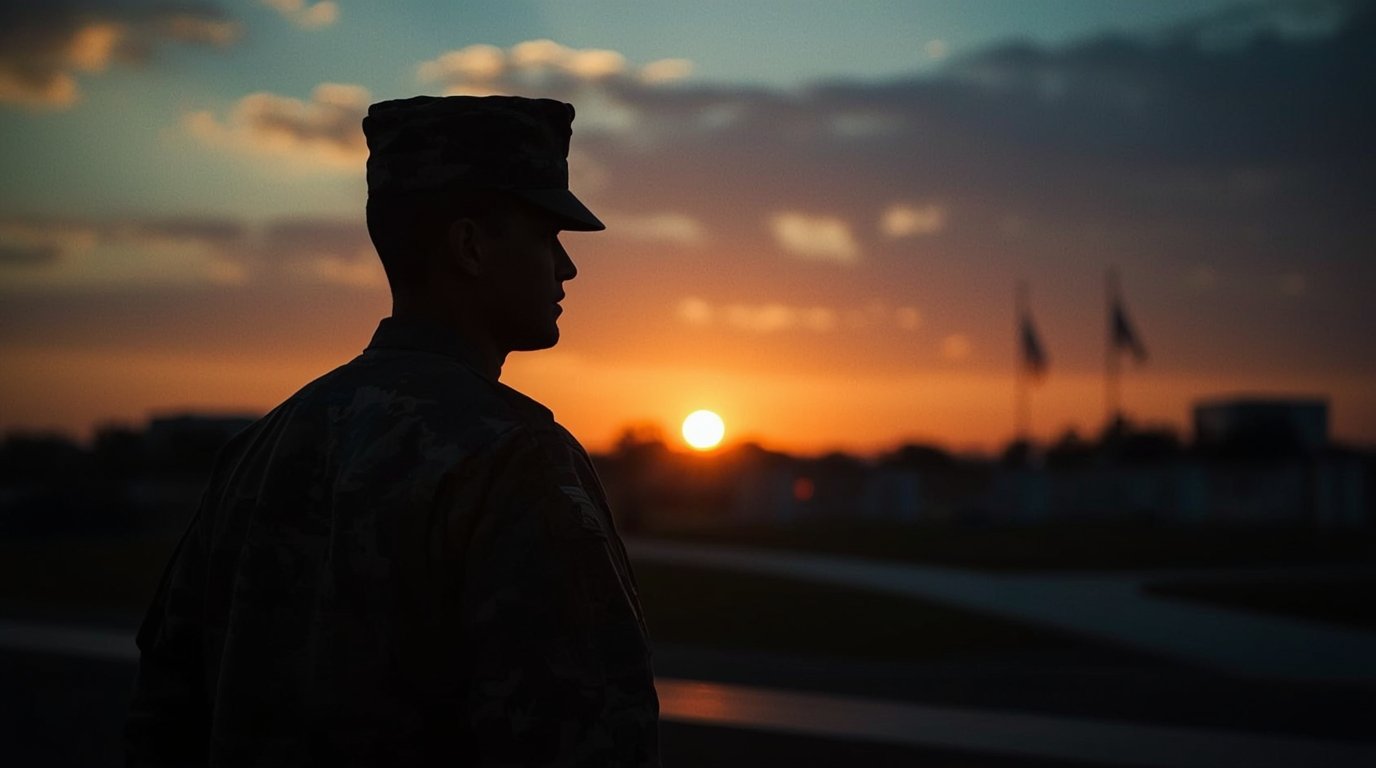
Understanding the National Guard Deployment Timeline
The potential deployment of the National Guard in Chicago is a subject of increasing discussion, particularly in light of the anticipated timeline that projects mobilization as early as September 2025. Recent reports indicate that the Pentagon is actively planning for this deployment, reflecting a broader strategy to manage national security concerns within urban environments, especially in highly populated areas like Chicago.

for the $3,000 Special Allowance
As part of the preparations, military planners are assessing the estimated number of troops needed for effective deployment. Current forecasts suggest a significant force may be required to assist local law enforcement and federal agencies in maintaining order amid rising tensions related to immigration enforcement strategies and heightened security protocols. The involvement of the National Guard is seen as a necessary measure to bolster federal agents who are expected to increase their presence in the city during this period.
The Army and other military branches have highlighted the need for readiness in facing the complexity of contemporary security challenges. The circumstances surrounding this potential deployment arise against a backdrop of increasing incidents that necessitate a proactive stance by both local and federal authorities. Furthermore, the anticipated rise in federal operations concerning immigration issues around the same timeline compounds the urgency for such measures. The National Guard’s role, therefore, is not only to provide immediate support but also to enable a coordinated approach in addressing the multifaceted concerns that Chicago may face.

In summary, the timeline for deploying the National Guard to Chicago presents a crucial aspect of the national strategy to enhance security measures while addressing complex societal issues. Careful planning and consideration will be paramount to ensure that the mobilization is effective and well-integrated within the existing framework of law enforcement and community relations.
Chicago Officials’ Response and Concerns
As discussions surrounding the potential deployment of the National Guard in Chicago have intensified, city officials, including Mayor Brandon Johnson, have voiced significant concerns regarding this decision. The lack of clarity and official communication from the White House regarding specific deployment timelines and troop numbers has exacerbated local unease. Mayor Johnson has publicly expressed his reservations about the deployment, emphasizing that the city is not in favor of military intervention, and underscores a preference for other forms of support that do not involve armed forces on the streets.
The Mayor’s position reflects a broader sentiment among Chicago officials who are apprehensive about the implications of such a military presence. Many city leaders fear that the National Guard’s involvement could lead to heightened tensions between law enforcement and community members. The history of militarized responses to civil unrest has often resulted in mistrust and has the potential to erode the relationship between the community and authorities. This concern is particularly pertinent in a city with a diverse population that has faced its share of strife in recent years.

Furthermore, the opposition to the National Guard deployment speaks to a complex political landscape in Chicago. Officials must navigate community sentiments while maintaining essential law and order. There is a palpable apprehension that deploying troops could signal a failure of local law enforcement and suggest that the city is incapable of managing its public safety effectively. This situation poses a dilemma for leaders who seek to balance the demands for public safety with the rights and feelings of the very communities they serve. As of now, officials continue to advocate for dialogue and collaboration, hoping to address the root causes of unrest without resorting to military intervention.
Legal Challenges Surrounding the Deployment
The planned deployment of the National Guard in urban areas, particularly in a city like Chicago, presents a variety of legal challenges. First and foremost, the legal framework that governs military deployment must be understood in the context of both federal and state laws. The Posse Comitatus Act, for instance, restricts the use of federal military personnel to enforce domestic policies, which may raise constitutional questions when National Guard troops, often trained for military operations, are deployed in a civilian context. This law underscores the importance of maintaining a clear distinction between military functions and civilian law enforcement.
Moreover, the activation of the National Guard typically requires a formal order from state governors or federal authorities, initiating a process that could face legal scrutiny. This creates an environment ripe for potential lawsuits from civil rights organizations and affected citizens arguing that such deployment infringes upon their constitutional rights. Questions surrounding the excessive use of force and the potential for civil unrest during the deployment could further complicate the situation, leading to legal challenges that might delay or even prevent the activation of troops.

The relationship between state authorities, local governance, and federal powers also plays a critical role in the legal discussions surrounding the National Guard’s deployment. Collaboration among these entities is essential to ensure that any military action is both legally justified and transparent. However, conflicts may arise, particularly if local authorities perceive the presence of the National Guard as an encroachment on their jurisdiction. Such tensions could lead to legal battles that complicate coordination efforts and undermine the intended objectives of deployment.
Interaction Between National Guard and Local Police
The interaction between the National Guard and local police in Chicago is a multifaceted issue that requires a thorough understanding of operational protocols, responsibilities, and jurisdictional boundaries. Historically, the National Guard has been deployed to assist local law enforcement in scenarios such as civil unrest, natural disasters, or significant threats to public safety. However, the deployment of military personnel within civilian contexts raises a series of concerns regarding the proper execution of law enforcement duties and community relations.
Establishing clear operational protocols is paramount to ensuring that the deployment of the National Guard is effective and respectful of local governance. A comprehensive framework would delineate the responsibilities of both entities, where local police remain the primary enforcement agency with the National Guard providing support as needed. This separation is essential to maintain the chain of command and prevent any potential overreach of authority, which could compromise the trust between law enforcement and the community.
Jurisdictional issues also pose a significant challenge during such interactions. Local police, familiar with the unique dynamics of the communities they serve, operate under local laws and regulations. In contrast, National Guard members, while trained for various operational scenarios, may not possess the same familiarity with local statutes. This disparity necessitates an emphasis on collaboration and communication to effectively navigate jurisdictional constraints, ensuring that all actions taken are lawful and respectful of civil liberties.
Community perspectives are crucial in shaping the narrative around the National Guard’s involvement in local policing. Residents may express heightened concerns about safety and civil liberties, fearing that the presence of military personnel could exacerbate situations rather than ameliorate them. Building trust and transparency between the National Guard, local police, and the community is essential, as public confidence can significantly affect the overall success of such deployments. Understanding these dynamics will ultimately inform the potential deployment strategies in Chicago, emphasizing a united approach that prioritizes public safety while respecting civil rights.