
Introduction to the PTSD Century Hike
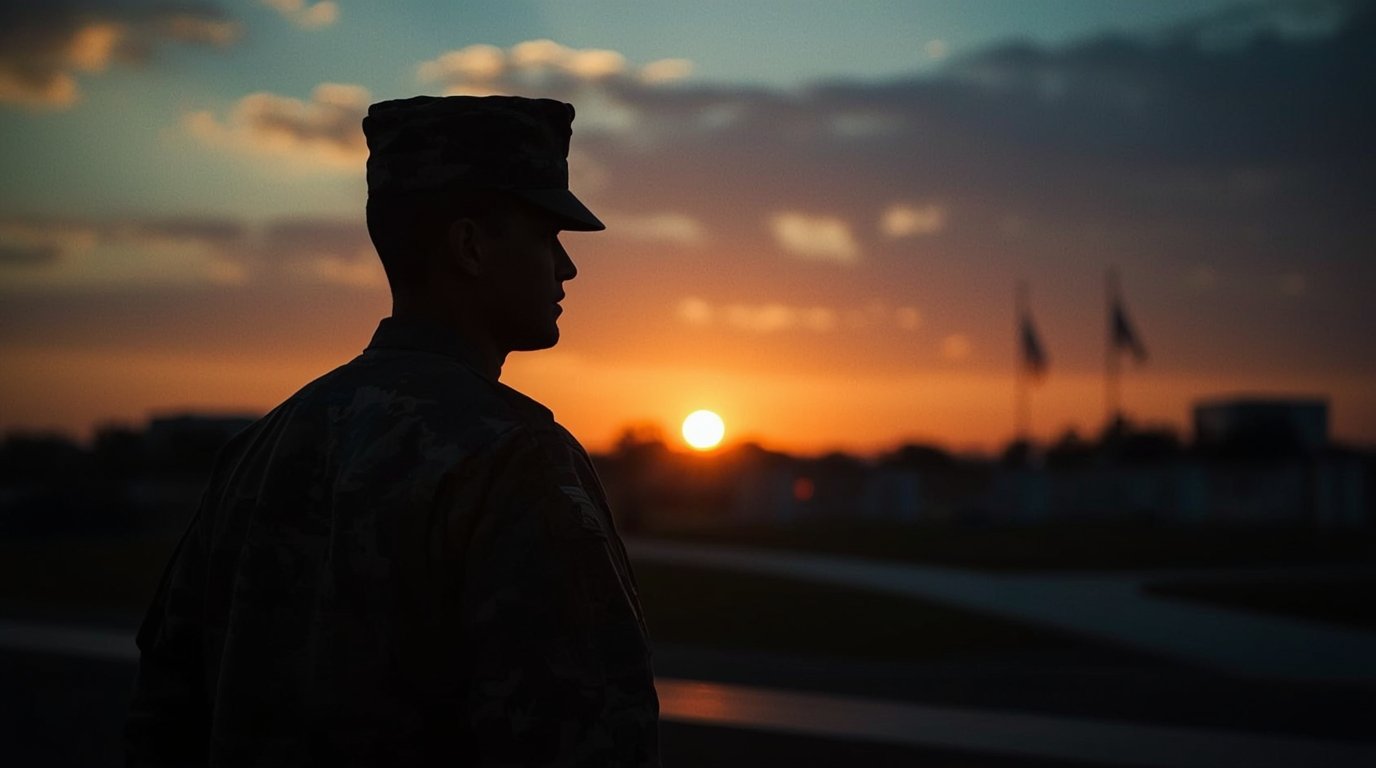
The PTSD Century Hike is a prominent initiative designed to raise awareness for the mental health challenges that veterans face, particularly those coping with post-traumatic stress disorder (PTSD). This event serves as a platform to foster understanding, support, and education surrounding the complexities of veteran mental health issues. Participants of the hike undertake a significant challenge, covering a distance of 100 kilometers over the course of a single day. This strenuous endeavor symbolically reflects the difficult journeys that many veterans experience as they navigate their mental health struggles.

for the $3,000 Special Allowance
The purpose of the PTSD Century Hike transcends merely covering the distance; it seeks to engage communities and encourage dialogue about PTSD and its impact on veterans. By uniting individuals—whether veterans, families, or supporters—this event aims to create a tangible demonstration of solidarity and recognition for those affected by such conditions. Highlighting the importance of mental health awareness not only strengthens community ties but also empowers veterans to seek help and connect with resources available to them.
<pfurthermore, a="" action,="" acts="" aimed="" and="" as="" at="" attention="" be="" beyond="" both="" broader="" can="" challenges,="" collective="" debilitating="" development="" draws="" emotional="" encounter.="" endeavors="" event="" existing="" extends="" for="" health="" hike="" improving="" increased="" initiatives="" inspire="" issues="" it="" just="" mental="" new="" of="" often="" ones.="" p="" personal="" physical="" programs="" ptsd,="" reminder="" scars="" services="" significance="" society="" stigma="" support="" that="" the="" through="" to="" understanding="" urging="" veterans="" veterans.

Ultimately, the PTSD Century Hike stands as a poignant reminder of the need for ongoing conversations around veteran mental health and the importance of community involvement in supporting those who have served.
Understanding PTSD: The Silent Battle
Post-Traumatic Stress Disorder (PTSD) is a serious mental health condition that can develop after an individual experiences a traumatic event. This disorder is particularly prevalent among veterans, as they often encounter life-threatening situations during their service. The symptoms of PTSD can vary widely, but they frequently include flashbacks, nightmares, severe anxiety, and uncontrollable thoughts about the traumatic incident. Many veterans also experience emotional numbness, difficulties in maintaining relationships, and heightened reactions to stress, which can lead to a significant impact on their daily lives.
The unique challenges faced by veterans with PTSD arise not only from their experiences in combat but also from societal factors. Veterans may grapple with feelings of isolation, a lack of understanding from civilians, and stigma associated with mental health issues. These factors can deter veterans from seeking help, exacerbating their symptoms. Moreover, the transition back to civilian life can be daunting, with the absence of the structure and camaraderie often found in military settings contributing to their struggles

The emotional toll exerted by PTSD is profound and often manifests in a variety of ways. Veterans may experience a sense of hopelessness or despair, making it difficult for them to reintegrate into society. Mental health resources are critical; however, awareness and acceptance are equally important. Communities must strive to foster environments where veterans feel safe seeking help without fear of judgment. By increasing awareness of PTSD and its far-reaching effects, we can begin to dismantle the barriers, misconceptions, and stigmas surrounding mental health within our society.
The Symbolism of the Hike: A Journey of Resilience
The 100-mile trek known as the PTSD Century Hike holds profound symbolism, representing both the physical and emotional challenges faced by veterans dealing with post-traumatic stress disorder (PTSD). This journey acts as a powerful metaphor for the struggles that many veterans experience in their daily lives. Each step taken during the hike encapsulates the resilience needed to confront both the visible and invisible scars of war.
As participants navigate varied terrains, from rugged trails to steep inclines, they are not only testing their physical endurance but also channeling their inner strength. This physical aspect of the hike symbolizes the dedication required to overcome obstacles associated with PTSD. Just as hikers must cope with fatigue, weather conditions, and the unpredictability of the trail, veterans often grapple with emotional battles, social isolation, and flashbacks that can disrupt their lives.
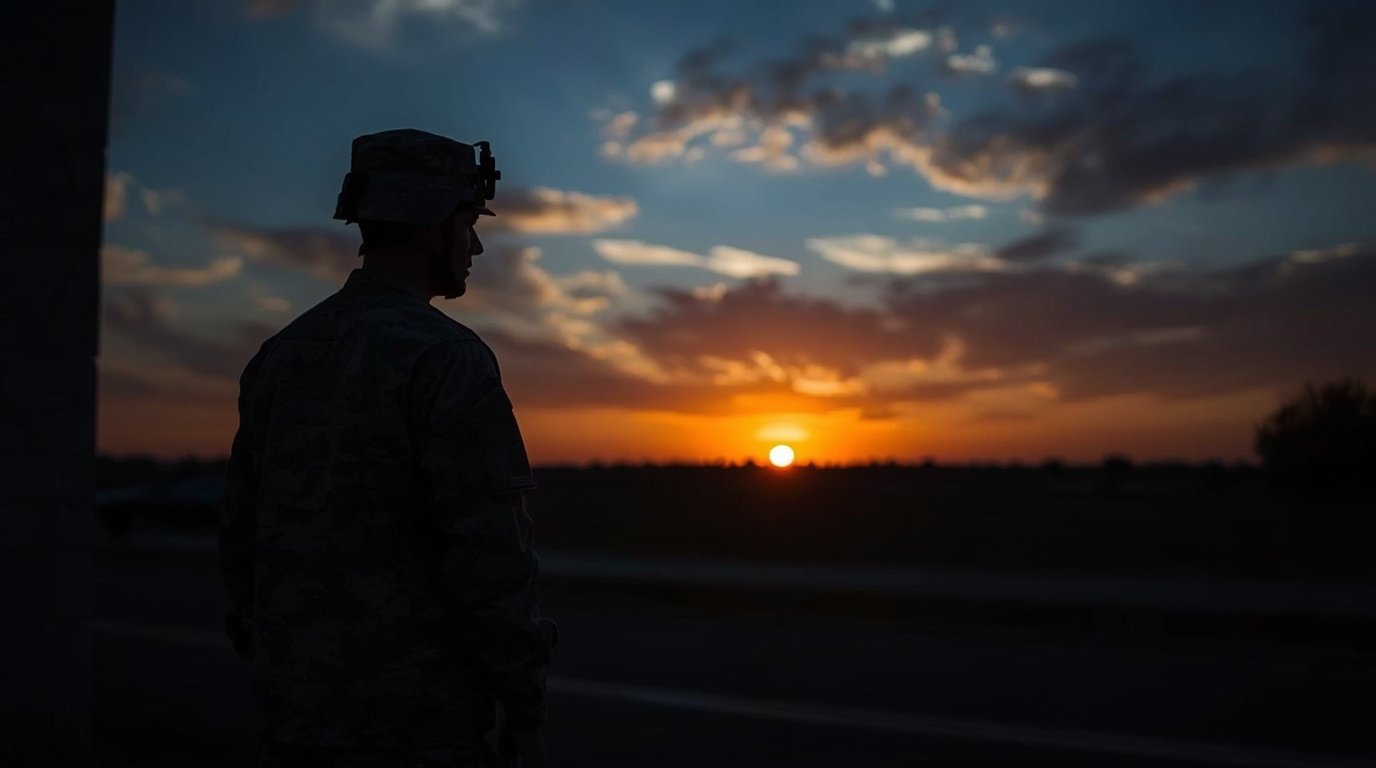
The trek’s completion signifies a pivotal moment of achievement—a powerful testament to the participants’ ability to withstand challenges. By pushing through adversity, both hikers and veterans embody the spirit of resilience. The journey fosters a sense of community among participants, creating an environment where individuals can share their experiences without fear of judgment. This camaraderie is critical in the healing process, emphasizing that recovery is not an isolated endeavor, but rather a collective effort that fosters mutual support and understanding.
Ultimately, the symbolism of the PTSD Century Hike extends beyond its physical demands; it represents hope and healing. By engaging in this challenging trek, participants not only raise awareness for veteran mental health but also demonstrate that resilience is possible. Each step forward on this journey serves as a reminder that healing from trauma is a gradual process that requires strength, perseverance, and the support of a community. Through this hike, the fight against the stigma surrounding PTSD gains traction, inspiring many to confront their own struggles and pursue wellness.
Community Engagement: Bringing People Together
The PTSD Century Hike serves as an invaluable platform for encouraging community involvement and raising awareness about veteran mental health issues. As participants make their way through various trails, community members are invited to join in the spirit of solidarity and support. By cheering on hikers, locals become active participants in an event aimed at destigmatizing mental health challenges faced by veterans. This collective effort highlights the community’s role in advocating for mental health awareness and fostering understanding around PTSD.
Engagement in the PTSD Century Hike is not limited to just those who are physically participating. Community members can contribute by volunteering their time, whether that means helping with event logistics, providing refreshments, or setting up booths that offer information and resources about PTSD. This collaborative approach encourages open dialogue, enabling community members to learn more about the effects of post-traumatic stress disorder on veterans and how they can support those who have served. Such interactions foster an environment where veterans feel seen and appreciated, thus enhancing their healing journey.
Additionally, the hike presents numerous opportunities for conversations around mental health. As individuals from different backgrounds come together, they can share personal stories, insights, and support for one another. These dialogues are imperative, as they create a nurturing atmosphere that encourages veterans to discuss their experiences openly. By breaking the silence surrounding PTSD, the community plays a crucial role in promoting understanding and reducing stigma. The impact of a united community during this event reverberates beyond the hike itself, contributing to ongoing mental health advocacy efforts and ensuring that veterans receive the recognition and support they deserve.
Sharing Stories: Empowering Veterans Through Experience
Participating in the PTSD Century Hike offers veterans a unique opportunity to share their personal narratives in a supportive environment. These stories, whether they encompass struggles or victories, serve an important role in fostering a sense of community among participants. Sharing personal experiences allows veterans to connect with one another on a deeper level, emphasizing that they are not alone in their battles with mental health issues such as post-traumatic stress disorder (PTSD).
Many veterans face stigma and isolation when dealing with the effects of combat trauma and related mental health challenges. At events like the PTSD Century Hike, the act of storytelling becomes a powerful medium for empowerment. When veterans vocalize their journeys, they pave the way for understanding and empathy, not just among their peers but also with the public. This sharing of experiences can lead to greater awareness about the realities of veteran mental health, fostering a dialogue that is essential for breaking down barriers and misconceptions.
Furthermore, the sharing of personal stories can also serve as a source of inspiration. Veterans narrating their paths to healing can offer hope to those who may feel trapped in their struggle. By showcasing resilience and the capacity for recovery, they demonstrate that it is possible to live fulfilling lives despite the challenges posed by PTSD and other mental health conditions. This dialogue encourages others to seek support, be it through professional channels or peer networks, which is crucial for fostering overall well-being.
As participants hike together, these shared narratives transform individual experiences into collective empowerment. The PTSD Century Hike not only becomes a physical challenge but also a crucial platform for mental health advocacy, enabling veterans to reclaim their voices and inspire others along the way.
The Role of Fundraising: Supporting Semper Fi
Fundraising plays a vital role in the success of initiatives aimed at enhancing the mental health services available to veterans, particularly in the context of the PTSD Century Hike. This event serves not only as a challenging trek but also as a powerful platform to raise awareness and financial support for organizations dedicated to addressing the unique mental health challenges faced by veterans. One of the primary beneficiaries of these efforts is Semper Fi, an organization committed to providing crucial assistance to service members and their families.
Financial contributions generated through the hike enable Semper Fi to offer an array of services that are indispensable for veteran mental health. These services include mental health counseling, rehabilitation programs, and various forms of emotional support tailored specifically for veterans diagnosed with PTSD. The funds raised also reinforce community programs that promote camaraderie and healing among veterans, fostering a sense of belonging that is often absent when transitioning back to civilian life.
Furthermore, the hike underscores the importance of collective action in tackling the myriad issues surrounding veteran mental health. Each participant who fundraises is a crucial part of this mission, as their individual efforts contribute to a larger movement aimed at destigmatizing mental health challenges and promoting wellness. Engaging local businesses and communities in fundraising initiatives not only increases the total amount raised but also spreads awareness, encourages dialogue about veteran issues, and unites different sectors in support of a common goal.
Through effective fundraising strategies, the PTSD Century Hike prominently positions itself as a pivotal event in the ongoing effort to enhance veteran mental health resources. By supporting organizations like Semper Fi, participants actively contribute to a mission that ultimately aims to improve the lives of those who have served our country, making a definitive impact on their mental well-being.
Impact on Public Awareness: Changing Perceptions of PTSD
The societal perception of post-traumatic stress disorder (PTSD) has evolved significantly over the years, with events such as the PTSD Century Hike serving as critical catalysts for this change. By promoting visibility and understanding around the mental health challenges faced by veterans, such initiatives play a vital role in reshaping public attitudes towards PTSD. Increased awareness campaigns not only illuminate the suffering experienced by many veterans but also facilitate dialogue that can break the stigma associated with mental health issues.
One of the most significant impacts of public events like the PTSD Century Hike is their ability to humanize the experiences of veterans with PTSD. Participants who share their personal stories foster a sense of empathy among onlookers and the general public. This increased visibility contributes to a broader understanding of the complexities of PTSD, moving the conversation beyond mere statistics and into the realm of personal experiences. Consequently, individuals who might previously have perceived PTSD through a narrow lens are encouraged to gain a deeper appreciation of its impact on veterans’ lives.
Moreover, this heightened awareness contributes to changing perceptions of mental health treatment. Recognizing that PTSD is not merely a personal issue, but a societal one, shifts the responsibility of care from the individual to the community. Initiatives like the PTSD Century Hike highlight the importance of supportive environments for veterans, thus promoting advocacy for better mental health resources and support networks. As public awareness increases, there is a greater push towards effective policy changes, including improved access to mental health services for those impacted by PTSD.
As events continue to bring attention to the challenges faced by veterans with PTSD, it becomes increasingly evident that visibility fosters empathy, understanding, and advocacy. The cumulative effect of these initiatives signifies a significant shift in societal norms and perceptions regarding mental health awareness in the veteran community.
Getting Involved: How You Can Help
As mental health issues continue to affect veterans across the nation, community involvement plays a pivotal role in addressing these challenges. The PTSD Century Hike offers various avenues for individuals who wish to participate actively in supporting veteran mental health. Whether you are looking to take part in hiking events, make a donation, or spread awareness, there are numerous ways to contribute to this vital initiative.
One of the most impactful methods to show your support is by joining a future hike. Engaging in the PTSD Century Hike not only raises awareness but also fosters camaraderie among participants, including veterans themselves. Those interested in participating can check the official PTSD Century Hike website for upcoming dates and locations. It is an opportunity to connect with others who share a commitment to improving the lives of veterans and to learn more about the challenges they face.
In addition to participating in hikes, donations are another essential aspect of supporting these initiatives. Contributions, regardless of size, have a meaningful impact. Donations help fund mental health services, resource creation, and outreach programs dedicated to veterans. Consider reaching out to local veterans’ organizations or charities associated with the hike to understand where your contributions can make the most significant difference.
Lastly, spreading awareness is a crucial step in changing the conversation around veteran mental health. Utilize your social media platforms, community gatherings, or local events to share information about the PTSD Century Hike and its mission. Encourage others to join the movement, volunteer, or donate. By fostering a supportive environment and advocating for mental health resources, you can help make a difference in the lives of countless veterans.
Taking these actionable steps can lead to positive change, and your involvement can inspire others in the community to take similar actions. Every effort counts when we stand together to support our veterans.
Conclusion: The Importance of Continued Support
The issue of mental health among veterans, particularly in relation to Post-Traumatic Stress Disorder (PTSD), has gained significant attention in recent years, yet it remains essential that this focus continues unabated. As we have explored throughout this discussion, PTSD is a profound source of struggle for many veterans, impacting their daily lives and relationships. The importance of raising awareness about the challenges they face cannot be overstated. Initiatives like the PTSD Century Hike serve not merely to raise funds for critical services but to foster a community of understanding and support.
Continued education about PTSD is crucial in dispelling the stigma often attached to mental health issues. Society must engage in open conversations, ensuring that veterans receive the recognition and support they rightfully deserve. Furthermore, as members of the community, it is imperative that we advocate for resources that facilitate coping strategies, treatment options, and rehabilitation programs tailored to veterans’ needs. Community involvement can take numerous forms, from participation in fundraising events to volunteering with organizations dedicated to veteran mental health.
Additionally, it is vital to recognize the ongoing responsibility of policymakers in addressing the mental health crisis faced by veterans. By prioritizing funding for psychological care, increasing access to treatment facilities, and implementing educational programs for both veterans and the general public, we can create a supportive environment that encourages healing and resilience. Such steps are not merely beneficial; they are necessary actions reflecting our commitment to ensuring that those who have served our nation are not left to face their challenges alone.
In conclusion, raising awareness and pursuing collective support for veterans with PTSD is a societal obligation. Together, we can initiate meaningful change that not only honors their sacrifices but also provides the necessary resources for their recovery and well-being.