
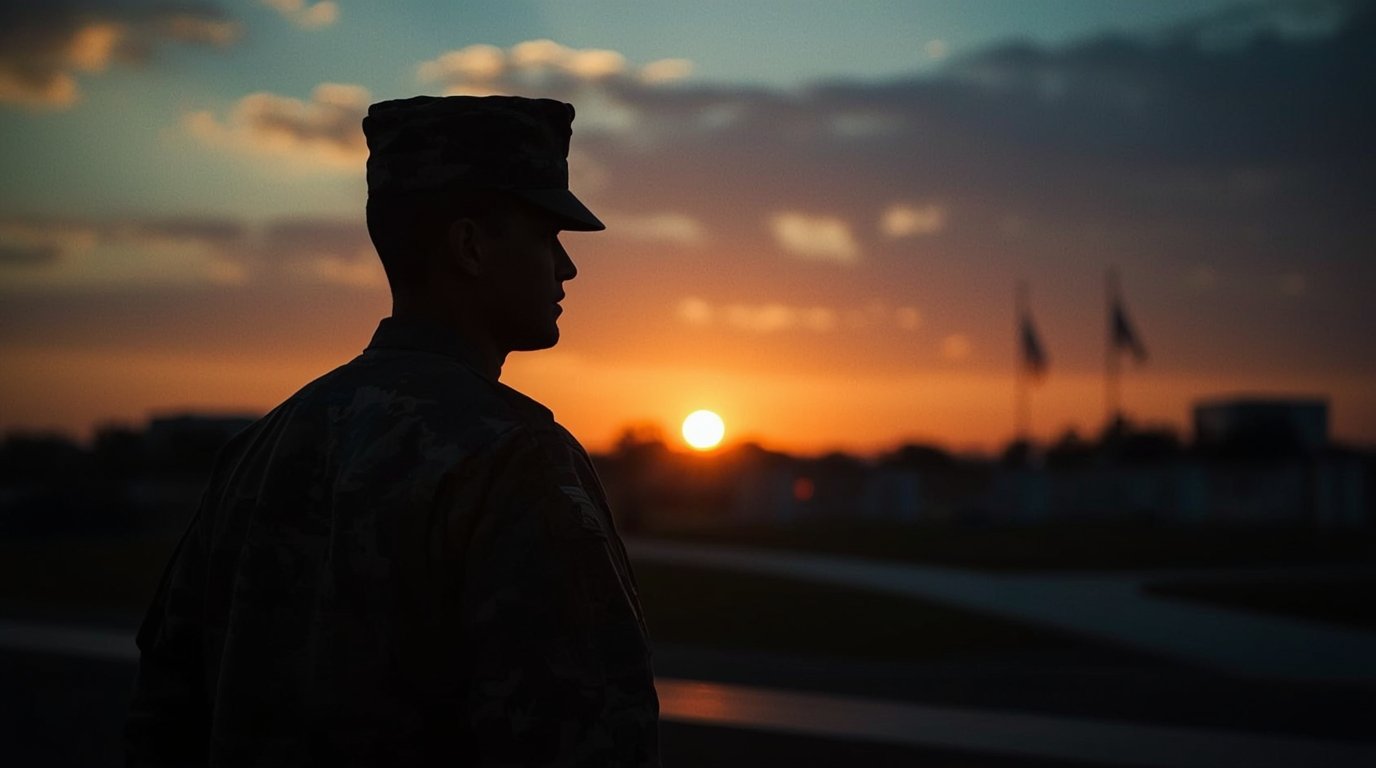
Introduction: The Forgotten Heroes
In contemporary society, the sacrifices made by military veterans are often overshadowed by the challenges they face upon returning to civilian life. Among these challenges, post-traumatic stress disorder (PTSD) stands out as a significant issue that affects countless individuals who have served in the armed forces. As society continues to honor its veterans, it is crucial to also recognize the mental health struggles that accompany military service, particularly the impact of PTSD and the ensuing legal troubles that can arise as a result.

for the $3,000 Special Allowance
The correlations between PTSD and military service are well-established. Many veterans return from combat zones with invisible scars—psychological wounds that manifest in various ways, such as anxiety, depression, and emotional instability. These conditions can complicate their reintegration into civilian life, making it increasingly difficult to navigate everyday situations that may appear trivial to others. As a result, veterans may find themselves entangled in legal issues driven by behaviors influenced by their mental health struggles. Understanding this connection is paramount when delving into individual stories, such as that of Sae Joon Park.
Sae Joon Park’s journey sheds light on the broader narrative surrounding veterans who are grappling with the consequences of their service. His experiences exemplify how PTSD can adversely affect one’s life trajectory, leading to complications in personal and legal matters. This blog post will explore Park’s story in-depth, underscoring the importance of acknowledging the complex realities that many veterans face. By telling these stories, society can cultivate empathy and push for better resources and support systems, ultimately paving the way for healing and justice for forgotten heroes like Sae Joon Park.
Sae Joon Park and Operation Just Cause

Operation Just Cause, conducted in December 1989, was a significant military operation initiated by the United States with the objective of depose Panamanian leader Manuel Noriega. This operation aimed to safeguard American lives and restore democracy in Panama. During this turbulent period, many soldiers were deployed to engage in combat, including Sae Joon Park, who served as a member of the United States Armed Forces.
Sae Joon Park was integrated into a combat unit tasked with securing critical areas within Panama amidst the chaos of conflict. The operation unfolded with considerable intensity, as soldiers faced fierce resistance in urban environments where civilians were present. Park’s role involved both combat operations and humanitarian efforts, underscoring the dual nature of military service during such complex missions. As stressed in military strategy, adaptability and resilience were key qualities required of Park and his peers as they navigated the volatile landscape.
Throughout the course of the operation, Park encountered numerous challenges, including exposure to combat-related situations that would lead to lasting psychological effects. He sustained injuries during the conflict that not only affected him physically but also contributed significantly to the mental health struggles he would face later, particularly post-traumatic stress disorder (PTSD). These experiences in Panama became a cornerstone in understanding the origins of his trauma, as the intensity of combat and the ensuing chaos had profound influences on his psyche.

Such traumatic military experiences can alter an individual’s worldview and coping mechanisms. In Park’s case, the ramifications of his military service during Operation Just Cause would resonate long after his return to civilian life, impacting his relationships, daily functioning, and overall mental well-being. Understanding the details of Sae Joon Park’s military service provides essential context to grasp the complexities of his subsequent legal troubles and mental health challenges.
Understanding PTSD: Symptoms and Effects
Post-Traumatic Stress Disorder (PTSD) is a mental health condition that can arise after an individual experiences or witnesses a traumatic event, often characterized by a range of debilitating symptoms. Among these, nightmares are one of the most distressing; individuals frequently re-experience the trauma during sleep, leading to disrupted rest and subsequent fatigue during waking hours. The constant burden of such distressing dreams significantly impedes daily functioning and quality of life.
Another hallmark symptom of PTSD is hypervigilance. This heightened state of arousal causes a person to remain excessively alert and on guard, often interpreting neutral stimuli as threats. This not only creates psychological strain but also affects interpersonal relationships and social interactions, as the individual may withdraw from situations that seem risky or unfamiliar. Consequently, hypervigilance can lead to isolation, further exacerbating the emotional toll of PTSD.

Auditory sensitivities are also common among those affected by PTSD. Sounds that might seem innocuous to others can trigger intense feelings of anxiety or panic in individuals with this condition. This hyper-responsiveness to auditory stimuli can dictate a person’s behavior, often leading to avoidance of crowded or noisy environments that could provoke distressing memories or feelings. Such responses can limit one’s ability to participate in social activities, thereby diminishing the overall quality of life.
Untreated PTSD can profoundly affect a person’s decision-making capabilities. Difficulty concentrating, coupled with overwhelming emotions, may lead to impulsive or irrational choices. This disruption in thought processes can severely hinder an individual’s professional and personal lives, as they struggle to navigate day-to-day activities effectively. Understanding these symptoms is crucial in appreciating the challenges faced by those like Sae Joon Park, who have experienced the ramifications of PTSD following military service.
The Road to Substance Abuse
The journey of Sae Joon Park into substance abuse serves as a poignant reminder of the challenges faced by individuals coping with post-traumatic stress disorder (PTSD). After experiencing the trauma commonly associated with military service, many veterans find themselves grappling with a range of emotional and psychological issues. For Park, the untreated symptoms of PTSD led him to seek relief from his internal pain through substance use, highlighting a troubling cycle where mental health is often overlooked in favor of immediate, albeit harmful, coping mechanisms.
Individuals affected by PTSD frequently exhibit symptoms such as anxiety, depression, and anger, which can create a fertile ground for seeking refuge in substances. This avoidance behavior is not uncommon; many who suffer from mental health disorders may resort to drugs or alcohol as a means to numb their emotional turmoil. In Park’s case, the failure to address and comprehend the gravity of his mental health condition propelled him towards substances that offered a temporary escape. However, this fragile solace is typically short-lived and often morphs into reliance, leading to a downward spiral.
As substance abuse takes hold, not only does the individual experience deterioration of their mental state, but they may also face significant legal ramifications. Park’s story illustrates this stark reality; as his addiction deepened, his decision-making capabilities became impaired, leading to behaviors that resulted in legal troubles. The trajectory of substance abuse is not merely a personal battle but a challenging societal issue, shedding light on the broader implications of untreated mental health conditions and the urgent need for holistic support systems for individuals like Park, who are navigating the complexities of PTSD and its far-reaching consequences.
Legal Troubles: From Drug Possession to Felony Conviction
Sae Joon Park’s journey took a significant turn when he faced legal troubles stemming from his struggles with substance abuse. Initially charged with drug possession, Park’s case illustrates the severe ramifications that untreated psychological trauma can have on an individual’s life choices. This issue is particularly apparent among veterans, as many grapple with residual effects of military service, including post-traumatic stress disorder (PTSD). In Park’s case, his history of untreated PTSD likely contributed to his reliance on drugs as a coping mechanism, ultimately leading to his legal issues.
The substance abuse charge marked the beginning of a troubling pattern for Park. After failing to comply with court expectations, he was subsequently charged with felony bail jumping. This escalation from a drug possession charge to a felony conviction signifies not only the legal challenges Park faced but also highlights a deeper societal problem regarding mental health support for veterans. The pressure of attending court dates, coupled with the underlying trauma from his service, likely exacerbated Park’s difficulties, resulting in further legal consequences.
For many individuals in similar situations, such as Park, the cycle of untreated mental health issues and substance abuse often leads to a spiral of legal troubles. The ramifications of Park’s actions serve as a stark reminder of the importance of acknowledging and addressing mental health needs, especially for those who have served in the military. The judicial system, institutions, and society at large must be more proactive in offering support and resources to prevent such individuals from falling deeper into the criminal justice system due to their struggles with trauma and addiction.
The Impact of Legal Issues on Veterans
The intersection of legal troubles and mental health challenges among veterans, particularly those dealing with post-traumatic stress disorder (PTSD), creates a complex landscape that often exacerbates existing vulnerabilities. Many veterans returning from service face not only the psychological scars of their experiences but also a host of systemic legal issues that can impede their adjustment to civilian life. Legal complexities surrounding immigration, housing, and disability rights frequently place undue stress on these individuals, compounding their mental health struggles.
One significant concern is the way legal issues can trigger or worsen PTSD symptoms. Veterans grappling with the manifestation of PTSD may find themselves navigating legal proceedings related to their benefits or housing stability. This circumstance can serve as a reminder of their traumatic experiences, leading to increased anxiety, depression, and other related symptoms. Furthermore, veterans who face legal action may also encounter difficulty securing adequate representation due to financial constraints or a lack of understanding of their rights, which can further isolate them.
The legal system, in many cases, fails to accommodate the unique needs of veterans, particularly those with PTSD. For instance, the immigration system may inadvertently target veterans who have encountered legal challenges, further complicating their status and livelihood. Many are at risk of deportation or losing access to critical services because of convictions linked to their mental health struggles. It is vital to recognize that without adequate support mechanisms in place within legal frameworks, veterans with PTSD remain disproportionately affected by systemic failures, which further hinders their reintegration into society.
Addressing the challenges that intersect the legal and mental health terrain for veterans requires a concerted effort from policymakers. Ensuring that veterans receive the resources and support necessary to navigate these complexities can significantly improve their quality of life and facilitate a more effective recovery journey.
The Intersection of Military Service and Immigration Law
The intersection of military service and immigration law presents a complex landscape for veterans, particularly those facing legal challenges such as Sae Joon Park. U.S. immigration law provides certain protections for military members and veterans, acknowledging their service and sacrifices. For instance, service members who hold lawful permanent resident status may have different considerations compared to those lacking such status. It is crucial to understand how military service influences immigration statuses and the legal ramifications that can arise.
Veterans can face a multitude of legal issues, particularly concerning their residency and the potential impact of military service on their immigration status. In some cases, a veteran could find themselves at risk of deportation due to criminal convictions, notwithstanding their honorable service. This is especially poignant for veterans who have been awarded commendations such as the Purple Heart, which recognizes the extreme sacrifices made in the line of duty. These honors symbolize valor and dedication but may not necessarily shield them from immigration consequences, leading to complexities that can complicate their legal standing.
The significance of preserving veterans’ rights is paramount. Immigration law can sometimes seem at odds with the honor bestowed upon military service members, including veterans like Park. The challenge lies in advocating for legal frameworks that consider the unique circumstances of these individuals, as they navigate the interplay of their immigration status and the repercussions of their military service. Legal support and informed advocacy play a vital role in ensuring that veterans are afforded the same considerations as other citizens when facing immigration challenges. This recognition is crucial not only for safeguarding their rights but also for acknowledging their contributions to national security.
Public Reaction and Outrage
The revelations surrounding Sae Joon Park’s deportation order have sparked significant public outcry and media scrutiny, drawing attention to the treatment of veterans, particularly those who suffer from post-traumatic stress disorder (PTSD). Park, a veteran who served in the military, found himself at the center of a controversial deportation case that has raised crucial questions about the rights of veterans within society. The broader implications of his situation reflect a growing concern regarding how armed service members are treated once they return to civilian life, especially those struggling with mental health issues resulting from their service.
In various social media platforms and public forums, advocates and ordinary citizens alike have voiced their anger about the perceived injustice of Park’s deportation. Many argue that individuals who have devoted themselves to serving their country should be granted a sense of security and stability rather than facing the threat of removal from the land they fought for. This sentiment is amplified in discussions surrounding veterans’ mental health, where concerns about the lack of adequate support and understanding for those dealing with PTSD become evident. The portrayal of Park’s ordeal not only highlights his personal battle but also serves as a mirror reflecting the systemic challenges faced by many veterans in similar situations.
The media coverage has been pivotal in shaping public opinion, generating dialogue around issues such as legal rights for military personnel and the efficacy of mental health resources available to them. The general consensus is that there needs to be a more compassionate and comprehensive approach to veterans’ affairs. The public’s response to Park’s case signifies a collective demand for reform and a desire to promote broader awareness about the responsibilities society holds towards those who have served. As discussions continue, it becomes increasingly vital to ensure that the voices of veterans are heard, particularly regarding their mental health challenges and legal protections.
Conclusion: Advocating for Veterans’ Mental Health
The importance of advocating for veterans suffering from Post-Traumatic Stress Disorder (PTSD) cannot be overstated. Sae Joon Park’s story serves as a poignant reminder of the challenges many veterans face after their military service. Insufficient support systems often leave these individuals vulnerable, battling the psychological ramifications of their experiences alone. The mental health care available to veterans frequently falls short, resulting in a desperate need for systemic change.
Veterans deserve comprehensive mental health care that addresses their unique needs. It is crucial for health professionals and lawmakers to collaborate in developing and implementing solutions that ensure timely access to mental health resources. This includes making therapy services more available and affordable, instituting regular mental health screenings, and increasing public awareness about the signs and consequences of PTSD. In addition, having specialized programs tailored for veterans can greatly aid in creating an environment where they feel safe to seek help.
Moreover, the legal system must be reevaluated to ensure that veterans facing legal troubles due to their mental health issues are treated with compassion rather than condemnation. Supportive legal frameworks can provide veterans with the necessary resources to navigate their challenges. Establishing diversion programs and legal advocacy services specifically designed to assist veterans can significantly improve their chances of recovery and reintegration into society.
Ultimately, advocating for veterans’ mental health should transcend individual stories; it requires a collective movement to promote understanding and support. As we engage in this effort, we honor the sacrifices made by those who served and work towards a future where mental health care is adequately prioritized and accessible. Ensuring veterans receive the respect and treatment they deserve must remain a critical societal obligation—their well-being is a reflection of our commitment to those who have put their lives on the line for our freedoms.