Introduction to the Wounded Warrior Project
The Wounded Warrior Project (WWP) was established in 2003 by John Melia, a Marine Corps veteran driven by a personal commitment to support fellow service members. The organization was born out of a profound understanding of the challenges faced by American veterans who sustained injuries during military engagements post-September 11, 2001. The inception of WWP was marked by a dedicated effort to provide essential comfort items to veterans recuperating in hospitals, addressing a critical need for emotional and physical support.

for the $3,000 Special Allowance
Since its founding, WWP has evolved significantly from its initial focus, expanding its scope to include a wide array of programs aimed at aiding veterans in their recovery and reintegration into civilian life. With a mission centered on empowering wounded veterans, the organization emphasizes not only physical rehabilitation but also mental health and social well-being. The multifaceted approach of the Wounded Warrior Project reflects its commitment to understanding the complexities faced by veterans and their families, acknowledging that challenges can extend well beyond the battlefield.
The Wounded Warrior Project operates on the principles of community and camaraderie, facilitating connections between veterans to foster a sense of belonging. Through an extensive range of services, including mental health counseling, career and education support, and opportunities for social engagement, WWP endeavors to create a comprehensive support system tailored to the needs of post-9/11 veterans. This integration of various services underscores the organization’s holistic approach, recognizing that the path to recovery often involves addressing multiple facets of a veteran’s life.
Evolution of Services Offered

The Wounded Warrior Project (WWP) has undergone a significant transformation since its inception, extending its services far beyond the initial provision of comfort items for injured veterans. Founded in 2003, WWP initially focused on providing immediate support through the distribution of essential items to wounded service members. However, as the needs of veterans evolved, so too did the organization’s mission, leading to a more comprehensive array of programs designed to aid physical and mental recovery.
Today, WWP offers various initiatives aimed at supporting veterans and their families throughout their healing processes. One of the key areas of focus is mental health, where WWP provides direct access to professional counseling and peer support services. This aspect of recovery emphasizes the importance of mental well-being and creates a supportive environment where veterans can share their experiences and challenges. Additionally, the organization offers programs specifically tailored to address issues such as post-traumatic stress disorder (PTSD) and depression, which affect a considerable number of veterans.
Recognizing that reintegration into civilian life can be daunting, WWP has also implemented career counseling and job placement services. These programs assist veterans in navigating the complexities of the job market, providing them with the skills necessary to transition successfully into new careers. Workshops and training sessions enhance employability while fostering a sense of purpose and community engagement.
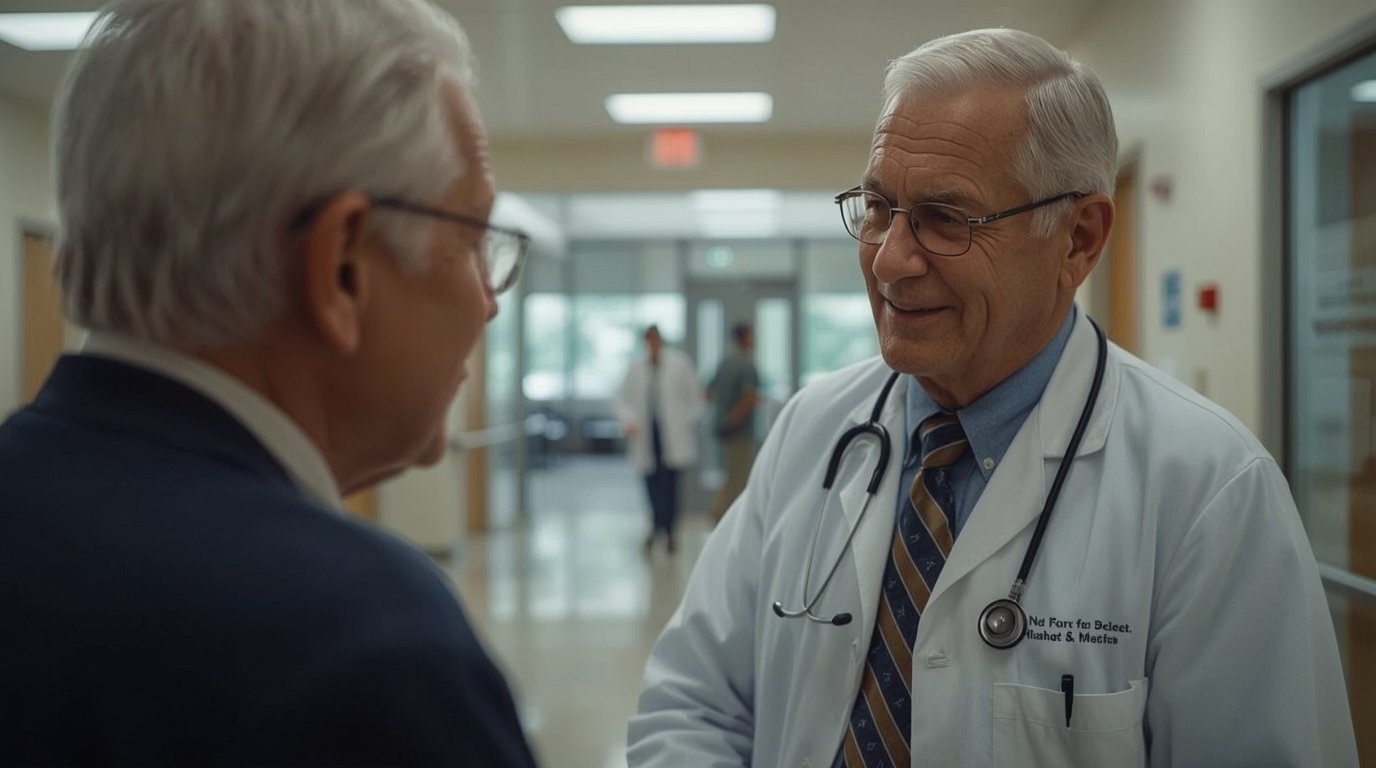
Furthermore, long-term rehabilitative care is a crucial component of the services WWP provides. By offering personalized support and resources, the organization ensures that veterans have access to ongoing medical and emotional care, which is vital for sustained recovery. Overall, the evolution of services offered by WWP demonstrates a commitment to addressing the multifaceted challenges faced by post-9/11 veterans and their families, paving the way for a brighter and healthier future.
Core Programs of Wounded Warrior Project
The Wounded Warrior Project (WWP) is dedicated to providing a range of essential services tailored to the unique challenges encountered by post-9/11 veterans and their families. To achieve its mission, WWP offers several core programs that cater to the physical, emotional, and social needs of these individuals. Among the most impactful initiatives is the Combat Stress Recovery Program, designed to help veterans cope with and recover from the psychological effects of combat. This program employs a variety of approaches, including peer support and stress-relief techniques that have proven effective in fostering mental resilience.
Another crucial offering is the Transitional Care Packs program, which provides veterans with essential items and resources as they reintegrate into civilian life. These packs are thoughtfully curated to address immediate needs, such as hygiene products, educational materials, and information on various services. By supporting the transition process, WWP aims to ease the challenges veterans face during this critical phase of their lives.
In addition to these programs, WWP also organizes Soldier Ride, a unique cycling event that promotes physical wellness and camaraderie among veterans. This program not only encourages physical fitness but also helps participants build meaningful connections with fellow warriors. Similarly, Project Odyssey combines outdoor activities with therapeutic support, allowing veterans to engage in shared experiences that foster healing and personal growth. Through these programs, the Wounded Warrior Project demonstrates a firm commitment to empowering veterans and their families, offering them pathways to recovery and reintegration.
Community Engagement and Peer Support
The Wounded Warrior Project (WWP) places significant emphasis on community engagement as a cornerstone of support for post-9/11 veterans and their families. By fostering connections within the veteran community, WWP recognizes that shared experiences can facilitate healing and resilience. Initiatives such as Soldier Ride and Project Odyssey demonstrate the essential role of peer support in the journeys of veterans recovering from physical and emotional challenges.
Soldier Ride, a rehabilitative cycling event, not only encourages physical activity but also offers a unique opportunity for participants to bond with fellow veterans. This camaraderie is instrumental in nurturing a sense of belonging that many veterans find challenging to achieve after their service. As participants pedal together, they engage in conversations that create a space for sharing stories, triumphs, and struggles. This atmosphere allows attendees to develop relationships founded on mutual understanding, making it easier for them to navigate their post-service lives.
Similarly, Project Odyssey focuses on the emotional aspects of healing through experiential wellness workshops. Designed for veterans and their families, these events aim to enhance coping mechanisms and build resilience. Participants learn vital skills while interacting with peers who share their experiences, cultivating a supportive environment that may reduce feelings of isolation. Such interactions contribute to a broader community of support that extends beyond organized events, encouraging veterans to connect with one another in their daily lives.
Overall, the community engagement initiatives of the Wounded Warrior Project play a pivotal role in reinforcing the importance of peer support among post-9/11 veterans and their families. By participating in these programs, veterans not only enhance their own healing journeys but also contribute to a vibrant network of resilience and fellowship that can assist others facing similar challenges.
Geographical Reach and Partnerships
The Wounded Warrior Project (WWP) has established a formidable presence across the United States, operating more than twenty offices strategically located in various regions. This extensive geographical reach enables the organization to connect with a diverse population of post-9/11 veterans and their families, ensuring that support systems are accessible to those in need, regardless of their location. By placing its resources in multiple states, the WWP is able to deliver tailored services that resonate with the unique challenges faced by veterans in different areas.
In addition to its nationwide offices, the Wounded Warrior Project has developed significant partnerships with major medical centers through the innovative Warrior Care Network. This initiative is designed to enhance the access to critical services for veterans by linking them with healthcare providers that specialize in the specific needs of wounded warriors. By collaborating with reputable medical institutions, the WWP facilitates comprehensive care that focuses on both physical and mental health, addressing the multifaceted issues that many veterans encounter post-service.
The synergy between the WWP and these health care entities provides veterans with advanced treatment options and personalized care plans that promote recovery and well-being. Furthermore, the Warrior Care Network represents a collective effort to integrate various services, which fosters a continuum of care that can significantly expedite the healing process for veterans and their families. This collaboration not only reinforces the mission of the Wounded Warrior Project but also amplifies its positive impact on the veteran community across different regions of the country.
Financial Transparency and Controversies
The Wounded Warrior Project (WWP) has faced scrutiny and challenges regarding its financial practices and management in recent years. Critics have raised concerns about the allocation of funds and the administrative costs associated with running the organization. These allegations have sparked discussions about the effectiveness and efficiency of not-for-profit entities supporting veterans. It is essential to address these controversies while recognizing WWP’s commitment to transparency and accountability in its operations.
Despite the controversies, WWP maintains a significant focus on ensuring that a substantial portion of its revenue directly supports programs and services for veterans and their families. According to recent financial reports, approximately 71% of its revenue is allocated to these initiatives. This figure reflects the organization’s mission to empower post-9/11 veterans, providing them essential resources such as mental health support, housing assistance, and career transition services. By prioritizing funding for these programs, WWP illustrates its dedication to improving the lives of veterans who have sacrificed so much for their country.
Furthermore, WWP has implemented measures to enhance its financial transparency. The organization publishes annual financial statements and undergoes independent audits to ensure compliance with the best practices within the non-profit sector. These efforts aim to build trust with donors and the public, reinforcing the organization’s integrity and commitment to its mission. WWP’s leadership has also taken proactive steps to address concerns about administrative costs, emphasizing that operational expenses are necessary for effective program delivery and growth.
In conclusion, while controversies have emerged regarding the financial practices of WWP, the organization demonstrates its commitment to transparency through its resource allocation, audit processes, and ongoing efforts to enhance operational efficiency. The substantial percentage of revenue directed towards supporting veterans and their families affirms WWP’s dedication to its mission and the well-being of those it serves.
Advocacy Efforts for Wounded Veterans
The Wounded Warrior Project (WWP) plays a pivotal role in advocating for post-9/11 veterans who have sustained physical and psychological injuries during their service. With a comprehensive approach, WWP seeks to empower veterans to reintegrate into civilian life and pursue fulfilling lives beyond their military experience. One of the primary advocacy efforts revolves around providing mental health support tailored to the unique challenges faced by veterans. Mental health is a critical aspect of the recovery process, and WWP offers various resources including counseling services, peer support programs, and wellness events that focus on resilience building.
In addition to mental health initiatives, the organization promotes education and job training programs designed to equip veterans with the skills necessary for career advancement. By collaborating with corporate partners, WWP helps veterans and their families navigate the transition into civilian employment, ensuring they have access to valuable networking opportunities and mentorship. The implementation of job-finding resources not only facilitates individual success, but also contributes to a larger effort to cultivate a veteran-friendly job market.
Moreover, WWP actively engages in advocacy at governmental levels to ensure that veterans receive the benefits they have earned. By raising awareness about the challenges faced by wounded warriors, the organization seeks to influence legislation that impacts veteran care. Through initiatives such as community outreach, policy advocacy, and partnerships with other veteran service organizations, WWP recognizes the multifaceted needs of this demographic and works diligently to address them. This advocacy role is crucial for the ongoing support of veterans, helping them to secure vital services and resources as they navigate their post-military lives.
Success Stories and Impact
The Wounded Warrior Project (WWP) has profoundly influenced the lives of many post-9/11 veterans and their families. Through a variety of programs, these veterans have found pathways to recovery, empowerment, and renewed purpose. An example that stands out is the story of Army veteran Jessica, who struggled with depression and isolation after her service. Through WWP’s mental health programs, she not only received the support she needed but also discovered a community where she felt understood. Participation in group therapy sessions allowed her to connect with fellow veterans who shared similar experiences. Today, Jessica advocates for mental health awareness among veterans, illustrating the profound effects of WWP’s programs on individual lives.
Another powerful testament comes from Marine Corps veteran Mark, who suffered a traumatic brain injury during his deployment. Mark participated in WWP’s physical health and wellness initiatives, which provided him with tailored fitness training and nutritional counseling. This support enabled him to reclaim his physical capabilities, significantly improving his overall well-being. He often shares his journey with other veterans, motivating them to pursue a healthier lifestyle and encouraging them to take advantage of the resources offered by WWP.
Moreover, the positive impact of WWP extends to families of veterans, creating a ripple effect of healing and support. For instance, the Martinez family utilized WWP’s caregiver support program, which equipped them with vital tools to manage the unique challenges they faced. This initiative helped strengthen their family bond, enabling them to navigate the complexities of post-deployment life together. These success stories exemplify the essential role that the Wounded Warrior Project plays in empowering veterans and their families, fostering resilience, and promoting a positive transition into civilian life among service members who have bravely served their country.
How to Get Involved and Support Wounded Warrior Project
Getting involved and supporting the Wounded Warrior Project (WWP) is an impactful way for individuals to contribute to the well-being and rehabilitation of Post-9/11 veterans and their families. The organization offers numerous opportunities for community members to engage, ranging from financial contributions to volunteerism, all of which play a crucial role in sustaining its mission.
One of the most direct ways to support WWP is through donations. These financial gifts help fund essential programs and services aimed at aiding veterans in their recovery from physical and psychological wounds. WWP relies on the generosity of individuals and corporations alike to maintain its operations and expand its reach. Whether it is a one-time contribution or a recurring monthly donation, every dollar aids in providing critical resources and support to veterans in need.
In addition to financial support, volunteering is another excellent avenue for involvement. Wounded Warrior Project frequently hosts events and activities that require community participation. Individuals can volunteer at these events, assisting with logistics, outreach, or recreational activities designed to uplift and empower veterans. Engaging in such opportunities not only helps the organization but also fosters a sense of community and camaraderie among those committed to the cause.
Participating in fundraising events is also a significant way to show support. WWP organizes various activities, such as marathons, challenges, and community gatherings. Joining these events not only raises funds but also increases awareness about the challenges faced by veterans. Spread the word about the Wounded Warrior Project to family and friends to cultivate a broader support network.
In conclusion, supporting the Wounded Warrior Project through donations, volunteer work, and event participation is essential. By actively engaging in these initiatives, individuals contribute to the vital mission of supporting veterans and their families, fostering a more robust community of support and healing.