
Reduction of Disability Claims Backlog
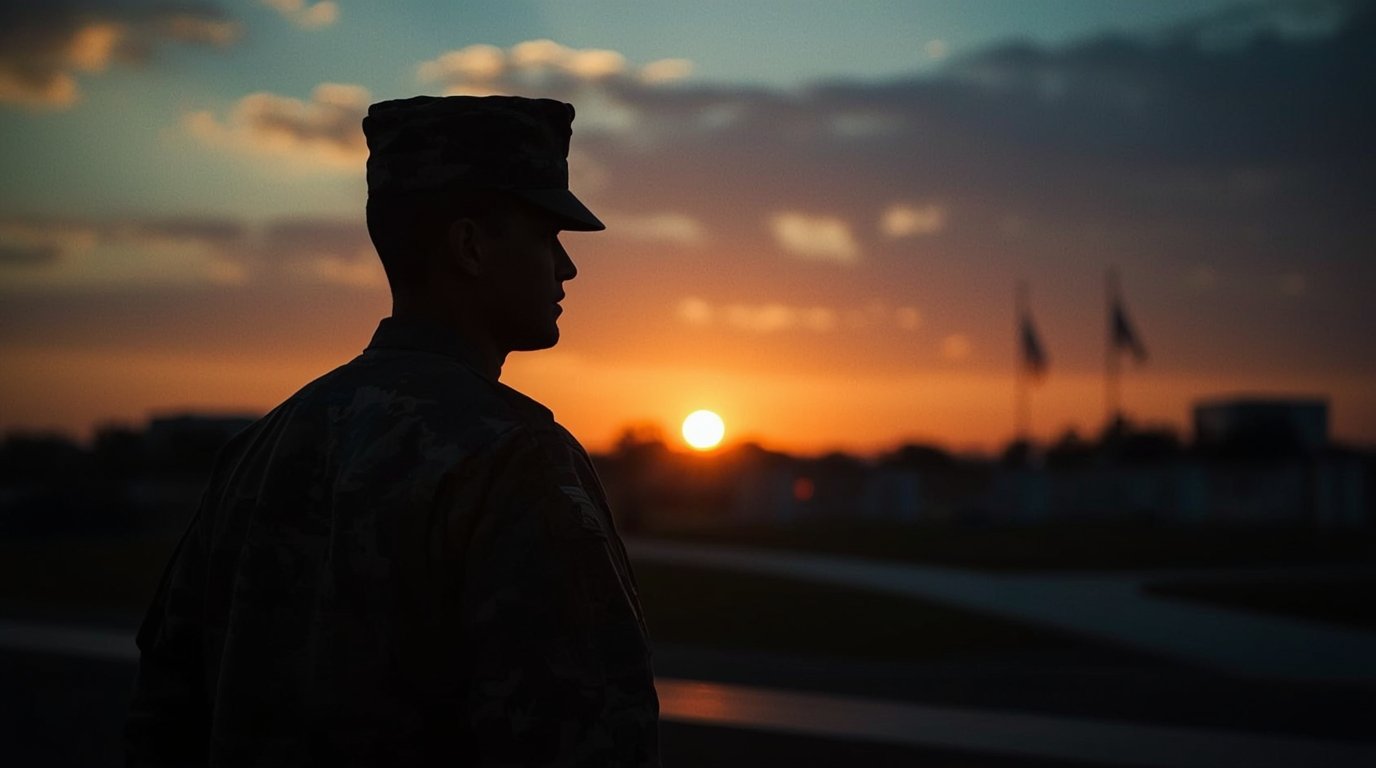
The U.S. Department of Veterans Affairs (VA) has made significant progress in reducing the disability claims backlog, an issue that has historically plagued the agency and affected many veterans seeking benefits. In a recent announcement, VA Secretary Doug Collins reported that the backlog has been decreased by nearly 50% since early 2025. This milestone reflects the department’s commitment to improving the efficiency of its operations and ensuring that veterans receive the benefits they deserve in a timely manner.

for the $3,000 Special Allowance
One of the most notable achievements in this effort is the record processing of over 3 million claims within this timeframe. This accomplishment highlights the VA’s enhanced ability to manage the volume of disability claims more effectively, thereby streamlining the process and reducing wait times. The substantial decrease in backlog is largely attributed to the implementation of advanced technology and improved training for claims processors. By investing in these areas, the VA has been able to expedite the decision-making process and deliver outcomes more swiftly for veterans.
Furthermore, these improvements in the claims process have created a more positive experience for veterans navigating the intricate landscape of disability benefits. Accessible and timely access to benefits is crucial for veterans, many of whom rely on these services to support their health and well-being after service. The VA’s ongoing dedication to refining its processes indicates a proactive stance in addressing areas of concern, enhancing overall satisfaction among veterans.

In conclusion, the reduction of the disability claims backlog is a significant development for the U.S. Department of Veterans Affairs. With nearly a 50% decrease and the processing of over 3 million claims, the VA has demonstrated its resolve to improve the claims experience for veterans, ensuring they receive the essential benefits they deserve. Continued efforts in this direction remain vital to maintaining and enhancing the support system for veterans across the nation.
Expansion of Healthcare Access
The U.S. Department of Veterans Affairs (VA) has reiterated its commitment to enhancing healthcare access for veterans, a crucial aspect in ensuring that those who have served the nation receive timely and effective medical attention. As part of this effort, the VA has announced the opening of 20 new clinics nationwide. Each of these clinics is strategically located to better serve the veteran population and provide essential healthcare services in underserved areas. This expansion is seen as a vital step in addressing the barriers that many veterans face in accessing care, especially for those living in remote locations.
In addition to the establishment of new clinics, the VA has also made a concerted effort to increase after-hours appointment availability. This initiative responds to the needs of veterans who may be unable to attend appointments during traditional hours due to work commitments or personal responsibilities. By extending available hours, the VA is aiming to remove obstacles that prevent veterans from seeking and receiving necessary medical care. This flexible approach acknowledges that healthcare access should be adaptable to the lives of veterans rather than the other way around.
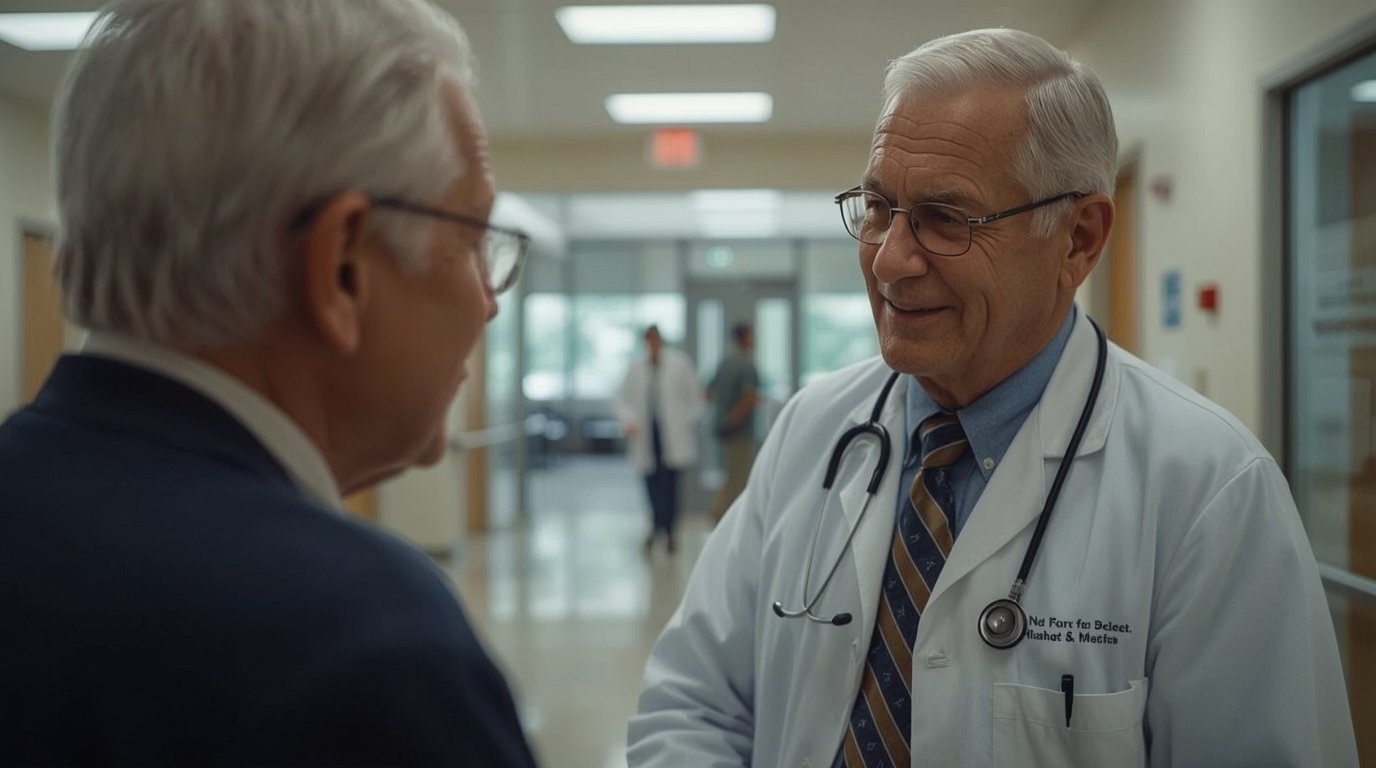
The impact of these changes on veteran well-being is expected to be significant. Improved access to healthcare services can lead to better health outcomes, less strain on veterans dealing with chronic conditions, and a greater sense of support from the healthcare system. By proactively meeting the needs of veterans, the VA is not only enhancing access to healthcare but also promoting an overall improvement in veterans’ quality of life. Ultimately, these steps reflect a commitment to supporting those who have dedicated themselves to serving the country, ensuring that they receive the necessary resources to lead healthy, fulfilling lives.
Infrastructure Investment for VA Facilities
The recent announcement of an $800 million investment by the U.S. Department of Veterans Affairs (VA) marks a significant step towards enhancing the quality of care and living conditions for veterans. This substantial funding allocation is designed to address the longstanding challenges faced by VA facilities across the nation, focusing specifically on infrastructure improvements and housing for veterans. With the aim of modernizing existing structures, the funding will be directed towards repairing and upgrading outdated facilities, thereby ensuring they meet the evolving needs of the veteran population.
Among the key areas of improvement identified for this investment is the enhancement of medical facilities. This includes not only structural upgrades but also the integration of advanced technology to facilitate better healthcare services. Investments in modern medical equipment and telehealth capabilities will further empower veterans to access timely health services, improving overall healthcare delivery within the VA system. Additionally, the funding will also focus on expanding outpatient services, thereby relieving pressure on overburdened inpatient facilities.

Another significant aspect of this investment is the enhancement of veteran housing. The improvements will encompass both the maintenance of existing housing units and the construction of new ones designed to offer safe and supportive living environments. This is particularly crucial for homeless veterans, as the funding aims to increase the availability of affordable housing options, thereby reducing homelessness rates within this demographic. In doing so, the VA is positioning itself to create not just a roof over veterans’ heads but also a community where they can thrive.
Overall, these infrastructure investments are expected to have long-term benefits, contributing to the holistic well-being of veterans and their families. By focusing on improving both healthcare facilities and housing conditions, the VA is making a commitment to better the lives of those who have served the nation.
AI Research Initiatives in Prostate Cancer
The landscape of healthcare is witnessing unprecedented advancements, particularly in the field of artificial intelligence (AI). The U.S. Department of Veterans Affairs is at the forefront of this transformation, focusing on AI research initiatives tailored to prostate cancer, a condition that significantly affects the veteran population. Prostate cancer remains one of the most common malignancies among men, making it crucial for healthcare providers to seek innovative solutions to enhance diagnosis, treatment, and prevention. The VA’s efforts in this arena are both timely and necessary, as they aim to leverage AI technology to improve health outcomes for veterans facing prostate cancer.
One of the primary objectives of these initiatives is to develop AI models capable of identifying patterns in medical data that may not be readily apparent to human clinicians. By utilizing machine learning algorithms, researchers can analyze vast amounts of historical patient data, including imaging studies and treatment responses, to predict which veterans are at an increased risk for developing prostate cancer. Moreover, these AI-driven approaches can assist in personalizing treatment strategies based on individual patient profiles, thereby enhancing the effectiveness of therapies and minimizing adverse effects.
The implications of AI research in prostate cancer management extend beyond mere identification and treatment personalization. These initiatives also hold promise for improving screening processes, offering timely interventions that could lead to earlier diagnoses and ultimately better survival rates. Furthermore, ongoing studies are investigating how AI can monitor patient outcomes in real-time, thus facilitating more informed clinical decisions. As these innovations unfold, the potential for transforming prostate cancer care within the veteran community grows, highlighting the significance of the VA’s commitment to harnessing AI technologies in the pursuit of improved health outcomes.
Update to the VA Mission Statement
The U.S. Department of Veterans Affairs (VA) has recently made an important update to its mission statement, reflecting a renewed commitment to veterans, their families, caregivers, and survivors. The updated mission statement emphasizes not only the department’s dedication to serving those who have served the nation but also recognizes the diverse aspects of their lives, including emotional, physical, and social well-being. By expanding its focus, the VA aims to create a more inclusive environment that acknowledges the varying needs of the veteran community.
This new mission statement includes key elements that underscore the VA’s commitment to providing comprehensive support. For instance, it articulates a clear goal to enhance access to healthcare services, improve mental health support, and facilitate seamless transitions from military to civilian life. By doing so, the VA seeks to reinforce its role as a trustworthy partner in the journey of veterans, ensuring that they receive the necessary resources and care at every stage.
A significant aspect of the updated mission statement is its acknowledgment of the integral role played by families, caregivers, and survivors. This recognition is a crucial step toward strengthening the support network surrounding veterans, as it validates the sacrifices made by those who care for them. Furthermore, the VA’s commitment to fostering collaboration with community organizations and stakeholders reinforces its dedication to building a robust support system for veterans that extends beyond traditional boundaries.
In conclusion, the updated VA mission statement serves as a testament to the department’s ongoing dedication to those who have served the country. By incorporating diverse perspectives and needs into its framework, the VA is poised to enhance its service delivery and foster an environment of trust and support for the entire veteran community.
Funding Boost for Veteran Suicide Prevention Programs
The U.S. Department of Veterans Affairs (VA) has announced a significant funding boost of $20 million dedicated to enhancing suicide prevention programs for veterans. This initiative reflects a growing recognition of the urgent need to address mental health challenges that many veterans face, particularly the alarming rates of suicide within this population. The funding aims to support innovative approaches and evidence-based strategies that effectively reduce these tragic occurrences.
One of the noteworthy aspects of this funding initiative is the Mission Daybreak innovation challenge, which has encouraged a variety of organizations and individuals to propose innovative solutions to combat veteran suicide. The challenge sought creative ideas that could contribute to a viable and effective suicide prevention strategy. Following an extensive review process, the VA announced the winners, who presented transformative approaches focused on technology, community involvement, and mental health resources.
The strategies proposed by the winners of the Mission Daybreak challenge highlight the intersection of mental health care and innovative technology. Such initiatives include the development of applications that provide veterans with immediate access to mental health resources, as well as peer support networks that encourage a sense of community and belonging among veterans. The emphasis on technology-driven solutions could potentially equip many veterans with the tools they need to manage their mental health proactively.
By investing in these initiatives, the VA not only underscores its commitment to veteran mental health but also acknowledges the multifaceted nature of the challenges that veterans face. The funding boost is expected to catalyze ongoing efforts to enhance existing programs and develop new solutions tailored to the unique needs of veterans. Overall, this funding represents a crucial step toward reducing suicide rates and improving the overall well-being of those who have served in the military.
Expansion of Survivors Benefits
The recent efforts by the U.S. Department of Veterans Affairs (VA) to expand survivors benefits mark a significant step towards achieving equity across all demographics. One particularly vital focus of these initiatives is the inclusion of LGBTQ veteran survivors, who historically faced systemic challenges in accessing the benefits they deserve. As the VA moves to rectify these disparities, the importance of ensuring fair treatment for all families, regardless of sexual orientation, cannot be understated.
Historically, LGBTQ veterans have encountered a plethora of obstacles that hinder their ability to claim appropriate survivor benefits. Discriminatory policies and practices have often marginalized these individuals, leaving their families vulnerable in times of loss. Recognizing these challenges, the VA is actively developing and implementing measures aimed at dismantling these barriers and fostering an inclusive environment for all veterans and their survivors.
One key initiative involves revising eligibility criteria to ensure that survivors of LGBTQ veterans are given equal consideration alongside their heterosexual counterparts. The aim is to provide comprehensive support to families, thereby acknowledging the diverse structures that exist within veteran communities. The expansion of survivors benefits will also encompass improved outreach efforts, enabling the VA to more effectively communicate with and reach LGBTQ veterans and their families who may be unaware of their rights and available resources.
In addition, the VA is enhancing training programs for personnel to cultivate a deeper understanding of the unique experiences faced by LGBTQ veteran survivors. This educational push is integral in ensuring that staff are equipped to provide compassionate and knowledgeable assistance tailored to the needs of diverse families. By prioritizing these efforts, the VA is signaling its commitment to equity, and striving to create a more inclusive system that supports all veteran families in navigating the benefits they are entitled to.
Addressing Toxic Exposure Effects on Veterans
The U.S. Department of Veterans Affairs (VA) has made significant strides in addressing the detrimental health effects experienced by veterans due to toxic exposures during their military service. Toxic exposure, which may result from environmental pollutants, chemicals, or other hazardous materials encountered during service, can lead to various chronic health conditions. To aid in the well-being of these veterans, the VA has recognized the necessity to expand presumptive conditions for disability claims associated with such exposures.
One of the prominent efforts in this context is the expansion of the list of presumptive conditions that automatically qualify veterans for benefits without requiring them to provide direct evidence linking their illness to service. This expansion is crucial, as many veterans may find it challenging to establish such connections due to the complex nature of toxicity-related health issues. By recognizing additional diseases as presumptive conditions, the VA is aiming to simplify the claim process and ensure that those affected receive the support they need.
The changes are informed by ongoing research that highlights the associations between certain deployments, environmental hazards, and subsequent health outcomes. For instance, veterans who served in areas with known toxic exposure, such as contaminated water sources or burn pits, are increasingly being acknowledged in VA policies. Such recognition is essential not only for the health of the veterans but also for fostering trust in the support systems designed to assist them throughout their post-service lives.
Moreover, the VA continues to engage in outreach programs and educational initiatives to raise awareness about the impacts of toxic exposure. These efforts include providing veterans with information on how to access their benefits and encouraging them to apply for appropriate disability claims. In conclusion, the ongoing efforts by the VA to address toxic exposure effects reflect a commitment to ensuring that veterans who have risked their health during service receive the necessary support for their recovery and well-being.
Eased Restrictions at National Cemeteries
The National Cemetery Administration has recently announced the easing of restrictions related to service attendance and COVID-19 protocols, reflecting a significant shift in policy aimed at supporting veterans and their families. These adjustments are particularly important as the nation approaches significant observance events, which often provide meaningful opportunities for remembrance and honoring the sacrifices made by service members.
With the ongoing evolution of public health guidelines, these eased restrictions are intended to facilitate a more inclusive environment for individuals wishing to pay their respects. The National Cemetery Administration recognizes how integral it is for families to gather and participate in commemorative services, allowing them to connect with each other and reflect on the lives of their loved ones. By reducing limitations on attendance numbers, the administration seeks to enhance the overall experience for all participants involved in memorial services.
In addition to loosening attendance caps, modifications in COVID-19 protocols have been introduced, which include the recommendation of mask-wearing in crowded outdoor settings and maintaining social distancing when possible. These measures aim to ensure the safety and well-being of attendees while allowing them to fully engage in the memorialization process. The sense of community that is fostered during these events is invaluable, offering support and comfort to families navigating their grief amid heightened circumstances.
The National Cemetery Administration’s proactive approach to easing restrictions illustrates a commitment to honoring veterans and providing families with dignified avenues for remembrance. By facilitating attendance at national cemeteries, the administration emphasizes the importance of honoring those who served, thus allowing families to commemorate their legacies with the respect they merit. This is especially crucial as significant observance events serve as poignant reminders of the sacrifices of those who have defended the nation.
Celebrations and Community Recognition for Veterans
Veterans Day serves as a poignant reminder of the sacrifices made by military service members throughout history. Across the nation, various celebrations and community initiatives take place in honor of these individuals, highlighting the importance of gratitude and remembrance. Many organizations, including local businesses and community groups, step forward to offer discounts and special programs aimed at honoring veterans. These initiatives often provide not only financial relief but also a sense of recognition and appreciation for the hard work and dedication displayed by those who have served.
In numerous communities, cities and towns host events such as parades, ceremonies, and memorial services specifically designed to honor veterans. These gatherings bring together veterans, their families, and the community as a whole, creating a shared space for reflection and acknowledgment. Local schools may also participate by organizing programs that educate younger generations about the contributions of veterans, fostering an enduring culture of respect and recognition. These celebrations are crucial for promoting awareness and appreciation of veterans’ sacrifices.
Many businesses also do their part by offering discounts or complimentary services to veterans on this significant day. Restaurants often prepare special menus that honor the military, while retailers might extend exclusive offers. Such acknowledgments not only validate veterans’ contributions but also encourage community members to show their support and gratitude. Organizations like the American Legion and VFW (Veterans of Foreign Wars) play a pivotal role in coordinating these events, ensuring that veterans feel valued and recognized for their service.
Ultimately, the wide array of celebrations and community recognition initiatives not only reinforces the vital contributions of veterans but also strengthens the bond between them and the society they have defended. By coming together to honor their sacrifices, communities across the nation ensure that the legacy of veterans remains alive and treasured.