Introduction
The transition from military service to civilian life can be particularly challenging, especially for veterans seeking employment in new fields. One area where military skills are especially relevant is in the healthcare sector, particularly within the Veterans Affairs (VA) healthcare system. Veterans bring a unique set of abilities cultivated through their military experiences, which can be effectively translated into roles that focus on patient care and operational efficiency.

for the $3,000 Special Allowance
Key skills acquired during military service, such as leadership, teamwork, and resilience, are foundational in healthcare environments. Veterans are accustomed to working under pressure, often making critical decisions in high-stress situations, a valuable trait in healthcare settings where rapid assessments and responses are crucial. Furthermore, the discipline and rigor instilled during military training often translate well into adherence to healthcare protocols, enhancing patient safety and care quality.
Additionally, veterans frequently possess extensive experience with advanced technology and medical systems due to their military training. This technical expertise can be instrumental in navigating the increasingly complex healthcare landscape, including electronic health records and telemedicine systems. Their ability to adapt to new technologies makes veterans strong candidates for various roles within the VA healthcare system, from administrative positions to direct patient care.

It is essential for hiring managers and healthcare institutions to recognize the immense potential veterans bring to civilian roles. By prioritizing the skills that veterans possess, the VA healthcare system can not only fill critical positions but also improve workforce dynamics and enhance the level of care provided to veterans and other patients. This alignment of military training with healthcare roles highlights the importance of integrating diverse backgrounds to strengthen the VA’s mission to serve those who have served.
Ability to Work Under Pressure
Military training instills in service members an unparalleled capability to operate under pressure, which translates seamlessly to roles within the VA healthcare system. Veterans are accustomed to environments where rapid decision-making and precise actions can mean the difference between life and death. This invaluable skill set is particularly relevant in healthcare settings, where practitioners must frequently navigate high-stakes situations, such as emergency responses or critical care scenarios.
In the military, personnel are often required to make quick yet informed choices when encountering unexpected challenges. For instance, during a deployment, a medic may need to triage multiple casualties amid chaos and confusion, often under the threat of enemy activity. This experience fosters an acute sense of prioritization—vital in any healthcare role, especially in emergency rooms where the ability to assess patient needs swiftly and efficiently can save lives.
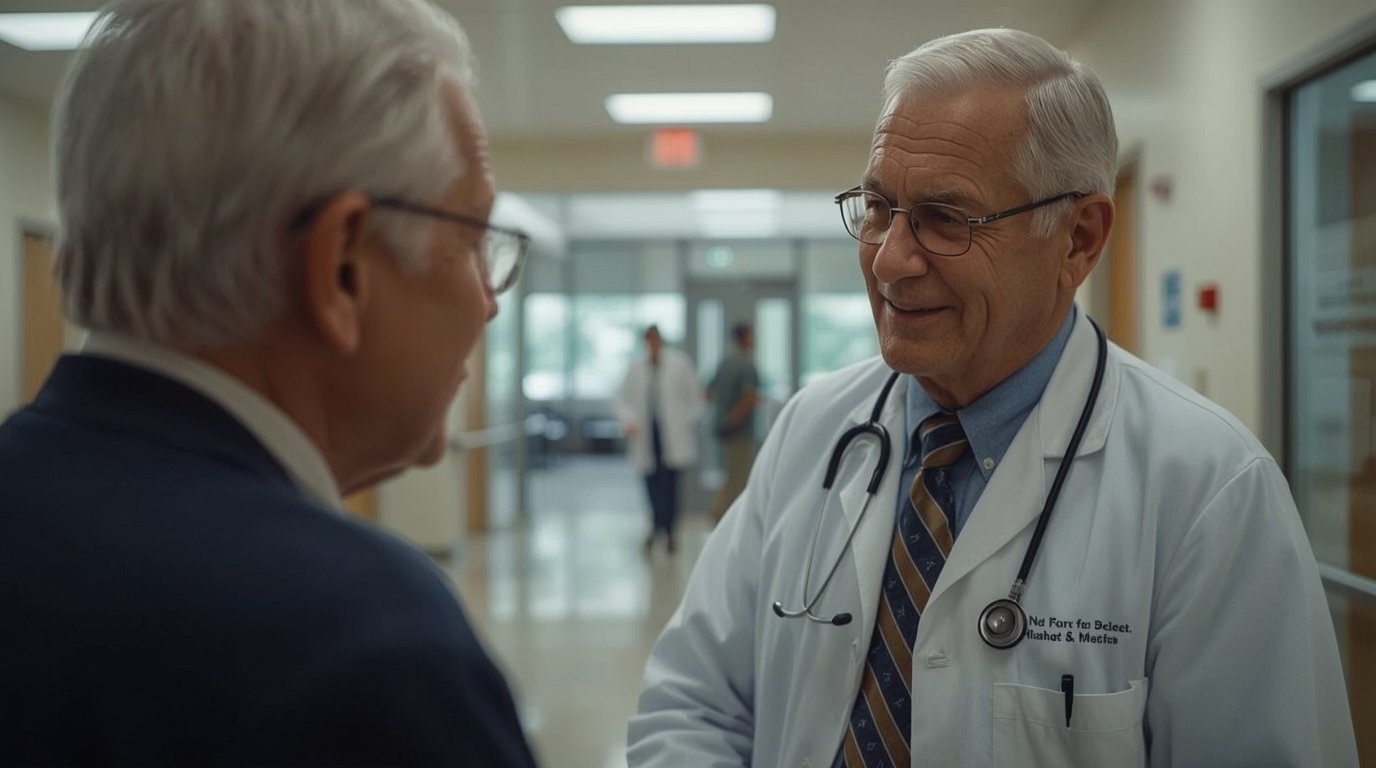
The ability to stay calm under pressure can also be illustrated through examples of hospital settings. A veteran transitioning to a nursing or paramedic role may face situations where they must manage multiple patients simultaneously, each with varying levels of urgency. Drawing on their military experience, these individuals approach such challenges with a level of composure that is crucial to maintaining effective patient care. They are trained to focus on the task at hand, utilizing their situational awareness to navigate the complexities of the healthcare environment.
This resilience and ability to perform well under stress not only benefit the veterans themselves but also enhance the care they provide, demonstrating that the attributes honed through military service can be directly advantageous in the healthcare arena. As such, veterans can play a pivotal role in fostering a professional atmosphere that emphasizes efficiency and effectiveness in patient care during the most trying circumstances.
Experience with Real-Life Medical Situations
Veterans often bring a wealth of practical medical experience acquired during their military service, which seamlessly translates to roles within the Veterans Affairs (VA) healthcare system. Many soldiers, sailors, airmen, and marines have served as medics, corpsmen, or nurses, gaining first-hand exposure to real-life medical situations, high-pressure environments, and acute care processes that are critical in healthcare settings.

For example, military medics are trained extensively in emergency medical care, trauma response, and patient stabilization under extreme conditions. Their experience includes triaging patients, administering life-saving interventions, and managing battlefield injuries, skills that are invaluable when working in the VA healthcare system. These roles require not only medical knowledge but also the ability to perform under stress, making veterans apt candidates for positions that demand decisiveness and composure.
Furthermore, veterans’ encounters with multidisciplinary teams in service enhance their collaborative skills, essential within the VA. In military settings, healthcare providers often work alongside other healthcare specialists, fostering a deep understanding of team dynamics and communication strategies that are vital in any medical facility. This experience is particularly relevant as VA facilities emphasize holistic and team-based approaches to patient care.
Additionally, the anecdotes of veterans transitioning into VA healthcare illustrate the seamless integration of their military medical training into civilian roles. For instance, a veteran who served as a combat medic recounted how the skills he honed in assessing injuries and administering first aid made him an asset on a VA hospital floor, particularly in fast-paced situations involving rehabilitation and outpatient care.
Overall, the practical medical experience veterans acquire through their service not only positions them uniquely for roles in VA healthcare but also enhances the level of care provided to fellow veterans seeking services.
Strong Leadership and Teamwork Skills
The transition from military service to the field of healthcare presents a unique opportunity for veterans, who inherently possess strong leadership and teamwork skills cultivated during their time in the armed forces. In a military context, service members learn to communicate effectively, collaborate with peers, and lead others under high-stress conditions. These competencies are invaluable in healthcare settings, where efficient collaboration is essential for optimal patient care.
Veterans understand the importance of clear communication and active listening, skills that are paramount in healthcare environments. The ability to convey complex information succinctly and to listen to the concerns of patients and team members alike ensures that healthcare teams work cohesively. Moreover, military training emphasizes the need for adaptability and resilience, qualities that are critical when addressing the unpredictable nature of healthcare delivery.
Effective teamwork is crucial in healthcare, where exemplary patient outcomes often hinge on interdisciplinary collaboration. Veterans bring a unique perspective to this environment, as they have been conditioned to appreciate the value of diverse skill sets coming together for a common mission. For instance, in hospitals or clinics led by veterans, success stories often emerge where teams function smoothly, improving workflow and enhancing patient satisfaction. A notable example includes a VA hospital where veteran leaders implemented structured team-building exercises, resulting in enhanced communication and a marked decrease in medical errors.
The ability of veterans to inspire and unify their teams within the healthcare domain further demonstrates their leadership potential. Drawing from their military experiences, they consistently implement strategic decision-making processes while fostering a supportive atmosphere that encourages continuous improvement and accountability. These leadership qualities not only situate veterans as assets to healthcare organizations but also help bridge the gap between military and civilian cultures, promoting a collaborative spirit that is essential for effective patient care.
Understanding Military Culture
Veterans possess a unique understanding of military culture, which significantly enhances their ability to provide effective patient care within the VA healthcare system. This insight stems not only from their personal experiences but also from a shared sense of camaraderie and empathy that exists among service members. For veterans who transition into healthcare roles, this cultural familiarity allows them to connect with fellow veterans on a deeper level, facilitating a more compassionate approach to care.
One of the pivotal aspects of military culture is the recognition of trauma and its impact on mental health. Veterans have firsthand experience of the psychological effects of combat and military service, which can manifest in conditions such as PTSD and depression. This personal insight enables them to recognize and address the symptoms in their patients more effectively than those unfamiliar with military experiences. Veterans working in healthcare can relate to their peers’ struggles, contributing to a more nuanced and empathetic understanding of their needs.
Moreover, the military’s focus on teamwork and discipline is mirrored in the collaborative nature of healthcare. Veterans understand the importance of working cohesively with fellow healthcare professionals to ensure optimal patient outcomes. Their military training has instilled a sense of responsibility, often leading to a heightened commitment to patient care and advocacy. This dedication can manifest in various ways, such as being proactive about discussing difficult topics, offering support to patients navigating the complexities of VA systems, or simply being a willing listener who provides emotional support.
In conclusion, the intersection of military culture and healthcare enriches the VA healthcare environment, fostering an atmosphere where veterans can relate to and support one another. This connection not only enhances the quality of care but also nurtures a healing community for those who have served. By leveraging their unique experiences, veterans in healthcare roles play a crucial part in promoting comprehensive and personalized care for their fellow veterans.
Time Management and Discipline
Time management and discipline are two pillars of military training that play a critical role in the fast-paced environment of healthcare. In the military, service members are trained to execute tasks efficiently under pressure, fostering a sense of urgency while ensuring attention to detail. This training translates seamlessly into the healthcare sector, where professionals are often faced with multiple priorities that demand quick decision-making and strategic planning. Veterans bring these invaluable skills into their roles within VA healthcare settings, making them uniquely equipped to handle the demands of patient care.
For instance, a veteran who served as a medic may have coordinated emergency medical responses in high-stress situations, requiring precise time management to stabilize patients quickly. Upon transitioning to a hospital setting, this same veteran can adeptly prioritize patient care tasks, ensuring that they meet critical deadlines while providing thorough and compassionate treatment. The ability to balance various responsibilities, such as managing patient records, attending to immediate care needs, and collaborating with a multidisciplinary team, showcases how military discipline can enhance operational efficiency.
Moreover, the repetitive nature of military drills instills a habit of punctuality and a rigorous approach to timelines. Veterans often apply this discipline to maintain schedules and appointments, ensuring that no aspect of patient care is overlooked. Their military background empowers them to adhere to protocols and procedures, which are vital in a healthcare context where adherence to guidelines can affect patient outcomes critically. By leveraging these competencies acquired during their service, veterans not only excel in their roles but also contribute to a culture of accountability and excellence in VA healthcare settings.
Credentialing and Training Paths
The transition from military to civilian healthcare roles requires veterans to navigate a variety of credentialing processes. This journey often hinges on converting military medical training into civilian certifications, enabling veterans to leverage their specialized knowledge and skills effectively. The first step in this process involves understanding the discrepancies between military training standards and those recognized in civilian healthcare. While military training often encompasses a broad scope of medical competencies, the lack of standardization in civilian certifications can pose challenges for veterans seeking equivalency.
Veterans should begin by researching the specific healthcare roles they aspire to fill. Different states and organizations may have varying requirements for licensure and certification. For instance, roles such as paramedics, registered nurses, or medical assistants may require distinct certifications. Many veterans may find that their military experience aligns closely with the knowledge and skills required for these roles. However, they must still undertake additional training or certification exams to meet civilian standards fully.
Fortunately, several programs and organizations have been established to assist veterans in navigating this process. The Department of Veterans Affairs (VA) and other entities provide resources and support to ensure a seamless transition. Programs such as the Military to Civilian Credentialing Program offer guidance on how to translate military training into recognized civilian credentials. Additionally, vocational training programs are available that specifically cater to veterans, offering tailored instruction to bridge the knowledge gap. It’s essential for veterans to take proactive steps in researching available opportunities and completing requisite training to successfully enter the healthcare workforce.
Support Systems for Transitioning Veterans
Transitioning from military service to civilian life can be a challenging process for many veterans, particularly when pursuing a career in healthcare. Recognizing the unique skills and experiences of veterans, a variety of support systems have been established to assist them in this transition. The U.S. Department of Veterans Affairs (VA) offers various programs specifically designed to help veterans navigate the complexities of launching a healthcare career. These resources not only aid in identifying suitable roles but also facilitate the credentialing process, ensuring that veterans can effectively translate their military skills into the healthcare setting.
One of the primary programs available is the VA’s “Veteran Employment Through Technology Education Courses” (VET TEC), which seeks to upskill veterans in high-demand fields, including healthcare technology. This initiative provides scholarships for veterans to pursue training in technical and educational courses that correspond to civilian job markets. Additionally, the “Transition Assistance Program” (TAP) is a comprehensive program aimed at helping service members prepare for post-military employment. TAP includes workshops that cover resume writing, job interviews, and networking strategies tailored specifically for veterans, helping them to present their military experience to potential employers effectively.
Moreover, numerous state agencies also play a significant role in supporting veterans as they adapt to civilian roles. State programs often provide mentorship opportunities, offering veterans access to healthcare professionals who can guide them through the intricacies of the healthcare system. The collaboration between the VA and state agencies enhances veterans’ understanding of credentialing requirements and job expectations, making it easier for them to secure positions that match their skills and experiences.
In conclusion, the array of support systems available significantly eases the transition for veterans entering healthcare careers. By leveraging these resources, veterans can more confidently navigate the job market and find fulfilling roles that utilize their military training and perspectives.
Conclusion
As we reflect on the intricate relationship between military experience and career opportunities within the VA healthcare system, it is evident that veterans possess unique skills that are invaluable in this context. The transition from military service to civilian employment can be daunting; however, the competencies acquired during service—such as leadership, adaptability, and resilience—translate exceptionally well into the healthcare field. Veterans are not only accustomed to high-pressure environments but also bring a profound understanding of teamwork and mission-driven work, traits that are essential in the delivery of quality healthcare.
Moreover, the proactive nature of veterans often results in innovative problem-solving abilities that can enhance patient care and operational efficiency. Their familiarity with the complexities of military and veteran health issues provides a critical perspective that healthcare employers can leverage to improve services for veterans seeking care. By recognizing the benefits that veterans inherently bring to healthcare roles, employers can foster a more diverse and effective workforce.
It is crucial for both veterans contemplating a career within the VA and healthcare organizations to acknowledge and appreciate these distinctive skill sets. The integration of veterans into VA healthcare roles not only supports their successful transition but also enriches the quality of care provided to fellow veterans and other patients. Therefore, both parties should pursue initiatives that advocate for the recruitment and retention of veterans in healthcare settings. In conclusion, understanding and emphasizing the advantages that veterans contribute to the VA healthcare system can lead to a more responsive, compassionate, and effective approach to veteran care.