
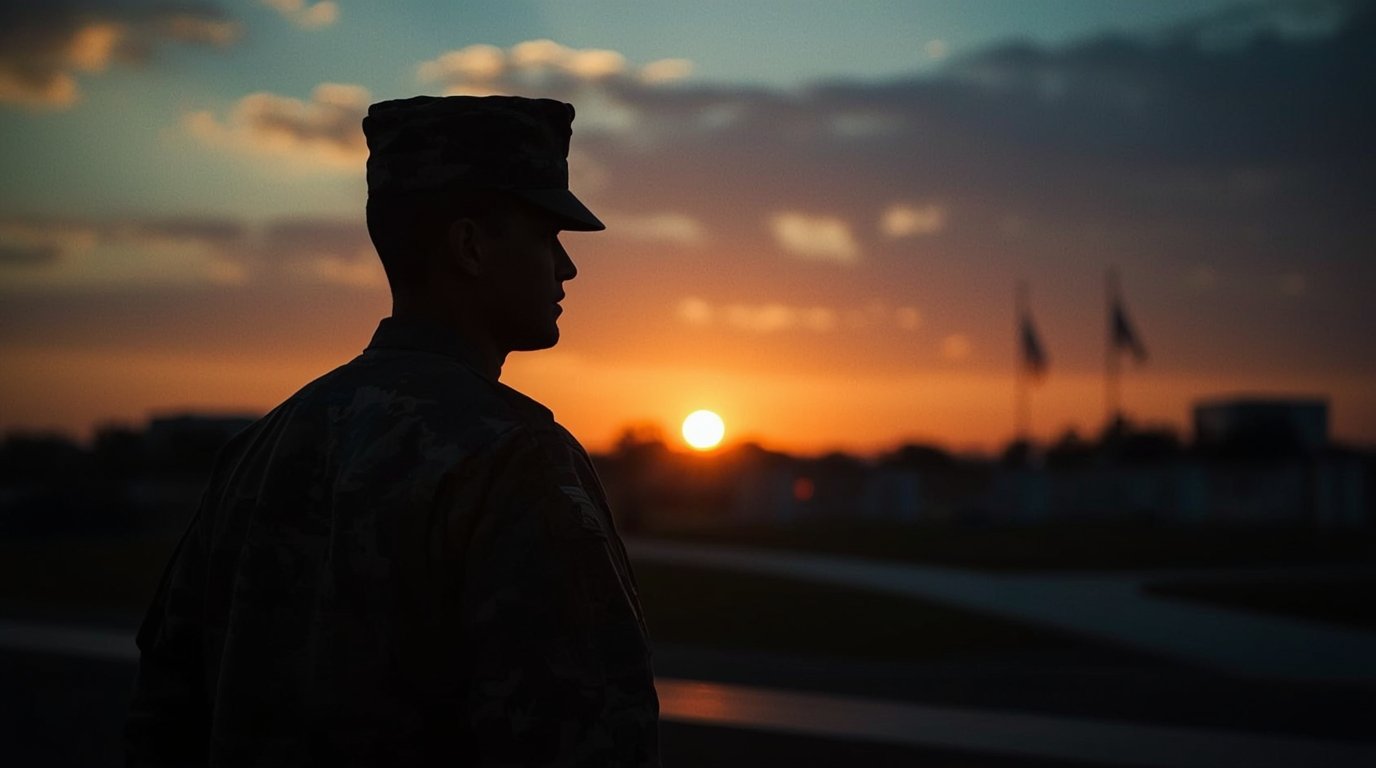
Introduction to Minnesota National Guard Deployment
The Minnesota National Guard plays a vital role in both state and federal missions, responding to various emergencies and conflicts that may arise. Deployment refers to the process of mobilizing National Guard units and their personnel for service, which can occur domestically or internationally. This action often involves soldiers preparing for unforeseen situations, whether they are natural disasters, civil unrest, or overseas conflicts in support of national objectives.

for the $3,000 Special Allowance
In the context of Minnesota, the National Guard is primarily tasked with supporting state emergency operations, ensuring community safety, and providing assistance during crises. For instance, during severe weather events such as floods or blizzards, units may be deployed to assist in recovery efforts, exemplifying the Guard’s commitment to their local communities. Additionally, the Minnesota National Guard frequently participates in federal missions, contributing to global peacekeeping efforts and national defense strategies. This dual state-federal mission highlights the unique nature of the National Guard, as these soldiers often balance civilian life with their military obligations.
Deployment can have profound implications for the soldiers involved and their families. The anticipation and subsequent separation can lead to various challenges, including emotional stress and logistical complexities. It is crucial for soldiers and their families to understand the resources available to them throughout the deployment process. Support systems, such as counseling services and family readiness groups, are essential in helping families navigate this difficult period.

Ultimately, understanding the purpose and context of Minnesota National Guard deployment is essential for grasping the broader implications it has for service members and their loved ones. By recognizing the significance of their roles, we can appreciate the sacrifices made by these individuals who stand ready to serve their communities and country.
History of the Minnesota National Guard
The Minnesota National Guard has a storied history that dates back to its establishment in 1856, initially serving as a local militia. Formed to provide defense against potential threats, it has evolved into a critical component of both state and national security. Over the years, this institution has played a significant role in various conflicts, including the Civil War, World Wars, and more recent engagements in the Global War on Terrorism.
During the Civil War, Minnesota’s volunteers were among the first to respond, with the 1st Minnesota Volunteer Infantry Regiment earning acclaim for its bravery at the Battle of Gettysburg. This pivotal moment solidified the reputation of the Minnesota National Guard as a dedicated and effective military force. The Guard’s contributions continued through the World Wars, where troops from Minnesota served with distinction, reflecting the state’s commitment to national duty.

Significant deployments have marked the Minnesota National Guard’s history. In recent decades, mobilizations for overseas operations, including deployments to Iraq and Afghanistan, have occurred, showcasing the adaptability of the force to modern military needs. These experiences have informed policies and strategies regarding deployment, ensuring that guardsmen are prepared for the unique challenges of contemporary combat environments.
The lessons learned from past conflicts are instrumental in shaping the current practices of the Minnesota National Guard. Understanding historical deployments aids in evaluating training protocols and enhancing the overall readiness of the force. As the Minnesota National Guard proceeds into the future, its rich history will continue to serve as a foundation for its mission and objectives, reinforcing its role as an essential part of the nation’s defense infrastructure.
The Deployment Process Explained
The deployment process for Minnesota National Guard members involves several critical stages that ensure readiness and effectiveness. Initially, it begins with notification, where service members receive information about potential deployments. This may include communication from high command or state officials outlining the need for troop mobilization in response to domestic or international events.
Following the notification phase, preparation commences. This period is crucial as it equips soldiers with necessary guidance regarding their roles and expectations during deployment. Briefing sessions are organized to inform members about the mission objectives, timelines, and the scope of operations. Additionally, these sessions serve to clarify the logistics involved, from travel arrangements to operational support systems designed to assist personnel while serving away from home.
Training is another pivotal component of preparation. Minnesota National Guard members often engage in specialized training initiatives tailored to the mission at hand. This may include combat readiness drills, cultural awareness workshops, and language training, all aimed at enhancing the capability of soldiers to operate effectively in diverse environments. These training sessions ensure that each service member is not only combat-ready but also prepared to handle the complexities that may arise during deployment.
Logistical considerations play a significant role throughout the entire process. This encompasses the provision of equipment, necessary supplies, and access to specialized resources that troops may need during their deployment. Such meticulous planning is essential to minimize disruptions and maintain operational efficiency once deployment is underway. Each phase of the deployment process, from notification to logistical planning, is designed with the overarching goal of ensuring the success and safety of Minnesota National Guard members as they fulfill their vital roles.
Challenges Faced During Deployment
The deployment of Minnesota National Guard members often brings a host of challenges that can significantly impact their personal and professional lives. One of the foremost issues arises from mental health concerns, which may stem from the stresses associated with both training and actual deployment scenarios. Service members may experience anxiety, depression, or post-traumatic stress disorder (PTSD), necessitating access to mental health resources to support their well-being.
Another significant challenge is the adjustment to military life, which can be particularly overwhelming for those transitioning from civilian lifestyles. Adapting to military protocols, strenuous routines, and the overall demands of service can create initial discomfort and anxiety that combat readiness may require. Additionally, many service members must quickly acclimate to life in austere and often unpredictable environments, which can further complicate their adjustment process.
Separation from family represents yet another profound difficulty faced by Minnesota National Guard members during deployment. The emotional toll of being away from loved ones can lead to feelings of loneliness and isolation, especially for personnel with children or significant others. This separation may impact family dynamics and create additional stress for both the service member and their family members who remain at home, requiring the establishment of strong support systems to help manage the distance.
Furthermore, the complexities of international missions can pose unique challenges. Missions often require service members to navigate cultural differences and language barriers, which can make their operational effectiveness more complex. The need for effective communication in unfamiliar environments can create additional pressure, placing further strain on already-stressed personnel. Successfully managing these challenges is essential for preserving both the mental health of service members and the efficacy of the missions they undertake.
Support Systems for Deployed Guard Members and Families
Deployments can present significant challenges for members of the Minnesota National Guard and their families. Understanding the available support systems is crucial for easing the strain associated with this experience. Numerous resources—ranging from governmental entities to community organizations—provide essential assistance to those affected by deployment.
The Minnesota Department of Military Affairs plays a pivotal role in supporting Guard members and their families during deployment. This government body offers comprehensive assistance through resources such as the Family Assistance Centers (FACs), which provide a single point of contact for families seeking guidance and support. These centers facilitate access to information on benefits, financial assistance, and emotional support services tailored specifically for military families.
In addition to governmental resources, various family support programs are developed at the state and local levels. These initiatives often include counseling sessions, workshops, and events designed to strengthen resilience among service members’ families. By fostering connections within the community, family support programs aim to alleviate feelings of isolation and stress that may accompany deployment.
Community initiatives also play a significant role in providing additional layers of support. Many organizations partner with the Minnesota National Guard to offer resources such as childcare during deployment, local educational workshops, and social gatherings. These opportunities enable families to connect with others who are experiencing similar challenges, fostering a sense of camaraderie and mutual support.
Furthermore, online platforms and social media groups dedicated to military families provide continual support and resource sharing. These virtual support networks can be invaluable, as they grant families access to a wider range of shared experiences and advice, enabling them to navigate the complexities associated with deployment more effectively.
Post-Deployment Reintegration
Returning home after deployment presents a significant transition for service members of the Minnesota National Guard. The reintegration process is multi-faceted and is crucial for successfully adapting back to civilian life. This adjustment period often involves various challenges, including the emotional and psychological impacts of combat experiences, which necessitate tailored support and resources.
One of the essential components of reintegration is the availability of transition programs. These programs are designed to provide returning service members with the necessary tools to facilitate their adjustment. They typically cover areas such as employment assistance, educational opportunities, and financial planning, ensuring that service members can reintegrate seamlessly into their communities. Availability of workshops and seminars focused on resume writing and interview skills can enhance the employability of returning soldiers, providing them with confidence as they navigate the job market.
Mental health resources are equally vital during the reintegration phase. Many service members may experience difficulties related to post-traumatic stress disorder (PTSD), anxiety, or depression as a result of their deployment experiences. Accessing mental health support can be instrumental in addressing these issues. Organizations such as the Department of Veterans Affairs and local mental health providers offer counseling and therapy services specifically geared toward veterans. Moreover, equipping service members and their families with knowledge about available mental health services can remove stigma and encourage seeking help when needed.
Community support systems form a crucial pillar in the reintegration experience. Encouraging family involvement and peer support can significantly ease the transition process for service members. Local veterans’ groups, religious organizations, and community centers can play a role in creating a welcoming environment. Engaging in community activities not only helps establish social connections but also fosters a supportive atmosphere that can facilitate recovery and normalcy.
Impact of Deployment on Minnesota Communities
The deployment of National Guard members profoundly influences Minnesota communities, shaping social dynamics and the overall community atmosphere. As service members prepare for deployment, their absence creates a ripple effect felt by family, friends, and the wider community. This situation often prompts a collective response that fosters community cohesion.
One significant aspect of this impact is the emergence of support initiatives aimed at assisting the families left behind. Local organizations, schools, and community centers frequently mobilize resources to provide emotional and practical support. These initiatives range from meal delivery services to childcare assistance and counseling services, helping to mitigate the challenges faced by families during the extended absence of their loved ones. Such actions not only support the families of deployed members but also significantly strengthen community ties, as neighbors and friends come together for a common cause.
Furthermore, these deployments often galvanize the community’s sense of unity. Residents engage in various activities, such as fundraisers and awareness campaigns, to honor the service and sacrifices of the deployed National Guard members. These events encourage participation from diverse community segments, enhancing relationships and fostering a spirit of collaboration. The increased awareness about military service within the general public can lead to greater appreciation and respect for the challenges faced by military families, nurturing a supportive environment.
In essence, the impact of National Guard deployments on Minnesota communities extends beyond individual families, influencing community cohesion and support dynamics. The collective response from communities plays a crucial role in not only aiding those directly affected but also fortifying the community’s overall resilience and solidarity. Through these efforts, Minnesota exemplifies how deployment can serve as a catalyst for unity and support within its neighborhoods.
Recent Deployment Missions Involving the Minnesota National Guard
The Minnesota National Guard has actively participated in several deployment missions recently, demonstrating its commitment to both domestic security and international peacekeeping efforts. These missions have primarily aimed to provide support during natural disasters and engage in peacekeeping operations overseas.
One notable mission occurred in response to the flooding in the Midwest, where the Minnesota National Guard mobilized over 100 soldiers to assist local authorities. The primary objectives included safeguarding communities, providing logistical support, and ensuring the safety of residents affected by the severe weather. Soldiers conducted search and rescue operations, distributed supplies, and implemented measures to mitigate further damage to infrastructure. The deployment was praised for its effectiveness in swiftly addressing the needs of the affected populations.
In addition to domestic missions, the Minnesota National Guard has also contributed to overseas deployments, particularly in conflict zones. Recently, members were deployed to the Middle East as part of coalition forces tasked with stabilizing regions affected by conflict. Their missions involved training local military forces, providing humanitarian aid, and conducting reconnaissance operations to gather intelligence. The deployment aimed to foster peace and support regional allies in addressing security challenges.
Throughout these missions, the service members of the Minnesota National Guard demonstrated exceptional professionalism and resilience, reflecting their readiness to serve in various capacities. Their dedication to duty, whether at home or abroad, exemplifies the integral role that the Minnesota National Guard plays in enhancing national and global security.
Conclusion and Call to Action
In concluding our exploration of Minnesota National Guard deployment, it is crucial to revisit the significant themes discussed throughout this comprehensive guide. We have examined the multifaceted aspects of deployment, including the roles and responsibilities of service members, the impact on families and communities, and the resources available to support those who serve. Understanding these components not only highlights the dedication of the Minnesota National Guard but also underscores the importance of public awareness and community involvement.
Engagement from the community plays a pivotal role in supporting Minnesota National Guard members and their families throughout the deployment process. It is essential to acknowledge that service members face unique challenges not only during their time away but also upon their return. Therefore, fostering a supportive environment can make a significant difference in their journey.
We encourage readers to learn more about the Minnesota National Guard and seek ways to contribute positively. Numerous resources are available for individuals interested in volunteering, including local organizations and programs that directly support military families. Additionally, connecting with your local National Guard unit can provide valuable insights into ongoing initiatives and opportunities to assist.
Further reading on this subject can be found through various government websites, nonprofit organizations dedicated to veterans’ affairs, and local community centers. By educating ourselves and others, we can create a more informed and supportive atmosphere for those who serve our state and nation. Together, let us honor their contributions and ensure that the Minnesota National Guard members and their families receive the recognition and support they deserve as they navigate the challenges of deployment.