

Introduction to Veterans Crisis Line Support
The Veterans Crisis Line is a vital resource dedicated to providing immediate support to veterans, active-duty service members, and their loved ones during times of crisis. Its primary aim is to ensure that those who have served in the military can access the help they need when facing emotional distress, suicidal thoughts, or other urgent mental health concerns. Established as a beacon of hope, the crisis line is available 24/7, allowing veterans to reach out for assistance at any time, reinforcing the notion that they are not alone in their struggles.

for the $3,000 Special Allowance
The responding professionals are trained to offer compassionate and culturally competent care, understanding the unique challenges that veterans may experience. They are equipped not only to listen but also to provide practical guidance, coping strategies, and encouragement. This support can be crucial for veterans who may feel isolated or disenfranchised after their service. Recognizing the importance of timely intervention, the Veterans Crisis Line emphasizes the significance of reaching out for help before a crisis escalates further.
In addition to direct support, the Veterans Crisis Line also collaborates with various organizations and agencies, enhancing the network of care for veterans in need. They provide information on local resources, therapy options, and other services available to support recovery. This holistic approach means that veterans can receive not just immediate assistance, but also ongoing support and resources tailored to their individual needs.

The commitment of the Veterans Crisis Line to be a safe and non-judgmental space defines its ethos. It actively encourages veterans and their loved ones to take the courageous step of seeking help, ultimately paving the way for healing, understanding, and the restoration of hope in their lives.
Listening and Understanding: Creating a Safe Space
In the realm of mental health support, particularly for veterans, the significance of active listening and understanding cannot be overstated. Responder personnel at the Veterans Crisis Line are trained to prioritize these aspects, creating a safe and non-judgmental environment for callers. These trained individuals utilize specific techniques to ensure that veterans feel heard and understood, facilitating open dialogues about their experiences and emotions.
Active listening is a crucial component in establishing rapport between responders and callers. This technique involves providing undivided attention to the veteran, allowing them to express their thoughts and feelings without interruption. Responders employ verbal affirmations, such as “I understand” or “It’s okay to feel this way,” which validate the caller’s feelings and encourage them to share more about their situation. These affirmations not only signal that the responder is engaged but also help to dissolve barriers of discomfort that the veteran may be experiencing.
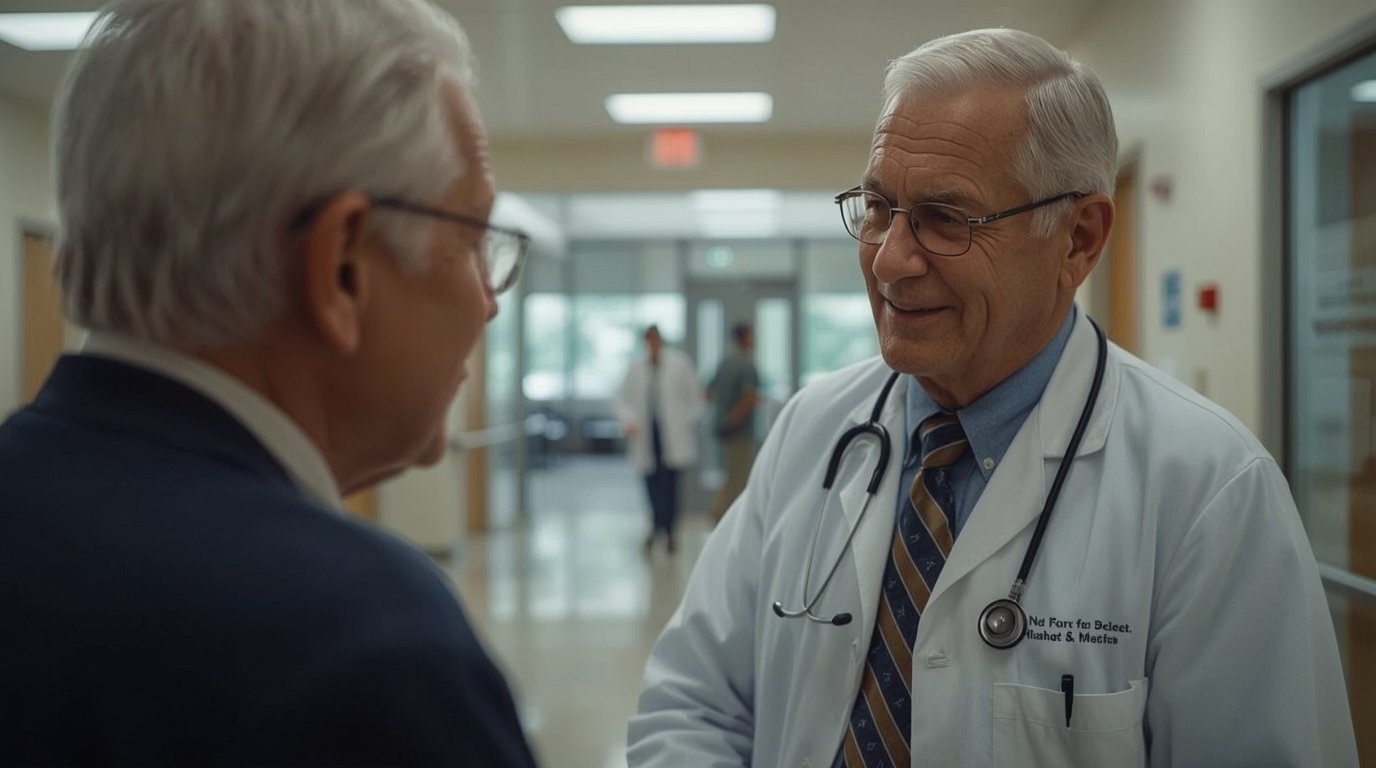
Furthermore, responders are trained to employ reflective listening techniques, where they paraphrase or reiterate what the caller has said. This assures veterans that their concerns are taken seriously and provides clarity regarding their emotions. Such practices foster a sense of understanding, reducing anxiety and encouraging veterans to delve deeper into their experiences, thereby painting a more comprehensive picture of their struggles.
Creating a safe space involves not merely the verbal communication techniques but also the overall demeanor of the responders. They maintain an empathetic tone, employing a calm and steady voice, coupled with respectful body language, to enhance the feeling of safety. By doing so, responders send the message that the callers’ experiences and feelings are valid and worthy of attention, enabling veterans to express their concerns candidly.
Assessment of Immediate Danger: Ensuring Safety
In any crisis communication, particularly when dealing with veterans in distress, the immediate assessment of danger is paramount. Responders from the Veterans Crisis Line utilize a systematic approach to evaluate potential risks related to suicide or self-harm. This process begins with establishing a rapport with the caller, fostering a sense of trust and openness, which is essential for effective communication during a crisis.

The initial stage involves asking critical questions aimed at determining the level of danger the individual may be experiencing. Responders inquire about the caller’s current mental state, including feelings of hopelessness, despair, or suicidal ideation. They also assess any past experiences with self-harm, which can provide insight into the urgency of the situation. Additionally, questions regarding the presence of a plan for self-harm, access to means (such as firearms or other lethal substances), and prior attempts are vital in gauging immediate risk levels.
Furthermore, responders evaluate environmental factors that could influence the caller’s safety, such as social support, ongoing stressors, and recent life events. Understanding these elements can help responders devise appropriate interventions or escalate the response if necessary. For example, if a caller indicates an imminent threat to their safety, crisis responders are trained to initiate emergency protocols for immediate assistance.
Another crucial aspect of this assessment is the responder’s ability to remain calm and empathetic throughout the conversation. This demeanor not only helps the caller feel valued and understood but also facilitates a more accurate assessment of their situation. Regular training and updates ensure that responders are well-equipped to handle varied and evolving scenarios effectively.
Ultimately, the assessment of immediate danger is a critical component of the response procedure, enabling responders to prioritize safety and guide callers towards the necessary support resources tailored to their individual needs.
Safety Planning: Preparing for Crisis Management
Creating a personalized safety plan is a fundamental step in managing potential crises effectively. This plan acts as a tailored roadmap that outlines specific strategies and resources, ensuring that individuals possess the necessary tools to navigate challenging times. One of the primary components of a safety plan includes identifying coping strategies. These strategies can vary widely and may encompass techniques such as mindfulness, deep breathing exercises, or engaging in physical activities. The objective is to develop a suite of methods that the individual can utilize to alleviate immediate distress and promote emotional regulation.
Another critical aspect of safety planning involves recognizing and mapping out support systems. This includes not only professional resources but also personal connections, such as family members, friends, or trusted mentors. By identifying these key individuals, the person in crisis can create a list of contacts who can provide emotional support or assistance during tough moments. Additionally, the safety plan should indicate preferred communication methods and times when reaching out for help feels most comfortable.
The significance of preparedness in crisis situations cannot be overstated. A well-structured safety plan ensures that individuals are not left to navigate their feelings and circumstances alone. Instead, they have a clearly defined pathway to follow, reducing feelings of confusion and overwhelm. Preparedness enhances resilience, allowing individuals to act instead of react when crises arise. Collaborating with a responder from the Veterans Crisis Line can be incredibly beneficial during the development of this plan, as their experience and insights can guide the creation of a comprehensive and practical approach suitable for the individual’s unique context. Ultimately, through thoughtful planning, individuals can feel more equipped to face potential challenges, reinforcing their ability to cope effectively and seek help proactively when necessary.
Connection to Resources: Facilitating Access to Help
The Veterans Crisis Line (VCL) serves as a critical lifeline for veterans and their families, offering immediate and compassionate assistance 24/7. One of the primary roles of VCL responders is to connect individuals with a diverse array of resources and services that address their unique needs. This connection is essential, particularly as many veterans may not be aware of the variety of support available to them. The responders are trained to understand the complexities of veteran experiences and to guide them toward appropriate local and national resources.
Local VA medical centers stand out as a key component in the network of support for veterans. These centers provide a range of services, including primary care, specialty health services, and mental health support. VCL responders are well-versed in the locations and offerings of these centers, enabling them to direct veterans and their families to the services closest to them. This effective navigation of the system can be a daunting task for some, making the role of the responder invaluable in bridging the gap between veterans and the necessary care.
In addition to medical centers, responders also facilitate access to specialized mental health services. Many veterans face challenges such as PTSD or depression, and it is crucial that they receive tailored support. The VCL responders can guide them toward local and regional mental health programs, including group therapy, counseling services, and emergency intervention when needed. Furthermore, they can link families to family support services, ensuring that loved ones are also recognized in the healing process.
Additionally, the VCL can provide information on community-based programs that focus on education, employment, and housing support for veterans. These programs often play a pivotal role in the successful reintegration of veterans into civilian life. By effectively connecting veterans and their families with these resources, VCL responders help foster a more supportive environment for recovery and adjustment.
Support for Families and Friends: Guidance for Loved Ones
Concerns about a veteran’s mental health can be both overwhelming and distressing for family members and friends. During such challenging times, the Veterans Crisis Line provides invaluable support for those who are close to veterans, equipping them with vital resources and tools to aid their loved ones effectively. Understanding how to approach conversations and provide the right kind of support plays a significant role in the recovery process for veterans.
The responders at the Veterans Crisis Line are trained to assist not just veterans but also their families and friends. They can provide guidance on how to approach sensitive subjects while maintaining respect for the veteran’s confidentiality. This is critical, as veterans often struggle with sharing their feelings, and family members may be unsure about how to initiate difficult discussions regarding mental health. The responders emphasize the importance of creating a non-judgmental environment where veterans can express their thoughts without fear of being criticized or misunderstood.
Furthermore, the Veterans Crisis Line offers resources that enable family members to educate themselves about mental health issues commonly faced by veterans. This knowledge can empower loved ones to be better advocates and support systems for their veterans. By understanding the signs and symptoms of mental health challenges, families can respond more sensitively and effectively to the needs of their loved ones.
Additionally, the crisis line provides connections to local support groups and mental health professionals who specialize in working with veterans and their families. This network can help loved ones navigate the recovery process alongside their veteran. It is important to recognize that families can play a crucial role in the healing journey while also taking care of their own emotional well-being. In essence, the guidance from responders can help foster a supportive atmosphere, ultimately benefiting both the veteran and their families.
Confidentiality and Control: Your Rights as a Caller
The Veterans Crisis Line is a vital resource designed to provide support to veterans in crisis. A fundamental aspect of this service is its commitment to confidentiality, which empowers callers to seek help without fear of judgment or breach of privacy. When you reach out to the Veterans Crisis Line, you can do so knowing that your conversations are handled with the utmost discretion. This confidentiality is crucial in fostering an environment where veterans feel safe to express their thoughts and emotions during challenging times.
As a caller, you have specific rights regarding your personal information and its disclosure. Responders at the Veterans Crisis Line are trained to respect your privacy, adhering to strict protocols that limit information sharing. In general, your discussions will remain confidential unless there is an imminent threat to your safety or the safety of others. In such cases, responders may be obligated to take necessary actions to ensure safety. However, even in these situations, every effort will be made to maintain your privacy and involve you in the process as much as possible.
The Veterans Crisis Line operates on the principle that you are in control of your narrative. You can ask questions, express concerns, and seek clarification about how your information is used or shared. This transparency not only demonstrates the line’s commitment to confidentiality but also enhances trust between callers and responders. The aim is to ensure that every veteran accessing this service can have confidence that their rights are respected, allowing them to focus on their well-being without the burden of anxiety about confidentiality. Ultimately, understanding your rights can cultivate a more open dialogue, making it easier to seek the help you deserve.
Ongoing Support Options: Beyond Immediate Assistance
Once immediate assistance has been provided through the Veterans Crisis Line, it is essential to recognize the availability of ongoing support options that play a vital role in the long-term recovery of veterans. These options are designed not only to address acute crises but also to support individuals in achieving sustained stability and wellness. Among the prominent services offered are peer support programs and case management services.
Peer support programs are pivotal in creating a bridge between veterans who have experienced similar challenges. This form of support allows individuals to engage with peers who have successfully navigated their recovery journeys, fostering a sense of community and understanding. Engaging with someone who has firsthand experience can significantly enhance the emotional and psychological healing process for veterans. Such programs emphasize empathetic listening, sharing coping strategies, and nurturing a supportive environment that promotes resilience and empowerment. Veterans can find these resources through local organizations, support groups, or initiatives facilitated by the older veterans’ community.
In conjunction with peer support, case management services provide a structured approach to recovery, ensuring that veterans receive comprehensive assistance tailored to their specific needs. Case management involves a dedicated professional who collaborates with veterans to develop personalized recovery plans that encompass mental health services, housing, employment, and access to healthcare. These professionals help veterans navigate various systems and resources, connecting them with benefits and services that can aid in their long-term recovery. The role of case managers is crucial in maintaining ongoing support, as they check in regularly and adjust strategies as necessary to meet the evolving needs of the individual.
In summary, the journey to recovery extends well beyond the immediate assistance provided during a crisis. By leveraging peer support programs and case management services, veterans can access essential resources that foster stability, resilience, and a pathway toward a fulfilling life. It is imperative for veterans and their families to be aware of these long-term support options that exist as a testament to the ongoing commitment to their mental wellness.
The Role of Empathy: Veterans Helping Veterans
The Veterans Crisis Line (VCL) plays a pivotal role in providing essential support to veterans in distress. One of the most significant aspects of this service is the unique perspective that many responders bring to their work: they are veterans themselves. This shared background allows them to understand the specific challenges and experiences that fellow veterans face, fostering a sense of empathy that is vital in crisis situations.
Empathy, particularly in the context of crisis intervention, is not merely about feeling compassion for another person’s situation; it is an active process that involves recognizing and validating the emotions of others. In the context of the VCL, this empathetic understanding is profoundly enhanced by the responders’ firsthand experiences. Having served in similar circumstances, these veterans are equipped to relate to the callers in a way that transcends traditional support approaches. They can acknowledge the feelings of isolation, loss, or hopelessness that may accompany the struggles of veterans, leading to more meaningful interactions.
The shared experiences that veterans possess enable them to offer tailored support that is both relevant and impactful. They can draw upon their own stories and insights to guide callers toward recovery. This connection often helps to reduce stigma, as veterans may feel more comfortable opening up to someone who has walked a similar path. Consequently, the effectiveness of the support provided by veteran responders is significantly heightened by this foundation of empathy. It facilitates open dialogue, allowing veterans in crisis to express their feelings without fear of judgment.
Ultimately, the role of empathy within the framework of the Veterans Crisis Line not only enriches the interactions between responders and veterans but also contributes to the overall healing process. In recognizing the power of shared experiences, the VCL exemplifies the importance of veterans helping veterans, reiterating that understanding can be a powerful catalyst for recovery.
Conclusion: Taking the First Step Toward Healing
Seeking help is an essential step towards healing, particularly for veterans who may be grappling with various challenges such as PTSD, depression, or anxiety. The process of acknowledging the need for support can often feel daunting, but it is crucial to remember that reaching out for assistance is a sign of strength, not weakness. The Veterans Crisis Line is an invaluable resource designed specifically to provide support to veterans in distress. Its trained responders offer a compassionate and non-judgmental ear, ensuring that each veteran feels heard and valued.
The role of Veterans Crisis Line responders cannot be overstated. They are equipped with the expertise necessary to understand the unique struggles faced by veterans and their loved ones. Whether someone is in immediate crisis or simply requires someone to talk to, the responders are available to facilitate these important conversations. This outreach fosters an environment where veterans can explore their feelings and experiences, paving the way for healing and recovery.
It is essential for veterans and their families to know that they are not alone in their struggles. If you or someone you know is facing such challenges, do not hesitate to contact the Veterans Crisis Line. The key to overcoming feelings of isolation and despair lies in taking that first brave step. Remember, the support you seek is just a phone call away, and it can lead to a path of healing and renewed hope.
In conclusion, connecting with the Veterans Crisis Line can provide veterans and their loved ones with the support they need. The journey to healing may begin with a single step, but with the right resources and people by your side, it is a journey that can lead toward a brighter future.