
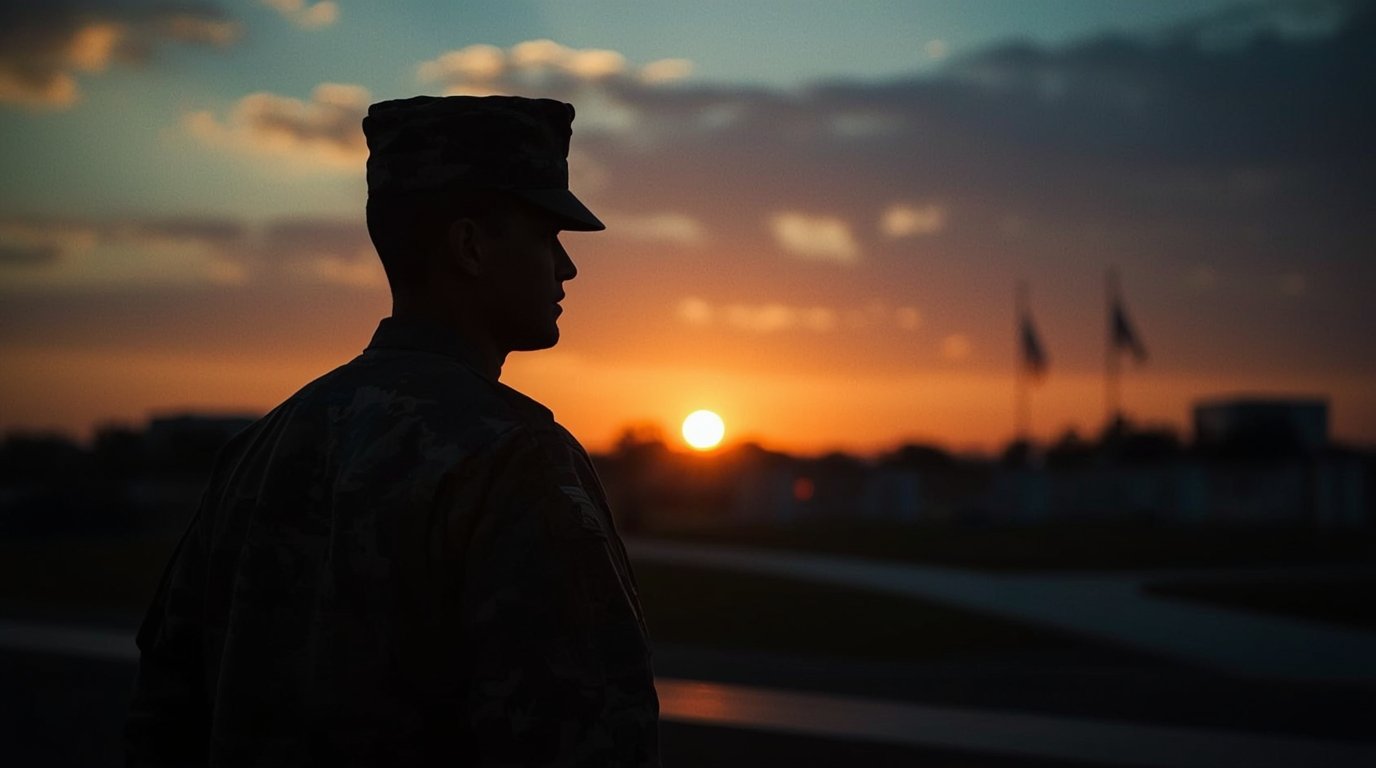
Introduction to the Tomb of the Unknown Soldier
The Tomb of the Unknown Soldier serves as a profound monument dedicated to honoring military personnel who have sacrificed their lives, particularly those whose remains were never identified. Located in Arlington National Cemetery, this solemn site plays a crucial role in commemorating the valiant efforts and sacrifices of these soldiers, reflecting a nation’s deep respect for its fallen heroes. Established in 1921, the Tomb is not only a resting place for an unidentified soldier from World War I but also symbolizes the sacrifices of all servicemen and women who have served in various conflicts.

for the $3,000 Special Allowance
The historical context of the Tomb dates back to the aftermath of World War I, when the immense loss of life and the fact that many soldiers remained unaccounted for prompted the need for a memorial that could embody collective mourning. The Unknown Soldier represents the countless lives lost not just in World War I, but also in subsequent conflicts, including World War II, the Korean War, and the Vietnam War. This memorial serves as a poignant reminder of the cost of war and the bravery exhibited by armed forces members in the face of adversity.
<p a="" also="" and="" arlington="" around="" as="" at="" be="" cemetery,="" ceremonies="" come="" commemorations.="" commitment="" deep="" didn’t="" drive="" exemplifies="" focal="" for="" forgotten.
The 21-Step Ritual Explained

The 21-step march performed by the guards at the Tomb of the Unknown Soldier is a highly ceremonial and disciplined routine that symbolizes profound respect for the fallen soldiers. This intricate ritual is executed with remarkable precision, showcasing the exceptional dedication of the Sentinels. Each of the 21 steps signifies a deep reverence, with a rationale steeped in military tradition and honor.
As the guard approaches the tomb, they execute a meticulous process beginning with a 21-step march. This number, 21, is not arbitrary; it represents a gun salute, which is universally recognized as a mark of respect. The significance of the number serves as a tribute to those soldiers who have made the ultimate sacrifice, emphasizing the solemn nature of the ceremony.
During the march, various aspects of posture and movement are maintained to uphold the values of discipline and honor. The Sentinels wear their uniforms with pride, evoking the military tradition that accompanies the tomb. Each step is performed with the utmost precision, as the guards are taught to focus not only on their movements but also on the respect and dignity owed to the unknown soldiers interred in the tomb.

The march concludes with a distinct turn, where the guard pivots sharply, symbolizing a transition from movement to the solemnity of standing watch. This part of the ritual reiterates the commitment of the Sentinels to guard the tomb against any interruptions, further cementing their role as protectors of the legacy of those who have served. The entire 21-step process is a harmonious blend of discipline, significance, and respect, deeply rooted in the ethos of military honor.
The Historical Origins of the 21-Gun Salute
The 21-gun salute is recognized as one of the most distinguished forms of honoring individuals in a military context, with deep historical roots that trace back several centuries. Originally, the practice of firing guns as a mark of respect can be linked to the naval traditions of the 14th century. At that time, discharging a ship’s cannons demonstrated that it was not hostile, as the act of shooting off all ammunition would render it defenseless. This early manifestation of the salute gradually evolved into a ceremonial practice, especially during significant occasions.
By the mid-17th century, the number of shots began to standardize, with a 21-gun salute emerging as a representation of the highest military honor. The number 21 itself holds significant symbolic weight, deriving from the British tradition where military honors were calculated using the number seven, which was then multiplied. The period during which this salute became formalized saw it become particularly associated with heads of state, especially in ceremonies marking their honor or remembrance. For example, notable monarchs and national leaders would receive a 21-gun salute to reflect their esteemed status.
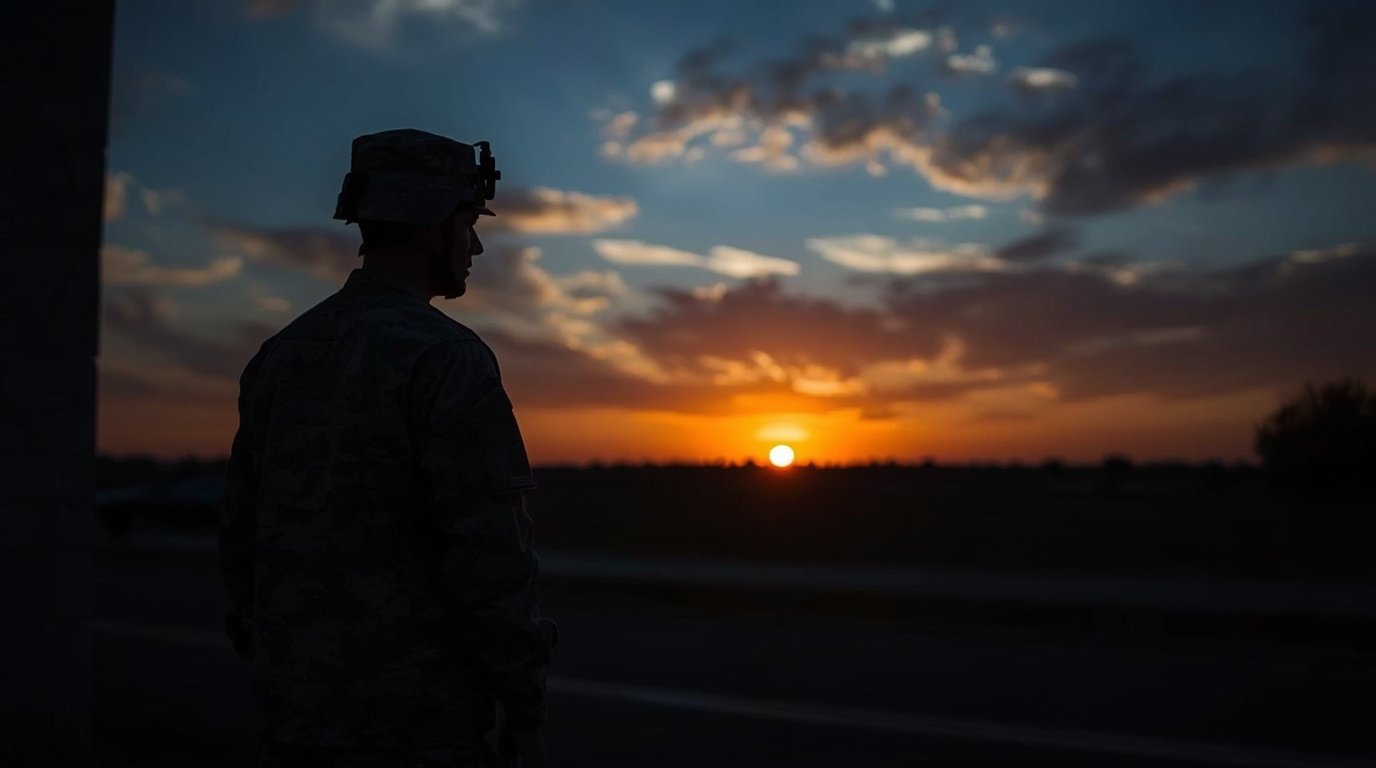
The application of the 21-gun salute expanded beyond monarchs and dignitaries to include military personnel who had rendered distinguished service. The American context adopted this tradition, solidifying it as an expression of reverence for those who have made sacrifices for their country. It is important to note that the 21-gun salute is not just a formality; it encapsulates centuries of military tradition and the deep respect given to individuals who have served in high capacities, thus marking their service in a solemn yet powerful manner.
Symbolism of the Number 21 in Military Tradition
The number 21 is steeped in significance within military tradition, particularly as it relates to formal ceremonies and rituals. One of the most recognized associations of the number is with the 21-gun salute, a tribute that honors individuals of national importance, such as heads of state and members of royal families. This practice is believed to have its origins in naval customs dating back centuries, where ships were required to fire a certain number of cannons to signify their respect and allegiance, establishing a standard for ceremonial honors.
From a historical perspective, the number 21 is significant not only due to its reference to military customs but also as a symbol of honor and respect. In various cultures, the act of saluting is a sign of deference, and the 21-gun salute elevates this gesture to a grand scale. It conveys the utmost tribute, reflecting the deep respect the military holds for the fallen or honored individuals being commemorated. The number also bears mathematical resonance, with 21 being the highest number in a simple counting series, indicating a limit or boundary that may symbolize the ultimate sacrifice made by those in service.
Moreover, the use of the number 21 transcends military customs and permeates broader societal norms. It is present in numerous formal occasions and tributes around the world, making it a universal symbol of honor and respect. When incorporated into the solemn observance at the Tomb of the Unknown Soldier, the number serves to remind us of the collective sacrifice made by soldiers who have served their country, often at great personal cost. Therefore, the number 21 not only holds military significance, but its symbolism also resonates with themes of valor, sacrifice, and enduring memory within a wider historical context.
The Role of Guards at the Tomb
The guards at the Tomb of the Unknown Soldier play a critical role in preserving the sanctity and dignity of this sacred site. Tasked with a solemn duty, these guards are selected from the United States Army and undergo a rigorous training regimen that ensures they are fit to honor the memory of those who have made the ultimate sacrifice for their country. The training process is extensive, often spanning several months, and includes mastering the intricacies of march drills, knowledge of military history, and the significance of their responsibilities.
Each guard is required to memorize an extensive amount of information about the tomb, the soldiers commemorated therein, and the history surrounding the site. This knowledge not only enhances their ability to perform their duties but also deepens their understanding of the sacrifices made by service members. The importance of these guards is reflected in their unwavering commitment to maintaining a state of vigilance and respect, often standing in all weather conditions for hours at a time.
The posture and precision with which the guards perform their duties symbolize the deep respect and honor owed to fallen soldiers. Each movement is deliberate, signifying not just a ceremonial duty, but an embodiment of national reverence and remembrance. Their role extends beyond mere performance; it is a commitment to uphold the memory of those who have been lost and to represent the values that the military embodies. This devotion impacts not only visitors to the tomb but also serves as a reminder to the nation of the sacrifices made by its armed forces.
In essence, the guards at the Tomb of the Unknown Soldier are custodians of a profound legacy. Their dedication, training, and the gravity of their responsibilities combine to create an atmosphere of reverence that resonates deeply, ensuring that the sacrifices of fallen heroes are never forgotten.
The Ceremony of Changing the Guard
The Changing of the Guard at the Tomb of the Unknown Soldier is a solemn and revered ceremony that takes place every hour, while visitors can witness a more elaborate version every hour on the hour during the warmer months. This ceremonial event symbolizes the dedication and respect that the nation pays to those who have sacrificed their lives for freedom, particularly those whose remains have not been identified.
The ceremony involves a meticulous process where the guard, known as the Sentinels, steps forward to relinquish their duties. As one Sentinel stands vigil over the Tomb, another arrives to take their place. This transition is characterized by a series of precise movements that demonstrate military precision and discipline. The Sentinels are selected from the elite 3rd U.S. Infantry Regiment, known as “The Old Guard,” and they undergo extensive training to ensure the ceremony’s perfection and reverence.
As the previous guard departs, a distinctive ritual unfolds, which consists of a series of foot movements, salutes, and a deliberate pace around the Tomb. This choreography is not merely for performance; it reflects the deep significance of their vow to protect and honor the soldiers represented by the Tomb. The Sentinels maintain a strict posture and face forward, reminding observers of the unwavering commitment to memorialize the sacrifices made by countless individuals.
Moreover, the symbolism behind the Changing of the Guard is profound. It serves as a reminder of the price of freedom and the responsibility of the living to honor those who have gone before them. The ritual instills a sense of collective memory and respect, fostering an understanding of the sacrifices made for the nation’s liberty, making it clear that the commitment to uphold these values endures through generations.
The Significance of Time and Pause in the Ritual
The 21-step tradition at the Tomb of the Unknown Soldier is punctuated by significant pauses that offer profound meaning to the ritual. One of the most notable elements is the 21 seconds of silence that follows the ceremonial steps. This pause serves multiple important functions in the context of honoring the unknown soldiers, allowing participants and witnesses alike to reflect on the sacrifices made by those who have served the country. It is a moment of quiet reverence, providing an opportunity for individuals to connect their thoughts and emotions with the somber memories encapsulated within the tomb.
The essence of the pause can also be seen as a bridge to the 21-gun salute, a military tradition often reserved for the highest honors. Just as the salute marks a moment of respect and acknowledgment of valor, the 21 seconds of silence reinforces the solemnity of the occasion and the significance of remembering those who are buried without identities. By integrating the concept of time and pause into the ritual, participants forge a deeper connection with the legacy of sacrifice that the unknown soldiers represent. This unique temporal element acts as a reminder to honor their service by considering the weight of their contributions to national history.
<pmoreover, 21="" 21-step="" a="" all="" along="" an="" and="" as="" care="" ceremony,="" commitment.="" complements="" component="" creating="" dignity.="" discipline="" disciplined="" during="" each="" emphasizing="" enhances="" ensuring="" environment="" equally="" essential="" exemplifies="" fallen.="" formality;="" impact="" in="" is="" it="" it.
Connecting Historical Roots to Modern Ceremonies
The Tomb of the Unknown Soldier stands as a powerful symbolic monument dedicated to the valor and sacrifice of fallen service members. It is not merely a site of remembrance; it embodies a connection between historical military practices and contemporary ceremonies. The rituals observed at the Tomb are steeped in tradition, echoing the customs of honor that have evolved over centuries in military culture.
One key aspect of these ceremonies is the precision and discipline that characterize the soldier’s actions during the vigil and the changing of the guard. This practice can be traced back to earlier military customs where sentinels kept watch over graves of fallen comrades, signifying respect and vigilance. Such traditions ensured that the memory of the deceased soldiers was preserved through solemn observance. At the Tomb of the Unknown Soldier, this connection to the past is maintained, reminding us that honoring those who served is a timeless obligation.
Furthermore, the 21-step walk by the sentinel serves not only as a tribute but also as a continuation of time-honored practices. The act of marching with exactitude symbolizes discipline, and, ultimately, the ongoing commitment that military personnel uphold towards each other and their legacy of service. This ritual reflects how historical practices find relevance in modern-day expressions of patriotism and respect. The meticulousness of the guard and the ceremonial practices surrounding the Tomb provide a stark contrast to the chaos of war, embodying peace and reverence. As such, the current ceremonies at the Tomb of the Unknown Soldier remind us of a unity that transcends time—binding past sacrifices with present responsibilities.
Conclusion: The Lasting Impact of the 21-Step Tradition
The 21-step tradition observed at the Tomb of the Unknown Soldier serves as a poignant reminder of the values of honor, sacrifice, and respect for those who have served in the military. This ceremonial act encapsulates the deep emotional ties and collective memories associated with the sacrifices made by countless service members. Each deliberate step taken by the sentinel not only marks time but also highlights the importance of acknowledging those who have given their lives for their country, fostering a sense of connection among all Americans.
Moreover, the significance of this tradition extends beyond mere military protocol; it resonates with the broader public in a unique way. The solemnity of the 21 steps invites reverence and reflection, encouraging individuals to consider the weight of sacrifice borne by the soldiers, whose identities remain unknown. This act of remembrance cultivates a culture of gratitude and respect, fostering a communal spirit that binds the nation together in recognition of its heroes.
<pthe a="" also="" and="" but="" ceremonies,="" commitment="" contexts,="" day="" deep="" democracy="" designed="" doing="" educational="" evident="" express="" fallen="" family="" freedom="" from="" gatherings="" generations.="" help="" honor="" impact="" in="" instill="" is="" legacy="" memorial="" military="" not="" numerous="" of="" often="" on="" only="" or="" p="" participating="" particular,="" patriotism="" personnel,="" pride="" programs="" reinforcing="" sacrifices="" sense="" service.="" so,="" solemn="" such="" that="" the="" their="" they="" this="" to="" tradition="" underpin="" uphold.
In summary, the 21-step tradition at the Tomb of the Unknown Soldier stands as an enduring symbol of reverence and remembrance, deeply rooted in the cultural fabric of the nation. Its continuing relevance serves as a heartfelt tribute to the bravery of those who have defended their country, ensuring that their sacrifices will never be forgotten.