

Introduction to Post-Surgery Recovery
Post-surgery recovery is a critical phase in the healing journey of individuals, especially for veterans undergoing procedures at the Washington VA Medical Center. Understanding this process is essential not only for veterans but also for their families and caregivers, as it establishes a foundation for effective recovery management. The healthcare team at the Washington VA is dedicated to supporting veterans through the complexities of recovery, ensuring that each patient receives personalized care tailored to their unique needs.

for the $3,000 Special Allowance
The recovery process after surgery involves various elements, including physical healing, emotional support, and rehabilitation. Physical recovery focuses on the gradual restoration of mobility and strength. Veterans may experience limitations initially, which is a natural part of the healing process. Importance is placed on adhering to prescribed post-operative guidelines, such as rest, medication management, and attending follow-up appointments, which are paramount in facilitating a smooth recovery.
Emotional and psychological well-being also plays a significant role during recovery. Many veterans grapple with feelings of anxiety or depression post-surgery, which can impede healing. The Washington VA Medical Center recognizes this aspect and provides resources, such as counseling services and support groups, to assist veterans in navigating these challenges. These services not only foster emotional resilience but also encourage social connections that are vital during recovery.

Furthermore, the comprehensive approach adopted by the Washington VA Medical Center highlights the importance of addressing the whole patient, ensuring that both physical and psychological aspects of recovery are integrated into their care plan. This holistic perspective not only enhances the recovery experience for veterans but also supports their ultimate goal of returning to optimal health and well-being.
Postoperative Monitoring: Ensuring Safety and Comfort
Upon their transfer to the recovery unit following surgery, patients at the Washington VA Medical Center receive comprehensive and attentive postoperative monitoring. This critical phase establishes the foundation for their recovery, facilitating a smooth transition from anesthesia to regaining full awareness. The nursing staff plays an instrumental role in this process, utilizing their expertise to ensure both patient safety and comfort.
One of the primary responsibilities of the nursing team is to monitor vital signs closely. Patients’ heart rates, blood pressure, respiratory rates, and oxygen levels are regularly assessed, giving healthcare providers immediate insight into their condition. This vigilant monitoring is vital not only for assessing the patient’s response to anesthesia but also for identifying any potential complications that may arise following surgery. Early detection of abnormalities can significantly enhance the effectiveness of interventions if needed.
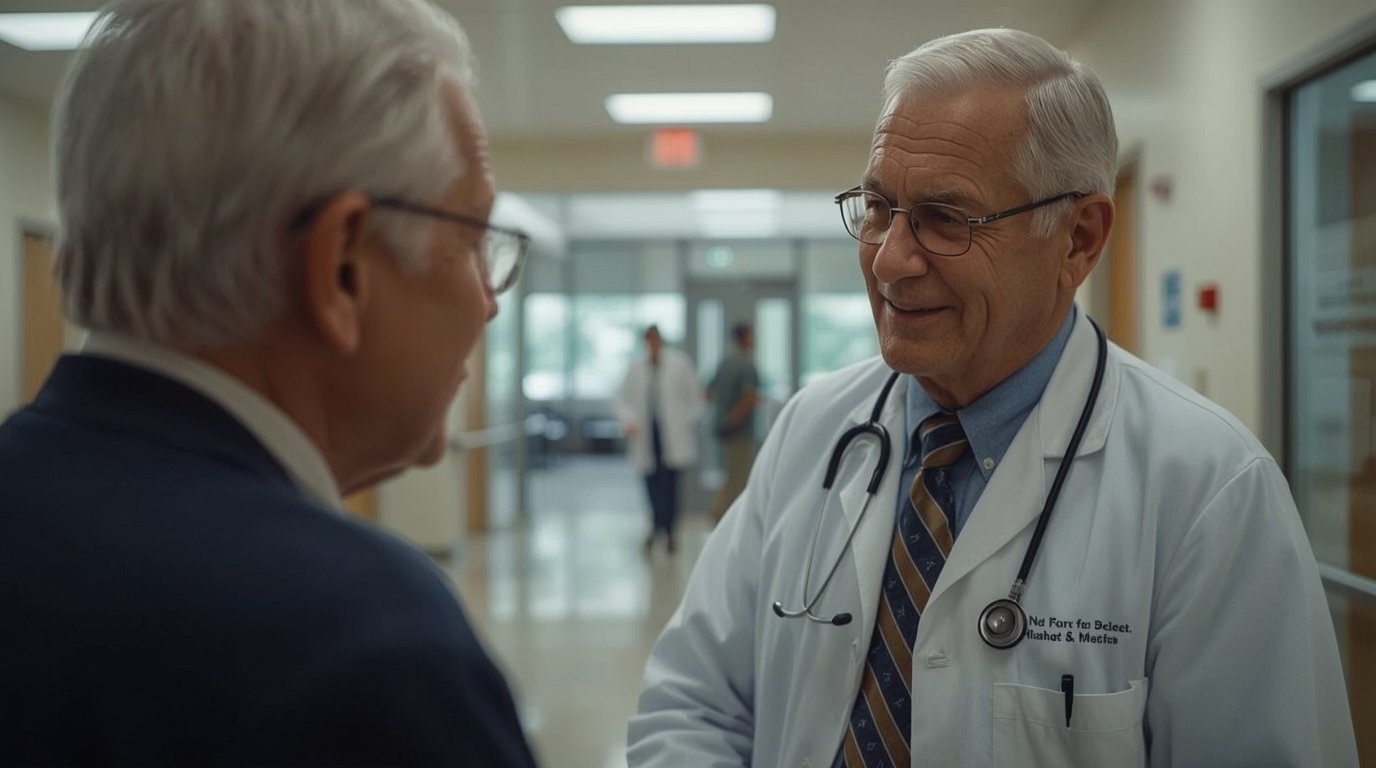
In addition to monitoring vital signs, nursing staff is tasked with managing pain levels through appropriate medication administration. Each patient’s pain tolerance and comfort levels are evaluated, allowing for tailored pain management strategies that aim to minimize discomfort while supporting the healing process. Effective pain control is critical, as it not only impacts a patient’s immediate experience but also influences their overall recovery trajectory.
Furthermore, creating a safe and supportive environment in the recovery unit is paramount. The nursing staff ensures that patients are closely observed, providing reassurance and addressing any questions they may have during this vulnerable time. The unit is equipped with essential medical equipment to manage any unforeseen complications swiftly. This comprehensive approach not only enhances patient comfort but also reinforces the institution’s commitment to providing high-quality postoperative care.
Pain Management Strategies
Effective pain management is a crucial aspect of the recovery process following surgery, especially within the Washington VA Medical Center. Tailored pain management plans are developed by a team of dedicated professionals, including anesthesiologists and nurse anesthetists, to meet the unique needs of each patient. These plans often incorporate various pain control techniques, ensuring that patients experience the highest possible level of comfort during their recovery.

One of the primary methods utilized in pain management is the use of general anesthesia, which induces a temporary state of unconsciousness during surgical procedures. This technique allows for significant levels of pain relief immediately following surgery. Additionally, regional anesthesia is another effective approach. This method numbs specific areas of the body and can be particularly beneficial in surgeries involving the extremities or the abdomen, enabling targeted pain control without affecting the entire body.
Moreover, medications play a vital role in the pain management strategies employed at the Washington VA Medical Center. These medications may include non-opioid analgesics, opioids, and adjuvant therapies, all tailored to the individual patient’s needs. The anesthesiology team regularly assesses patients’ responses to these medications, making necessary adjustments to optimize pain relief while minimizing side effects. By closely monitoring how each patient responds to treatment, healthcare providers can improve overall satisfaction and enhance the effectiveness of recovery.
Through a combination of advanced techniques and personalized medication plans, the Washington VA Medical Center aims to provide comprehensive pain management tailored to the specific needs of each patient. This focused approach not only ensures effective pain control during recovery but also significantly contributes to a smoother and more successful postoperative experience.
Rehabilitation Services: A Holistic Approach to Recovery
The recovery process after surgery at the Washington VA Medical Center is significantly enhanced through a comprehensive approach provided by its rehabilitation services. These services are paramount in ensuring that veterans achieve optimal recovery outcomes through a multidisciplinary team that collaborates closely to meet each individual’s needs. The team typically includes physiatrists, physical therapists, occupational therapists, and other healthcare professionals dedicated to fostering rehabilitation.
Physiatrists, specializing in physical medicine and rehabilitation, play a crucial role by evaluating patients and devising tailored rehabilitation plans. They oversee the recovery process, ensuring that all aspects of healing are addressed, including pain management and functional restoration. Physical therapists focus on improving mobility and strength, utilizing various techniques and exercises to aid recovery. They also help patients regain independence in performing daily activities, crucial for enhancing quality of life post-surgery.
Occupational therapists contribute to the recovery process by focusing on helping patients adapt their environments and develop essential skills necessary for daily living. Their expertise supports veterans in resuming work, hobbies, and social roles, thus promoting mental and emotional well-being alongside physical recovery. The integrated programs at the Washington VA Medical Center are designed to improve functional capabilities through tailored therapy sessions, ensuring a smooth transition back to normal activities.
Additionally, the rehabilitation services incorporate modern technologies and evidence-based practices, ensuring that all interventions are designed to meet the highest standards of care. The collaborative effort of the multidisciplinary team aims at addressing all dimensions of recovery, recognizing that physical healing often intertwines with emotional and psychological health. This holistic approach not only facilitates a faster recovery but also empowers veterans with the tools and support necessary for long-term success post-surgery.
The Importance of Activity and Mobility Post-Surgery
Recovery after surgery is a critical phase in the overall treatment process, and activity and mobility play a significant role in enhancing healing. It is encouraged for patients to begin moving as soon as it is deemed safe by their medical team. Early mobilization is crucial as it stimulates blood circulation, which helps in delivering nutrients to the healing tissues and removing waste products from the surgical site. Patients who adhere to early mobility often experience reduced risk of complications such as blood clots, pneumonia, and muscle atrophy.
In many cases, rehabilitation programs are tailored specifically to facilitate each patient’s unique recovery goals and physical conditions. This personalized approach ensures that the activity level matches the patient’s abilities and limitations following surgery. For instance, some patients may start with simple movements, such as sitting up in bed or walking short distances, while others may require more intensive physical therapy interventions. The healthcare professionals at the Washington VA Medical Center carefully assess individual needs to design an optimal therapy program that promotes safe mobility.
Moreover, engaging in regular physical activity can positively impact the patient’s mental health. The transition from a sedentary to an active state fosters a sense of accomplishment and improves overall morale. As patients progress through their recovery, they are often encouraged to set achievable mobility goals, reinforcing their commitment to the rehabilitation process. Progressing in mobility not only enhances physical well-being but also contributes significantly to the overall quality of life during the recovery period.
In conclusion, prioritizing activity and mobility post-surgery serves as a crucial component in the recovery process. By embracing early movement and engaging in individualized therapy programs, patients can enhance their healing, minimize complications, and foster a positive recovery journey.
Wound Care Instructions for Optimal Recovery
Proper wound care is critical to achieving a successful recovery after surgery at the Washington VA Medical Center. Patients are advised to follow specific protocols to ensure their surgical incisions heal optimally. One of the primary aspects of wound care is to keep the surgical area clean and dry. This involves changing dressings as directed by the healthcare provider and using sterile techniques to avoid introducing bacteria that could lead to infection.
Patients should be attentive to the condition of their surgical sites. It is essential to observe the wound for any abnormalities, including increased redness, swelling, or discharge that could indicate an infection. If there is a foul odor or if the incision opens up, these are also signs that warrant immediate medical attention. Recognizing these signs early can be pivotal in preventing complications. Moreover, it is advisable not to soak the surgical site in water, such as in baths or swimming pools, until the doctor gives explicit permission, as moisture can compromise the integrity of the wound.
When changing the dressing, patients should wash their hands thoroughly before and after to minimize the risk of contamination. If any sutures or clips are in place, it is generally recommended to leave them untouched until the follow-up appointment. Following these wound care instructions not only promotes faster healing but also reduces the likelihood of postoperative complications. Should any questions or uncertainties arise regarding wound care, or if signs of infection present themselves, contacting the healthcare provider promptly is crucial to ensure a smooth recovery process.
Transitioning from Hospital to Home: Care Coordination
Transitioning from the hospital to home after surgery is a critical phase in the recovery process, requiring seamless care coordination to ensure that patients receive the support and information they need. At the Washington VA Medical Center, the discharge process is meticulously planned to equip patients with clear instructions regarding various aspects of their post-operative care. One of the primary components of this transition is medication management. Patients will receive a comprehensive list of their medications, including dosages and timing, ensuring they understand the purpose of each medication and any potential side effects to watch for.
In addition to medication management, patients are informed about activity restrictions essential for a safe recovery. This may involve guidance on physical limitations, such as avoiding heavy lifting or strenuous activities, which can vary based on the type of surgery performed. Ensuring adherence to these restrictions is crucial for a successful recovery and to prevent complications.
Another vital aspect of the care coordination process involves wound care. Patients will receive detailed instructions on how to care for their surgical site, including signs of infection that should prompt them to seek immediate medical attention. Clear guidance will support patients in recognizing normal healing versus potential complications, thereby enhancing their sense of confidence in managing their recovery at home.
Lastly, follow-up appointments are instrumental in monitoring recovery progress. Patients will be provided with a schedule for upcoming appointments with their healthcare team, allowing for timely assessments and adjustments to their care plan as necessary. Transportation arrangements are also a consideration, ensuring that patients have a safe means of getting home and to these follow-up visits. Overall, effective care coordination during this transition phase is paramount in promoting optimal recovery for patients returning home after surgery.
Support Services: Resources for Post-Surgical Recovery
The Washington VA Medical Center is committed to providing comprehensive support services to veterans undergoing surgical procedures. Understanding the complexities of recovery, the center offers a range of resources tailored to ensure a smooth transition from hospital to home. One notable resource is the nurse advice line, which is designed to assist veterans in managing their post-surgical recovery effectively.
The nurse advice line is available 24/7, allowing veterans to speak with experienced nursing professionals who can address any concerns or questions related to recovery. Whether it’s discussing medication management, pain control, or caring for surgical incisions, the nurse advice line offers personalized guidance that can significantly enhance the recovery experience. Such resources empower veterans with the knowledge they need to make informed decisions about their health post-surgery.
In addition to the nurse advice line, the Washington VA Medical Center also provides access to physical therapy and rehabilitation services. These programs are integral to the recovery process, particularly after major surgical interventions. Veterans can receive individualized therapy plans that focus on regaining strength, mobility, and functionality, which are essential for returning to daily activities.
Furthermore, mental health support is also a critical component of post-surgical care. Many veterans may experience anxiety or depression related to their surgery, making access to psychological services vital. The medical center offers counseling and support groups where veterans can discuss their feelings and experiences with others who have undergone similar procedures. This holistic approach recognizes that recovery extends beyond physical healing and encompasses emotional and mental well-being as well.
With the variety of support services available at the Washington VA Medical Center, veterans can navigate their post-surgical recovery with increased confidence and assurance, knowing that comprehensive care is readily accessible at any time.
Conclusion: A Multidisciplinary Approach to Recovery
In the realm of post-surgical recovery, the Washington VA Medical Center emphasizes a comprehensive and multidisciplinary approach to ensure optimal healing outcomes for veterans. This commitment is rooted in the understanding that recovery is not merely an isolated event but rather a complex process that requires collaboration among various healthcare professionals. Surgeons, nurses, physical therapists, occupational therapists, and mental health specialists all play an integral role in facilitating a successful recovery.
By fostering an environment that encourages teamwork, the Washington VA Medical Center strives to provide tailored care that addresses the diverse needs of each veteran. This collaborative approach allows for a more nuanced understanding of the patient’s condition and recovery trajectory. For instance, while surgeons focus on the immediate surgical needs, rehabilitative professionals work to restore mobility and functionality, ensuring that veterans can return to their daily activities as soon as possible.
Moreover, psychological support is a critical component of the recovery process. Mental health professionals contribute significantly by addressing emotional and psychological challenges that may arise following surgery. Their involvement aids in mitigating anxiety, depression, and other mental health issues that can impede physical recovery. The integration of mental health services within the recovery framework exemplifies the center’s holistic view of patient care.
The Washington VA Medical Center’s multidisciplinary strategy not only enhances the probability of a successful recovery but also fosters a supportive community for veterans during a challenging time. This collaborative effort ensures that all aspects of a veteran’s well-being are considered, ultimately leading to a smoother transition back to daily life. As the center continues to prioritize such an approach, the positive outcomes for veterans will undoubtedly flourish.