

Introduction to the Texas Veterans Commission
The Texas Veterans Commission (TVC) plays a critical role in supporting the extensive community of veterans, their families, and survivors in Texas. Established in 1927, the Commission was created to serve as a dedicated organization focused on advocating for veterans’ rights and benefits. Its primary mission is to help Texas veterans navigate the complexities of available resources, thereby ensuring they receive the support they deserve after their service to the country.

for the $3,000 Special Allowance
One of the key objectives of the Texas Veterans Commission is to facilitate access to benefits provided by the U.S. Department of Veterans Affairs (VA). This includes a wide array of services, such as claims assistance for disability and healthcare benefits, as well as general support for educational opportunities. The TVC works tirelessly to simplify the often-complex processes involved in securing veterans’ benefits, ensuring that those who served the nation can obtain the assistance they need without undue barriers or delays.
The TVC’s services extend beyond claims assistance. The Commission offers programs in various areas, including employment and training, housing assistance, and mental health support. These initiatives are designed to assist veterans in transitioning back into civilian life, providing them with the tools and resources necessary to thrive in their communities. The organization also plays a vital role in promoting awareness of veteran-related issues and advocacy for necessary legislative changes to improve the welfare of Texas veterans.

Ultimately, the Texas Veterans Commission stands as a beacon of support and guidance for veterans and their families. Its commitment to ensuring that the sacrifices made by these individuals are recognized and honored is evident in its comprehensive service offerings and advocacy efforts. By fostering a robust support system, the TVC contributes significantly to the well-being of veterans throughout Texas.
The TVC’s Role as a State Advocate
The Texas Veterans Commission (TVC) serves as the official state advocate for veterans, playing a vital role in ensuring that former military personnel receive the benefits and services they have earned. Established to specifically address the needs and concerns of veterans, the TVC acts as a crucial intermediary between veterans and the U.S. Department of Veterans Affairs (VA). With a focus on improving the quality of life for veterans in Texas, the commission provides assistance in navigating through the complex landscape of disability claims and benefits processes.
One of the significant responsibilities of the TVC is representing veterans in their disability claims and appeals. The claims process can often be convoluted and daunting for many veterans, making it essential to have knowledgeable advocates by their side. The TVC employs accredited representatives who offer expert guidance, ensuring that veterans understand their rights and the benefits available to them. By assisting in the preparation and submission of claims, the TVC enhances the chances of successful outcomes.
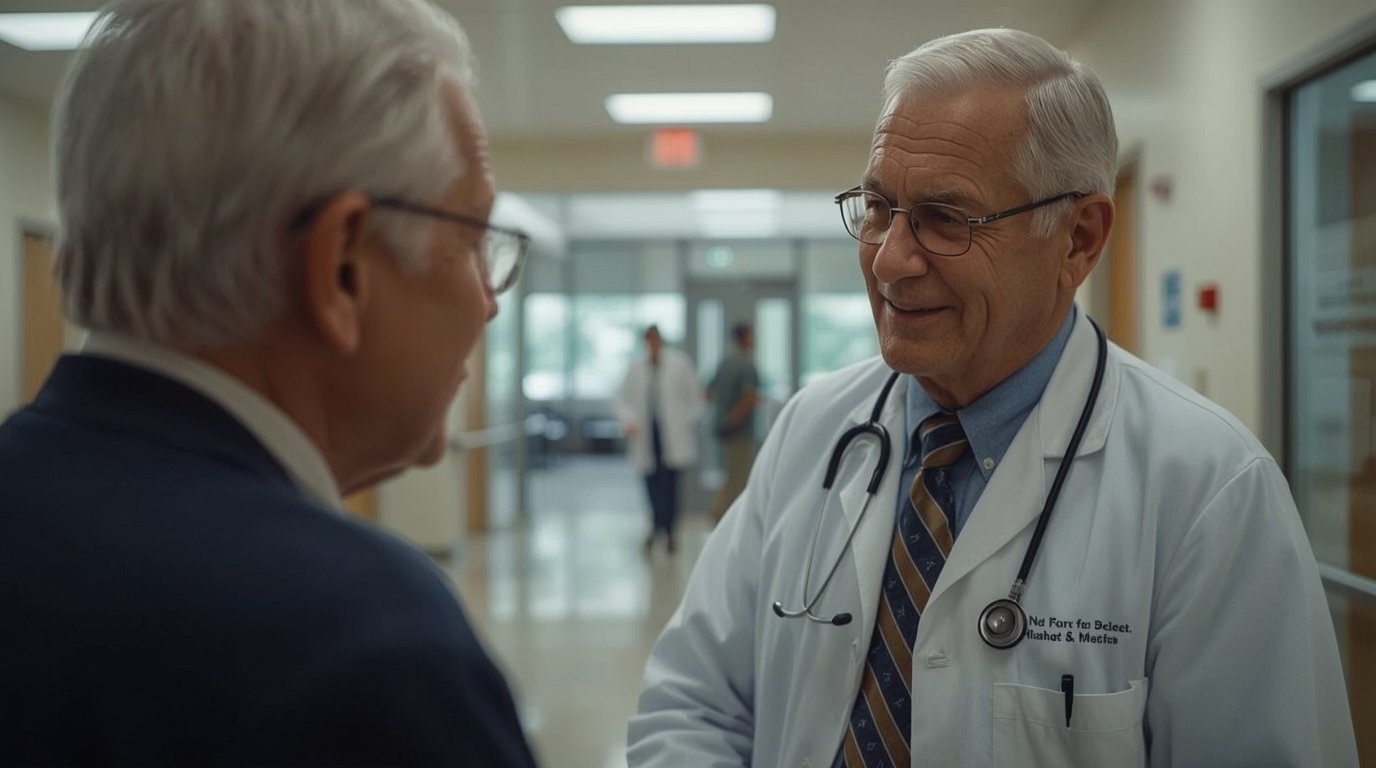
Additionally, the TVC educates veterans about various programs and resources tailored to their needs. This encompasses everything from health care benefits to employment assistance and housing support. By disseminating information and providing direct advocacy, the commission empowers veterans to take full advantage of the services offered by both state and federal agencies.
The significance of having an advocate like the TVC at the state level cannot be understated. Veterans face unique challenges and often require specialized support to access their benefits. The TVC not only helps to bridge the gap between veterans and the VA but also advocates for policy changes and improvements that can further enhance the support available to them. This continuous effort ensures that Texas veterans receive the comprehensive support necessary to thrive in their civilian lives.
Claim Assistance and Benefits Processes
The Texas Veterans Commission (TVC) plays a pivotal role in assisting veterans with their claims for various benefits, particularly regarding U.S. Department of Veterans Affairs (VA) disability claims. The comprehensive support provided by TVC’s claims benefit advisors significantly simplifies the complex processes involved in accessing the benefits to which veterans are entitled. This includes guidance on essential documentation, which is vital for the successful submission of claims.

One of the fundamental steps in the claims process is the completion of necessary forms, notably the VA Form 21-0966, also known as the Intent to File a Claim for Compensation and/or Pension. This form acts as an official declaration that the veteran intends to seek benefits and preserves the potential effective date of the claim. Accurate completion of this form, as well as subsequent forms required for the actual claim, is crucial, as any inaccuracies can lead to delays or denials.
Moreover, TVC’s advisors emphasize the importance of meeting specific evidence standards throughout the claims process. To substantiate claims for disability benefits, veterans must provide medical evidence that correlates with their diagnosis, service-related incidents, and the functional impacts of their conditions. This documentation is critical, as the VA relies heavily on the quality and relevance of evidence when making determinations about claims.
In addition, the appeals process is another aspect where TVC provides essential support. Should a claim be denied, veterans benefit from the expertise of TVC’s advisors in navigating the intricate appeals process. They assist in gathering additional evidence and completing the necessary paperwork with precision, enhancing the likelihood of a successful outcome.
Through these tailored services, the Texas Veterans Commission firmly establishes itself as a crucial ally for veterans seeking to access their earned benefits from the U.S. VA.
Education and Program Approvals
The Texas Veterans Commission (TVC) serves as the state approving agency (SAA) responsible for evaluating and approving education and training programs that utilize GI Bill benefits. This crucial role ensures that the interests of veterans pursuing education are adequately protected while also adhering to federal guidelines. The TVC’s primary objective is to facilitate access to quality educational opportunities, thereby enhancing the support available for veterans transitioning to civilian life.
In performing its duties, the TVC meticulously examines various educational institutions and training programs across Texas to ensure they meet the standards required by both state and federal regulations. The process involves evaluating the curriculum, faculty qualifications, facilities, and overall institutional performance. This rigorous assessment not only helps maintain quality education for veterans but also guarantees that the programs offered are aligned with their unique needs and career aspirations.
The oversight provided by the TVC emphasizes compliance with federal guidelines established by the U.S. Department of Veterans Affairs (VA). Institutions seeking approval for their programs must demonstrate that they are in full conformity with these regulations, which aim to protect veterans from potential exploitation or substandard training. By ensuring that only credible and reputable programs are approved, the TVC plays a vital role in safeguarding the investment of veterans’ education benefits.
Furthermore, the TVC engages in regular monitoring of approved programs to ensure ongoing compliance with both state and federal standards. Each institution is subject to periodic reviews that assess their continued ability to deliver quality educational services. This proactive approach is essential for maintaining high standards within the educational landscape, ultimately benefiting veterans who rely on these programs for their professional development and future success.
Employment Services for Veterans
The Texas Veterans Commission (TVC) plays a crucial role in facilitating the transition of military personnel into the civilian workforce. The employment services provided by TVC are designed specifically to assist veterans in securing meaningful employment opportunities. These services encompass a variety of programs aimed at enhancing the employability of veterans, connecting them with potential employers, and ensuring a smooth integration into the workforce.
One of the key services offered by TVC is the Veteran Employment Representatives program. This initiative provides veterans with individualized assistance, including job search help, resume writing support, and interview preparation. Veteran Employment Representatives are knowledgeable about local job markets and can connect veterans to employers actively seeking to hire individuals with military backgrounds. By understanding the unique skills and experiences that veterans bring to the workplace, these representatives foster partnerships that benefit both job seekers and employers.
Additionally, the TVC collaborates with the U.S. Department of Veterans Affairs (VA) to enhance workforce development programs. This collaboration enables TVC to leverage VA resources and programs such as vocational rehabilitation and employment services. Veterans can access various training programs designed to improve their skills and increase their chances of landing a job in their chosen field. These joint efforts are critical as they aim to address the specific challenges faced by veterans in the job market and ensure they are equipped with the necessary tools for success.
Furthermore, TVC also organizes job fairs and employment workshops throughout the state of Texas, providing veterans with direct access to employers. These events not only allow veterans to explore job opportunities but also facilitate networking with potential employers who value the discipline and leadership qualities honed in military service. By leveraging these employment services, veterans can achieve their career goals and contribute positively to the economy.
Funding and Nonprofit Support Initiatives
The Fund for Veterans’ Assistance is a crucial program administered by the Texas Veterans Commission (TVC), aimed at supporting veterans in need by providing financial resources to various nonprofit organizations across Texas. This fund allocates grants to eligible nonprofits that are dedicated to addressing critical issues faced by Texas veterans, including homelessness, mental health support, employment services, and access to healthcare. Through these initiatives, the TVC plays a pivotal role in fostering a network of support for veterans, ultimately enhancing their quality of life.
One of the significant advantages of the Fund for Veterans’ Assistance is its ability to target specific needs within the veteran community. Many of the organizations that receive grants focus on direct services, allowing them to implement practical solutions that can lead to tangible improvements in veterans’ lives. For instance, grants are often directed toward programs that provide housing solutions for homeless veterans, helping to facilitate their transition into stable living conditions. Additionally, outreach efforts funded by these grants enable nonprofits to connect with veterans who may not be aware of the resources available to them.
Moreover, the synergy between the TVC and the nonprofit sector is vital in addressing the multifaceted challenges faced by veterans. By collaborating with experienced organizations, the TVC ensures that the funding is utilized effectively, delivering services that align with the specific needs of the community. Nonprofits supported by the Fund for Veterans’ Assistance may offer services such as job training, mental health counseling, and substance abuse programs, which are essential for reintegrating veterans into civilian life successfully.
In summary, the Fund for Veterans’ Assistance not only provides necessary financial support but also creates a framework for nonprofits to implement programs addressing critical issues faced by Texas veterans. Through collaboration and targeted initiatives, the TVC and its partners work to enhance the well-being of veterans, contributing to a more supportive environment for those who have served the nation.
Partnerships with County Veterans Service Offices
The Texas Veterans Commission (TVC) plays a crucial role in supporting veterans throughout the state, and its partnerships with County Veterans Service Offices (CVSOs) significantly enhance this mission. Through memorandums of understanding (MOUs), the TVC collaborates with various CVSOs to provide a comprehensive approach to veterans’ services. These agreements outline the responsibilities of both parties, ensuring a seamless connection between state-level resources and local support. By pooling their efforts, the TVC and CVSOs can effectively address the unique needs of veterans within different counties.
One of the primary functions of CVSOs is to assist veterans in navigating the complex claims process associated with U.S. Department of Veterans Affairs (VA) benefits. The strong partnership with the TVC empowers CVSOs to deliver personalized assistance to veterans, ranging from help with filing claims to clarifying eligibility for various benefits. This localized service is vital, as it allows veterans to receive guidance tailored to their specific situations while reducing the potential for misunderstandings and delays often encountered when dealing with the VA directly.
Moreover, the partnership between the TVC and CVSOs ensures that these local service offices remain informed about real-time updates from the VA. Through regular communication and training sessions, CVSOs receive the latest information regarding changes to policies, benefits, and procedures, equipping them with the necessary tools to provide accurate and timely support to veterans in their communities. Such collaboration facilitates a more proactive approach to veteran care, allowing both the TVC and CVSOs to respond swiftly to the evolving needs of our military service members and their families.
Overall, the collaboration between the Texas Veterans Commission and County Veterans Service Offices exemplifies a commitment to improving the quality of services available to veterans. This joint effort ensures that local claims support is not only effective but also reflective of the real-time dynamics within the VA system.
Contingency Planning and Service Continuity
The Texas Veterans Commission (TVC) plays a crucial role in ensuring the seamless provision of services to veterans in Texas, particularly in the context of potential federal funding lapses. Contingency planning is fundamental to the TVC’s strategy, allowing it to maintain service continuity and respond effectively to challenges that may arise due to unexpected funding interruptions. The Commission adopts a proactive approach, emphasizing the need for comprehensive risk assessment and management practices. By evaluating potential threats to service delivery, the TVC is better positioned to develop strategies for resource allocation and service adaptation.
To this end, the TVC has implemented robust frameworks that focus on diversifying funding sources. In the event of federal funding lapses, they have established partnerships with state and local organizations, which ensures that essential services remain available to veterans. These collaborations provide additional support and resources during times of uncertainty, reinforcing service continuity. Moreover, the TVC prioritizes maintaining a highly trained workforce capable of adapting to changing circumstances. Regular training and development programs ensure that staff members are equipped to navigate challenges while remaining committed to the mission of serving Texas veterans.
Furthermore, the TVC regularly engages in stakeholder communication, keeping veterans, their families, and community partners informed of any potential service disruptions. This transparency is vital, as it fosters trust and allows veterans to plan accordingly should a funding lapse occur. The consistency of service delivery is paramount; thus, through strategic planning and collaboration, the TVC is dedicated to mitigating the adverse effects of funding uncertainties. Ultimately, these efforts reflect the Commission’s commitment to ensuring that veterans in Texas receive uninterrupted access to essential services, no matter the economic landscape.
Conclusion and Future Directions
The Texas Veterans Commission (TVC) plays a crucial role in advocating for the needs and rights of veterans in Texas. Through its multifaceted support services, including claims assistance, vocational rehabilitation, and mental health resources, the TVC ensures that veterans have access to essential benefits provided by the U.S. Department of Veterans Affairs (VA). This interaction between the TVC and the U.S. VA is instrumental in creating a robust support system for veterans, helping to bridge the gap between federal services and state-level advocacy.
As we look to the future, it is clear that both organizations must continue to evolve to meet the changing needs of veterans. The demographic trends indicate that more veterans are seeking assistance, and this calls for enhanced collaboration, not only between the TVC and the U.S. VA but also with community-based organizations, local governments, and non-profits. By working together, these entities can create a more comprehensive network of support that addresses the diverse challenges that veterans face, such as unemployment, housing instability, and access to healthcare.
Moreover, increased investment in training for TVC staff and outreach initiatives will be essential. This ensures that veterans are aware of their benefits and how to access them effectively. The continued leveraging of technology can also improve service delivery; for instance, virtual consultations and online resources can enhance accessibility for those in remote areas or with mobility challenges.
In summary, the TVC’s interaction with the U.S. VA is vital for providing meaningful support to veterans in Texas. By embracing innovation and fostering partnerships, both organizations can reinforce their commitment to advocacy and service improvement, ultimately enhancing the quality of life for all veterans. This future direction of collaboration and understanding will be imperative in meeting the evolving needs of the veteran community.