

Introduction to the Department of Veterans Affairs
The U.S. Department of Veterans Affairs (VA) is a vital federal agency dedicated to serving those who have served in the armed forces. Established in 1930, the VA’s primary mission is to provide comprehensive healthcare, benefits, and support services to military veterans. This commitment is crucial, as veterans often face unique challenges, including physical and mental health issues stemming from their service. By ensuring access to high-quality healthcare and essential services, the VA plays an integral role in enhancing the quality of life for veterans and their families.

for the $3,000 Special Allowance
The scope of the VA’s services is extensive, encompassing a wide range of programs designed to address the diverse needs of veterans. These include primary and specialized medical care, mental health services, rehabilitation programs, and benefits related to education, housing, and employment. The Department aims to facilitate a seamless transition for veterans from military to civilian life, ensuring that they receive the necessary support and resources throughout their post-service experiences.
Lifelong care and support are fundamental principles of the VA, recognizing that a veteran’s health and wellbeing are often influenced by their experiences and sacrifices. The Department is committed to honoring the service of veterans by providing them with the respect and resources they rightfully deserve. By fostering an environment where veterans can thrive physically, mentally, and socially, the VA emphasizes the importance of holistic care and support that extends beyond mere medical treatment.

In fulfilling its mission, the VA collaborates with various stakeholders, including community organizations, healthcare providers, and educational institutions, to develop comprehensive strategies that address the varied needs of veterans. This cooperative approach is essential in ensuring that veterans have access to all available resources, enhancing their overall wellbeing and reintegration into society.
Healthcare Services Offered by the VA
The U.S. Department of Veterans Affairs (VA) plays a crucial role in delivering healthcare services to veterans across the nation. With a vast network of VA medical centers and outpatient clinics, the organization ensures that former military personnel have access to a comprehensive range of medical services designed to meet their unique needs. VA healthcare encompasses various aspects, including preventive care, diagnostic services, and specialized medical treatments.
At the core of the VA’s healthcare offerings are its medical centers, which are equipped with advanced technology and staffed by medical professionals specializing in veteran care. These facilities provide inpatient services, allowing veterans to receive necessary treatments for acute and chronic conditions. Additionally, outpatient clinics play a pivotal role in delivering ongoing care, enabling veterans to access routine check-ups, follow-up consultations, and minor surgical procedures close to their homes.
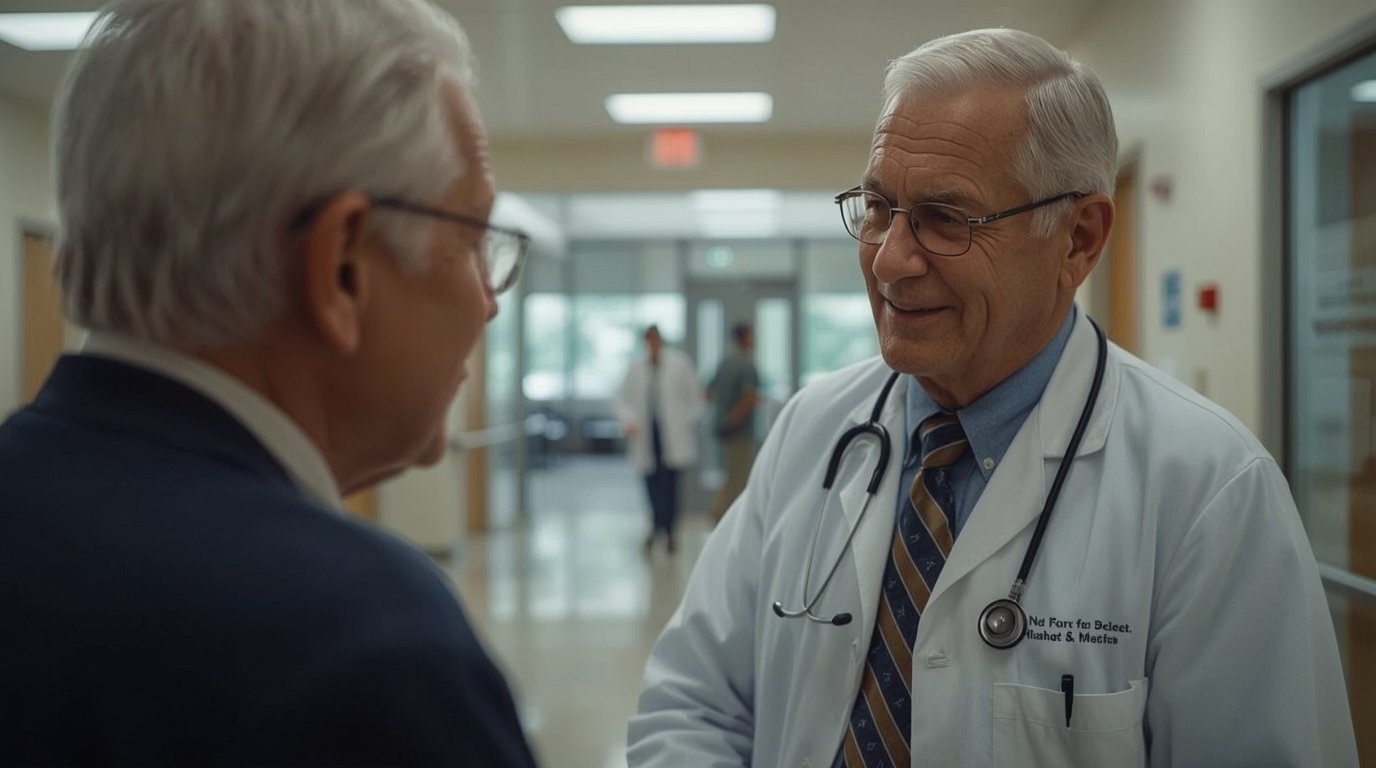
A distinctive feature of the VA healthcare system is its commitment to rehabilitation services. Veterans recovering from injuries or surgeries can participate in rehabilitation programs tailored to improve their functional abilities and facilitate their transition back to everyday life. These programs often include physical therapy, occupational therapy, and speech-language therapy, all designed to assist veterans in achieving their wellness goals.
Mental health services are another vital element of the VA’s healthcare initiative. Recognizing the unique psychological challenges faced by veterans, the VA offers a range of support services, including counseling, group therapy, and access to substance abuse treatment. The emphasis on mental health care is a testament to the VA’s mission to provide holistic support to veterans by promoting their emotional well-being alongside physical health.
The extensive healthcare services provided by the VA highlight the importance of continuous health support for veterans throughout their lives. By maintaining a focus on both physical and emotional health, the VA demonstrates its dedication to improving the overall quality of life for those who have served the nation.
Non-Healthcare Benefits Provided by the VA

The U.S. Department of Veterans Affairs (VA) plays a crucial role in supporting veterans through various non-healthcare benefits that enhance their quality of life. One of the primary offerings is disability compensation, which provides financial assistance to veterans who have been injured or developed illnesses as a result of their military service. This compensation is designed to help veterans manage their daily expenses, ensuring they can maintain a stable lifestyle post-service.
In addition to disability compensation, the VA administers pension benefits for veterans with limited income and resources. This financial aid is particularly structured to support those who may have served during wartime and are now experiencing financial challenges. The pension program is instrumental in providing a safety net for elderly veterans, ensuring they have the means to sustain themselves in their later years.
Vocational rehabilitation is another important service offered by the VA. This program assists veterans with service-related disabilities in transitioning back into the workforce. By offering training, education, and job placement resources, the VA empowers veterans to achieve economic independence and reintegrate into society confidently.
The education assistance program, commonly known as the GI Bill, is a pivotal resource that enables veterans to pursue higher education and vocational training. It covers tuition and fees, and provides a living stipend to eligible veterans, offering them the opportunity for personal and professional growth.
Furthermore, the VA facilitates access to home loans, making it easier for veterans to purchase homes without the need for a down payment. This initiative promotes stability and community integration for veterans and their families. The life insurance program provided by the VA ensures the financial security of service members and their families in the event of a loss, while burial and memorial benefits honor the sacrifices of veterans when the time comes to lay them to rest.
Through these various non-healthcare benefits, the VA significantly impacts veterans’ lives, ensuring they receive the support needed to thrive in civilian life.
The Organizational Structure of the VA
The United States Department of Veterans Affairs (VA) is a complex organization primarily responsible for providing a variety of services to military veterans. The VA is structured into three major administrations, each serving distinct functions to meet the needs of veterans across the nation: the Veterans Health Administration (VHA), the Veterans Benefits Administration (VBA), and the National Cemetery Administration (NCA).
The Veterans Health Administration (VHA) is the largest of the three administrations and operates a vast network of healthcare facilities. These include hospitals, outpatient clinics, and residential care centers. VHA is tasked with delivering high-quality medical care to eligible veterans, including physical and mental health services. In addition to traditional healthcare services, the VHA is also involved in medical research and provides education to healthcare professionals regarding veteran-specific health issues. The administration’s commitment to continuous improvement ensures that veterans receive the best care possible.
The Veterans Benefits Administration (VBA) focuses on providing financial and other forms of assistance to veterans and their families. This includes processing claims for various benefits such as disability compensation, education assistance, and housing loans. Through VBA, veterans can access vital resources that contribute to their well-being and reintegration into civilian life. By ensuring timely and accurate processing of claims, VBA plays a crucial role in the overall support structure for veterans.
Finally, the National Cemetery Administration (NCA) is entrusted with the responsibility of maintaining national cemeteries and providing burial benefits for veterans. This administration ensures that veterans are honored with dignified final resting places, reflecting the gratitude of the nation for their service. The NCA also offers various commemorative services and memorial programs to celebrate the lives of those who have served.
Together, these three administrations create a comprehensive organizational structure within the VA, allowing the department to effectively address the diverse needs of veterans throughout the United States.
The VA’s Fourth Mission: Emergency Response
The U.S. Department of Veterans Affairs (VA) plays a vital role in national emergency preparedness through its fourth mission, which highlights the department’s commitment to not only veterans but also to the general population during significant crises. This mission is predicated on the understanding that, during emergencies, resources and support systems may need to extend beyond traditional veteran care. The VA’s readiness to respond effectively during disasters can significantly impact community resilience and recovery.
When faced with natural disasters, public health emergencies, or other large-scale crises, the VA mobilizes to offer assistance not only to veterans but also to individuals who may require urgent medical services. The framework of the VA’s Emergency Response involves a collaborative approach, integrating the efforts of various local, state, and federal agencies to ensure a comprehensive response. The VA leverages its extensive network of health care facilities and personnel to provide immediate medical attention to those affected, regardless of their military status.
In addition to direct medical care, the VA provides vital support services, including mental health resources and logistical assistance, that are crucial in the aftermath of a disaster. By positioning itself as a key player in national emergency management, the VA enhances its ability to address the emerging medical needs of vulnerable populations. This capability not only underscores the versatility of the VA’s resources but also reinforces the importance of community health initiatives during times of crisis.
The VA’s commitment to this fourth mission demonstrates its adaptive capacity and sets a precedent that highlights the interconnectedness of all citizens’ health, especially during periods of significant disruption. Through its proactive engagement in emergency response, the VA fosters a more resilient society capable of recovering from adverse events more effectively.
Economic Impact of the VA
The U.S. Department of Veterans Affairs (VA) plays a crucial role in the nation’s economy by distributing nearly $135 billion in benefits annually to approximately 6 million veterans and their families. These benefits encompass a wide range of services, including pensions, disability compensation, education benefits, and healthcare. This substantial financial assistance not only supports the well-being of veterans but also significantly contributes to economic activity at local, state, and national levels.
The flow of funds from the VA stimulates various sectors of the economy. By ensuring that veterans receive financial support, the VA helps to uplift their purchasing power, which in turn fosters consumer spending. Veterans and their families utilize these benefits for essentials such as housing, healthcare, and education, generating demand for goods and services. This increased consumption creates a multiplier effect, leading to job creation and economic growth. The economic impact extends beyond the immediate circle of veterans, influencing surrounding communities and local businesses.
Moreover, the VA contributes by offering job training programs and employment services, which help veterans transition successfully into the civilian workforce. These initiatives not only enhance the employability of veterans but also address labor shortages in various industries. By fostering workforce participation, the VA aids in tapping into the unique skills and experiences possessed by veterans, thus providing an economic advantage to employers and enhancing overall productivity.
Overall, the economic implications of the VA’s operations are far-reaching. Beyond merely distributing benefits, the department acts as a catalyst for economic activity and community development. With its commitment to serving veterans, the VA not only uplifts individuals but also reinforces the broader economy, highlighting its integral role in supporting the nation’s socio-economic landscape.
Accessing VA Benefits and Services
Veterans looking to access benefits and services provided by the U.S. Department of Veterans Affairs (VA) must navigate a range of resources designed to assist them. The official VA website, va.gov, serves as a comprehensive portal that allows veterans to explore various benefits, including health care, education, housing, and disability compensation. The site is structured to be user-friendly, featuring an intuitive interface that can help veterans locate the information they need efficiently.
One of the essential steps for veterans is to create a personal account on the VA website. By registering for an account, veterans can apply for benefits, check their application status, and manage their health care and other services in one central location. Additionally, the website offers a wealth of resources, including eligibility criteria, guidance on the application process, and frequently asked questions, ensuring that veterans access pertinent information without difficulty.
Communication is paramount in ensuring veterans receive timely support. Veterans can utilize VA hotlines for immediate assistance; these helplines cater to various needs, including medical inquiries, suicide prevention, and general information about benefits. The availability of these hotlines enhances accessibility, allowing veterans to speak directly with knowledgeable representatives who can help clarify questions and resolve issues regarding their benefits.
Furthermore, community-based organizations and VA regional offices can provide additional support and resources. Veterans are encouraged to reach out to local veterans’ service organizations, which can assist in navigating the VA system and advocate on their behalf. By utilizing these resources effectively, veterans can access the critical benefits and services intended to support their well-being and successful transition back into civilian life.
Leadership and Governance of the VA
The U.S. Department of Veterans Affairs (VA) operates under a sophisticated leadership and governance framework designed to ensure effective service delivery to veterans. At the helm of this structure is the Secretary of Veterans Affairs, a position appointed by the President of the United States and confirmed by the Senate. The Secretary plays a pivotal role in establishing the vision and direction of the VA, overseeing the implementation of its policies, and managing a budget that exceeds $300 billion. This executive leader is directly accountable for the overall operations of the VA, which includes healthcare, benefits, and memorial services for veterans.
Supporting the Secretary is the Deputy Secretary of Veterans Affairs, who assumes a significant role in the daily administrative functions of the department. This position is essential for coordinating the efforts of various VA components and ensuring that the goals set forth by the Secretary are met effectively. The Deputy Secretary plays a vital role in overseeing operations across the VA’s numerous facilities and initiatives, reinforcing the department’s mission to provide high-quality care and assistance to those who have served the nation.
In addition to these top-level roles, the governance of the VA is further strengthened by several assistant secretaries who manage specific areas such as health, benefits, and public affairs. Each assistant secretary brings expertise to their respective domains, and they work collectively to implement strategies that align with the department’s overarching mission. The leadership philosophy at the VA emphasizes collaboration and accountability, ensuring that stakeholders, from veterans to staff members, are actively engaged in the decision-making process.
This structured approach to leadership not only enhances operational efficiency but also reinforces the VA’s commitment to transparency and responsiveness to veterans’ needs, influencing the department’s capacity to deliver on its mission effectively.
The VA’s Commitment to Veterans: A Historical Perspective
The U.S. Department of Veterans Affairs (VA) has a storied history, deeply intertwined with the nation’s commitment to its veterans. The origins of the VA can be traced back to President Abraham Lincoln’s poignant dedication to care for those who had sacrificed for their country. In 1865, just days before his assassination, Lincoln famously stated, “To care for him who shall have borne the battle and for his widow, and his orphan.” This proclamation laid the groundwork for a federally supported system dedicated to the welfare of veterans and their families.
Initially, the responsibility of veteran care fell to the states, but as the need for comprehensive support grew, the federal government established the first VA precursor in 1930, which formally recognized the duty to provide benefits and services to veterans. Throughout history, particularly after major wars such as World War II and the Vietnam War, the role of the VA expanded significantly, reflecting the increasing complexity of veterans’ needs. These expansions included healthcare, educational benefits, and housing assistance, establishing a structured approach to support for service members returning to civilian life.
Moreover, the VA’s mission evolved to address the changing demographics and unique challenges faced by different generations of veterans. In the decades following the Vietnam War, the Department focused on issues such as mental health support, homelessness among veterans, and the effects of exposure to combat-related trauma. This adaptation to various circumstances illustrates the VA’s unwavering commitment to fulfilling Lincoln’s promise—ensuring that those who served receive the care and support they have earned.
This historical perspective reveals not only the foundation of the VA but also highlights how the organization remains dedicated to addressing the needs of veterans across time. As societal norms and expectations evolve, the VA continues to strive towards enhancing the quality of life for all who have donned the uniform, embodying a principle that remains essential to the nation’s identity.
Conclusion: The Ongoing Role of the VA in Supporting Veterans
The U.S. Department of Veterans Affairs (VA) plays a multifaceted role in the lives of veterans and their families, providing essential services that cater to a wide array of needs. From healthcare to education, the VA is dedicated to supporting those who have served in the military, emphasizing its pivotal position in American society. The department’s commitment extends beyond mere policy, as it actively works to improve the quality of life for veterans through a comprehensive network of services designed to address physical, mental, and emotional well-being.
Healthcare services provided by the VA are particularly noteworthy. The department offers a range of medical treatments and mental health resources, ensuring veterans have access to the care they require. This includes specialized programs to address conditions such as post-traumatic stress disorder (PTSD), which is prevalent among former service members. Additionally, the VA has long been a champion of preventive care, aiming to identify health issues before they escalate, thus enhancing the overall health outcomes of its beneficiaries.
Moreover, the VA’s role in administering benefits and educational programs is crucial for veterans’ reintegration into civilian life. Through initiatives such as the GI Bill, the VA facilitates access to higher education and vocational training, empowering veterans to build successful careers. Besides financial assistance, the department also provides invaluable support services that foster community connections and mitigate the challenges faced during transitions.
In summary, the U.S. Department of Veterans Affairs continues to serve as a critical ally for millions of veterans, demonstrating unwavering dedication to their welfare. By addressing healthcare, benefits, and educational needs, the VA reaffirms its commitment to those who have devoted their lives to protecting the nation, thus solidifying its essential role within the fabric of American society.