
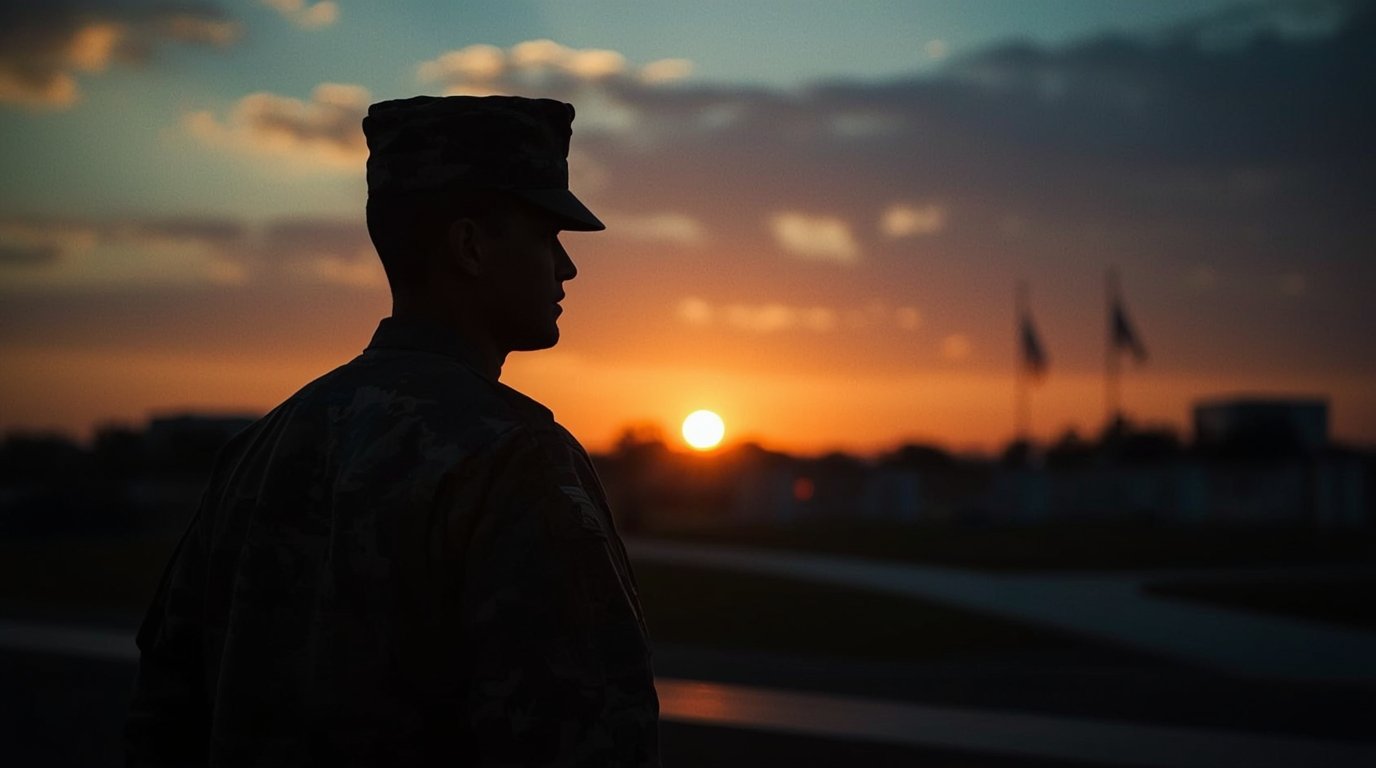
Introduction to Navy SEALs
The Navy SEALs, officially established in 1962, stand as the United States Navy’s premier special operations force, renowned for their versatility and advanced capabilities across various operational domains. The acronym SEAL reflects their proficiency in Sea, Air, and Land operations, encapsulating the extensive training and rigorous requirements that soldiers must complete to earn their esteemed trident insignia. The roots of the Navy SEALs can be traced back to World War II, with the formation of specialized units designed for reconnaissance and sabotage missions, highlighting their significant historical evolution.

for the $3,000 Special Allowance
Integral to U.S. national security, Navy SEALs undertake high-stakes missions that range from direct action operations to covert reconnaissance. Their pivotal role ensures that they are prepared for the complexities of contemporary warfare, which may necessitate engagement in maritime, aerial, and land environments. The Navy SEALs are essential not only in war but also in counter-terrorism efforts, hostage rescues, and humanitarian crises, demonstrating their unwavering commitment and adaptability.
Training to become a Navy SEAL is notoriously arduous, often encapsulated in the phrase “The only easy day was yesterday.” Candidates must complete Basic Underwater Demolition/SEAL (BUD/S) training, which emphasizes physical fitness, mental resilience, and teamwork. This preparation equips SEALs with skills ranging from combat diving to languages and cultural awareness, making them effective operatives in diverse scenarios worldwide.

As a beacon of excellence within the U.S. military structure, the Navy SEALs reflect the United States’ commitment to maintaining peace and stability through extraordinary capabilities and elite training. Their legendary heroes, stories of courage and valor continue to inspire respect and admiration from civilians and military personnel alike.
The Training Regimen: Becoming a SEAL
The journey to becoming a United States Navy SEAL is marked by a rigorous and demanding training regimen known primarily for its intensity and high attrition rate. Candidates undergo a selection process that includes Basic Underwater Demolition/SEAL (BUD/S) training, which is considered one of the toughest military training programs in the world. The training is designed not only to test physical capability but also to assess psychological resilience and mental fortitude.
BUD/S itself spans six months and is divided into several phases, each progressively increasing in complexity. The first phase, which lasts approximately seven weeks, focuses on physical conditioning and introduces candidates to the underwater challenges they will face as SEALs. The physical demands during this phase include running, swimming, and obstacle courses. The intensive workouts are essential in establishing a strong foundation necessary for the rigors of SEAL missions.

A central component of BUD/S training is Hell Week, a grueling period occurring during the second phase of training. Hell Week lasts for five and a half days, during which candidates receive little to no sleep while undergoing a continuous series of physical challenges, including long-distance runs, ocean swims, and team exercises. This stage is pivotal as it tests not only the candidates’ physical limits but also their teamwork and decision-making skills under extreme stress. Many drop out during this phase, unable to cope with the relentless demands placed upon them.
The final phase of BUD/S training focuses on advanced weaponry and small unit tactics. Candidates are trained in various combat scenarios and participate in live-fire training to ensure they are prepared for real-world missions. This comprehensive program amalgamates physical training, survival skills, and the psychological preparation necessary to thrive as a Navy SEAL. The combination of these training elements ultimately shapes candidates into elite warriors, ready to face the challenges that come with their special operations duties.
Operational Capabilities and Missions
The Navy SEALs, renowned for their elite training and operational competencies, engage in a diverse array of missions that showcase their adaptability in various environments. Their primary focus lies in counter-terrorism operations, where they undertake complex missions aimed at eliminating threats to national security. This demonstrates not only their tactical proficiency but also their capacity to work under pressure, often in hostile or unpredictable conditions.

Moreover, the versatility of the Navy SEALs extends beyond direct action roles. They are equally proficient in reconnaissance and intelligence gathering, vital components of modern warfare. These operations often require stealth and precision, allowing SEAL teams to operate in enemy territory without detection. Their training equips them with skills necessary for survival and success in diverse terrains—be it urban settings, dense forests, or open waters.
The SEALs’ operational capabilities are not limited to land missions. Their naval background enables them to conduct maritime operations effectively. This includes direct assaults on enemy vessels, hostage rescues on ships, and various support functions for naval forces. Additionally, their skills in air operations, through the use of helicopters and fixed-wing aircraft, further enhance their tactical options, providing them the ability to deploy rapidly and effectively across vast regions.
Furthermore, the SEALs are trained to collaborate with various agencies and multinational forces, emphasizing their role in joint operations. This flexibility allows them to adapt their tactics to align with differing operational objectives and environments, ultimately ensuring successful mission outcomes regardless of challenges faced. Their comprehensive training regimen and expertise signify a commitment to excellence that defines the Navy SEALs as a formidable force in the spectrum of military operations.
Famous Operations and Historical Impact
The Navy SEALs, renowned for their exceptional training and tactical prowess, have executed numerous high-profile operations that have significantly influenced military strategy and public perception. Among these, the operation targeting Osama bin Laden stands out as a pivotal moment in recent history. Conducted on May 2, 2011, this mission involved a meticulously planned raid on bin Laden’s compound in Abbottabad, Pakistan. The successful elimination of the Al-Qaeda leader not only showcased the SEALs’ expertise but also provided a sense of closure to a nation still reeling from the events of September 11, 2001.
Another notable operation was the 2005 rescue of Captain Phillips from Somali pirates, which highlighted the SEALs’ capabilities in hostage situations. This mission demonstrated the versatility of the Navy SEALs, who are not only engaged in direct combat but also play critical roles in complex negotiation and rescue scenarios. Their ability to adapt to various operational environments has cemented their reputation as one of the premier special operations forces in the world.
Throughout history, SEALs have participated in numerous covert operations, significantly shaping military engagements across the globe. Their contributions to counter-terrorism efforts, particularly in the wake of the Global War on Terror, have transformed the strategic landscape of modern warfare. The SEALs’ effectiveness in high-stakes environments has influenced U.S. military doctrine, pushing for more specialized, rapid-response units capable of addressing emergent threats swiftly.
These operations not only highlight the technical skills and bravery of the Navy SEALs but also serve as a lens through which the American public perceives special operations forces. As these famous missions are covered in media and folklore, the narratives surrounding the Navy SEALs have instilled a sense of pride and admiration within the populace, ultimately shaping the lofty status they hold today.
The Role of Technology in SEAL Operations
The evolution of technology has significantly transformed the operational landscape for Navy SEALs, enhancing their effectiveness in various combat scenarios. Modern warfare requires sophisticated weaponry and support systems that can provide a tactical edge against adversaries. Advanced weaponry, such as precision-guided munitions and unmanned aerial vehicles (UAVs), have become vital in SEAL operations. These technologies allow for precise targeting and minimize collateral damage, which is particularly crucial in sensitive missions.
In addition to weaponry, surveillance equipment plays a critical role in the successful execution of SEAL missions. Advanced reconnaissance systems, including high-resolution cameras and thermal imaging devices, empower teams to gather crucial intelligence on enemy positions without detection. The ability to monitor and analyze real-time data strengthens situational awareness, enabling SEALs to make informed decisions on the battlefield. This capability is essential for pre-mission planning and during operations, where accurate information can change the outcome.
Moreover, communication systems are integral to coordinating complex missions. The advent of encrypted radios and satellite communication has revolutionized how SEAL teams share information. These technologies allow for secure and instantaneous communication, facilitating collaboration among operatives on the ground and command centers located miles away. Enhanced communication ensures that all team members remain aligned and can adapt to evolving situations on the battlefield swiftly.
Ultimately, the integration of technology into SEAL operations illustrates the ongoing shift in modern military strategies. As technology continues to advance, the Navy SEALs will likely adapt to leverage these tools, ensuring they remain at the forefront of special operations. The synergy of advanced weaponry, surveillance systems, and robust communication networks is an essential component in maintaining their elite status in an increasingly complex world of warfare.
Life as a Navy SEAL: Beyond the Training
Life as a Navy SEAL encapsulates a unique blend of rigorous demands and profound camaraderie, extending far beyond the completion of basic training. Once operational, SEALs are tasked with a variety of missions that require high levels of teamwork and trust. The dynamics within a SEAL team are likened to that of a family, where each member plays a crucial role. This cohesive unit relies on open communication, mutual respect, and the capacity to operate seamlessly under pressure. The bonds formed during training and deployment often last a lifetime, serving as psychological support in challenging times.
The lifestyle of a Navy SEAL is marked by significant demands, especially during deployments. SEALs can spend six months or longer away from home, engaged in missions that may range from direct action to intelligence gathering and counter-terrorism operations. The unpredictable nature of deployments necessitates resilience and adaptability, traits that are cultivated during training but continuously developed in the field. The operational tempo can be grueling, and the SEALs must constantly be prepared for mission briefings, physical fitness, and skill updates to meet evolving threats.
Moreover, the psychological effects of such service are notable. While the training prepares SEALs for combat and high-stress situations, the emotional toll can be profound, resulting in challenges such as post-traumatic stress disorder (PTSD). As these service members navigate their duties, the emotional and mental health aspects become imperative components of overall well-being. Training in resiliency and psychological preparedness is essential, as these factors contribute to maintaining operational effectiveness and personal stability.
Through both the camaraderie of their teams and the individual challenges they face, the life of a Navy SEAL reflects a complex reality that is both rewarding and demanding.
The Legacy and Future of the SEAL Teams
The Navy SEALs, renowned for their elite training and formidable capabilities, have played a vital role in safeguarding national security. Their legacy dates back to the establishment of the Navy Combat Demolition Units in World War II and has evolved significantly through the decades. Today, they are a symbol of tactical excellence and resilience in the face of evolving global threats. This adaptability is essential as the SEAL Teams encounter a dynamic operational environment marked by terrorism, cyber warfare, and asymmetric warfare.
As the security landscape shifts, so too has the strategic focus of the Navy SEALs. Contemporary missions require an expansive skill set that encompasses not only traditional combat skills but also technologies such as underwater drones and advanced intelligence gathering. This shift is indicative of their commitment to remaining at the forefront of military readiness. The Navy SEALs are continuously updating their training programs to incorporate these technological advancements, ensuring that operatives are equipped to handle a wide range of scenarios encountered in today’s world.
Looking toward the future, the SEAL Teams face several challenges that demand innovative responses. The rise of non-state actors and the complex geopolitical climate compel them to embrace unconventional methodologies and collaboration with other military branches and agencies. Moreover, as climate change and its geopolitical implications rise on the global agenda, the Navy SEALs are tasked with preparing for missions in diverse environments, from extreme cold to heightened civil unrest in urban settings.
Ultimately, the legacy of the SEAL Teams is one of continuous evolution, marked by triumphs and challenges alike. Their future will hinge on adaptability, encapsulating the essence of the Navy SEALs: to remain a step ahead, ready to confront any challenge while upholding their storied tradition of excellence.
Cultural Representation in Media
The portrayal of Navy SEALs in popular media has significantly shaped public perception and raised awareness regarding their roles and responsibilities. From action-packed films to gripping novels and dramatized television series, these representations have contributed to a distinct cultural image of the elite operatives. Movies such as Zero Dark Thirty and American Sniper have not only captivated audiences but also sparked discussions about military ethics and the complexities of modern warfare, drawing attention to the bravery and skill exemplified by SEALs.
Such narratives often resonate with themes of heroism, sacrifice, and moral ambiguity, which can lead to a romanticized view of military operations. These enticing interpretations, however, can overshadow the realities of Navy SEAL training and the psychological impact of combat. While films accentuate valor and camaraderie, the rigorous discipline, extensive training, and mental resilience required are sometimes eclipsed by the sensational aspects that make great viewing material.
In addition to enhancing public fascination, the representation of Navy SEALs in media plays a crucial role in recruitment efforts. The dramatized accounts of heroism and elite proficiency often appeal to young individuals considering military service. By leveraging these depictions, the military effectively communicates its values and the unique opportunities available, thus attracting a new generation eager to serve. Yet, it is essential to strike a balance between these portrayals and an authentic depiction of the challenges faced by SEALs in real-life situations.
This duality of representation—one that elevates the Navy SEALs to almost mythical status while simultaneously addressing their genuine struggles—illustrates the complexity of their cultural portrayal. Ultimately, while media representations can inspire admiration and interest, they also necessitate a critical evaluation of their accuracy and impact on societal perceptions of military service.
Conclusion: Honoring the Elite Warriors
The Navy SEALs represent a unique segment of the U.S. military, characterized by their unparalleled dedication, rigorous training, and extraordinary capabilities. Their contributions to national security and international stability reflect a commitment that transcends typical military duty. This elite group of warriors is not only tasked with some of the most dangerous missions but also embodies the values of honor, courage, and commitment.
Throughout their storied history, Navy SEALs have significantly impacted various conflicts, employing innovative tactics and techniques that have redefined modern warfare. Their effectiveness in executing high-stakes operations underscores their critical role within the military framework. This influence extends beyond the battlefield, inspiring other military branches and fostering advancements in operational strategies and technologies.
The sacrifices made by Navy SEALs cannot be overstated. Many SEALs have faced profound personal costs, including injuries and loss of life, while undertaking missions vital to U.S. interests. The legacy of these elite warriors is encapsulated in their relentless pursuit of excellence and their unwavering dedication to protecting the freedoms we enjoy. By honoring their service, we acknowledge the challenges they endure and the sacrifices they make as they defend against threats to national security.
In summary, the untold stories of the Navy SEALs reveal a narrative of bravery, resilience, and deep respect for their mission. As we reflect on the unique qualities and contributions of these elite warriors, it becomes evident that the Navy SEALs are not just soldiers; they are symbols of hope and strength for a nation that values freedom and security. Their exemplary service is a testament to what it means to be among the elite in military history.