

Introduction to VA Benefits
The Veterans Affairs (VA) benefits program plays a crucial role in supporting veterans who have sustained service-connected injuries. These benefits are designed to provide essential resources and assistance to help veterans cope with the physical, emotional, and financial challenges that arise from their military service. Understanding the significance of these benefits is vital for veterans as they strive to reintegrate into civilian life.

for the $3,000 Special Allowance
Service-connected injuries can encompass a wide range of health issues, including physical disabilities, mental health conditions, and chronic illnesses that have developed as a result of a veteran’s active duty. The VA recognizes the sacrifices made by service members and aims to ensure that they receive comprehensive care and compensation for their injuries. This commitment reflects the nation’s responsibility to honor its veterans by providing them with the necessary support to lead fulfilling lives.
VA benefits encompass various forms of assistance, including health care services, disability compensation, vocational rehabilitation, and housing support. These resources are essential for veterans as they navigate complex health challenges that often stem from their military experiences. Access to appropriate medical care is crucial for managing service-related conditions and promoting overall well-being, allowing veterans to focus on their recovery and personal growth.

Furthermore, the VA benefits program plays a pivotal role in addressing the unique needs of veterans and ensuring they receive the assistance required for successful reintegration into society. By offering financial compensation, the program not only helps alleviate economic burdens but also fosters a sense of dignity and independence. This support is invaluable in empowering veterans to regain control of their lives and build new futures post-service.
Disability Compensation
Disability compensation represents a crucial benefit provided to veterans who have sustained injuries or health conditions as a direct result of their military service. This financial assistance is designed to support veterans as they navigate the challenges associated with their service-connected disabilities. Essentially, it is a monthly payment that is tax-free, meaning veterans can utilize these funds without the burden of additional taxation. The amount received is primarily based on the severity of the disability, which is determined through a structured evaluation process known as the disability rating.
The disability rating system employs a percentage scale ranging from 0% to 100%, reflecting the degree of impairment caused by the service-connected injury. A higher percentage typically signifies a more significant impact on the veteran’s daily life and ability to work, resulting in increased compensation. Additionally, the number of dependents a veteran has can influence the overall benefit amount. For instance, veterans with larger families or dependents may qualify for higher payments to help cover the costs associated with maintaining their households.
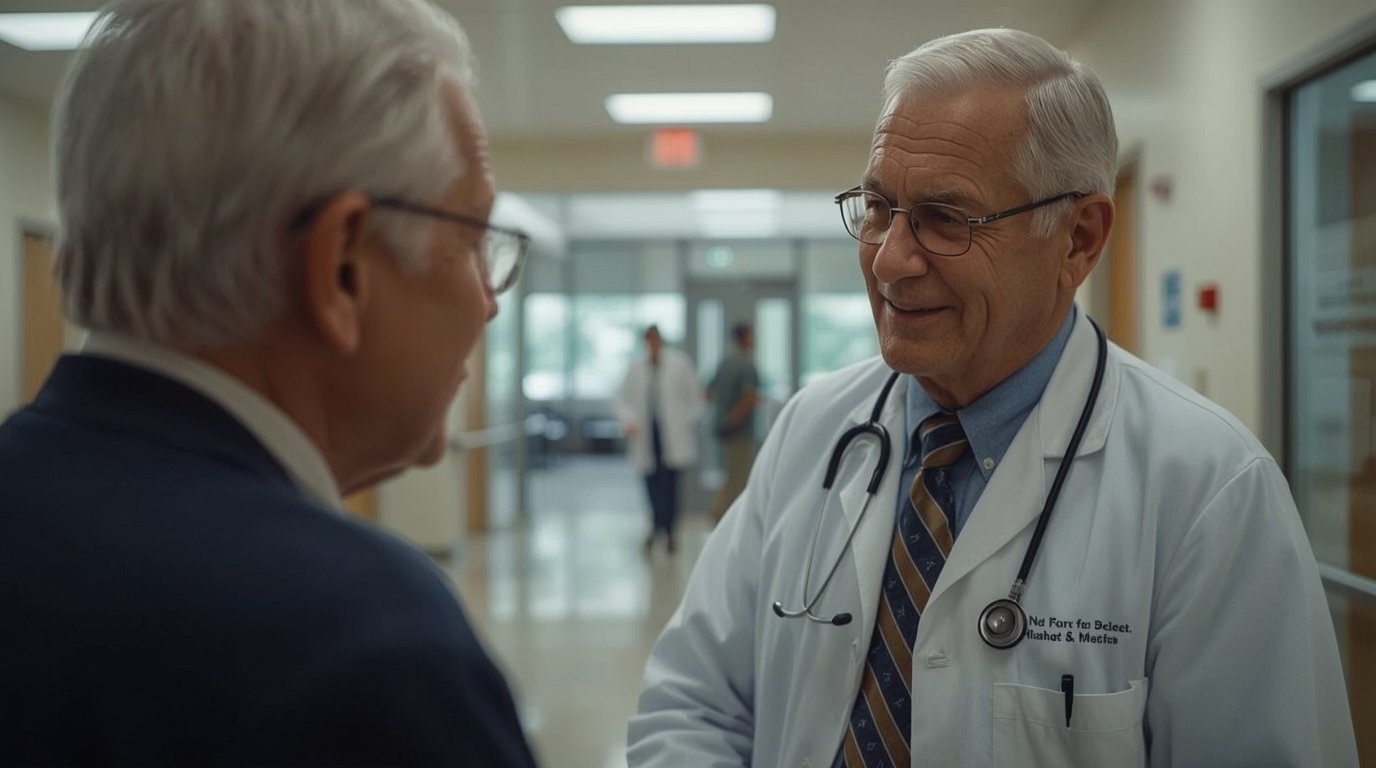
Numerous conditions are eligible for consideration under the disability compensation program. Common examples include, but are not limited to, post-traumatic stress disorder (PTSD), traumatic brain injuries, mobility issues from physical injuries, and chronic pain disorders. Each case is assessed individually, and a variety of medical evidence is taken into account to establish the connection between the veteran’s service and their current health condition. This comprehensive approach ensures that veterans receive the appropriate level of support while addressing the unique circumstances surrounding their service-connected injuries.
Free Treatment for Service-Connected Conditions
Veterans who have been awarded service connection for a disability are entitled to receive free medical treatment for service-connected conditions through the U.S. Department of Veterans Affairs (VA). This vital benefit is designed to facilitate access to healthcare and support the recovery and management of health issues incurred during military service. The provision of free treatment underscores the government’s commitment to caring for veterans and ensuring that they receive the necessary resources to address their specific medical needs.
To access these important benefits, veterans must first establish their eligibility by providing evidence of their service-related injuries. Once service connection is granted, veterans can receive care for their specific conditions at any VA medical facility nationwide. These facilities are equipped to provide comprehensive medical treatment, including regular check-ups, specialty care, and rehabilitation services. Additionally, if a veteran requires treatment that is not available at a VA facility, he or she may seek care from authorized community providers through the VA’s community care program.

This program enhances the ability of veterans to receive timely and effective treatment, reducing wait times and improving access to healthcare services. It is essential for veterans to learn about the procedures involved, including scheduling appointments and understanding any referral requirements to ensure a smooth experience when pursuing medical treatment for their service-connected injuries.
Overall, the provision of free medical treatment for service-connected conditions is a crucial aspect of the benefits available to veterans. It not only alleviates the financial burden associated with healthcare costs but also emphasizes the importance of addressing the unique health challenges faced by those who have bravely served in the military. By utilizing these resources, veterans can better manage their health and enhance their quality of life as they continue their journey in civilian life.
Special Monthly Compensation (SMC)
Special Monthly Compensation (SMC) is a vital component of the VA benefits program specifically designed for veterans who have sustained service-connected injuries leading to certain disabilities. This form of compensation provides additional tax-free financial support to eligible individuals facing significant challenges in daily functioning due to the nature of their disabilities. Understanding the criteria for qualifying for SMC, as well as the types of disabilities that warrant this additional support, is essential for veterans seeking these benefits.
Veterans may be eligible for SMC if they experience a loss of use of one or more limbs. For example, those who have lost a limb to amputation or have suffered severe injuries that impair the functionality of a limb may qualify for this compensation. Furthermore, conditions resulting in paralysis, severe neurological deficits, or other impairments can also be grounds for SMC eligibility. In cases where a veteran needs aid and attendance from another person due to their physical or mental disabilities, they may similarly apply for SMC. This includes disabilities that limit mobility or the ability to perform basic self-care functions.
Moreover, SMC may apply to veterans suffering from certain combinations of service-related conditions, such as those who experience both mental disorders and physical limitations. The program recognizes the compounded effects of multiple disabilities, thereby allowing for a broader interpretation of eligibility criteria. It is crucial for veterans to provide comprehensive medical evidence to support their claims, ensuring that all relevant factors are considered during the evaluation process.
By facilitating access to these additional benefits, the Special Monthly Compensation program aims to enhance the quality of life for veterans grappling with the burdens of service-connected disabilities. Understanding the specific criteria and processes for application can significantly impact a veteran’s ability to secure the support they need.
Individual Unemployability (TDIU)
Veterans who have service-connected injuries that hinder their ability to maintain gainful employment may qualify for a benefit known as Total Disability based on Individual Unemployability (TDIU). This provision enables eligible veterans to receive compensation at the 100% disability rate, even if they do not possess a formal 100% disability rating. It is essential to understand that TDIU is designed for those who are unable to sustain employment due to their service-related conditions.
To qualify for TDIU, veterans must meet certain criteria that reflect the nature and severity of their disabilities. Primarily, the Department of Veterans Affairs (VA) requires that veterans have one service-connected disability rated at 60% or more or have multiple service-connected disabilities with a combined rating of 70% or higher, with at least one disability rated at 40% or more. These thresholds are indicative of how significantly the service-connected injuries impair the individual’s capacity to work.
Furthermore, the evaluation process for TDIU also considers the impact of the veteran’s disabilities on their daily life, particularly their ability to secure and retain a job. Veterans may need to demonstrate that their conditions result in a consistent inability to function in a work environment, including their capability to follow instructions or interact with colleagues effectively. Supporting documentation, such as medical records and employment history, plays a crucial role in substantiating a TDIU claim.
Veterans seeking this form of compensation should be aware that the application process can be intricate, necessitating proper understanding of both eligibility requirements and documentation. Gaining insights into the specific criteria for TDIU can be integral to navigating the complexities of VA benefits effectively. Thus, pursuing assistance from a veterans service organization or a qualified attorney may enhance the chances of a successful claim.
Secondary Service Connection
Secondary service connection benefits are an essential aspect of the Veterans Affairs (VA) benefits system, providing support to veterans whose health conditions are linked to existing service-connected injuries. This concept acknowledges the complex nature of health issues faced by veterans, recognizing that a service-related injury can lead to new or aggravated conditions. For instance, a veteran with a service-connected knee injury may develop osteoarthritis due to changes in mobility and weight distribution, thus warranting secondary service connection benefits for this newly arisen condition.
The significance of secondary service connection benefits is paramount in ensuring comprehensive care for veterans. Many veterans suffer from multiple health issues, and understanding the interplay between these conditions can greatly influence treatment plans and overall health outcomes. By acknowledging secondary conditions, the VA not only aids veterans in receiving necessary medical treatment but also allows them to obtain financial compensation for the additional challenges they face due to their service. The VA employs various tools and methodologies to assess the connection between primary and secondary conditions to ensure equitable access to benefits.
Common examples of secondary conditions often include mental health disorders, such as depression or anxiety, which may arise as a result of coping with chronic pain from service-related injuries. Additionally, veterans with traumatic brain injuries (TBIs) might experience cognitive deficits that are classified as secondary conditions. It is essential for veterans and their advocates to recognize the full spectrum of health issues that may qualify for secondary service connection benefits, as this can lead to improved access to essential healthcare and financial resources.
Survivor Benefits (DIC)
Dependency and Indemnity Compensation (DIC) serves as a significant financial support system for the surviving spouses, children, and dependent parents of veterans whose death resulted from a service-connected injury or illness. This benefit emphasizes the government’s commitment to ensuring that families are supported even after the loss of their loved ones who served in the military. The amount of DIC benefits a survivor can receive varies, and it is usually revised annually, reflecting changes in economic conditions.
To be eligible for DIC, the survivor must meet specific criteria. Primarily, the veteran must have died due to a service-related condition, which necessitates thorough documentation establishing the connection between the veteran’s injury and their subsequent death. Furthermore, the veteran must not have been dishonorably discharged. For surviving spouses, they must have been married to the veteran for a minimum period, typically one year, unless the death was due to a service-related injury. Additionally, unmarried children under the age of 18, as well as those between the ages of 18 and 23 who are attending college, can qualify for DIC benefits as dependents.
The application process for DIC benefits can be complex but is essential for providing financial stability to qualifying survivors. Applications can be submitted online through the Department of Veterans Affairs (VA) website, or through a paper application sent by mail. It is critical for applicants to gather the necessary documentation, including the veteran’s service records, death certificate, and proof of the relationship. Once submitted, the VA reviews the application and determines entitlement based on the provided evidence. Understanding these eligibility requirements and the application process is vital for survivors aiming to secure the benefits they are entitled to under the law.
Other Special Benefits
Veterans with service-connected injuries may qualify for a variety of additional special benefits that aim to enhance their quality of life and support their unique needs. These benefits go beyond the basic compensation and healthcare services, addressing specific challenges that veterans may face. One prominent type of assistance is the allowance for adaptive equipment, which includes devices designed to improve mobility and aid in daily living. Such equipment may encompass wheelchairs, hearing aids, and other specialized tools essential for independence.
Moreover, veterans seeking to purchase vehicles equipped for their disabilities can apply for a vehicle purchase benefit. This program provides financial support to cover the costs associated with acquiring and modifying a vehicle to facilitate transportation. The eligibility criteria for this benefit include proof of a service-connected injury and the necessity for mobility aids. This assistance plays a crucial role in fostering autonomy and ensuring that veterans can navigate their communities effectively.
Post-surgery convalescence benefits are another essential offering. These benefits assist veterans during their recovery phase, covering costs related to necessary accommodations or medical care following surgical procedures relevant to their service-related conditions. This support encourages a smoother transition back to normalcy, reducing the stress associated with recovery.
Dental care is yet another vital area where veterans may access special benefits. Eligible individuals can receive treatment through Veterans Affairs, helping to address oral health issues that may arise due to service-connected conditions. The comprehensive nature of these additional benefits is intended to provide meaningful support and significantly enhance the overall well-being of veterans, enabling them to lead fulfilling lives post-service. These initiatives illustrate the commitment of the Veterans Affairs system to address the complexities and challenges faced by veterans, ensuring they receive the care and assistance they rightfully deserve.
Eligibility Requirements for VA Benefits
Determining eligibility for Veterans Affairs (VA) benefits plays a crucial role in ensuring that service members who have suffered injuries during their active service can access the necessary support. One of the primary prerequisites for eligibility is that the injury must have been incurred or aggravated during active duty. This stipulation emphasizes the need for a clear connection between the service member’s military activities and the resulting injuries. The VA recognizes that military service can expose individuals to various hazards, which may lead to long-term disabilities, thus qualifying them for benefits.
Additionally, it is essential for applicants to have received an honorable discharge or a discharge under conditions that are deemed to be honorable. The discharge status reflects the nature of the service member’s conduct while in the armed forces and its impact on their eligibility for VA benefits. A discharge characterized as dishonorable can significantly limit access to benefits, as it is viewed unfavorably by the VA. Service members with dishonorable discharges are generally not entitled to the same level of benefits as those who have honorably served.
Those who have received other types of discharges, such as general or other-than-honorable, may still have pathways to appeal for benefits, depending on the circumstances of their discharge. It is important for veterans to consult with the VA or a qualified representative to fully understand their eligibility and the nuances that may pertain to their individual cases. By adhering to these requirements and guidelines, service members can navigate the process of applying for VA benefits more effectively, ensuring they receive the assistance they deserve for service-connected injuries.
Consultation and Claim Filing Assistance
Successfully navigating the complexities of the Veterans Affairs (VA) benefits system is crucial for veterans seeking compensation for service-connected injuries. The process involves the filing of claims or appeals, which can often be challenging due to the extensive regulations and documentation required. To enhance the chances of a successful outcome, veterans are encouraged to consult with a VA representative or a qualified veteran disability lawyer. These professionals possess an in-depth understanding of the VA’s policies and can provide tailored advice specific to individual circumstances.
The benefits of seeking professional guidance cannot be overstated. A knowledgeable VA representative or lawyer can assist in gathering necessary documentation, preparing robust claims, and anticipating potential obstacles that may arise during the process. Their expertise is particularly valuable during appeals, where a strategic approach can be critical to overcoming denial of benefits. Furthermore, these professionals can help veterans understand the types of disability benefits available, including monthly compensation and healthcare services, ensuring they receive the full support they are entitled to.
Veterans looking for assistance can find resources through various channels. The VA’s official website offers a directory of accredited organizations and representatives who specialize in helping veterans with their claims. Additionally, many nonprofit organizations are dedicated to supporting veterans, providing free consultations and legal advice. Engaging with these resources not only simplifies the process but also empowers veterans to make informed decisions regarding their claims.
In conclusion, consulting with a VA representative or veteran disability lawyer offers veterans a strategic advantage in successfully securing the benefits they rightfully deserve for service-connected injuries. By leveraging professional expertise, veterans can improve their understanding of the claims process, thus maximizing their opportunities for favorable outcomes in their pursuit of VA benefits.