

Introduction
The topic of veterans’ benefits is of significant importance, reflecting the nation’s commitment to those who have served in the armed forces. However, amid the ongoing discussions, various rumors have surfaced regarding possible cuts to these crucial benefits. The dissemination of inaccurate information can lead to confusion and concern among veterans and their families, impacting their well-being and access to essential resources. Therefore, it is vital to address these misconceptions and provide clarity on the matters at hand.

for the $3,000 Special Allowance
Recently, VA Secretary Doug Collins took the initiative to directly confront these rumors through a video address. This approach not only demonstrates governmental transparency but also underscores the significance of reliable communication from official sources. Secretary Collins’ remarks aim to set the record straight regarding the integrity of veterans’ benefits and alleviate any fears surrounding potential changes. By addressing these claims head-on, he reinforces the commitment to ensuring that veterans continue to receive the support they deserve.
The importance of fostering accurate information cannot be overstated; it serves to empower veterans and their families with the knowledge they need to navigate the complexities of available benefits. At the heart of Collins’ address is an emphasis on the ongoing commitment of the Department of Veterans Affairs to uphold the rights and services provided to those who have dedicated their lives to serving the country. The intention is clear: to maintain a supportive environment for the veterans community by dispelling false narratives and emphasizing reliable information regarding veterans’ benefits.
Context of Rumors

The conversation surrounding veterans’ benefits is often laden with complexity, and, unfortunately, misinformation can proliferate within the veteran community. This phenomenon occurs for various reasons, including the emotional intensity surrounding veterans’ issues, the intricacies of benefits systems, and the rapid dissemination of information through social media platforms. Veterans and their families, who are inherently invested in their entitlements, may find themselves vulnerable to believing unverified claims. Such false narratives can create unnecessary anxiety and conflict among those relying on accurate information to navigate their entitlements.
Notably, the complexities of veterans’ benefits can lead to misunderstandings. For instance, changes in policies, benefit eligibility, or funding can foster a fertile ground for speculation. When individuals are not fully informed or fail to verify information before sharing it, myths may surface and spread swiftly. These rumors often distort the realities of what benefits are available, leading to confusion and frustration. Moreover, many veterans may feel discouraged from seeking assistance if they believe that what they hear is representative of the truth. They may question the reliability of official sources and feel isolated in their experiences.
The consequences of these unsubstantiated claims can be profound. Not only do they affect veterans’ understanding of their benefits, but they can also lead to a broader mistrust of the systems designed to assist them. Families may encourage their loved ones to refrain from seeking support due to fear stoked by incorrect information, thereby inadvertently exacerbating potential hardships. Ultimately, maintaining clear and accurate communication around veterans’ benefits is essential in ensuring that these heroes receive the support they need and deserve. It is crucial for the veteran community to cultivate critical information evaluation skills, encouraging individuals to seek facts from credible sources rather than succumbing to online rumors and hearsay.
Doug Collins’ Video Address
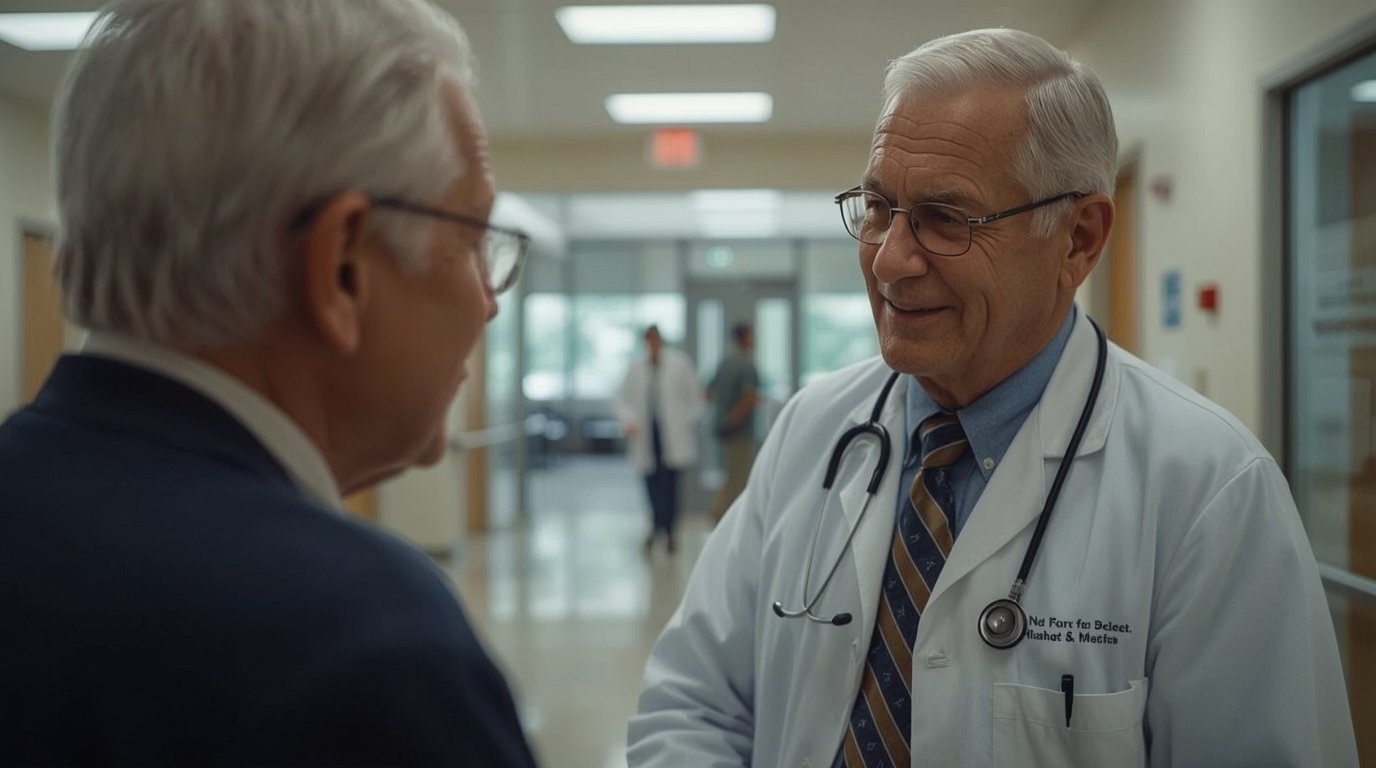
In a recent video address, Secretary Doug Collins sought to clarify widespread misconceptions surrounding veterans’ benefits. His communication aimed to reassure veterans that their benefits are not subject to cuts, a concern that has been fueled by various rumors circulating among the veteran community. Collins emphasized the commitment of the Department of Veterans Affairs (VA) to maintain and even enhance support for veterans, highlighting that any changes in policies would primarily focus on improving the existing benefits rather than diminishing them.
Collins began by acknowledging the anxiety that veterans have expressed regarding the sustainability of their benefits. He stressed that the VA is fully aware of the critical role these benefits play in the lives of millions of veterans and their families. The Secretary underscored his dedication to transparency and open communication, urging veterans to stay informed through official channels to avoid misunderstandings that can arise from unauthorized and false claims.
Furthermore, Collins announced new initiatives aimed at increasing efficiency within the VA, which would ensure that the resources allocated for veterans’ services are utilized effectively. By streamlining processes and enhancing technology, the VA aims to provide a better experience for veterans accessing their benefits. He also mentioned ongoing legislative efforts to secure the funding necessary to uphold and improve the quality of care and assistance provided to veterans.

Throughout his address, Secretary Collins underscored the importance of trust and collaboration between the VA and the veteran community. He encouraged veterans to voice their concerns, suggesting that productive dialogue is essential for the continuous improvement of veterans’ services. By providing clear and accurate information, Collins hopes to dispel fears regarding veterans’ benefits and reaffirm the government’s commitment to those who have served the nation.
Redirection of Funds
Recently, VA Secretary Doug Collins addressed significant rumors regarding the budgetary allocations for veterans’ benefits, specifically highlighting a considerable $98 million shift in funding. This redirection of funds is designed to enhance the care and services offered to veterans, signaling a renewed commitment to their well-being and healthcare provisions. By reallocating these substantial resources, the Department of Veterans Affairs aims to address pressing needs that have emerged within the veteran community.
The intention behind this financial movement is multifaceted. Firstly, it is aimed at bolstering existing healthcare programs that cater directly to veterans, ensuring that they receive timely and quality treatment. Veterans often face unique health challenges related to their service, and the need for specialized medical care cannot be overstated. By directing funds toward these crucial services, the VA is demonstrating a proactive approach to both preventive and reactive healthcare.
Moreover, this funding redirection will enhance mental health services, which are essential in addressing the psychological challenges faced by many veterans. Enhanced access to mental health resources can lead to improved quality of life and can ultimately assist in reducing the rates of veteran suicide, a vital concern within the community. The explicit focus on these vulnerable areas is indicative of a broader strategy aimed at ensuring that veterans are not only acknowledged for their service but also provided with the comprehensive support they deserve.
In doing so, the Department of Veterans Affairs underscores its commitment to veterans, signifying that their healthcare needs are of paramount importance. This strategic financial allocation is expected to have far-reaching implications for veterans’ healthcare, reinforcing the idea that every dollar spent is an investment in the health and welfare of those who have served the nation.
Dispelling Misinformation
In recent discussions pertaining to veterans’ benefits, VA Secretary Doug Collins has underscored the critical need to dispel prevalent misinformation that threatens to mislead veterans and their families. The significance of this claim cannot be overstated, given the complexities surrounding veteran programs and the varying sources of information available to potential beneficiaries. Collins advocates for veterans to be vigilant against unverified claims often circulated on social media and other informal platforms, which can lead to confusion and frustration among those seeking support.
The VA’s array of benefits is designed to offer comprehensive support, encompassing health care, educational assistance, and financial aid to veterans. However, the multitude of options can create an environment ripe for misunderstanding. Many veterans may encounter false narratives regarding eligibility and entitlements, potentially deterring them from accessing the benefits to which they are entitled. Collins encourages veterans to pursue accurate information directly from the Department of Veterans Affairs, emphasizing that the official VA channels are specifically equipped to provide reliable guidance and resources.
Moreover, Collins highlights the importance of fostering a culture of transparency and trust within the veteran community. By encouraging direct communication with the VA, veterans may mitigate the risks associated with misinformation. The VA is dedicated to ensuring that all individuals who have served are well-informed about their rights and available services. Therefore, taking the initiative to consult reputable sources can empower veterans, promote engagement with their benefits, and enhance their overall well-being.
Overall, the focus on dispelling misinformation surrounding veterans’ benefits aligns with Collins’ commitment to ensuring that all veterans receive accurate information and access to the support that they truly deserve. By urging veterans to bypass unreliable sources and engage with the VA, Collins contributes to a more informed and supported veteran community.
Importance of Accurate Communication
Accurate communication is paramount in ensuring that veterans have access to the benefits and services they deserve. The Department of Veterans Affairs (VA) and other veteran-related entities play a crucial role in disseminating information. When these organizations communicate effectively, it not only provides clarity to veterans but also fosters trust within the community. Miscommunication or the spread of false information can lead to increased anxiety and confusion among veterans, deterring them from seeking the assistance they need.
Clear messaging from the VA serves to alleviate the uncertainties that many veterans face regarding their benefits. For instance, when information about eligibility criteria, application processes, or changes in policy is clearly articulated, veterans can make informed decisions with confidence. This clarity is especially important given the complexity of benefits programs, which often involve intricate details that can lead to misconceptions. Thus, accurate communication becomes essential for navigating these complexities.
Furthermore, the role of traditional and digital media in communicating information cannot be understated. The VA must utilize various channels effectively, including social media, public service announcements, and community outreach, to ensure that accurate information reaches all veterans, especially those who may have difficulty accessing traditional forms of communication. By promoting transparency and accountability, the VA can significantly reduce misconceptions and misinformation circulating within veteran communities.
In this modern age, where misinformation can spread rapidly, the necessity for precise communication cannot be overemphasized. The VA’s commitment to clear, accurate, and timely information not only assists veterans but also enshrines their rights and entitlements. As Secretary Doug Collins emphasizes the importance of addressing rumors surrounding veterans’ benefits, it becomes clear that effective communication is a critical component of every veteran’s journey towards receiving the support they deserve.
The Role of the VA in Supporting Veterans
The Department of Veterans Affairs (VA) plays a pivotal role in offering crucial support to veterans, ensuring that they receive the benefits and healthcare they deserve for their service to the nation. The VA is committed to understanding the unique needs of veterans and providing a wide range of services designed to improve their quality of life. This commitment encompasses various programs, including healthcare, education, disability compensation, and housing assistance, all aimed at fostering a smooth transition into civilian life.
At the forefront is the VA’s healthcare system, which comprises a network of hospitals, clinics, and specialized health programs. This extensive system is designed to deliver comprehensive medical services tailored to the specific needs of veterans, including mental health services. Understanding that the experiences of service members can lead to diverse health challenges, the VA has made strides to enhance mental health care availability, reducing barriers for veterans seeking support.
In addition to healthcare, the VA offers critical financial benefits aimed at compensating veterans for service-related injuries or illnesses. Disability compensation, pensions, and education benefits, such as the GI Bill, reflect the government’s dedication to addressing the sacrifices made by veterans. These financial supports not only provide stability but also facilitate access to higher education and vocational training, empowering veterans to succeed in their post-service lives.
Moreover, the VA continuously works towards improving its outreach and communication strategies to ensure veterans are aware of the benefits available to them. Increasing transparency and accessibility of information is an ongoing goal of the department, as the agency recognizes that not all veterans may be informed about their entitlements. Through various initiatives and reforms, the VA aims to create a supportive environment that honors and recognizes the contributions of our veterans.
Veterans’ Responses and Reactions
The recent statements made by VA Secretary Doug Collins have elicited a spectrum of responses from the veteran community and the general public. Many veterans expressed relief that the Secretary chose to address the persistent rumors regarding changes to their benefits. For a long time, uncertainty has created anxiety among those who have served, and Collins’ proactive communication was welcomed by several advocacy groups. Many members of these organizations noted that veteran affairs often suffer from communication gaps, and a direct approach from leadership is essential in maintaining trust.
Conversely, some veterans expressed skepticism regarding the effectiveness of the VA’s messaging. While they appreciated the attempt at transparency, there remains a lingering concern that words may not translate into tangible changes. Veterans frequently highlighted the importance of consistent and comprehensive communication, urging for a definitive roadmap outlining how any future benefit adjustments will be approached. This dialogue underscores the necessity for the VA not just to declare intentions but also to follow-up with actionable steps that reassure veterans of their entitlements.
Moreover, reactions from the public also varied. Many citizens, who do not have a direct connection to the military, expressed confusion over the complexities of veterans’ benefits and the rumors swirling around them. Educational resources were called for to inform the public about how benefits are structured and delivered, thereby reinforcing a more compassionate understanding of the challenges faced by veterans. As discussions continue, it is evident that a collaborative effort is needed between the VA, veterans, and the broader community to ensure that concerns are effectively addressed and understood.
Conclusion and Call to Action
In Secretary Doug Collins’ recent address, he effectively dispelled the prevalent rumors surrounding veterans’ benefits, emphasizing that there are no impending cuts to these essential support systems. The Secretary highlighted the ongoing commitment of the Department of Veterans Affairs (VA) to uphold and enhance the services provided to veterans across the country. He reassured veterans that their benefits remain a top priority for the VA, reflecting the dedication of the government to support individuals who have bravely served in the military.
Throughout his address, Secretary Collins articulated a clear vision of transparency and direct communication between the VA and veterans. It is crucial for veterans and their families to stay informed about any developments regarding their benefits. Engaging with the VA through available channels, such as public forums and community outreach programs, is encouraged. By remaining proactive and involved, veterans can ensure that their voices are heard and that their needs are addressed adequately.
Furthermore, it is vital for the veteran community to advocate for transparency in all communications from the VA. This improves not only the individual experience but also fosters a culture of trust and reliability. The more veterans participate in discussions about their benefits and express concerns, the better the VA can respond to their needs and expectations.
As we conclude, we urge veterans to take an active role in their benefit advocacy and remain vigilant about any updates from the VA. By working together, we can help build a more robust support system for all veterans, protecting their rights and ensuring they receive the services they deserve. The collaboration between veterans and the VA is paramount for a sustainable future of veterans’ benefits.