
Introduction to Veteran Affairs News
Veteran affairs news serves a critical purpose in informing not only veterans but also their families and the general public about issues that impact this significant population. The realm of veteran affairs encompasses a broad spectrum of topics, including healthcare, benefits, and legislative changes, which directly influence the lives of individuals who have served in the armed forces. With the evolving landscape of policies and services, it is essential to stay abreast of the latest developments affecting veterans.

for the $3,000 Special Allowance
The importance of veteran affairs news lies in its role as a conduit for communication between government bodies, military organizations, and the individuals they serve. By accessing current information related to veteran affairs, veterans can better understand their rights and entitlements, which can lead to improved access to necessary services and benefits. This streamlined information flow is particularly vital in dealing with healthcare provisions, where timely updates can significantly affect treatment options and outcomes.
In addition to individual well-being, veteran affairs news can have far-reaching implications for broader societal understanding and legislative advocacy. As public interest in veteran issues rises, informed citizens can participate more effectively in dialogues surrounding policy adaptations and reforms. Such engagement is crucial for fostering an environment that promotes the welfare of veterans, including striving for enhanced mental health support and career transition assistance.

Moreover, by highlighting success stories and challenges faced by veterans, news outlets play an essential role in cultivating awareness and support among the general public. Thus, staying informed about veteran affairs news is imperative not only for those who have served but also for communities that are invested in supporting their welfare.
Current Highlights in Veteran Affairs News
The veteran community has witnessed several significant events in recent weeks that impact services and benefits. Recently, the U.S. Congress passed a bill aimed at improving access to mental health services for veterans. This legislation responds to the ongoing challenges many veterans face in accessing timely care, highlighting the government’s commitment to addressing mental health issues prevalent among this population.
Moreover, the Department of Veterans Affairs (VA) has initiated changes concerning disability compensation for veterans affected by toxic exposure. The proposed policy adjustments are designed to expand eligibility and streamline the application process, ensuring that those harmed by environmental factors during service receive timely and appropriate benefits. This policy update has been a considerable topic of discussion among veterans’ advocacy groups, emphasizing the need for recognition and support for affected individuals.
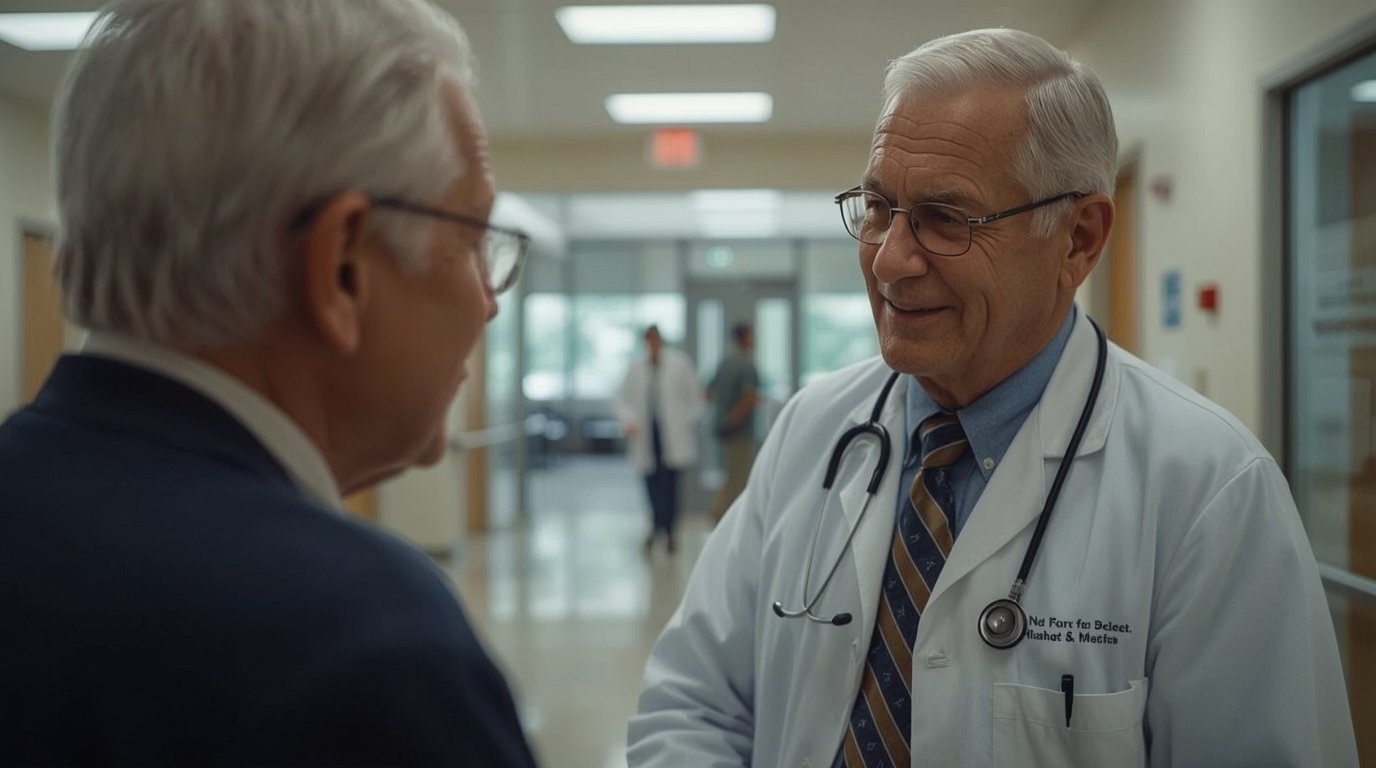
In addition to legislative advancements, recent reports indicate improvements in the wait times for healthcare appointments at VA facilities. National efforts to reduce the backlog of appointments show promising signs, as the VA continues to implement new technologies and processes. These advancements aim to enhance the efficiency of veteran services, allowing for better accessibility to vital health care and resources.
Furthermore, various organizations are actively working to bridge the gap between veterans and employment opportunities. Initiatives aimed at training veterans for in-demand careers have been launched, providing them with the skills needed to transition smoothly into civilian life. The focus on employment helps ensure that veterans are not only recognized for their service but also supported in their post-military careers.
These highlights provide a brief overview of the latest developments in veteran affairs, illustrating ongoing efforts to improve the quality of life for those who have served in the armed forces. Continued engagement with community needs remains essential in driving these initiatives forward.
Analysis of Major Policies Impacting Veterans

The landscape of veteran affairs is continually shaped by legislative changes, which aim to address the unique challenges faced by veterans and their families. Recent developments in policies have sought to enhance the quality of life for veterans by improving access to healthcare, education, and various support services. Understanding these policies is crucial for comprehending their implications on the veteran community.
One significant recent policy change is the expansion of the VA healthcare system, which now accommodates a broader range of veterans, including those who may previously have been ineligible due to income restrictions. This adjustment is essential, as it provides necessary medical care and mental health services that are critical to the well-being of veterans. The importance of timely access to healthcare cannot be overstated, considering the mental health crisis many veterans face, particularly those with PTSD.
Another impactful initiative is the introduction of new educational benefits, such as the expanded eligibility for veterans to access programs under the GI Bill. This policy not only aids in improving the educational outcomes for veterans but also promotes their transition into civilian life, equipping them with valuable skills necessary for today’s job market. By investing in the education of our veterans, the government is fostering a sense of dignity and purpose.
However, it is essential to note that while many policies bring favorable changes, some face criticism regarding their implementation and effectiveness. Veterans and advocacy groups often highlight the challenges in navigating the bureaucracy that can delay access to benefits and services. Therefore, continual review and refinement of these policies are necessary to ensure they genuinely meet the needs of the veteran population.
Veteran Affairs Services and Accessibility
The Department of Veteran Affairs (VA) provides a comprehensive array of services designed to support military veterans. These services encompass healthcare, education, housing assistance, and vocational rehabilitation, aiming to address the diverse needs of veterans who have served the nation. Understanding how accessible these services are is critical, as it directly affects the quality of life of veterans and their families.
Healthcare remains a primary focus of the VA. According to recent statistics, approximately 9 million veterans are enrolled in VA health care programs. While many veterans appreciate the quality of medical services available, challenges in accessibility often arise. Long wait times for appointments and limited availability of specialists can hinder timely access to necessary care, causing frustration amongst veterans seeking assistance.
Moreover, feedback from veterans highlights a disparity in access based on geographic locations. Veterans in rural areas often encounter additional obstacles, such as travel distances to VA facilities and a lack of local healthcare providers familiar with veteran-specific needs. Initiatives like telehealth have been introduced to mitigate these challenges, enabling veterans to receive care from the comfort of their homes, yet, not all veterans are aware of these options or equipped with the necessary technology.
Furthermore, veterans frequently report difficulties in navigating the bureaucracy associated with VA services. The intricacies of applying for benefits, understanding eligibility requirements, and managing claims can be overwhelming. Efforts to simplify these processes, such as providing clearer information and enhancing customer service, are essential in improving overall accessibility.
In summary, while the VA offers vital services to support veterans, accessibility remains a significant concern. Addressing these challenges is essential to ensure that all veterans can effectively utilize the benefits they have earned through their service.
Veteran Health Care News
The realm of veteran health care has witnessed several critical developments recently, reflecting a commitment to improving services for those who served the nation. One significant update includes the expansion of healthcare facilities, aimed at addressing increasing patient demand and improving access to essential services. New clinics and upgraded facilities are being established in various regions, providing veterans with more options for medical consultations and treatments.
Moreover, mental health services have received heightened attention in light of the ongoing challenges veterans face after their service. The Department of Veterans Affairs (VA) has initiated new programs focused on mental health support, including outreach initiatives that aim to destigmatize seeking help. Telehealth services have also been enhanced, allowing veterans to connect with mental health professionals from the comfort of their homes. This shift towards digital platforms ensures that veterans in remote areas can still access critical mental health resources.
In terms of new treatments, innovative therapies for conditions like PTSD and traumatic brain injury are being integrated into veteran care. Recent studies have shown promising results for novel approaches such as mindfulness-based stress reduction and cognitive processing therapy. These are being coupled with traditional treatment methods to create a more comprehensive care strategy that addresses both physical and psychological needs.
Additionally, initiatives that promote preventive health measures are gaining traction. The VA is now focusing on wellness programs that encourage healthy lifestyles among veterans, including fitness resources, nutrition counseling, and regular health screenings. The ongoing commitment to enhancing veteran health care illustrates a concerted effort to provide quality services that meet the unique needs of veterans.
Insights from Veteran Affairs Experts
Understanding the complexities of veteran affairs is crucial for addressing the unique needs of those who have served in the military. Recently, we had the opportunity to interview several experts in the field, including veteran advocates, healthcare providers, and policymakers, each providing valuable perspectives on current issues affecting veterans.
One advocate, a seasoned veteran affairs officer, emphasized the importance of mental health resources for veterans. “Many returning servicemen and women face challenges such as PTSD, which can be exacerbated by a lack of accessible mental health services. It’s vital that we push for more funding to expand these resources,” he stated. This sentiment underlines the growing consensus that mental health care should be prioritized alongside physical health in veteran services.
Another expert, a healthcare provider specializing in veteran care, highlighted the advancements in telehealth services. “Technology has allowed us to reach veterans in remote areas who previously faced barriers to accessing healthcare. It is imperative that we continue to integrate telehealth into our services to ensure comprehensive care for all veterans,” she noted. This shift towards telehealth is seen as a progressive step in improving the overall healthcare experience for veterans.
Policymakers also weigh in on the growing need for comprehensive reforms. A recent interview with a member of Congress showcased the legislative efforts being made to improve the quality of care veterans receive. “We are working diligently on behalf of our veterans to ensure they have access to education, employment, and healthcare services. We owe it to them to provide a support system that acknowledges their sacrifices,” he asserted, reflecting a commitment to addressing systemic challenges.
The insights gathered from these interviews underline the necessity of ongoing discussions surrounding veteran affairs. By integrating various viewpoints, we can better understand the broader implications of current policies and initiatives aimed at improving the lives of veterans.
Community Initiatives Supporting Veterans
Across the United States, numerous community initiatives have emerged to support veterans and their families, addressing various challenges they face after military service. These initiatives encompass a wide range of activities, from nonprofit organizations providing essential services to grassroots movements that rally local communities to take action. Such efforts play a critical role in fostering a sense of belonging and ensuring that veterans have access to necessary resources.
One notable example is the organization “Team Rubicon,” which engages veterans in disaster response and recovery efforts. Founded in 2010 by a group of veterans, Team Rubicon blends the skills and experiences of veterans with first responders to rapidly deploy aid during crises. This initiative not only provides critical support to communities affected by disasters, but it also empowers veterans by creating a platform where they can continue to serve their country in a meaningful way.
Furthermore, local coffee shops, like “The Coffee Connection,” have incorporated veteran-friendly practices into their business models. Through hiring veterans and providing training programs, these establishments support the transition of service members into civilian life, creating a welcoming environment that values their contributions. Such endeavors highlight the importance of community support systems, encouraging veterans to reintegrate successfully while also combating issues such as unemployment and isolation.
In addition to individual organizations, events like “Veterans Day parades” and community fairs have become platforms for raising awareness and fostering connections between veterans and civilians. These events showcase available resources, allow veterans to share their stories, and empower attendees to get involved in local efforts to support the military community. The collective impact of these initiatives emphasizes the importance of community engagement in addressing the unique needs of veterans and ensuring their well-being.
Future Trends in Veteran Affairs
The landscape of veteran affairs is poised for significant transformations shaped by current trends in policies, public perception, and emerging programs designed to support veterans. As society progresses, there are several anticipated changes that could greatly impact veterans’ services.
One notable trend is the increasing integration of digital technology in veteran affairs. This includes the implementation of telehealth services, which have gained prominence, especially following the COVID-19 pandemic. By utilizing online platforms, veterans can access healthcare services remotely, making it easier for those in rural areas or with mobility challenges to receive the care they need. The rise of mobile apps for mental health support and counseling services is also expected to enhance the overall well-being of veterans.
Moreover, there is a growing emphasis on mental health awareness among veterans. With initiatives aimed at reducing stigma and promoting mental health resources, it is likely that new programs will emerge to address the unique challenges faced by veterans. The ongoing adaptation of policies that focus on holistic approaches to veterans’ care could potentially lead to a more supportive environment for mental health treatment.
Additionally, legislative shifts may introduce expanded benefits and resources for veterans transitioning to civilian life. The current administration’s focus on addressing issues such as unemployment and housing instability indicates a trend towards comprehensive support systems. Programs designed to assist veterans in navigating the job market and accessing educational opportunities can lead to a smoother transition and improved quality of life.
As public perception of veterans continues to evolve, advocacy for their rights and benefits is likely to gain momentum. Increased awareness and recognition of the sacrifices made by veterans may result in more robust support from both governmental and non-governmental organizations.
How to Stay Updated on Veteran Affairs News
Staying informed about veteran affairs news is essential for understanding the various programs, benefits, and challenges that veterans face today. In an age where information is readily available, it is crucial to rely on trustworthy news sources. Major news organizations such as NPR, Reuters, and the Associated Press consistently cover veteran-related topics, including policy updates and healthcare advancements. These outlets have dedicated sections or journalists focusing on veteran affairs, ensuring accurate and timely reporting.
In addition to traditional media, social media platforms can serve as vital tools for keeping up with the latest in veteran news. Following organizations such as the Department of Veterans Affairs (VA), Veterans of Foreign Wars (VFW), and AMVETS on platforms like Twitter and Facebook can provide real-time updates and access to community discussions. Subscribing to their feeds helps readers engage with a broader veteran community and gain multiple perspectives on key issues affecting veterans.
Moreover, various veteran organizations and non-profits offer valuable insights and information. The National Veterans Foundation and the Wounded Warrior Project often publish newsletters that highlight critical news, support services, and advocacy efforts on behalf of the veteran population. Signing up for these newsletters ensures that individuals receive direct updates from reputable sources committed to improving the lives of veterans.
Lastly, attending workshops, webinars, or community events organized by veteran advocacy groups can also provide firsthand information about current affairs. These gatherings often feature knowledgeable speakers and experts who address pressing issues and recent developments regarding veteran affairs. By leveraging these resources, individuals can be well informed and prepared to engage in discussions surrounding veteran rights and policies.