
Introduction to Veterans in the VA Workforce
The Department of Veterans Affairs (VA) plays a vital role in providing services and support to the nation’s veterans. As the responsibilities of this organization continue to grow, the significance of veterans within the VA workforce becomes increasingly apparent. Currently, the VA employs a considerable number of veterans, reflecting a strong commitment to hire those who have served in the military. Approximately 30% of VA employees are veterans themselves, illustrating the dedication of the organization to incorporate individuals who possess firsthand experience of military service.

for the $3,000 Special Allowance
The inclusion of veterans in the VA workforce is not only a matter of ethical employment practices but also a strategic advantage for the organization. These employees bring unique perspectives shaped by their experiences in the military, which can enhance the delivery of services such as healthcare and benefits administration to their fellow veterans. The insight gained from military service often translates to improved understanding and empathy in handling the needs of veteran clients, fostering an environment where veterans feel respected and understood.
Moreover, employing veterans helps to create a sense of community within the VA. Shared experiences can cultivate camaraderie and solidarity among the staff, promoting a work culture rooted in mutual respect. As the VA continues to develop its workforce, the presence of veterans within the organization not only enriches the workplace but also strengthens the overall mission of the VA – to serve those who have served the nation. The current statistics signal a significant trend that is likely to evolve as the workforce adapts to new challenges and seeks to improve service delivery by 2025 and beyond.
Current Statistics: Veterans in the VA

As of early 2025, the Department of Veterans Affairs (VA) employs approximately 467,000 individuals, a significant workforce dedicated to providing services to veterans across the United States. Notably, around 25% of these employees, equating to approximately 116,750 individuals, are veterans themselves. This statistic highlights the critical role that veterans play within the VA, not only as beneficiaries of the organization’s services but as integral members of its staffing framework.
The presence of a considerable veteran population within the VA workforce brings valuable expertise and insights derived from personal experiences in military service. These individuals often possess a unique understanding of the complexities faced by fellow veterans, facilitating a more empathetic and informed approach to service delivery. Consequently, this dynamic enriches the VA’s capability to address the diverse needs of its clientele effectively.
Moreover, the representation of veterans in the VA workforce speaks volumes about the organization’s commitment to employing those who have served the nation. This aspect reflects the VA’s strategic aim to create a workplace that resonates with the values and challenges of veteran life, fostering an environment where both employees and veterans seeking assistance can relate to one another on a deeper level.
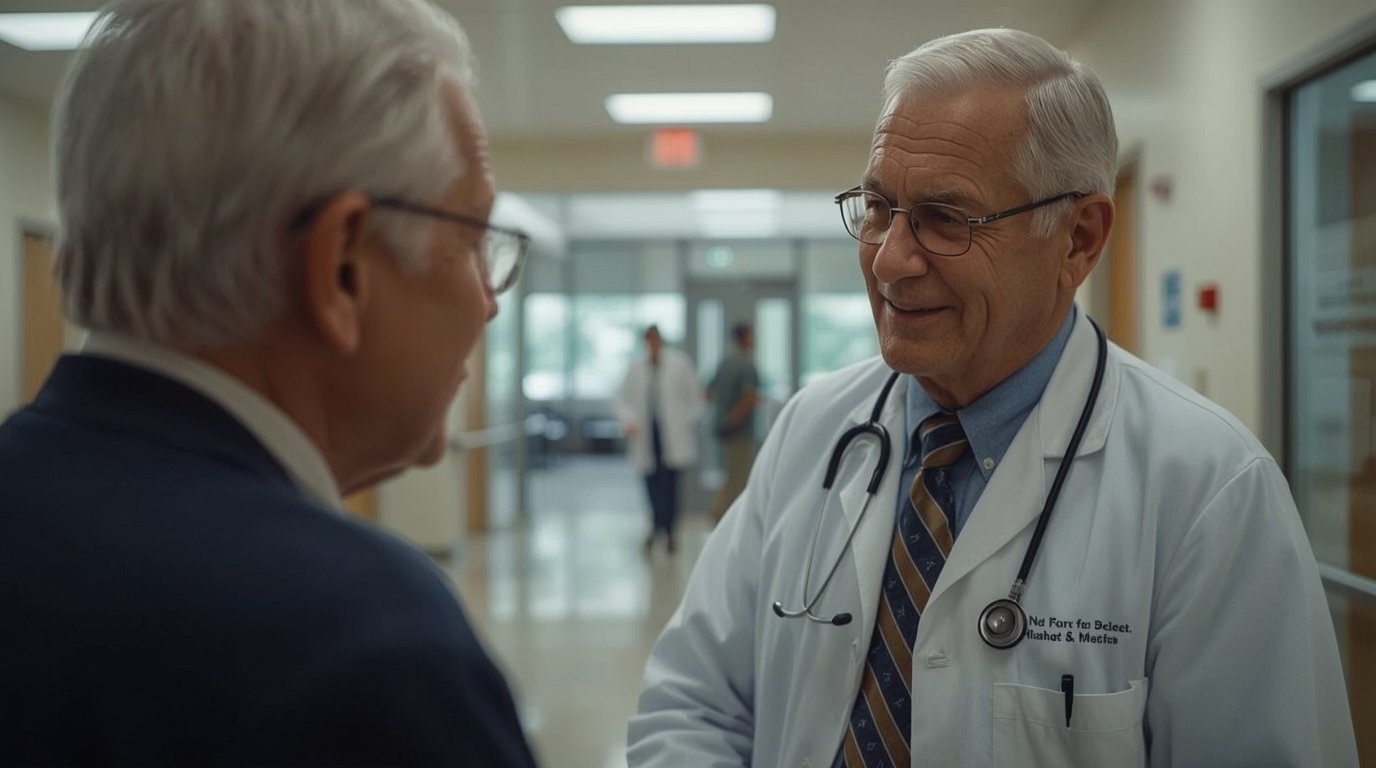
Understanding the statistics surrounding veterans within the VA allows stakeholders to appreciate the impact these individuals have on improving service quality, promoting outreach initiatives, and supporting policy development. By prioritizing veteran employment, the VA not only bolsters its operational efficiency but also reinforces a sense of community and recognition for those who have honored their country through military service. These statistics are pivotal in shaping future hiring strategies and workforce programs aimed at optimizing the integration of veterans within the VA system.
The Importance of Hiring Veterans
Hiring veterans within the Department of Veterans Affairs (VA) is crucial for several reasons, reflecting both the unique skills they possess and their inherent understanding of the agency’s mission. Veterans come equipped with a diverse range of experiences and competencies developed during their service. They often demonstrate qualities such as leadership, discipline, and resilience—traits that are particularly valuable in a work environment committed to serving others, particularly fellow veterans. Moreover, veterans often excel in teamwork and communication, having collaborated under high-pressure situations during their military careers.
Another significant advantage of hiring veterans is their familiarity with the problems and challenges that servicemen and women face upon returning to civilian life. Veterans have firsthand experiences navigating issues related to healthcare, benefits, and reintegration into society. This lived experience not only instills a profound understanding of the VA’s mission but also enhances empathy and a sense of urgency in addressing the needs of other veterans. Such intimate knowledge cultivates an environment where veterans can more effectively advocate for their peers and contribute meaningfully to the development of policies and programs tailored to support them.

Furthermore, integrating veterans into the workforce promotes a culture of mentorship within the VA. Veterans can guide new employees and help them navigate the organization, utilizing their experiences to foster a supportive network aimed at promoting the overall well-being of veterans. By creating a workforce enriched with diverse military backgrounds, the VA can better leverage this collective knowledge to innovate solutions that address the evolving needs of veterans today. Ultimately, hiring veterans is not merely an advantageous choice—it is a necessary investment in enhancing the VA’s capacity to serve those who have served the nation.
VA as a Major Employer of Veterans
The Department of Veterans Affairs (VA) stands as one of the largest employers of veterans within the federal government, reflecting its commitment to hire individuals who have served in the armed forces. This alignment of mission and personnel is significant, as it allows the VA to tap into the unique experiences and skills that veterans bring to the workplace. The agency’s focus on providing quality care and services to veterans lends itself to a workforce composed of those who have personally encountered the challenges faced by their fellow service members.
Veterans often find the VA an appealing career choice due to its deep understanding of military culture and the specific needs of those who have served. The agency offers various roles ranging from healthcare to administrative positions, providing an opportunity for veterans to leverage their military training while transitioning to civilian employment. The commitment of the VA to maintain a diverse and veteran-centric workforce not only enhances its operational efficiency but also significantly improves outcomes in service delivery. By employing veterans, the agency ensures that its staff is equipped to empathize with and advocate for those accessing its services.
Moreover, the VA actively promotes programs designed to facilitate the hiring of veterans, which contributes to the broader goal of reducing unemployment rates among former military personnel. Initiatives such as mentorship programs and career development resources further assist veterans in adapting to the civilian work environment. Through these efforts, the VA not only fulfills its mission of serving veterans but also cultivates a supportive culture that encourages personal and professional growth within the agency.
In essence, the VA’s status as a major employer of veterans solidifies its role in advancing the interests of those who have served, aligning workforce capabilities with the agency’s overarching goals to foster well-being among the veteran community.
Workforce Diversity and the VA
The Department of Veterans Affairs (VA) stands as a pivotal institution within the U.S. government, not only for its role in delivering essential services to veterans but also for its commitment to fostering workforce diversity. The VA employs individuals from various backgrounds, ensuring a comprehensive representation among its workforce. This diversity is particularly significant as it includes veterans who have directly experienced military service and can relate to the unique challenges faced by their peers within the veteran community.
Representation within the VA workforce spans a wide array of job roles, ranging from healthcare professionals, such as doctors and nurses, to administrative staff and mental health specialists. This diversification is crucial as it enhances the VA’s capabilities in addressing the complex needs of veterans. For instance, veterans who serve as healthcare professionals understand the importance of culturally competent care, ensuring that the treatments and services provided are tailored to the military experience.
Moreover, the integration of veterans into the VA’s workforce brings unique insights and perspectives that are invaluable in shaping policies and practices that resonate with the veteran community. These professionals often contribute to a more profound understanding of the lived experiences of veterans, which can lead to improved service delivery and accessibility. Furthermore, the presence of veterans in various roles within the VA can inspire trust among those seeking assistance, as they can rely on shared experiences that foster camaraderie and understanding.
In promoting diversity within its ranks, the VA is not only complying with federal regulations but also advocating for a holistic approach in serving its clientele. By attracting a diverse workforce that includes veterans, the VA is better positioned to respond to the evolving needs of today’s veterans, enhancing its overall effectiveness and commitment to service. This symbiotic relationship between workforce diversity and service delivery embodies the ethos of the VA and underscores its dedication to supporting those who have served the nation.
Challenges Facing the VA Workforce
The Department of Veterans Affairs (VA) workforce encounters a range of challenges that can significantly impact its operational effectiveness and the quality of services delivered to veterans. One of the primary obstacles is budget cuts, which have become increasingly common due to broader economic constraints and shifting government priorities. These reductions often lead to diminished resources for programs aimed at both hiring veterans and offering essential services to those in need.
Budget cuts can result in hiring freezes that negatively affect veteran employment within the VA. Such freezes can be detrimental not only to the veterans seeking employment but also to the overall mission of the VA, as a steady influx of skilled individuals is vital for maintaining workforce efficiency. The VA has traditionally been an employer of choice for many veterans, offering a unique opportunity to leverage their skills and experiences. However, workforce reductions hinder this process and can create vacancies that remain unfilled for extended periods, leading to increased workloads for existing employees and potential burnout.
In addition to budgetary constraints, the VA workforce faces operational challenges stemming from the evolving nature of veteran needs. With a diverse population of veterans, including those who have served in combat zones and others who may require specialized care, the VA must be adequately staffed to address varying requirements effectively. Any significant cuts to the workforce can compromise the department’s ability to provide timely and appropriate care, ultimately impacting the health and well-being of veterans.
Moreover, the issue of employee retention can exacerbate these challenges. The combination of heightened workloads and a potentially diminished workforce may lead to dissatisfaction among current employees, prompting some to seek employment opportunities elsewhere. In a sector where continuity and expertise are crucial for delivering quality services, these challenges necessitate careful consideration and strategic planning to ensure that the VA can maintain a capable and effective workforce by 2025 and beyond.
Support Programs for Veteran Employees
The Department of Veterans Affairs (VA) is committed to creating an inclusive environment for veteran employees, recognizing the unique skills and experiences they bring to the workforce. In light of this commitment, the VA has implemented various support programs aimed at facilitating the successful transition of veterans into civilian roles, while also enhancing their career development opportunities. These initiatives are designed to empower veterans, providing the necessary resources to thrive within the agency.
One notable program is the VA’s Employee Resource Groups (ERGs), which provide a platform for veteran employees to connect, share experiences, and seek guidance from their peers. These groups foster networking and mentorship, helping veterans navigate their new roles and encouraging professional growth. In addition to community-building, the ERGs serve as a channel for the identification of challenges faced by veteran employees, thereby informing the development of additional supportive measures.
Moreover, the VA offers specialized training programs that focus on skill enhancement and career advancement. These training opportunities often leverage existing expertise within the agency, allowing veteran employees to learn from seasoned professionals. The trainings cover a variety of subjects, including leadership development, project management, and healthcare administration, equipping veterans with the knowledge necessary to excel in their chosen fields. Furthermore, the VA collaborates with external organizations to provide veterans with access to workshops and seminars that emphasize relevant industry qualifications and certifications.
Another essential aspect of the VA’s support for veteran employees is the career counseling services available. These services include individualized assessments to help veterans identify their career goals and strategize the steps required to achieve them. By facilitating assistance in resume writing, interview preparation, and job search techniques, the VA ensures that veterans are well-prepared for a successful transition into civilian employment. Overall, these programs exemplify the VA’s commitment to supporting its veteran workforce, ultimately enhancing both job satisfaction and employee retention rates.
Future Projections: Employment Trends of Veterans
The evolving landscape of the Department of Veterans Affairs (VA) provides a unique context for understanding future employment trends among veterans. Projections indicate a dynamic shift in the percentage of veterans within the workforce, influenced by various factors, including legislative changes, public perception, and the operational requirements of the agency itself.
Legislative initiatives aimed at enhancing the employment of veterans are expected to significantly shape their presence in the VA workforce by 2025. Recent bills advocating for increased hiring of veterans within federal agencies, including the VA, emphasize the value of military experience in providing high-quality care to veterans. Such measures may result in enhanced training programs tailored specifically for veterans, facilitating their transition into civil service roles within the VA.
Public perception plays an equally crucial role in driving veteran employment trends. As society increasingly recognizes the contributions of veterans, particularly in healthcare and public service roles, there is a growing commitment to support their workforce integration. Initiatives aimed at destigmatizing mental health challenges and promoting the unique skills veterans bring to the workforce are likely to bolster their employment rates within the VA.
Moreover, the evolving needs of the Department of Veterans Affairs will significantly influence veterans’ employment trends. As the VA faces increased demand for services, driven by an aging veteran population and rising mental health care needs, the agency must adapt its workforce accordingly. Employing veterans who possess specialized training in areas such as healthcare and counseling will become critical to effectively addressing these challenges, thereby enhancing the overall service delivery to the veteran community.
In conclusion, the future employment trends of veterans within the Department of Veterans Affairs will be shaped by a confluence of legislative support, changing societal attitudes, and the agency’s operational demands. The integration of these factors is likely to foster a more substantial, diverse, and capable veteran workforce by 2025.
Conclusion: The Ongoing Impact of Veterans in the VA
In reviewing the vital contributions of veterans within the Department of Veterans Affairs (VA), it becomes abundantly clear that their presence is both significant and transformative. Veterans bring with them a wealth of experience, knowledge, and a unique perspective that enriches the VA’s operational capabilities. The skills honed during military service, such as leadership, discipline, and strategic problem-solving, empower veteran employees to navigate the complexities of the VA’s mission effectively. This enhances not only the quality of services offered to fellow veterans but also promotes a collaborative atmosphere conducive to organizational growth.
Furthermore, the integration of veterans into the VA workforce underscores the agency’s commitment to embodying the values it upholds. By employing veterans, the VA not only fulfills its mandate of serving those who have served the nation but also promotes an inclusive workplace that values diversity and equity. This commitment is essential in addressing the varied needs of the veteran population, ultimately reinforcing the VA’s capability to provide comprehensive and tailored support.
Moving forward, it is imperative that the VA continues to recognize and harness the unique attributes and perspectives that veteran employees bring to the table. This requires a dedicated effort to foster an inclusive environment that encourages professional development, collaboration, and innovation. By doing so, the VA not only strengthens its own workforce but also enhances its service delivery, ensuring that veterans receive the highest level of care and support. The ongoing impact of veterans in the VA is a testament to their resilience and commitment, reflecting a shared mission of service and excellence as the agency strives for continued improvement through 2025 and beyond.