
Introduction to Holistic Health in the VA
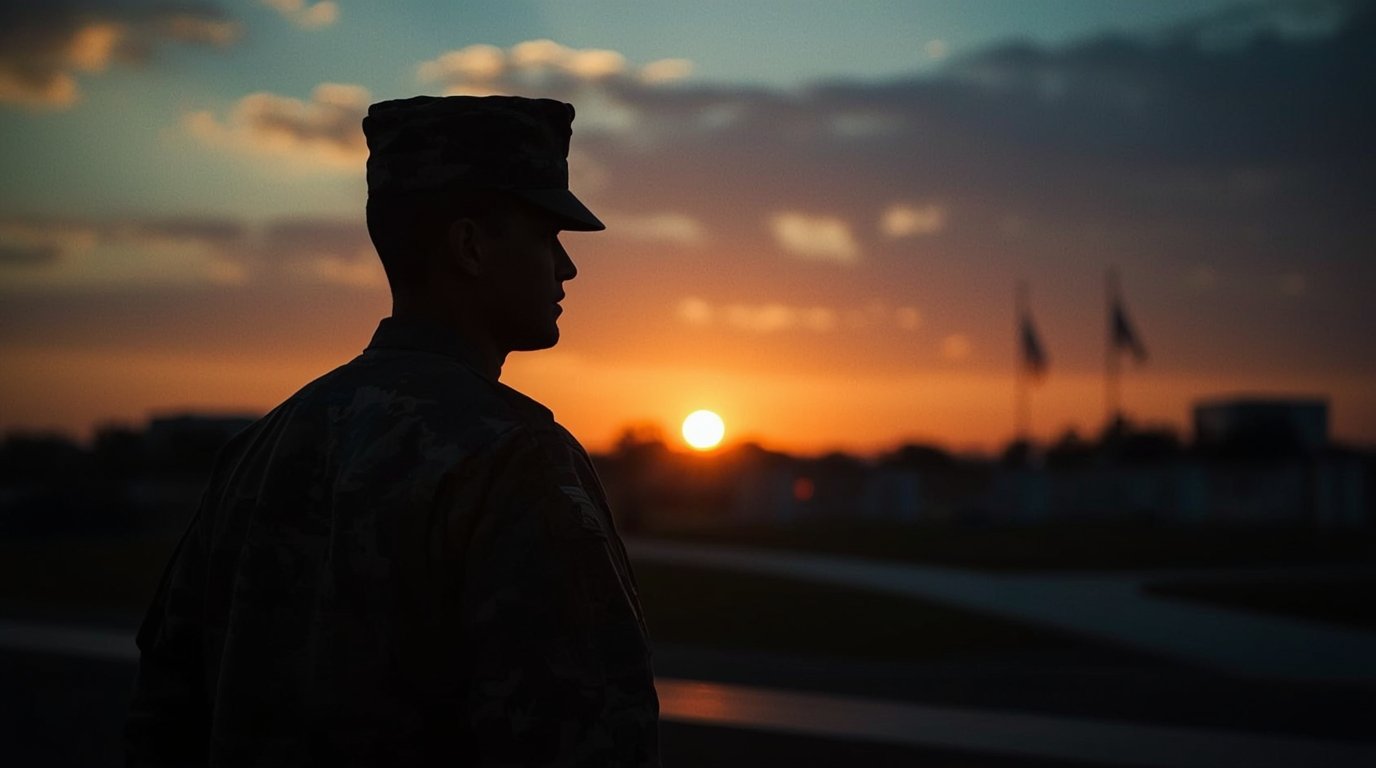
Holistic health represents a paradigm shift within the Veterans Affairs (VA) system, prioritizing a comprehensive approach to well-being that transcends the traditional confines of medical benefits. This approach integrates physical, mental, and social aspects of health, acknowledging that a veteran’s overall well-being involves much more than just the treatment of physical ailments. By focusing on holistic health, the VA aims to foster a balanced lifestyle that supports the growth and resilience of veterans in multiple dimensions.

for the $3,000 Special Allowance
The traditional benefits model often emphasizes direct medical interventions, which can lead to a compartmentalized view of health. However, the VA recognizes that veterans are unique individuals whose experiences require a broader understanding of health. Physical injuries are frequently accompanied by psychological trauma, social disconnection, and emotional challenges. Holistic health encourages a synergy among these elements, understanding that each facet is interconnected and crucial for overall recovery and flourishing.
Moreover, this integrated strategy allows the VA to offer more personalized care plans that cater to each veteran’s specific needs. The focus on holistic health facilitates access to various services, including mental health counseling, community-building activities, and physical wellness programs. Such comprehensive care not only aims to alleviate immediate concerns but also fosters long-term wellness, enhancing veterans’ quality of life and future prospects. As the VA navigates the complexities of veterans’ health, this holistic approach encourages a system that is responsive to the whole person rather than solely addressing isolated symptoms.

In embracing holistic health, the VA sets a foundation for a modern and forward-looking approach, reshaping expectations about how veterans are supported in their journeys towards optimal health and reintegration into society. This commitment underscores the importance of viewing health through a holistic lens, one that encapsulates the full spectrum of veteran experiences.
Understanding Traditional Benefits
Traditional benefits provided by the U.S. Department of Veterans Affairs (VA) encompass a wide array of services aimed at supporting veterans during their post-service lives. These benefits primarily include medical care, financial assistance, and disability compensation, each intended to address specific aspects of a veteran’s needs. Medical care typically involves access to health services through VA facilities, including primary and specialty care, surgeries, and mental health services. The intention is to ensure that veterans receive the treatment necessary for both physical and psychological wounds incurred during their service.
Financial assistance is another vital component, which may aid veterans facing economic hardships. This assistance can come in the form of pensions for low-income veterans, housing assistance, and employment programs. Such financial benefits are crucial in providing veterans with the necessary resources to lead stable lives, but they often fall short of addressing the holistic aspects of well-being.
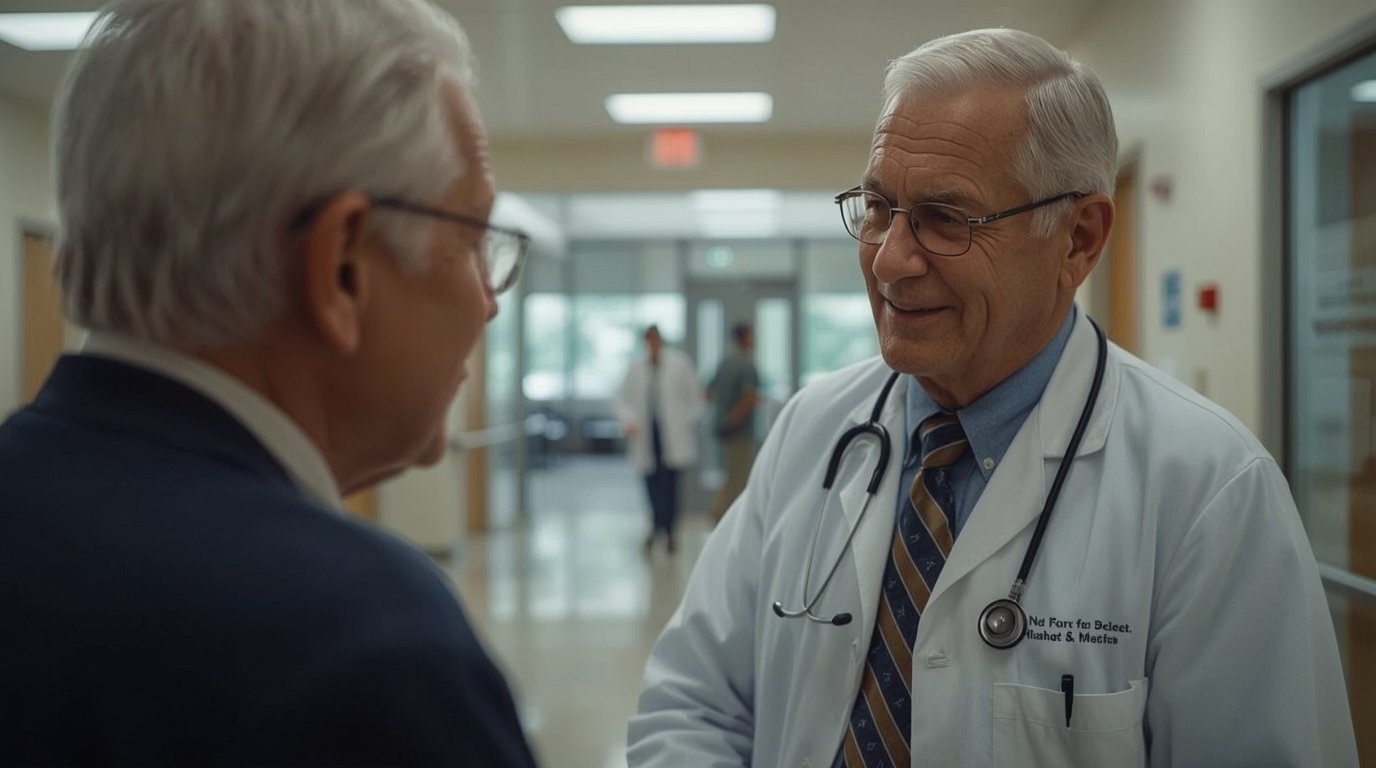
Disability compensation is designed to offer financial support to veterans who have suffered service-connected disabilities. While this benefit plays a critical role in helping veterans cope with economic challenges resulting from their injuries, it might not fully encompass their broader health and wellness needs. For instance, traditional benefits often focus on treating specific ailments, which can lead to fragmented care that overlooks lifestyle factors, emotional support, and preventive measures that promote long-term health.
Despite their importance, these traditional VA benefits present limitations in their capacity to meet the comprehensive needs of veterans. They frequently address isolated issues without considering the entirety of a veteran’s physical, mental, and social well-being. Therefore, there is an emerging recognition within the VA of the need to prioritize holistic health paradigms that embrace a more integrated approach to veterans’ care and support.
The Rise of Holistic Health Approaches
In recent years, the concept of holistic health has gained significant traction within the healthcare sector, particularly in organizations such as the Department of Veterans Affairs (VA). This shift towards a more comprehensive approach can be attributed to several factors that have reshaped our understanding of health and well-being. Traditional healthcare systems have historically focused primarily on physical ailments, often overlooking the critical role of mental health and emotional well-being. However, as awareness surrounding the complexities of both mental and physical health has increased, so too has the recognition that effective treatment requires a more integrative perspective.

The rise of holistic health approaches has been particularly pronounced as healthcare providers have begun to understand the intricate connection between body and mind. Research has illustrated that mental health issues, such as PTSD and anxiety, are prevalent among veterans, often exacerbating physical conditions. Consequently, the VA has increasingly prioritized programs that address these interconnected health concerns by adopting holistic practices, including mindfulness-based therapy, yoga, and other complementary therapies.
This evolution in treatment methodologies also reflects a broader societal trend towards prioritizing mental health, driven by changing perceptions and decreasing stigma surrounding mental illness. The growing body of evidence supporting the efficacy of holistic approaches in treating various health issues has led to an increased demand for services that go beyond conventional medical care. Furthermore, as veterans navigate the complexities of reintegration into civilian life, holistic health practices are embraced as a means to enhance their overall quality of life. The VA’s commitment to these approaches underscores their recognition of each veteran as a unique individual with distinct needs, thereby emphasizing the importance of personalized, comprehensive care.
Benefits of Holistic Health for Veterans
Holistic health approaches encompass a comprehensive view of well-being that addresses not only the physical aspects of health but also mental, emotional, and social dimensions. For veterans, adopting a holistic health model can translate into significant advantages, particularly with regard to mental health outcomes. Given the unique challenges faced by veterans, such as post-traumatic stress disorder (PTSD) and depression, holistic practices, which may include mindfulness, yoga, or community engagement, offer effective avenues for managing symptoms and improving emotional resilience.
Another significant benefit of holistic health for veterans is the enhancement of overall quality of life. Traditional healthcare models often focus on treating specific symptoms or conditions in isolation, whereas holistic health emphasizes the interconnectedness of various life aspects. By promoting approaches that encourage physical activity, proper nutrition, and social interaction, veterans can experience improvements in their daily functioning, satisfaction with life, and personal relationships. This integrated framework encourages veterans to take charge of their health and fosters a sense of empowerment.
Moreover, holistic health promotes self-care strategies that play a vital role in sustaining long-term well-being. Veterans are often encouraged to engage in practices that cultivate self-awareness, emotional expression, and stress relief. Such strategies not only contribute to immediate health benefits but also instill lifelong habits that enhance resilience and adaptability. By reinforcing the importance of tending to one’s needs holistically, veterans are better equipped to navigate the complexities of their lives post-service.
Ultimately, the implementation of a holistic health model offers veterans the tools needed to pursue personal wellness actively. In turn, these practices can lead to improved mental health outcomes, a higher quality of life, and a stronger foundation for self-care. This multifaceted approach recognizes the unique experiences of veterans and fosters a pathway toward a more fulfilling and healthier future.
Case Studies and Success Stories
The emphasis of the Veterans Affairs (VA) system on holistic health has brought about numerous success stories, showcasing the tangible benefits of integrating alternative therapies with traditional medical practices. One such case is that of a veteran struggling with post-traumatic stress disorder (PTSD) who participated in a mindfulness-based stress reduction program. This program utilized meditation, yoga, and relaxation techniques, enabling the veteran to manage anxiety and reduce the frequency of panic attacks. As a result, the participant reported increased emotional regulation and an enhanced sense of well-being, highlighting the effectiveness of holistic approaches in mental health care.
Another compelling example involves a veteran dealing with chronic pain stemming from service-related injuries. Instead of solely relying on prescription medications, this individual engaged in a VA-sponsored acupuncture program. Over a period of weeks, the acupuncture sessions not only alleviated the pain but also improved the veteran’s quality of life, allowing for increased physical activity and social interaction. This case demonstrates how alternative therapies can complement traditional treatment methods, leading to substantial improvements in veterans’ overall health and functionality.
In addition, the VA has successfully implemented equine therapy programs aimed at helping veterans reintegrate into civilian life. A case study focusing on a group of veterans revealed that interactions with horses fostered emotional connections and facilitated personal growth. Participants reported reduced feelings of isolation and a greater ability to communicate feelings and experiences, which are often challenging for veterans. These stories not only exemplify the potential of holistic healthcare techniques but also reinforce the VA’s commitment to finding comprehensive solutions tailored to the diverse needs of veterans.
Challenges Facing Holistic Health Implementation
Implementing holistic health practices within the Veterans Affairs (VA) system presents several challenges and barriers that must be addressed to ensure effective adoption. One primary issue is the misunderstanding surrounding holistic health itself. Many healthcare providers, administrators, and veterans may have limited knowledge of what holistic health encompasses, leading to skepticism or denial about its efficacy. This lack of understanding can result in resistance to integrating holistic methods alongside traditional healthcare practices.
Another significant challenge is funding. Holistic health initiatives may often compete with existing traditional benefits for financial resources. The shifting of funds towards holistic approaches necessitates clear evidence of their effectiveness and efficiency, which can be difficult to establish within a system primarily focused on evidence-based traditional medicine. As such, financial constraints may hinder the growth and availability of holistic health services within the VA.
Moreover, ensuring that healthcare providers are adequately trained in holistic health practices poses another considerable barrier. There is a need for educational programs that can equip VA staff with the knowledge and skills required to implement holistic methods effectively. Healthcare professionals must be comfortable and proficient in alternative therapies, integrative health models, and the overall philosophy of holistic care to provide comprehensive services to veterans. Inadequate training can lead to inconsistent application of holistic health practices, undermining their potential benefits.
Lastly, achieving buy-in from all stakeholders involved, including veterans themselves, can be a formidable challenge. Veterans may have established preferences for traditional medical treatments due to their past experiences, making it essential to demonstrate the value of holistic alternatives through successful pilot programs and peer testimonials. Overcoming these hurdles is vital to ensure that holistic health practices can be effectively ingrained within the VA healthcare system for the betterment of veteran care.
Comparative Analysis: Holistic Health vs. Traditional Benefits
In recent years, there has been a significant shift in how veteran care is approached, particularly concerning the juxtaposition of holistic health and traditional benefits. Traditional benefits often focus solely on medical treatments and direct financial support, encompassing services such as healthcare, disability compensation, and pensions. The primary aim of these benefits is to address specific physical or psychological conditions through conventional medical interventions. While these services are crucial, they may sometimes fail to consider the complete spectrum of a veteran’s wellbeing, including emotional, psychological, and social aspects.
In contrast, holistic health emphasizes a comprehensive approach that seeks to address the whole person rather than just isolated symptoms or conditions. This methodology incorporates not only medical care but also mental health services, stress management techniques, nutrition, exercise, and community support. Holistic health practitioners believe that well-being is influenced by various factors, including lifestyle choices, emotional health, and social connections, which are critical in fostering a sustainable and balanced life.
When examining the effectiveness of these two models, it becomes evident that traditional methods may fall short, particularly in supporting veterans with complex needs such as PTSD or chronic pain conditions. Such issues often require more than just medication and financial support; they require an integrative approach that promotes lifelong wellness. Holistic health methods provide tools and strategies for coping, fostering resilience, and enhancing overall quality of life, which is often lacking in traditional benefits.
By understanding the limitations posed by conventional systems and recognizing the comprehensive nature of holistic health, it becomes clear why many veterans express a preference for more integrative strategies. As the VA continues to prioritize holistic health over traditional benefits, it signals an important evolution in veteran care, aiming for improved outcomes and satisfaction among those who have served the nation.
Future Directions for VA Health Services
The Department of Veterans Affairs (VA) is actively transforming its health services to prioritize holistic health methods over traditional paradigms. By recognizing the multifaceted challenges veterans face, the VA is paving the way for innovative approaches that integrate mental, physical, and emotional support. This initiative aims not only to improve immediate medical outcomes but also to foster long-term well-being among veteran populations.
One of the prospective trends in the VA’s holistic health approach involves expanding access to complementary therapies. As part of this effort, the VA is progressively integrating practices such as acupuncture, yoga, and mindfulness training into their standard care protocols. These modalities have shown promise in enhancing stress management, pain relief, and overall mental health. By incorporating such services, the VA is acknowledging the importance of a balanced approach to health that encompasses more than just biological factors.
Additionally, the VA is focusing on developing interdisciplinary care teams that include specialists in holistic health practices. This approach allows veterans to receive comprehensive treatment tailored to their unique needs. This collaborative model not only improves communication between healthcare providers but also ensures that holistic methods are seamlessly woven into the overall care strategy for veterans.
Furthermore, the VA is implementing educational programs aimed at both healthcare providers and veterans themselves, highlighting the benefits of holistic health strategies. By promoting awareness and understanding of these practices, the VA aims to foster a culture of health that prioritizes prevention and wellness alongside traditional medical interventions.
In conclusion, the future directions of VA health services reflect a commitment to embracing holistic health approaches. By expanding offerings, integrating care models, and providing educational resources, the VA is poised to significantly enhance the support it offers to veterans, ensuring a more comprehensive pathway to health and wellness.
Conclusion: Embracing a Holistic Mindset
In recent years, the Veterans Affairs (VA) has made significant strides in prioritizing holistic health over traditional benefits. This shift reflects a growing understanding that veteran care should encompass not just physical ailments, but also emotional and mental well-being. By reorienting their focus to a more integrative health care model, the VA acknowledges that true health is a multi-dimensional experience that can significantly improve quality of life for veterans.
The transition toward holistic health encompasses several crucial elements. Firstly, it recognizes the interconnection between mental and physical health, advocating for treatments that address the whole person rather than merely individual symptoms. Additionally, it emphasizes preventative measures and alternative therapies, such as mindfulness practices and nutritional support. By adopting a holistic approach, the VA not only aids in the healing process but also empowers veterans to take an active role in their health care journey.
Moreover, the integration of holistic health practices has proven beneficial in managing chronic conditions, reducing stress, and enhancing overall mental resilience among veterans. This comprehensive view of healthcare leads to an increase in satisfaction, engagement, and improved outcomes for those who have served our nation. The emphasis on holistic well-being also extends to family support and community involvement, forming a broader safety net that nurtures veterans as they navigate their post-service lives.
As stakeholders in the VA system continue to reevaluate their practices and policies, it is paramount to embrace this holistic mindset fully. Advocates, healthcare providers, and policymakers must work collaboratively to ensure these innovations in veteran care are sustained and expanded. Ultimately, prioritizing holistic health signifies a commitment to not only enhancing the lives of veterans but also to fostering a culture of comprehensive support that recognizes the diverse needs of those who have sacrificed so much. Investing in these changes is vital for the betterment of veteran care now and in the future.