
Introduction to Our Veteran Book Club
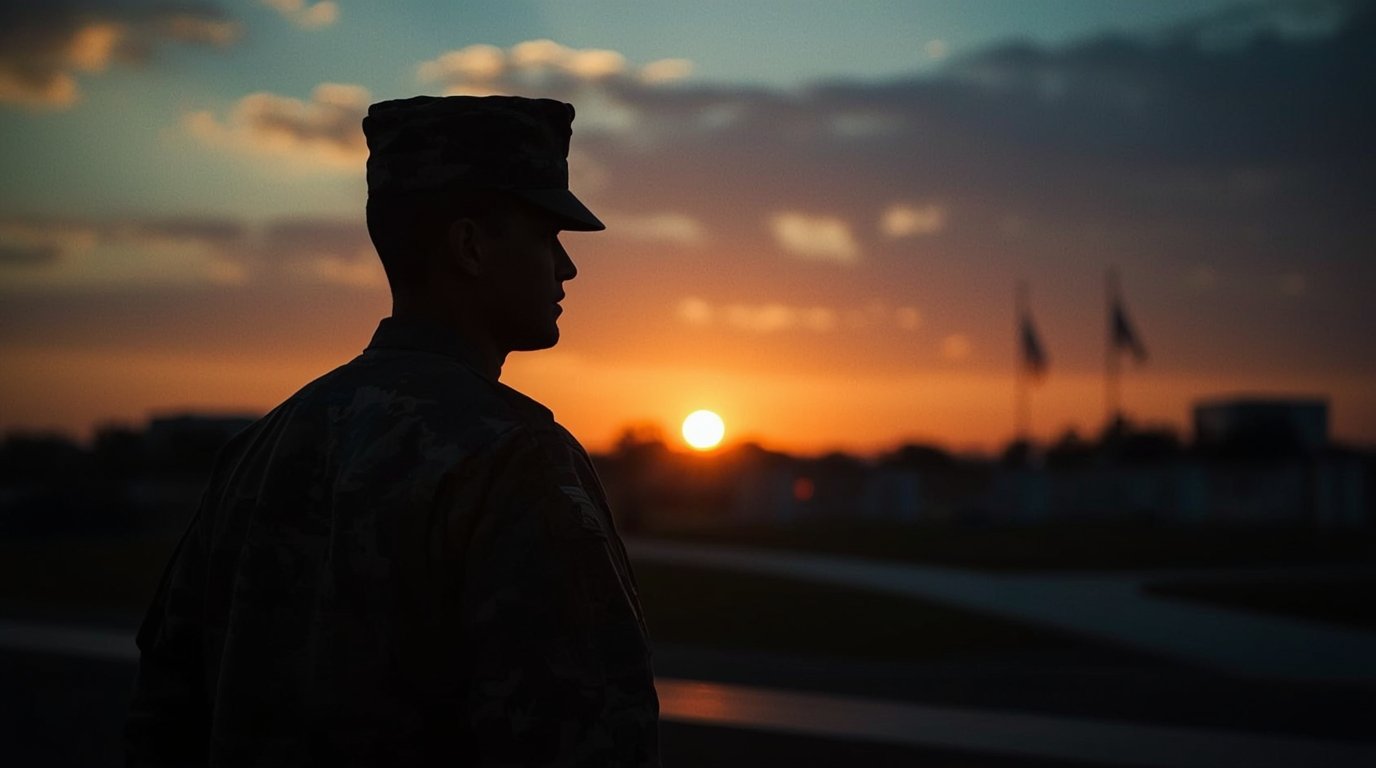
The concept of a veteran book club is one that serves as a haven for those who have served in the military, offering a unique platform for camaraderie and personal development through literature. This club is not merely a gathering of individuals who read; it embodies the spirit of community and shared experiences that veterans often seek after returning to civilian life. The benefits derived from participating in a veteran book club extend far beyond the enjoyment of reading and discussing books. It fosters a supportive environment where members can freely share their thoughts, feelings, and experiences related to military life.

for the $3,000 Special Allowance
At its core, the purpose of the veteran book club is to create a safe space where veterans can connect over books that resonate with their experiences, challenges, and triumphs. The curated selections often include literature that reflects military themes, personal growth, and resilience, allowing members to find solace and understanding within the pages. Through the exploration of diverse narratives, veterans can gain insights into different perspectives while also relating back to their own journeys. This engagement not only enhances the reading experience but also encourages profound discussions that can lead to personal growth and resilience.
Moreover, the act of reading and discussing literature can be therapeutic for veterans, providing opportunities to process complex emotions and experiences. It serves as a bridge to meaningful conversations regarding military service, reinforcing the shared understanding that is paramount in veteran communities. Through these discussions, deeper connections are forged, enriching the social fabric of the group and fostering friendships that may extend beyond the meeting room. Ultimately, the veteran book club becomes much more than a reading group; it transforms into a vital support network that champions the well-being of its members.
Criteria for Selecting Our Monthly Picks

When curating our monthly book recommendations for veterans, we adhere to a robust set of criteria designed to resonate deeply with the experiences and interests of the veteran community. One primary focus is on themes related to military history. Books that provide insightful perspectives on historical events, key battles, and the evolution of warfare allow veterans to engage with their past in a meaningful way. These selections not only educate but also foster a collective memory a vital aspect of societal understanding.
In addition to military history, we place a significant emphasis on memoirs from veterans. Authentic narratives that detail personal stories of service, sacrifice, and resilience offer profound reflections that can initiate discussions within book clubs. Veterans often find solace in reading about the experiences of their peers as these memoirs can reflect their own journeys, thereby fostering a sense of camaraderie and understanding. Such selections aim to acknowledge shared struggles and triumphs, making them particularly valuable to our audience.
Moreover, we include thought-provoking fiction that, while not necessarily centered on military themes, addresses universal experiences such as loss, identity, and the quest for purpose. This genre can serve as a powerful tool for discussion as it challenges readers to consider various perspectives and empathize with characters from diverse backgrounds. By integrating both fiction and non-fiction, our selections encourage a broader dialogue about human experiences and their connections to military service.

Ultimately, our criteria for selecting the monthly book recommendations seek to create a meaningful literary experience for veterans, promoting reflection, discussion, and connection through relevant and impactful reading materials.
This Month’s Featured Book: The Things They Carried
This month’s featured book is “The Things They Carried,” a powerful collection of linked short stories by acclaimed author Tim O’Brien. Published in 1990, this literary work has gained significant recognition and is considered a crucial text that delves into the experiences of soldiers during the Vietnam War. O’Brien, who served in the war himself, masterfully intertwines fiction with autobiography, providing a poignant reflection on the emotional and psychological burdens that veterans carry both during and after their service.
The book’s structure allows for a deep exploration of themes such as courage, memory, and the complexities of truth. Each story is rich with detail, illustrating the physical and emotional weight of the soldiers’ experiences. Through vivid narratives, O’Brien articulates the essence of the soldier’s experience, illustrating not only the battlefield horrors but also the mundane realities of life as a veteran. With this approach, O’Brien effectively captures the duality of war: the horror that exists alongside moments of profound humanity.
<p"the 1991=""
Additional Book Recommendations
For veterans seeking to broaden their reading experience, there exists a plethora of literature that offers insight into military history, personal narratives, and compelling fiction. This collection of additional book recommendations is curated to enhance the previously featured selections, ensuring a well-rounded literary exploration.
One notable title is “American Sniper” by Chris Kyle, which provides a gripping account of the life of a Navy SEAL and his experiences during the Iraq War. This autobiographical memoir delves into the psychological impacts of warfare while offering an honest depiction of military life. Another commendable option is “Redeployment” by Phil Klay, a collection of short stories capturing the emotions and hardships faced by soldiers returning from combat. Klay’s sharp prose allows readers to understand the complexities of war and the stark realities encountered by service members.
For those interested in military history, “The Things They Carried” by Tim O’Brien presents a powerful blend of fiction and memoir. The narrative revolves around a platoon of soldiers during the Vietnam War, exploring themes of bravery, vulnerability, and camaraderie. This book is widely regarded not just as a good read for veterans, but also as a profound commentary on the human experience in wartime.
On the fiction front, “All Quiet on the Western Front” by Erich Maria Remarque remains a classic. This novel reflects on the harrowing experiences of World War I soldiers, illuminating the shared emotions and struggles that many veterans can relate to. Additionally, “Billy Lynn’s Long Halftime Walk” by Ben Fountain provides a satirical yet poignant look at the lives of soldiers in contemporary America, particularly during a high-profile football game.
These selections, alongside the previously featured book, can foster rich discussions, offering varied perspectives on themes central to military experiences. This reading list aims to cater to a myriad of tastes while providing valuable context and understanding for veterans and their book clubs.
Spotlight on Veteran Authors
Veteran authors bring a unique perspective to literature, drawing upon their diverse experiences from military service. Among the many notable veteran writers, some have made remarkable contributions to both fiction and non-fiction, capturing the complexities of life before, during, and after military service. Their works often intertwine personal narratives with broader themes of war, identity, and healing, resonating with readers from various backgrounds.
One such author is Tim O’Brien, a Vietnam War veteran, whose acclaimed novel, The Things They Carried, intricately weaves the burden of memory with the realities of combat. O’Brien’s writing style is marked by a blend of lyrical prose and stark realism, allowing readers to emotionally connect with the characters as they face the repercussions of war. His ability to convey the challenges of reconciling personal experiences with the collective memory of war sets him apart in contemporary literature.
Another prominent figure is Kevin Powers, whose novel The Yellow Birds provides a haunting insight into the Iraq War. Powers, a former soldier, draws on his first-hand experiences to create a narrative that explores the mental and emotional toll of conflict. His poetic approach to writing humanizes the soldiers’ experiences, making it an essential read for understanding the complexities of modern warfare.
Additionally, the works of writers like Phil Klay, whose book Redeployment offers varied perspectives of soldiers returning home, reflect on the challenges of reintegration into civilian life. Klay’s vivid storytelling is rooted in his military service, illustrating how unique experiences shape the narratives veterans choose to share. Each of these authors highlights the richness of veteran literature, providing invaluable insights into the human experience through the lens of military service.
Discussion Topics for the Book Club
Engaging veterans in a book club can foster connections and facilitate meaningful discussions that resonate with their unique experiences. The featured book selection, along with additional recommendations, presents numerous themes worthy of exploration. Below are some thought-provoking discussion topics aimed at enhancing the collective understanding of trauma, resilience, and camaraderie.
One profound topic to initiate conversation is the portrayal of trauma in the featured book. Members can discuss how the characters respond to traumatic events, reflecting on their personal encounters with similar experiences. Questions such as, “How did the author represent trauma, and what insights does this provide into the veterans’ experience?” can encourage participants to share their perspectives while validating each other’s feelings.
Another significant aspect to consider is the theme of resilience. Veterans often demonstrate remarkable strength in overcoming challenges. A relevant question may be, “In what ways do the characters display resilience throughout the narrative?” This can prompt discussions on coping mechanisms and strategies veterans use in their own lives, fostering a sense of unity through shared experiences.
Additionally, camaraderie among veterans is an essential aspect to explore. Discussion about friendships formed during service, as depicted in both the recommended book and personal anecdotes, can help establish bonds within the group. A possible question could be, “How does the book illustrate the importance of camaraderie, and how can these themes be related to our own relationships?” These dialogues can deepen relationships and enhance the understanding of support systems.
Ultimately, these suggested topics aim to create an environment where veterans can share their stories, learn from one another, and strengthen their connections through the shared love of reading. By addressing themes of trauma, resilience, and camaraderie, the book club can serve as a valuable resource for personal growth and community building.
Benefits of Reading for Veterans
Reading offers numerous mental and emotional benefits, particularly for veterans who may be navigating the complexities of their experiences. Engaging with literature provides a unique avenue for processing emotions and memories that can be difficult to articulate. For veterans, books can serve as a reflective mirror, allowing them to explore personal stories, themes of resilience, and the myriad aspects of the human experience that resonate with their own lives. This form of engagement promotes self-awareness, helping individuals better understand their thoughts and feelings.
Furthermore, reading fosters empathy, a crucial emotional skill that can be hindered by the isolating nature of certain post-service experiences. Through narratives that depict diverse perspectives and life situations, veterans can develop a deeper understanding of others’ feelings and challenges. This not only enriches their emotional repertoire but also strengthens their connections with family and peers, facilitating healthier relationships and community engagement. Exploring the experiences of characters in literature can also offer veterans insights into their own struggles, fostering a sense of belonging and understanding.
In addition to emotional benefits, reading serves as a vital tool for relaxation and escape. For many veterans, the act of immersing oneself in a good book provides a temporary reprieve from the stresses of daily life and any traumatic memories that may linger. The ability to step into different worlds allows for mental disengagement, promoting relaxation and reducing anxiety. This aspect of reading can significantly enhance overall well-being, contributing to improved mental health.
In light of these benefits, it is clear that literature can play an essential role in supporting veterans on their journey towards healing and integration into civilian life. By cultivating a reading habit, veterans can embark on a fulfilling path of emotional growth, empathy, and tranquility.
How to Start Your Own Veteran Book Club
Establishing a book club tailored specifically for veterans can serve as a meaningful way to connect, share experiences, and foster camaraderie through literature. To initiate this venture, begin by gathering a group of veterans who share an interest in reading. Your local community centers, veteran organizations, or online platforms can facilitate connections with potential members.
The first logistical aspect to address is selecting a suitable meeting place. Consider environments that are familiar and comfortable to veterans, such as community centers, libraries, or even informal settings like a local café. The venue should provide a conducive atmosphere for discussion while respecting the need for privacy and openness when discussing sensitive topics.
Next, it’s crucial to establish a reading schedule that works for all members. Determine the frequency of meetings, whether monthly or bi-monthly, and establish a framework for book selection. Encourage members to suggest titles that resonate with their experiences or broaden their perspectives. Aim for a diverse range of genres, including those that highlight military life, historical accounts, or fiction that provokes thought and discussion.
Fostering engaging discussions is key to maintaining interest. Begin each meeting with a brief summary of the book to ensure everyone is on the same page, followed by open-ended questions that prompt thoughtful dialogue. Encouraging diverse viewpoints can enrich conversations and deepen connections among members.
Lastly, cultivate a supportive environment where all members feel safe to express their thoughts and feelings. Respect for different opinions will lead to a respectful dialogue where veteran experiences can be acknowledged and appreciated. By fostering an inclusive atmosphere and focusing on shared interests, your veteran book club can thrive as a space for healing, learning, and bonding over literature.
Join Our Veteran Book Club Online
Joining our online veteran book club community offers a unique opportunity for veterans to connect over shared interests in literature while fostering camaraderie and discussion. In an age where social connectivity often extends beyond geographical limits, engaging in an online book club can bridge distances and create a vibrant community of like-minded individuals. We encourage veterans from all walks of life to participate, share insights, and broaden their horizons through the magic of books.
Members can join our veteran book club through various social media platforms, including Facebook and Instagram. These platforms serve as a space for discussions, suggestions, and exchanges of thoughts about the monthly selections. In addition, we maintain a dedicated forum on our website, which allows for more in-depth conversations, book reviews, and personal reflections on literary themes that resonate with the veteran experience. This multi-faceted approach to community engagement enhances the overall reading experience, as members can share diverse perspectives that enrich discussions.
Participating in our online veteran book club not only expands your reading repertoire but also builds a support network that celebrates the unique insights veterans bring to literature. As members recommend books, share their critiques, and contribute to discussions, they cultivate a nurturing environment for both new and seasoned readers. Engaging in conversations with fellow veterans can be particularly therapeutic, fostering a sense of belonging while exploring narratives that may reflect their experiences or challenge their viewpoints.
We invite you to become an integral part of our community by sharing your favorite titles, writing reviews, and participating in our discussions. Your voice matters, and your recommendations can pave the way for enriching reading experiences for others. Join us in exploring meaningful literature together. We look forward to welcoming you to our online veteran book club!