
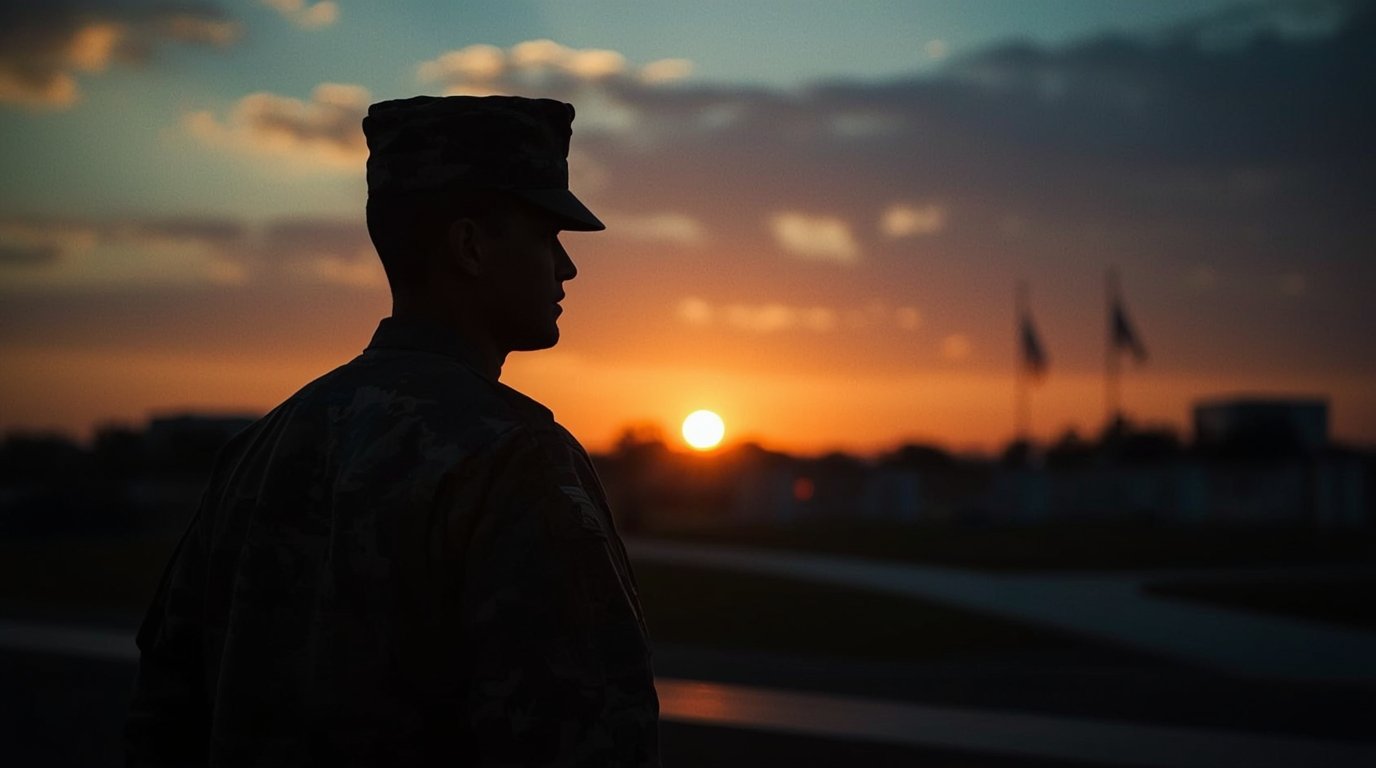
Introduction to Canada’s Veteran Landscape
As of September 3, 2025, Canada’s veteran landscape remains a vital aspect of national identity and pride. The day not only serves as a commemoration of those who have served and sacrificed for the country, but also facilitates discussions regarding the ongoing challenges faced by veterans. Over the years, various events have been organized to honor their contributions and to address the critical issues affecting their well-being.

for the $3,000 Special Allowance
The historical context surrounding veterans in Canada is rich and complex, originating from their involvement in numerous conflicts throughout the 20th and 21st centuries. The contributions of veterans to Canadian society, culture, and security are monumental and deserve recognition. September 3 is particularly significant as it marks a day of unity and reflection, where communities gather to engage in dialogues centering around veterans’ affairs and the societal responsibilities towards them.
Presently, veterans in Canada face a myriad of challenges, including health care access, mental health issues, and the transition to civilian life. The government and various organizations are working diligently to improve the support systems available to these individuals. Celebrating veterans on September 3, 2025, is a reminder of the importance of acknowledging their sacrifices and ensuring they receive the respect and resources they need. Commemorative events provide a platform for discussions about veterans’ rights, the importance of mental health support, and the need for comprehensive rehabilitation programs, which are essential for their successful reintegration into society.

Ultimately, September 3 serves as both a day of remembrance and a call to action for Canadians to honor the past and advocate for the future of their veterans, ensuring they are not forgotten and that their contributions continue to be celebrated.
Commemorations for Veterans
On September 3, 2025, communities across Canada will come together to honor and recognize the contributions of veterans through a series of commemorative events. These observances will encompass a wide array of ceremonies, memorial services, and public gatherings, each aimed at paying tribute to those who served in the Canadian Armed Forces. Various localities are expected to host events that reflect the unique historical context and contributions of their respective veterans.
Ceremonies will be held in major cities such as Ottawa, Toronto, and Vancouver, where key landmarks and memorials will serve as focal points for these gatherings. The Government of Canada, alongside local authorities, will ensure that the events are organized to include dignitaries, veterans, and their families. Some ceremonies may involve performances by military bands, as well as the laying of wreaths at memorial sites to honor those who made the ultimate sacrifice for their country.

Local community groups and organizations will also play a pivotal role in these events. Many communities are partnering with veterans’ associations to facilitate educational activities that shed light on the sacrifices made by veterans, particularly focusing on younger generations. Schools and youth programs will be encouraged to participate, creating a platform for students to engage with veterans and learn about Canada’s military history.
Public gatherings will include exhibitions featuring artifacts, photographs, and personal stories highlighting the lives of veterans. These events aim to foster a greater understanding of the impact of military service on individuals and families throughout Canada’s history. The collective effort of local communities, organizations, and government agencies emphasizes the importance of commemorating veterans, ensuring that their legacy is honored and remembered by all Canadians.
Updates from Veterans Affairs Canada (VA)
As of September 3, 2025, Veterans Affairs Canada (VA) has implemented several new initiatives and policy changes aimed at enhancing the welfare and support systems available to veterans and their families. These updates signify a commitment to addressing the evolving needs of those who have served in the Canadian Armed Forces, reflecting the government’s resolve to prioritize their well-being.

One of the notable initiatives launched recently is the expansion of the Veteran Family Program, which now includes a broader range of resources and support services. This program is particularly focused on mental health assistance, providing veterans and their families with access to counseling and treatment options tailored to the unique challenges they face. This expansion is a direct response to the ongoing mental health crisis experienced within the veteran community, aiming to offer timely and effective support.
Additionally, the VA has introduced policy changes pertaining to the application process for disability benefits, seeking to streamline and simplify the existing protocols. This change is intended to reduce waiting times and bureaucratic obstacles, thereby ensuring that veterans receive the financial aid and medical support they rightfully deserve without undue delay. Enhanced training for claims processors has also been a focus area, aiming to improve overall service delivery and the accuracy of benefit assessments.
In light of recent discussions around transitional support, the VA has reinforced its commitment to assisting veterans reintegrating into civilian life. New partnerships with community organizations have been established to facilitate job training and employment opportunities for veterans. These collaborative efforts are designed to smooth the transition process and provide the necessary tools for personal and professional success.
Overall, the latest updates from Veterans Affairs Canada reflect an ongoing commitment to meeting the needs of veterans through comprehensive support measures and innovative initiatives. These measures are essential in fostering a robust support system that recognizes the sacrifices made by those who have served the nation. The importance of continuously refining and improving these services cannot be overstated, as they play a critical role in the lives of countless veterans and their families.
Benefit Payments for Ex-Servicemen and Women
As of September 3, 2025, benefit payments for veterans in Canada have been a crucial element of the support system designed to assist ex-servicemen and women in their transition to civilian life. Over the years, there have been significant enhancements and modifications to financial support programs aimed at satisfying the diverse needs of this population. The primary focus of these benefits includes pensions, disability compensation, and various allowances tailored to individual circumstances.
The current eligibility criteria for veteran benefit payments have been delineated to ensure a diligent assessment of claims. Veterans are generally required to demonstrate a connection between their military service and any service-related injury or illness to qualify for disability benefits. Furthermore, recent initiatives have emphasized the importance of mental health, granting additional resources for veterans facing challenges related to post-traumatic stress disorder (PTSD) and other psychological conditions. These changes reflect a broader understanding of the complexities of veteran care and the necessity for inclusive support mechanisms.
Moreover, the implementation of the Veterans Well-Being Act has stimulated a renewed focus on enhancing the financial means of veterans. This legislation aims to streamline access to benefits and ensure that those who have served the country receive the necessary support. Monetary assistance not only alleviates the financial burdens faced by ex-servicemen and women, but it also plays a critical role in their well-being, fostering a sense of security as they navigate the challenges of reintegration into society.
In examining the overall impact of benefit payments, it is evident that these financial supports are instrumental in addressing various aspects of a veteran’s life, from healthcare to housing. Nevertheless, continued monitoring and adjustments to the financial aid framework remain imperative to adequately support the evolving needs of Canadian veterans.
National Discussions on Veteran Well-being
The well-being of veterans in Canada has become a central focus for policymakers, healthcare providers, and advocacy groups, prompting nationwide discussions on the challenges that these individuals face upon their return to civilian life. Recognizing the unique experiences and struggles of veterans, various initiatives have emerged to address mental health, housing needs, and access to social services.
One of the key areas gaining attention is mental health support for veterans. Reports indicate that a significant number of veterans experience conditions such as post-traumatic stress disorder (PTSD), depression, and anxiety. To combat these issues, the Canadian government has rolled out several mental health programs designed specifically for veterans. These include counseling services, peer support networks, and community-based initiatives aimed at providing a safe environment for veterans to discuss their mental health challenges openly.
In addition to mental health initiatives, housing support remains a critical concern. Many veterans encounter difficulties in securing stable and affordable housing after their service. Recognizing this, various nonprofit organizations and government bodies have initiated programs aimed at enhancing housing access for veterans. These programs seek to provide subsidies, affordable housing options, and transitional housing solutions that cater to the specific needs of veterans.
Social services also play a pivotal role in the overall well-being of veterans. Access to specialized services can significantly alleviate the challenges faced by these individuals. Discussions surrounding improvements in social service delivery for veterans emphasize the need for streamlined access to benefits, career counseling, and educational opportunities. There is a growing consensus among stakeholders that enhancing these services is essential for the successful reintegration of veterans into society.
The collective efforts of various organizations, government agencies, and community groups reflect a commitment to improving veteran well-being in Canada. As discussions continue, it is crucial to ensure that these initiatives not only address the immediate needs of veterans but also foster an environment where they can thrive and contribute meaningfully to their communities.
Personal Stories and Testimonies from Veterans
The narrative of Canadian veterans is rich with diversity, shaped by individual experiences and the distinct challenges faced during and after military service. Each veteran’s story offers a unique perspective on their time in the armed forces, revealing the complexities of their journeys, both in combat and upon return to civilian life.
One poignant example is the account of Sergeant John, who served in Afghanistan. He recalls the camaraderie among his squad members, which was a vital source of strength during intense firefights. However, after returning home, John faced the upheaval of transitioning to a world that appeared starkly different from the one he knew. His struggle with post-traumatic stress disorder (PTSD) is a testament to the silent battles many veterans continue to fight long after their service has ended. John emphasizes the importance of seeking help and community support, underlining a common theme among veterans: the necessity of sharing their experiences to foster understanding and healing.
Similarly, Corporal Lisa, who served in peacekeeping missions in the Balkans, highlights the emotional toll of her service. She speaks of the haunting memories of witnessing violence and suffering, which shaped her perspective on conflict resolution and peace-building. Lisa’s journey reflects the ongoing process of reconciling her military experiences with her civilian identity. She has become an advocate for mental health awareness, emphasizing how vital it is for veterans to have access to resources that aid in their recovery and reintegration into society.
These personal testaments illustrate that veterans come from diverse pathways, each carrying their unique burdens and triumphs. Sharing these individual stories not only honors their service but also promotes a broader understanding of the challenges faced by veterans in Canada. By amplifying these narratives, we can foster a culture of recognition and support for those who have served, ensuring that their sacrifices are never overlooked.
Community Involvement and Support Initiatives
Community-based programs play a pivotal role in the successful reintegration of veterans into civilian life. As the demographics of veterans evolve, local organizations, volunteer groups, and charitable foundations have risen to address their unique needs. These groups offer essential support initiatives that facilitate a smoother transition for veterans, recognizing the challenges they face after military service.
One of the key ways communities provide assistance is through collaborative partnerships with veteran service organizations. These coalitions often host workshops and informational sessions focusing on skill-building and employment opportunities, which can be crucial for veterans seeking jobs in competitive job markets. Moreover, mentorship programs have emerged, pairing veterans with seasoned professionals in various fields, thereby enhancing their employability while fostering a sense of community.
In addition to employment support, many initiatives focus on mental health care and wellness programs tailored specifically for veterans. Local nonprofits are increasingly offering counseling services, peer support groups, and recreational activities aimed at promoting emotional resilience and well-being. These programs recognize that the psychological impact of military service can significantly affect a veteran’s ability to adjust to civilian life.
Another essential aspect of community involvement is engaging local citizens through volunteer opportunities. Individuals and families frequently contribute by providing resources, organizing events, or directly assisting in programs dedicated to veterans’ welfare. Initiatives such as community fundraisers and awareness campaigns help elevate public consciousness regarding the challenges veterans face, ultimately fostering a supportive environment for reintegration.
In conclusion, community involvement is vital for veterans as it offers a multifaceted support system, enabling them to navigate the complexities of transitioning back into civilian roles.
Challenges Faced by Veterans Today
Veterans in Canada continue to encounter a range of challenges that significantly impact their quality of life. Mental health issues are prevalent among this population, with many veterans experiencing conditions such as post-traumatic stress disorder (PTSD), depression, and anxiety. The transition from military to civilian life can be particularly difficult, leading to feelings of isolation and a lack of support systems that were once readily available. Access to mental health services remains a critical issue, as many veterans face long wait times and limited resources to receive the care they require.
Homelessness is another pressing challenge faced by veterans across Canada. It is estimated that a notable percentage of the homeless population consists of former service members, often isolated and without proper support structures. Factors contributing to this predicament include a lack of affordable housing, inadequate income, and mental health struggles. The experience of homelessness can severely undermine a veteran’s sense of dignity and well-being, making it imperative for society to address the underlying causes and provide essential assistance.
Unemployment further exacerbates the difficulties faced by veterans. Many veterans encounter obstacles when attempting to reintegrate into the workforce, stemming from a lack of transferable skills or the challenge of adjusting to civilian workplace culture. The stigma surrounding mental health issues may also hinder employment opportunities, leaving many veterans in precarious financial situations. Efforts to facilitate the transition to civilian employment, such as vocational training and job placement programs, are critical in fostering a successful reintegration process.
As the challenges of mental health, homelessness, and unemployment persist, there is an urgent need for continued advocacy and robust support systems for veterans. Fostering a society that recognizes and addresses these issues is essential in ensuring that Canadian veterans receive the respect and assistance they deserve for their service and sacrifices.
Looking Forward: The Future of Veteran Affairs in Canada
As Canada moves forward, the landscape of veteran affairs is poised for significant transformation. The growing recognition of the need to adequately support veterans has led to increasing discussions surrounding policy reforms that aim to improve the lives of those who have served the nation. A critical element of these reforms is likely to revolve around enhancing mental health services for veterans. Addressing mental health challenges remains a priority, given the rising awareness of issues such as PTSD and anxiety that many veterans face after their service. Future initiatives may introduce comprehensive mental health programs tailored specifically to the needs of veterans.
Furthermore, funding allocations for veteran support are expected to increase. Current government discussions around budget adjustments indicate a commitment to enhancing financial support for veterans. This could involve higher investment in housing, educational benefits, and career transition services, all of which are vital for ensuring a smooth reintegration into civilian life. With the anticipated growth in funding, veteran organizations may also see a rise in partnerships with governmental bodies, leading to collaborative efforts that provide essential services and programs for those who have served.
Additionally, technology is set to play a crucial role in the future of veteran affairs. The integration of digital platforms for accessing services and information can improve the timeliness and efficiency of care. Innovations such as telehealth options and online support communities may become common, allowing veterans more accessible avenues for seeking help and connecting with one another. The evolving nature of veteran affairs in Canada underscores a national commitment to honoring and supporting veterans, indicating a promising outlook for those who have served. As discussions progress, it is clear that the focus on enhancing veteran support will continue to shape policies and programs in the upcoming years.